Table of Contents
Waymo Doubles Down on Jaguar I-Pace for Autonomous Expansion
Waymo, a leader in autonomous vehicle technology, is set to significantly expand its fleet of Jaguar I-Pace electric vehicles. Despite Jaguar discontinuing the I-Pace in 2024, Waymo plans to deploy an additional 2,000 I-Pace EVs by the end of 2026. This move will more than double their existing fleet, which currently consists of 1,500 I-Pace vehicles operating in cities like San Francisco, Phoenix, Los Angeles, and Austin. This expansion underscores Waymo’s commitment to using reliable and proven platforms for their robotaxi service.
The Jaguar I-Pace, introduced in 2018, was one of the first serious electric vehicle contenders from a manufacturer outside of Tesla. Its sleek design and all-electric powertrain made it a popular choice for consumers looking for a premium EV experience. While Jaguar has moved on to other models, Waymo sees continued value in the I-Pace as a robust and capable platform for its autonomous driving technology. The decision to expand the I-Pace fleet highlights Waymo’s strategic approach to leveraging existing technology to accelerate the deployment of its self-driving services.
| Fleet Metric | Current | Target (by 2026) |
|---|---|---|
| Jaguar I-Pace EVs | 1,500 | 3,500 |
| Operating Cities | 4 | 7 (with Atlanta, Washington D.C., and Miami) |
Mesa Facility: The Epicenter of Waymo’s Autonomous Future
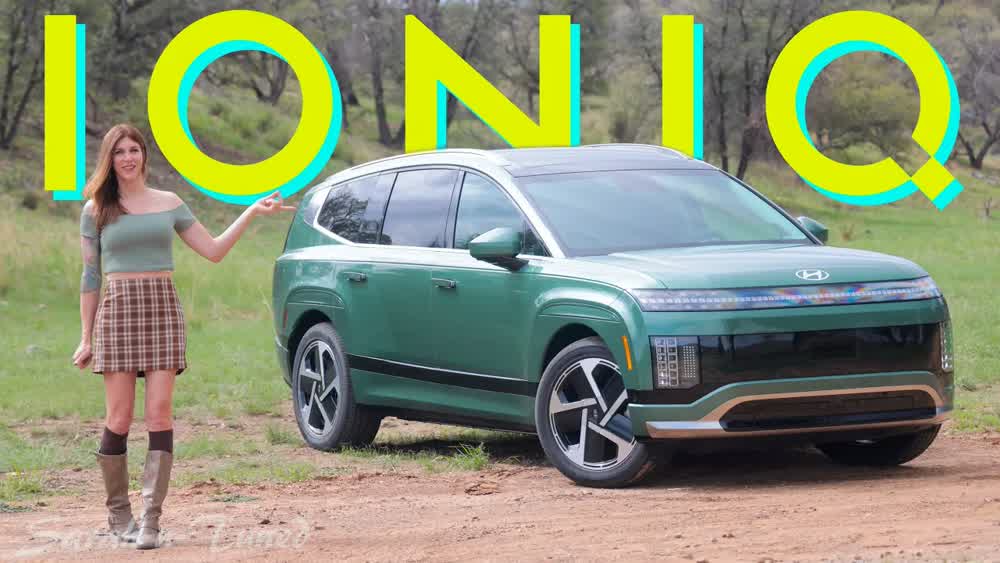
Waymo’s expansion plans are heavily reliant on its new facility in Mesa, Arizona. This facility, operated in partnership with Magna, a renowned contract car manufacturer, will be responsible for outfitting the additional 2,000 Jaguar I-Pace vehicles with Waymo’s autonomous driving hardware. The Mesa facility is not limited to just the I-Pace; it is designed to integrate Waymo’s technology into various vehicle platforms, starting with the Chinese-made Zeekr RT van later this year. Waymo also intends to incorporate autonomous Hyundai Ioniq 5 crossovers into its fleet, though the production location for these vehicles has not been disclosed.
The partnership with Magna is crucial for Waymo’s production capabilities. Magna, known for assembling vehicles like the Mercedes-Benz G-Wagen and Toyota GR Supra, brings extensive automotive manufacturing expertise to the table. The Mesa facility, which began operations last fall, is expected to eventually produce “tens of thousands” of autonomous vehicles per year. This ambitious production target underscores Waymo’s long-term vision for the widespread adoption of its self-driving technology. According to Ryan McNamara, Waymo’s vice president of operations, the Mesa facility is the “epicenter of our future growth plans,” highlighting its strategic importance to the company’s overall strategy.
| Vehicle Type | Production Location | Expected Deployment |
|---|---|---|
| Jaguar I-Pace | Mesa, Arizona | By 2026 |
| Zeekr RT Van | Mesa, Arizona | Later this year |
| Hyundai Ioniq 5 | TBD | TBD |

Waymo’s Dominance in the Self-Driving Technology Race
Waymo’s continued expansion and technological advancements solidify its position as a leader in the self-driving technology landscape. After over a decade of development under Alphabet’s umbrella, Waymo’s robotaxi service is now a reality, providing driverless rides to paying customers in multiple cities. While competitors like General Motors’ Cruise have faced setbacks and Tesla continues to navigate development challenges, Waymo is rapidly expanding its operations and refining its technology. This positions Waymo as a frontrunner in the race to commercialize autonomous driving.
The numbers speak for themselves: Waymo currently logs 250,000 paid rides per week and plans to launch its service in Atlanta, Washington, D.C., and Miami in 2026. This aggressive expansion strategy demonstrates Waymo’s confidence in its technology and its commitment to making self-driving transportation accessible to a wider audience. By focusing on practical applications and continuous improvement, Waymo is setting the standard for the future of autonomous mobility. The integration of diverse vehicle platforms and the strategic partnership with Magna further solidify Waymo’s position as a dominant player in the evolving self-driving market.