Table of Contents
Xiaomi YU7: An Overview
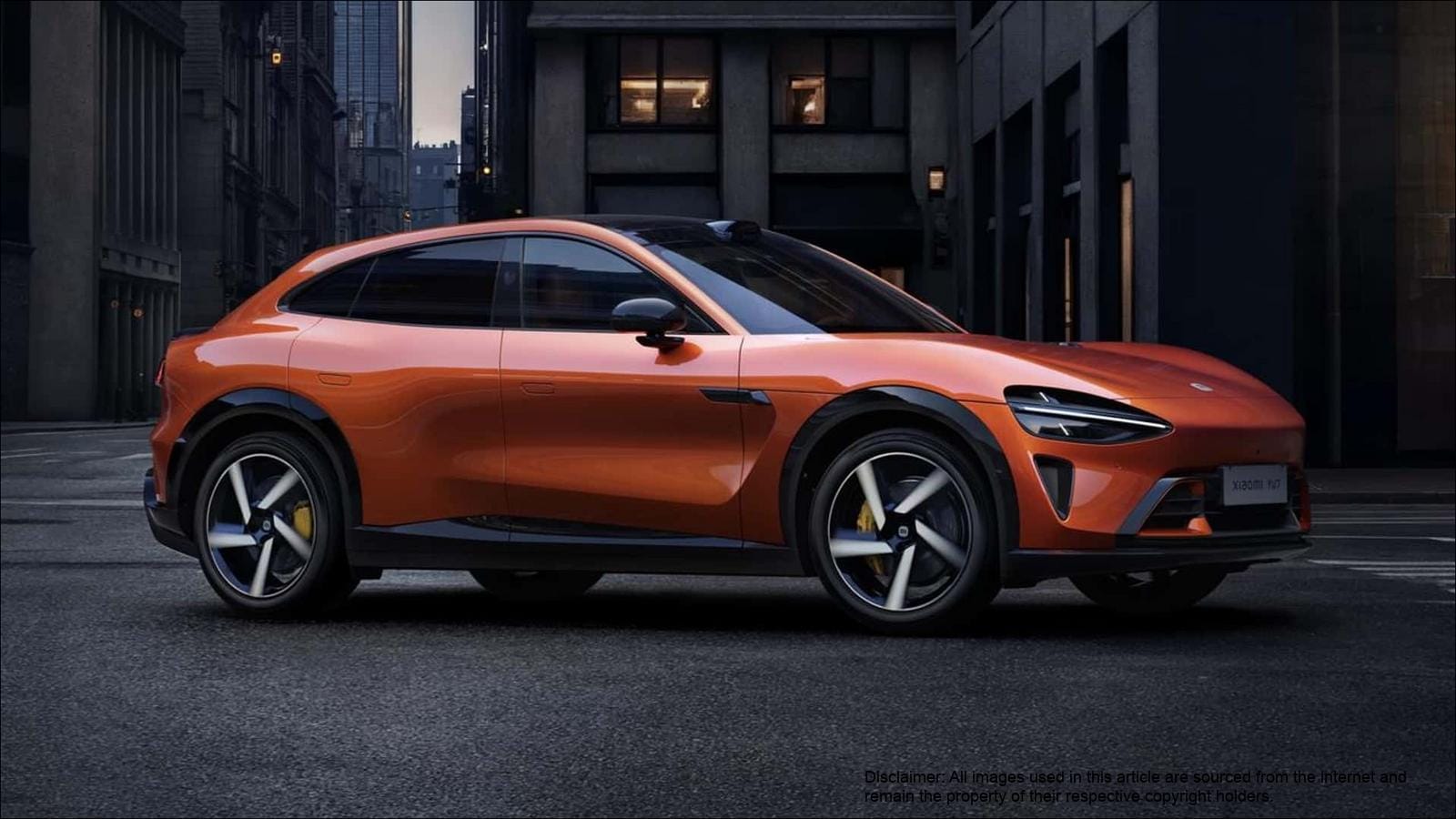
Xiaomi is expanding its automotive lineup with the YU7, an all-electric SUV and the sibling to the SU7 sedan. This move aims to capture a larger segment of the EV market, particularly those favoring crossover SUVs. The YU7 promises impressive performance, with a range of up to 518 miles on the Standard RWD model and a blistering 0-62 mph acceleration time of just 3.23 seconds on the Max AWD trim. Reservations are expected to open in July, marking a significant step for Xiaomi in the electric vehicle sector.
The YU7 has been described as a more accessible alternative to high-end SUVs like the Ferrari Purosangue, offering a similar aesthetic at a fraction of the cost. It integrates seamlessly with Xiaomi’s extensive tech ecosystem, positioning it as a compelling choice for tech-savvy consumers in China. The initial unveiling by Xiaomi CEO Lei Jun on social media generated considerable buzz, and the official launch has revealed even more details about this sporty EV. While early images drew strong comparisons to Ferrari, the latest photos showcase a unique design identity.

Image of the Xiaomi YU7 (Source: Xiaomi)
Detailed Specifications and Performance
The Xiaomi YU7 is a sizable SUV, measuring 196 inches (4,999 mm) in length, making it approximately 10 inches longer than the Tesla Model Y. It shares the same Modena platform as the SU7 sedan but distinguishes itself with an air suspension system. The YU7 will be available in three trims, each powered by variants of Xiaomi’s V6s electric motor:
- Standard RWD: Features a single rear motor producing 315 horsepower, achieving 0-62 mph in 5.88 seconds.
- Pro AWD: Adds a front motor, boosting the total output to 489 horsepower and reducing the 0-62 mph time to 4.27 seconds.
- Max AWD: The top-tier model delivers 681 horsepower, achieving 0-62 mph in a mere 3.22 seconds.
Given its larger size and weight compared to the SU7 sedan, the YU7 incorporates larger battery packs. The Standard RWD and Pro AWD trims both utilize a 96.3 kWh lithium-iron phosphate (LFP) battery, providing ranges of 518 miles and 478 miles, respectively. The high-performance Max AWD variant swaps the LFP battery for a 101.7 kWh nickel manganese cobalt (NMC) battery, offering a range of 472 miles. It’s important to note that these range figures are based on the China Light-Duty Vehicle Test Cycle (CLTC), which tends to be more optimistic than WLTP or EPA testing standards.
| Trim | Drivetrain | Horsepower | 0-62 mph (seconds) | Battery | Range (CLTC) |
|---|---|---|---|---|---|
| Standard RWD | Rear-Wheel Drive | 315 hp | 5.88 | 96.3 kWh LFP | 518 miles |
| Pro AWD | All-Wheel Drive | 489 hp | 4.27 | 96.3 kWh LFP | 478 miles |
| Max AWD | All-Wheel Drive | 681 hp | 3.22 | 101.7 kWh NMC | 472 miles |

Interior view of the Xiaomi YU7 (Source: Unconfirmed)
Xiaomi’s Impact and Tesla’s Challenge
The Xiaomi YU7 is poised to make a significant impact, particularly in the Chinese EV market. Xiaomi has quickly established itself as a formidable player, with the SU7 sedan consistently ranking among the top-selling new cars in China. CEO Lei Jun reports that Xiaomi has delivered approximately 258,000 vehicles since its entry into the automotive market just over a year ago. This success is notable, especially given the prevailing preference for crossovers over sedans.
The introduction of the YU7, with its broader appeal as an SUV, could further disrupt the EV landscape. Tesla, in particular, faces a growing challenge. The Model Y refresh has not resonated strongly globally, and controversies surrounding Elon Musk have impacted the brand’s standing in some markets. While China has been a relatively secure market for Tesla, the YU7 presents a direct competitor that leverages the preferences of local consumers and Xiaomi’s established tech ecosystem.
The YU7 aims to capture the essence of the SU7 sedan in a more popular SUV form factor. If the YU7 achieves similar sales success, Tesla may struggle to compete effectively, especially with its perceived lack of innovation in the facelifted Model 3 and Model Y. While pricing for the YU7 has not been officially announced, expectations are that it will closely align with the China-spec Tesla Model Y, which starts at around $36,500. This competitive pricing, combined with Xiaomi’s technological integration and the YU7’s appealing design, could significantly alter the dynamics of the Chinese EV market.

The Xiaomi SU7 and the upcoming YU7 (Source: Autocosmos)