• 13850 CENTRAL AVE, CHINO CA
  • Help@evcube.net
  • Help@evcube.net

$0.00 0

Cart

No products in the cart.
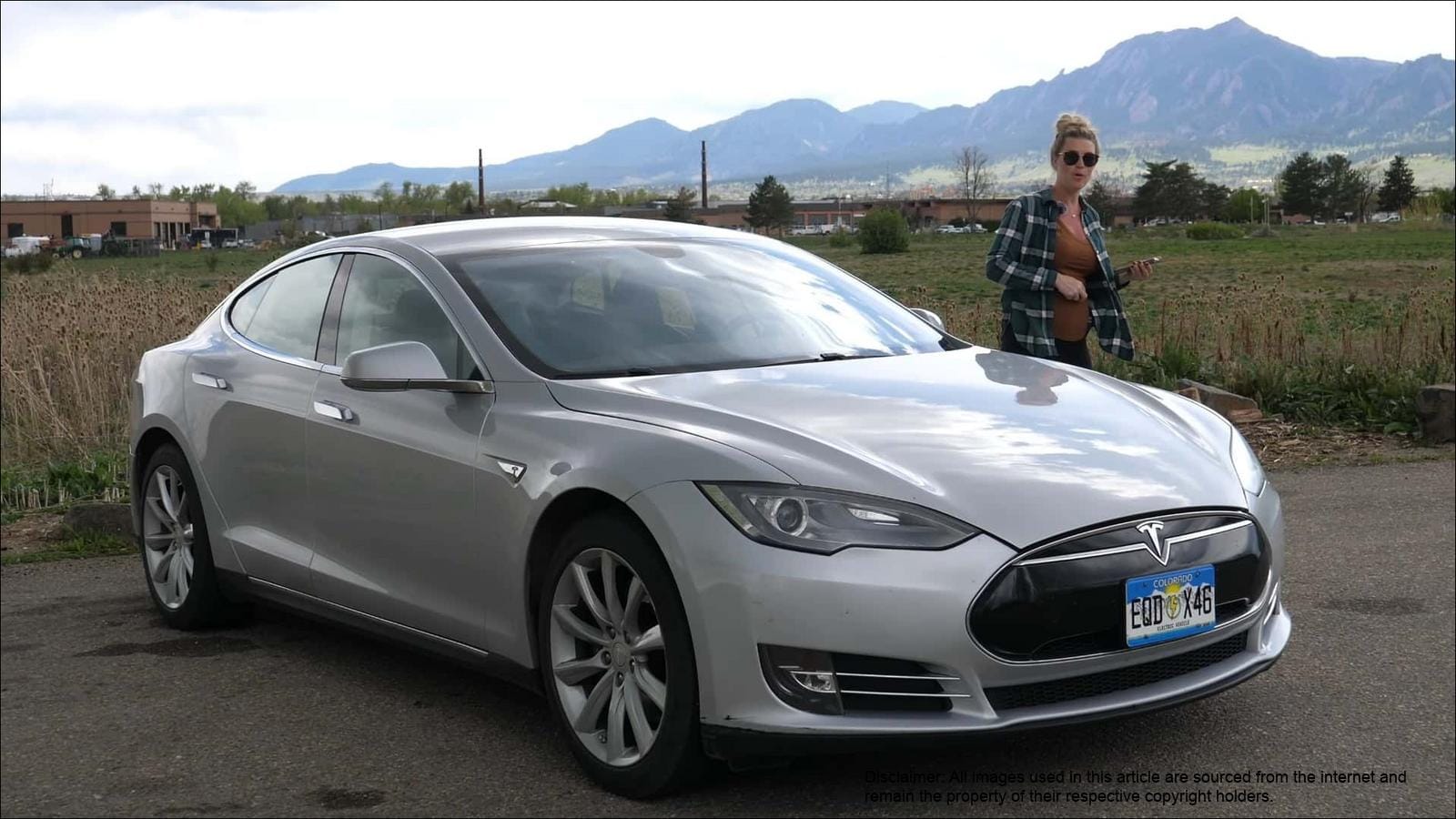
11-Year-Old Tesla Model S: Surprising Range After 100K Miles


The Allure of Used EVs

The used electric vehicle (used EV) market presents a compelling opportunity for budget-conscious buyers looking to make the switch to electric mobility. Electric vehicles, particularly luxury models, often experience significant depreciation, making them an attractive option compared to their gasoline-powered counterparts. However, the primary concern for potential used EV buyers revolves around battery health and remaining range. Understanding the real-world range of a used EV is crucial in making an informed purchasing decision.

Depreciation in EVs is influenced by factors such as technological advancements, battery degradation, and evolving consumer preferences. As newer models with improved range and features enter the market, older EVs tend to lose value more rapidly. This creates an opportunity for savvy buyers to acquire a previously expensive EV at a fraction of its original cost. However, it also necessitates a careful evaluation of the vehicle’s battery condition to ensure it meets the buyer’s range requirements.


The 2014 Tesla Model S: A Real-World Test

To illustrate the real-world range of a used EV, let’s consider a 2014 Tesla Model S 85. The Fast Lane EV acquired this vehicle for $13,000. This particular Model S had over 100,000 miles on the odometer and still retained its original battery pack. While the absence of a battery warranty might deter some buyers, the new owners were keen to assess its daily usability and range capabilities.

The 2014 Tesla Model S 85 originally had an EPA-estimated range of 265 miles when new. To determine the extent of battery degradation, The Fast Lane EV team conducted a real-world range test. They charged the car to 99%, which displayed an estimated range of 274 miles on the dashboard. The test involved driving a 111-mile loop around Denver, Colorado, twice, primarily at a constant speed of 75 miles per hour, with a small portion driven at lower, in-town speeds. The results were quite revealing.

MetricValue
Miles Driven233.6 miles
Energy Used63.3 kWh
Average Energy Efficiency3.69 miles/kWh (271 Wh/mile)


Understanding Battery Degradation

The results of the range test indicated that the 11-year-old Tesla Model S 85 retained a significant portion of its original range. The 233.6 miles driven represented only about a 12% reduction from the original 265-mile EPA rating. Furthermore, the car still indicated 10 miles of remaining range after the test. It’s important to note that the EPA cycle incorporates both highway and city driving, and the test was primarily conducted at highway speeds. Slower speeds would likely have yielded even greater range.

While the performance of this particular Model S is impressive, it’s essential to recognize that not all used EVs are created equal. Battery degradation is influenced by various factors, including charging habits, climate, and usage patterns. EVs that have been consistently fast-charged or exposed to extreme temperatures may exhibit greater battery degradation. Therefore, a thorough inspection and battery health assessment are crucial when considering a used EV purchase. Just as with combustion-powered vehicles, the condition and maintenance history significantly impact the long-term performance and reliability of an electric car.


Frequently Asked Questions


What is battery degradation, and how does it affect used EVs?

Battery degradation refers to the gradual loss of battery capacity over time. In used EVs, this means the battery can store less energy than when it was new, resulting in reduced range. Factors like age, usage patterns, charging habits, and climate contribute to battery degradation.


How can I assess the battery health of a used EV before buying it?
  • Get a professional inspection: A qualified EV technician can perform a battery health check using specialized diagnostic tools.
  • Check the car’s history: Review maintenance records for any battery-related issues or replacements.
  • Request a range test: Ask the seller to perform a full charge and drive the car to assess the real-world range.
  • Look for battery warranty: Check if the battery is still under warranty, which could cover potential replacement costs.


Are there any specific charging habits that can minimize battery degradation in EVs?
  • Avoid frequent fast charging: DC fast charging generates more heat, which can accelerate battery degradation. Use it sparingly.
  • Maintain a moderate state of charge: Avoid consistently charging to 100% or depleting the battery to 0%. Aim to keep the battery between 20% and 80% for optimal longevity.
  • Store the EV in a cool place: High temperatures can degrade the battery. Park in the shade or a garage whenever possible.
  • Use the manufacturer’s recommended charging practices: Follow the guidelines in the owner’s manual for the best charging practices.

    Comments are closed

    Search

    Follow us

    Have any questions?

    • help@evcube.net
    • +1 (510)-878-5951
    level 2 ev charger charging at home,tesla charger for home charging

    Safe

    level 2 ev charger charging at home,tesla charger for home charging

    Speed

    level 2 ev charger charging at home,tesla charger for home charging

    Stylish

    level 2 ev charger charging at home,tesla charger for home charging

    Save

    level 2 ev charger charging at home,tesla charger for home charging

    Smart

    level 2 ev charger charging at home,tesla charger for home charging

    Suitablility

    Tesla Redesigns Doors for Emergency Safety

    Table of Contents 1. Introduction: Tesla's Door Handle Redesign 2. NHTSA Investigation and Safety Concerns 3. Details of the New Door Release Design 4. Global Regulatory Landscape 5. FAQ Introduction:…
    Read more

    Lyft Teams With Waymo to Catch Uber

    Table of Contents 1. Lyft's Pursuit of Autonomous Vehicles 2. The Waymo-Lyft Collaboration: A Game Changer? 3. Uber's Autonomous Driving Initiatives 4. Nashville as the Launchpad for Robotaxis 5. FAQ…
    Read more

    Hyundai’s 600-Mile EREV: 2027 Game Changer

    Table of Contents 1. Hyundai's Electrified Future: The 2027 EREV Launch 2. Understanding Extended Range Electric Vehicles (EREVs) 3. Hyundai's Unique EREV Strategy and Genesis Expansion 4. EREVs in the…
    Read more

    Tesla Redesigns Doors for Emergency Safety

    Table of Contents 1. Introduction: Tesla's Door Dilemma 2. The Proposed Design Change: A Unified Approach 3. NHTSA Investigation and Regulatory Scrutiny 4. Global Impact and Future Solutions 5. FAQ…
    Read more

    BMW: Gas Engines Will Never Die

    Table of Contents 1. BMW's Dual-Track Strategy: EVs and Combustion Engines 2. Market Dynamics Driving BMW’s Decision 3. The Future of BMW Platforms: A Diverse Approach 4. FAQ 1. BMW's…
    Read more

    Tesla FSD vs NYC Chaos: Robotaxi Test

    Table of Contents 1. Introduction: The Tesla Robotaxi Challenge in NYC 2. Navigating NYC with Tesla's Full Self-Driving 3. Tesla's Vision-Based Autonomy vs. the Competition 4. FSD Beyond NYC: Suburban…
    Read more
    evcubnb level 2ev charer,tesla charger,home charger,50a charger,nema 14-50charger

    Any Charging Problem?
    Let Us Know 24/7

    • 13850 CENTRAL AVE, CHINO CA
    • help@evcube.net
    ©2022 EVCUBE - All rights reserved