No products in the cart.
Governments around the world are shaping the pace of EV adoption through policy, subsidies, and mandates. New regulations can accelerate or slow the transition, and understanding them is crucial for anyone following the EV market.
Video highlights
What the video shows
00:00:02
Transcript cue
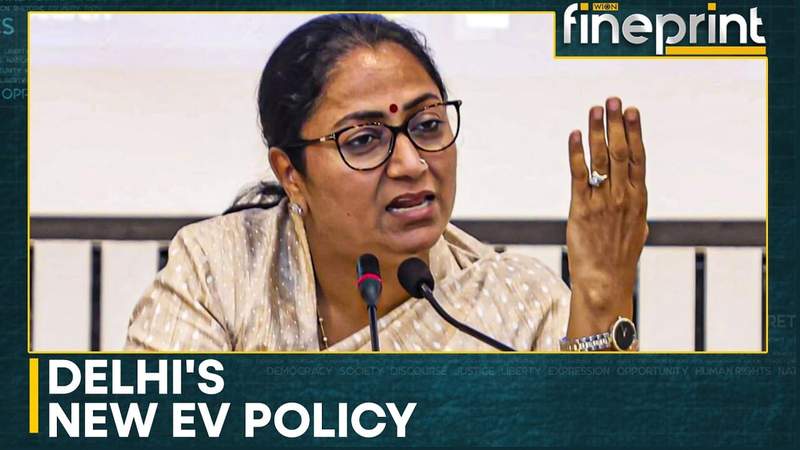
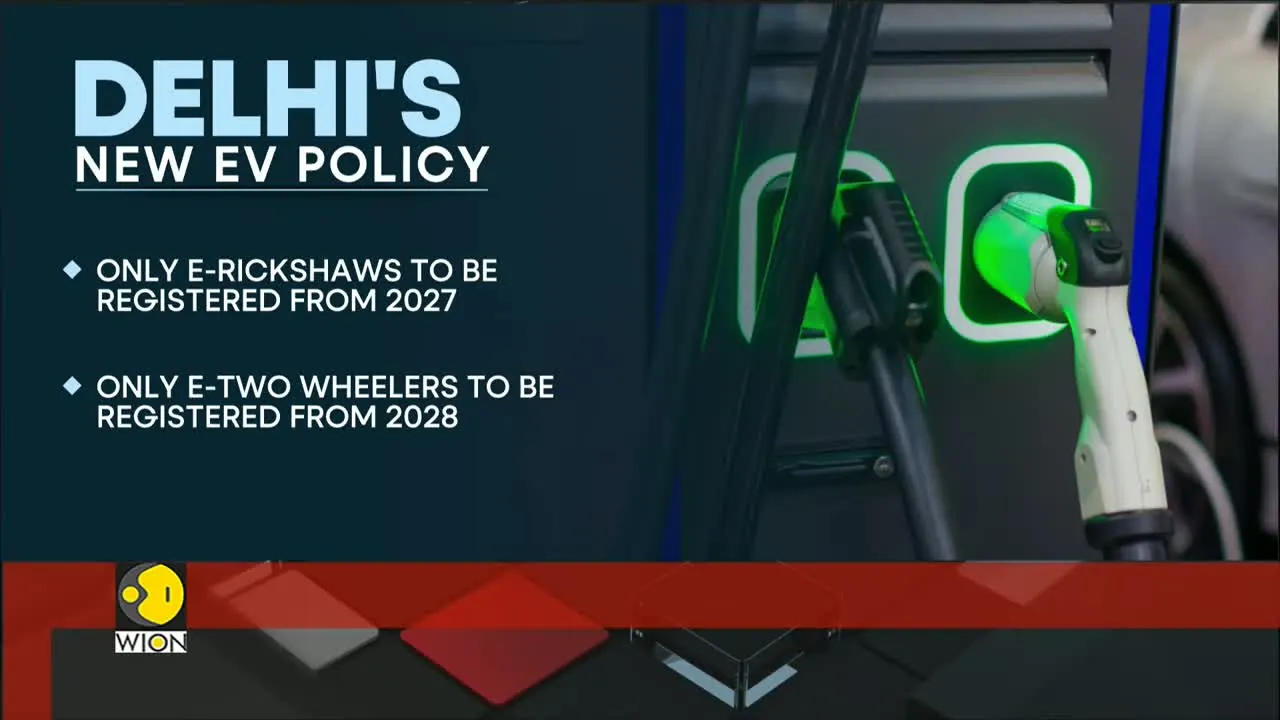
India’s Delhi has approved a sweeping new electric vehicle policy that will
00:00:23
Transcript cue
the policy, only electric auto rickshaws
00:00:44
Transcript cue
fully electric. Under the first year of Delhi’s new EV policy, buyers of
Key moments from the video
What the footage reveals
Key data
Numbers that put the topic in perspective
Most major economies have announced electrification targets for 2030-2040, ranging from 30% to 100% of new car sales.
Government support for EVs continues to grow, shifting from purchase subsidies toward infrastructure and manufacturing incentives.
Multiple jurisdictions have set legally binding ZEV targets requiring automakers to sell a minimum share of zero-emission vehicles.
IEA data shows that markets with comprehensive EV policies see adoption rates 2-3 times higher than comparable markets without them.
Analysis
Breaking down what this means
What the policy actually changes
New EV policies typically operate through several levers: purchase subsidies that lower the upfront cost, tax exemptions on registration and road use, and infrastructure mandates that accelerate charging network expansion. The most effective policies combine short-term incentives with long-term regulatory certainty.
Market impact and adoption rates
Policy-driven markets see faster EV adoption, but the effect is not uniform. Well-designed policies in China, Norway, and now India’s major cities have shown that combining purchase incentives with charging infrastructure investment can shift consumer behavior within 2-3 years. The key is sustained commitment rather than one-off measures.
Challenges in implementation
Even well-intentioned policies face implementation hurdles: grid capacity for charging, public awareness, dealer readiness, and coordination between national and local governments. The difference between a policy announcement and its real-world impact often comes down to execution quality.
Comparison
How the options stack up
| Factor | Detail |
|---|---|
| Purchase subsidies | Directly reduce upfront EV cost, accelerating adoption. |
| Charging mandates | Ensures infrastructure keeps pace with EV sales growth. |
| ZEV mandates | Provides long-term regulatory certainty for automakers. |
FAQ
Common questions
How do EV subsidies affect purchase decisions?
Purchase subsidies directly reduce the upfront cost of EVs, which remains the biggest barrier for most buyers. Combined with lower running costs and tax benefits, subsidies can make EV total cost of ownership competitive with ICE vehicles within 3-4 years.
Which policy approach is most effective?
The most successful markets combine purchase incentives, charging infrastructure investment, and regulatory measures like zero-emission vehicle mandates. China and Norway demonstrate that comprehensive policies work better than single-instrument approaches.
Do EV policies survive changes in government?
Policy continuity varies by country. Markets with broad political consensus on electrification tend to maintain stable policies. Where EV policy is tied to a single administration, uncertainty can slow investment and consumer confidence.
Sources