No products in the cart.

Charging infrastructure remains one of the most critical factors in EV adoption. This video highlights the current state of charging networks, the technology improvements underway, and what still needs to happen for charging to match the convenience of refueling a gasoline car.
Video highlights
What the video shows
00:00:02
Transcript cue
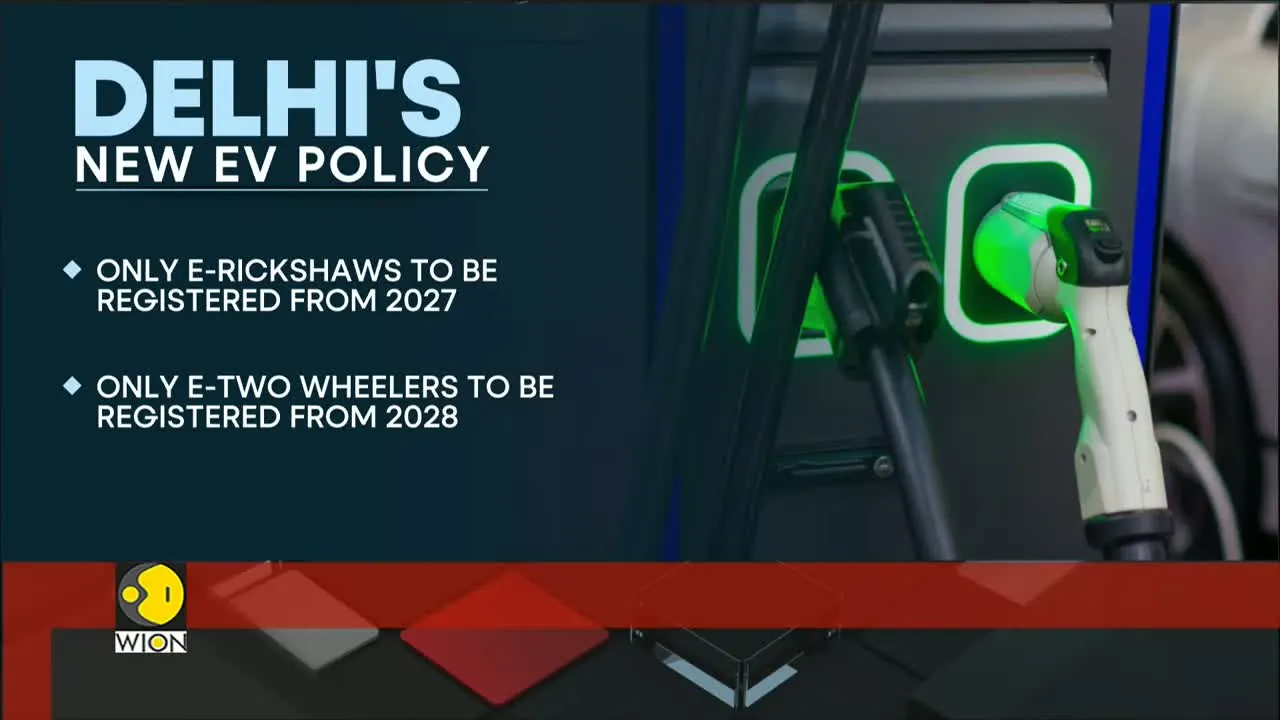
India’s Delhi has approved a sweeping new electric vehicle policy that will
00:00:23
Transcript cue
the policy, only electric auto rickshaws
00:00:44
Transcript cue
fully electric. Under the first year of Delhi’s new EV policy, buyers of
Key moments from the video
What the footage reveals
Key data
Numbers that put the topic in perspective
IEA data shows public charging infrastructure continues to expand rapidly, led by China.
New-generation chargers can deliver ultra-fast charging for compatible EVs.
Home charging remains the primary charging method for EV owners with dedicated parking.
Global public charging deployment has roughly doubled annually since 2022.
Analysis
Breaking down what this means
Network expansion
The number of public charging stations continues to grow, but distribution remains uneven. Urban areas and highway corridors are well served in many regions, while rural and apartment-dwelling EV owners still face challenges.
Charging speed technology
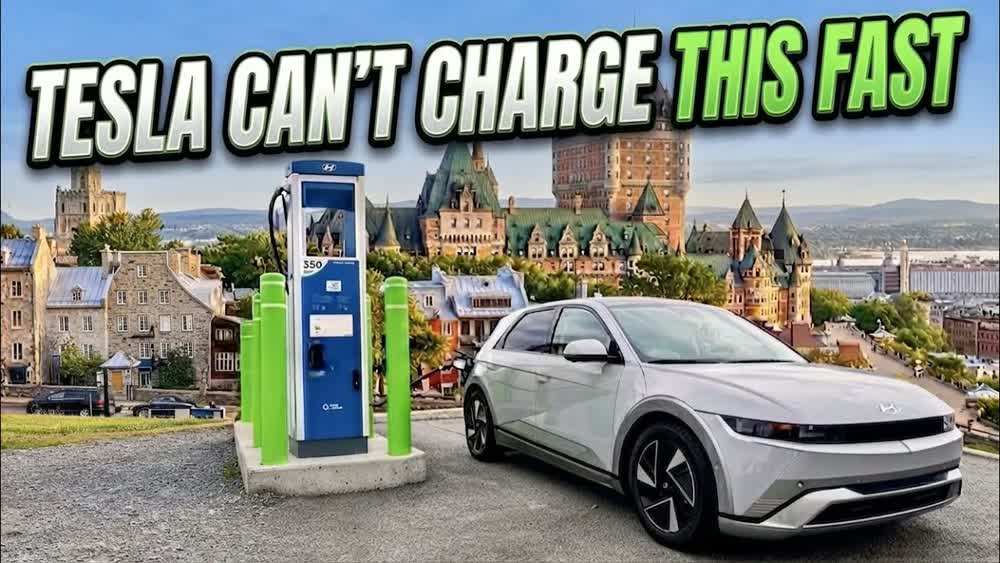
New generations of chargers are pushing past 350 kW, enabling add-100-miles-in-10-minutes speeds. However, not all EVs can accept these rates, and grid capacity remains a constraint in some locations.
Standards and compatibility
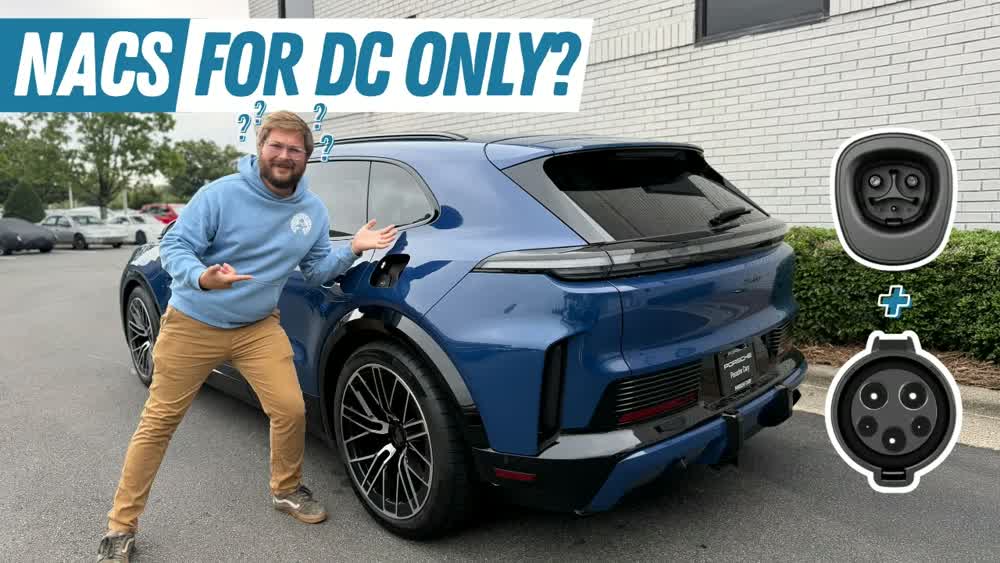
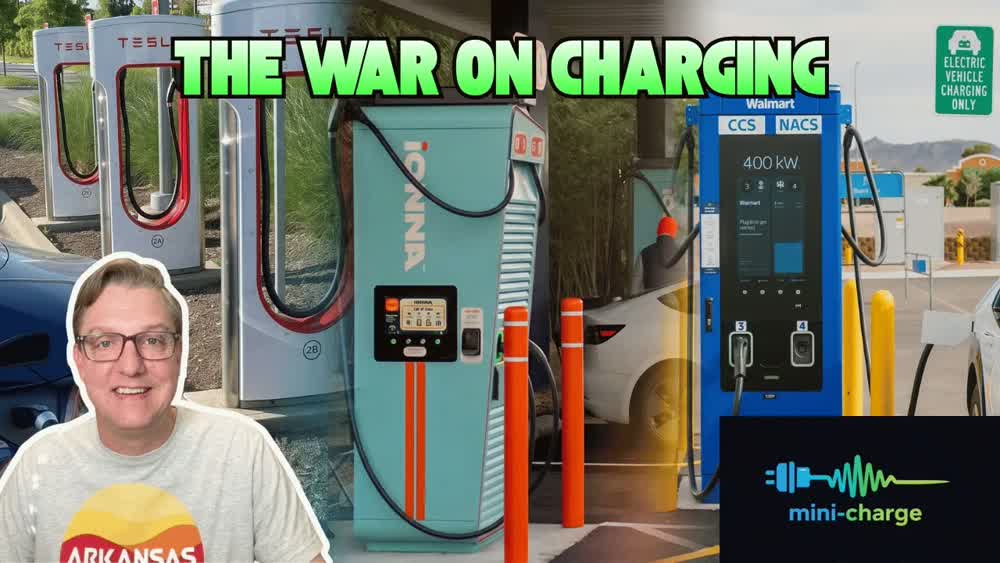
The industry is converging around the NACS connector standard in North America and CCS in Europe and other markets. Standardization reduces confusion and simplifies charging for EV owners across networks.
Comparison
How the options stack up
| Factor | Detail |
|---|---|
| Home charging | Convenient, overnight, lowest cost per kWh. |
| Public AC charging | Widely available at workplaces and destinations. |
| DC fast charging | Adds significant range in under 30 minutes. |
FAQ
Common questions
How fast is EV charging improving?
Charging speeds have improved dramatically. New 350 kW+ chargers can add significant range in under 15 minutes, though real-world speeds depend on the vehicle, battery temperature, and charger availability.
Is the charging network keeping up with EV sales?
Public charger deployment has accelerated, but it varies by region. Leading markets like China and Europe have strong coverage, while other regions are still catching up. Home charging remains the primary method for most EV owners.
What is the biggest remaining challenge for charging?
Reliability and convenience. Chargers that are out of service, incompatible connectors, and payment system friction all reduce the user experience. The industry is working on standards and reliability improvements.
Sources