Auto Tariffs and Trump’s Trade War
The automotive sector is currently caught in a whirlwind of uncertainty regarding tariffs, with President Trump indicating that auto tariffs are still very much on the table. Just when it seemed the industry might receive a reprieve from the looming tariffs set to take effect on April 2nd, Trump clarified that these tariffs will not be entirely lifted. Instead, they will be implemented in conjunction with a new set of “reciprocal” tariffs that may offer exemptions to certain trading partners.
Trump’s recent statements have left many automakers, including industry giants like Toyota, in a state of confusion. They are left wondering how these tariffs will affect their operations, especially considering the complex global supply chains involved in automotive manufacturing. Even if direct tariffs on imports are avoided, the costs associated with sourcing components internationally may still rise, leading to increased prices for consumers.
The automotive industry, which thrives on free trade and just-in-time manufacturing, is now facing an unpredictable environment. As the situation develops, many in the industry are left with more questions than answers, making it a challenging time for manufacturers and consumers alike.
FBI Warns of Vandalism Against Tesla
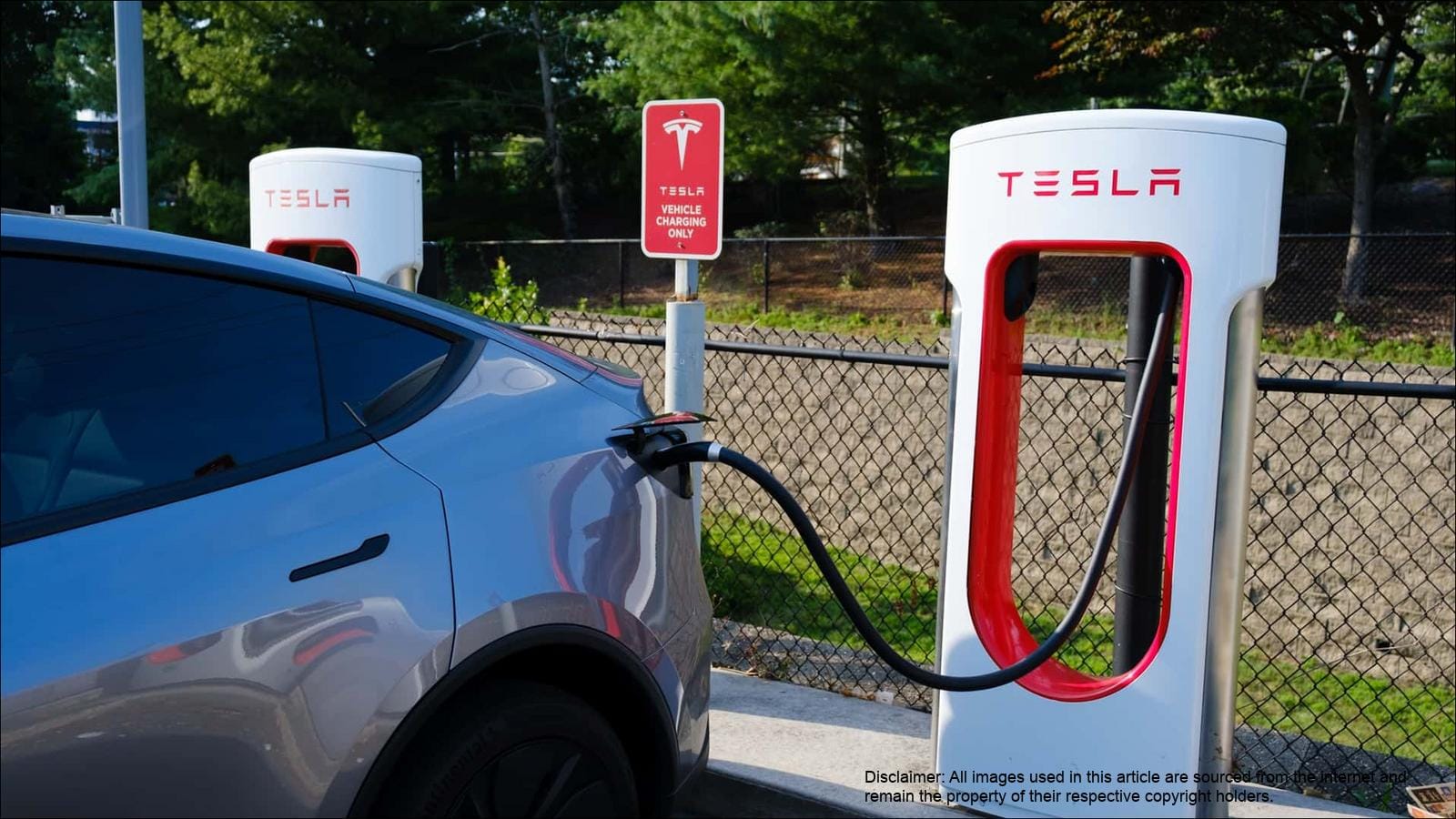
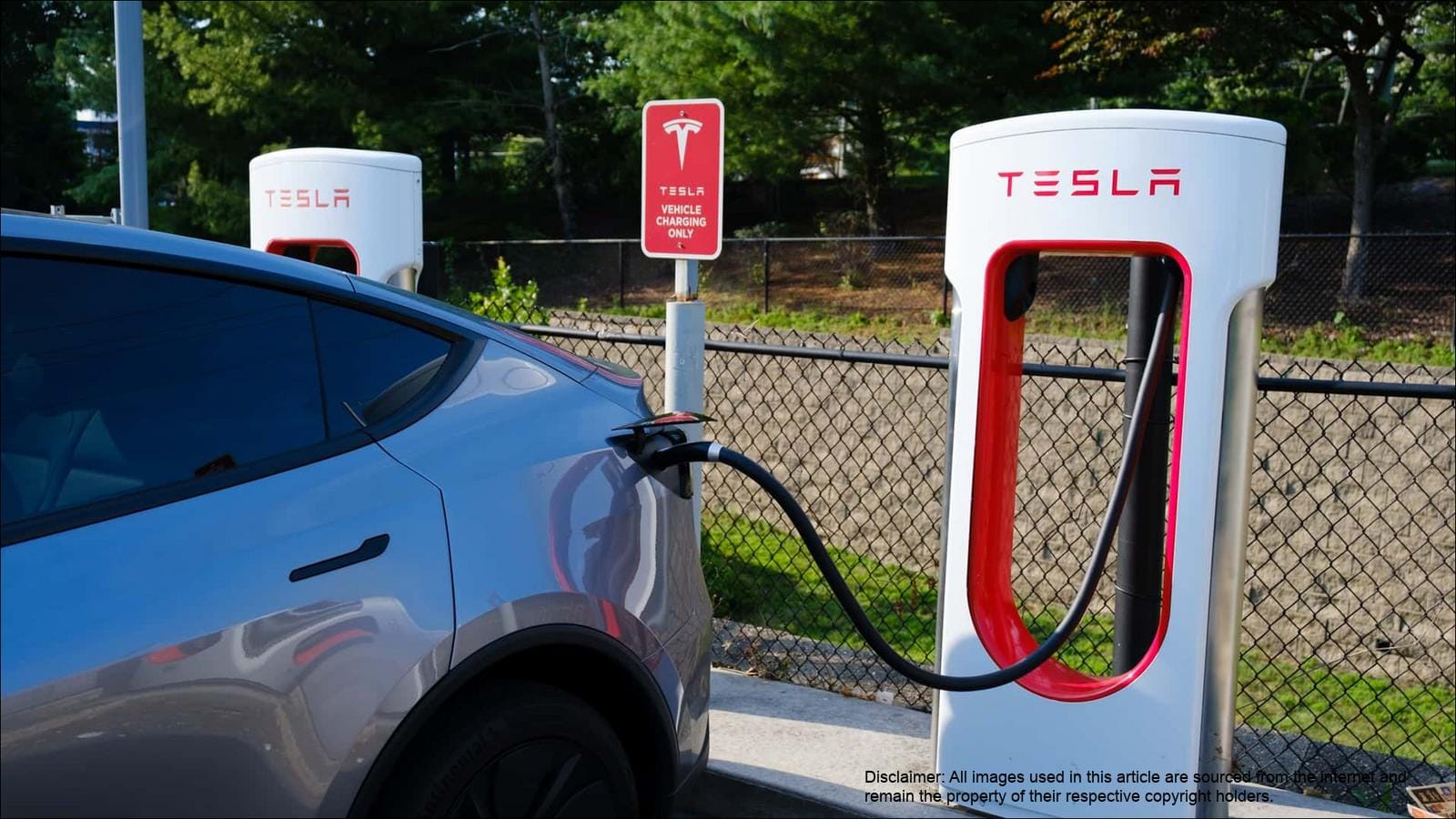
Tesla is currently facing a troubling wave of vandalism and violence against its vehicles and dealerships. The FBI has issued a security bulletin alerting the public to a series of incidents involving arson, gunfire, and vandalism targeting Tesla properties across multiple states. This alarming trend has been linked to the political climate surrounding the company and its CEO, Elon Musk, whose political engagements have polarized public opinion.
The FBI’s bulletin highlighted that these attacks appear to be perpetrated by individuals acting alone, often using rudimentary methods. The motivations behind these acts seem to stem from a mix of political grievances and anti-Tesla sentiment among certain groups. As a result, Tesla owners and dealerships are being urged to remain vigilant and report any suspicious activity.
This situation marks a significant shift in the public perception of Tesla, transforming it from a brand associated with innovation and sustainability to one embroiled in political controversy. The fallout has also affected Tesla’s trade-in market, with many current owners opting to sell their vehicles, further complicating the company’s standing in the automotive landscape.
Tesla Halts FSD Rollout in China
In another setback, Tesla has paused its Full Self-Driving (FSD) software rollout in China, a crucial market for the company. The decision to halt the deployment comes amid regulatory scrutiny and potential compliance issues with new Chinese laws governing over-the-air software updates. While Tesla initially aimed to launch its FSD features following regulatory approval, recent events have prompted the company to reconsider its timeline.
The pause has raised questions about the readiness of the software, especially after reports of the FSD system failing to adhere to local traffic laws during testing. CEO Elon Musk has previously acknowledged the challenges of training the FSD model within the constraints of Chinese regulations, which limit data transfer and complicate the development process.
As Tesla navigates this complex regulatory environment, the future of its FSD technology in China remains uncertain, impacting both consumer confidence and the company’s growth prospects in one of its most significant markets.
Future of Traded-In Teslas
With the surge in Tesla trade-ins, many are left wondering about the fate of these vehicles. As supply outstrips demand, the resale values of used Teslas are plummeting, creating a challenging scenario for dealerships. The question arises: how will dealers handle the influx of traded-in Teslas? Options may include selling at a loss, sending vehicles to auction, or holding onto them in hopes of future price recovery.
The ongoing political involvement of Elon Musk and the resulting backlash from certain consumer segments may prolong this situation. As the market adjusts, potential buyers may benefit from lower prices, but dealers face tough decisions regarding inventory management.
The future of the used Tesla market is uncertain, but it will undoubtedly be influenced by broader economic conditions, consumer sentiment, and the ongoing political landscape surrounding the brand.
Frequently Asked Questions
▶ What are the benefits of electric vehicles over gasoline cars?
Electric vehicles produce no tailpipe emissions, making them environmentally friendly. They also tend to have lower operating costs due to reduced fuel and maintenance expenses.
▶ How can I find EV chargers in California?
You can locate EV chargers using various mobile apps and websites that provide real-time information about charging station locations, availability, and types of chargers.
▶ What is the difference between Level 2 chargers and DC fast chargers?
Level 2 chargers are slower and typically used for home charging, while DC fast chargers provide a rapid charging option, making them ideal for long trips or quick top-ups.