No products in the cart.
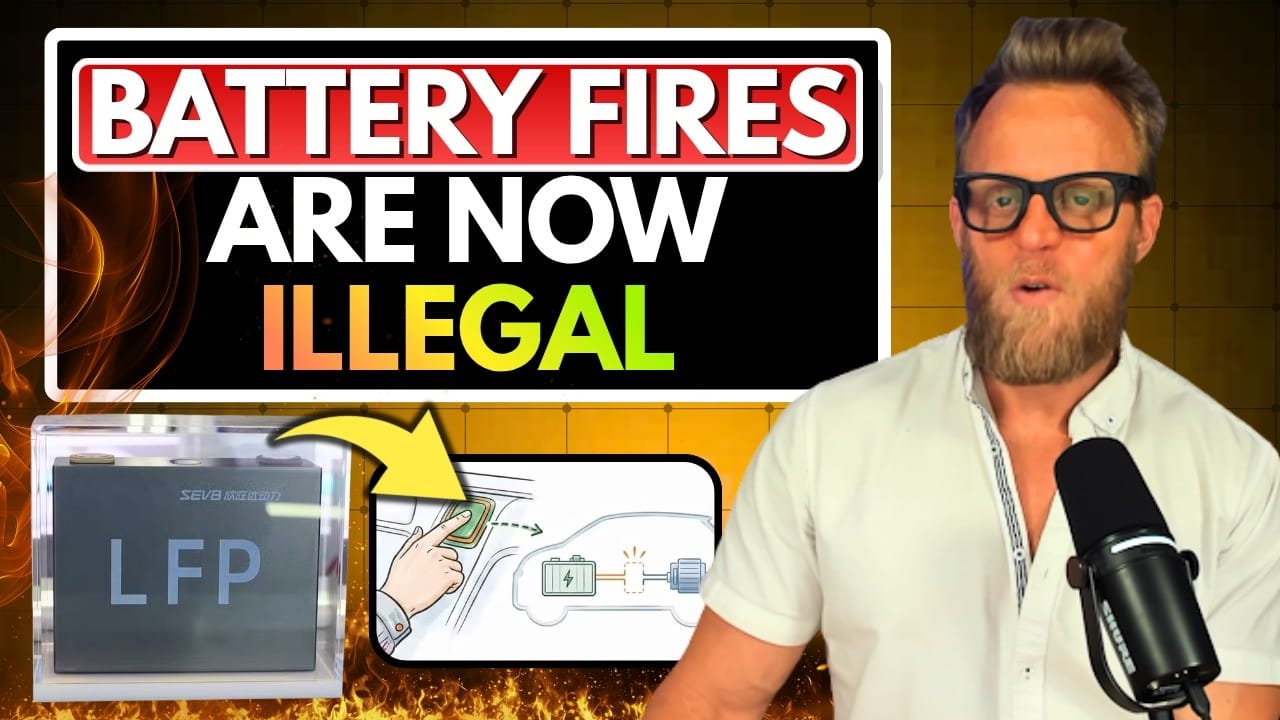
On July 1, 2026, China’s new mandatory national safety standards for EV traction batteries took effect ? arguably the toughest battery safety regulations anywhere in the world. The core requirement: after thermal runaway in a single cell, the battery pack must not catch fire or explode. The Electric Viking breaks down why this matters more than most people realize.
The Fundamental Shift in Safety Philosophy
Under the old rules, a battery was allowed to catch fire or explode after thermal runaway ? as long as occupants received at least 5 minutes of warning to evacuate. The philosophy was: “if something goes wrong, give people time to get out.” The new rules say: stop the fire from happening in the first place.
July 1, 2026New Standards Effective
5 minOld Rule: Warning Time
0 firesNew Rule: No Fire Allowed
$440-736Estimated Cost Increase
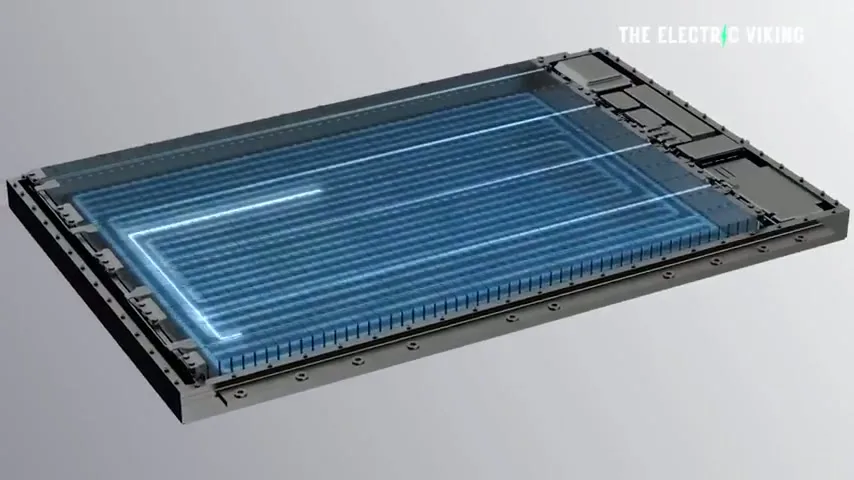
This is a profoundly different approach. Thermal runaway ? where one battery cell overheats uncontrollably due to internal damage, a manufacturing defect, crash impact, or overcharging ? has been the central safety challenge of lithium-ion batteries. The danger is that heat from one cell spreads to neighbors, cascading through the entire pack. China’s new rule demands that the system be designed so propagation does not lead to fire or explosion.
Two New Real-World Tests
1. Bottom Impact Test
This test directly addresses a common real-world scenario: the battery pack sits under most EVs. Road debris, scraping curbs, running over rocks, or bottoming out can damage the battery enclosure. Under the new rules, the pack must survive such impacts without entering thermal runaway. This matters enormously for EV owners who drive on imperfect roads ? which is most of them.

2. Long-Term Fast Charging Cycle Test
China is now the global leader in ultra-fast charging ? cars are being demonstrated charging at 1,090 kW. Repeatedly pumping massive energy into a battery at high speeds creates thermal stress. The new standards require that batteries withstand sustained high-speed charging without degradation in safety performance. This effectively mandates advanced thermal management systems as a baseline requirement.
The Independent HV Cutoff Mandate
Another major change: every EV must now have an independent, physical one-touch high-voltage power cutoff device. Previously, HV shutoff could rely on software commands through the vehicle’s control system. But in a severe crash, the main control system could be damaged, rendering the software pathway useless. Under the new rule, the driver must be able to cut the high-voltage circuit within 1 second using hardware that operates independently of the main vehicle software.
Market Implications
According to estimates cited by China Auto News, meeting the new rules could increase battery system costs by approximately $440 to $736 per battery pack. That is modest on a premium EV but significant on a low-cost model.
| Player | Position | Impact |
|---|---|---|
| CATL | Best positioned | Mass-produced no-thermal-propagation tech since 2020 |
| EVE Energy | Strong | No-fire LFP/NMC systems achieved in 2022 |
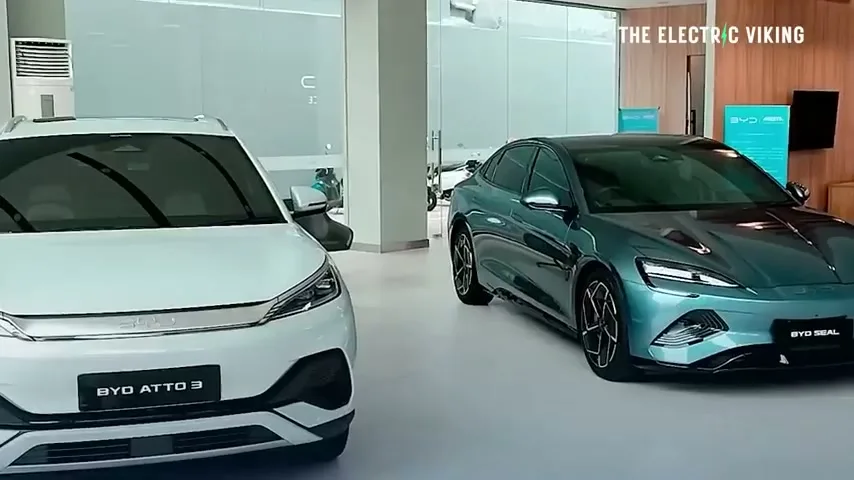
| BYD | Well positioned | Blade battery already passes bottom impact test |
| Small battery makers | At risk | Must redesign packs, thermal mgmt, BMS ? some won’t survive |
| LFP chemistry | Beneficiary | Already more thermally stable than NMC |
The winners are the companies that invested early in battery safety. CATL reportedly mass-produced its first-generation no-thermal-propagation battery technology in 2020 ? six years before it became mandatory. EVE Energy’s LFP and NMC systems had already achieved no-fire performance in 2022. For the leading players, this regulation is not a burden ? it is a competitive moat.
For smaller battery manufacturers, cheap pack assemblers, and companies using lower-quality cells, the impact will be brutal. They must redesign packs, improve thermal management, upgrade BMS, use better materials, and spend more on testing. Some will not survive. That is likely by design ? China’s EV market has become incredibly competitive with too many brands and too much capacity. These rules raise the floor and accelerate consolidation.
What This Means for the Global EV Industry
China is the world’s largest EV market. Any automaker selling EVs in China must meet these standards. Since many Chinese battery suppliers export globally, the safety enhancements will likely ripple through the worldwide supply chain. Western regulators have been slower to mandate equivalent safety standards ? but China’s move creates pressure for adoption elsewhere.
The regulation also reinforces LFP’s market position. LFP chemistry is already more thermally stable than nickel-rich NMC. Meeting the no-fire mandate is easier and cheaper with LFP, giving it a further cost advantage. This accelerates the global shift toward iron-based batteries.
FAQ
Will these rules apply to imported EVs in China?
Yes ? any EV sold in China, regardless of country of origin, must comply with the national mandatory safety standards. Imported vehicles must pass the same bottom impact and fast-charging cycle tests.
How much will battery costs increase?
Estimated at $440-$736 per pack ($34-56/kWh for a typical 60-80 kWh pack). This is manageable for premium EVs but significant for low-cost models under $25,000.
Will Europe or the US adopt similar rules?
No equivalent regulations exist yet in the US or EU, but China’s move raises the global safety baseline. Automakers that sell globally will likely apply China-grade safety to their entire fleet rather than maintain separate designs.