No products in the cart.
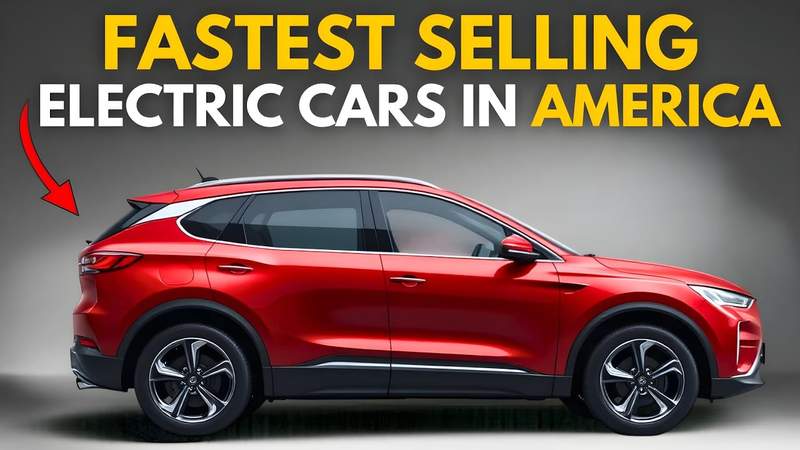
The US EV market in the first half of 2026 tells a story of rapid change. Nine models are moving off dealer lots faster than anything else, with surprising newcomers like the Lexus RZ doubling sales year-over-year and established players like the Cadillac Lyriq proving American luxury can compete in the electric age.
The Fastest Movers: A Market in Transition
7,500Cadillac Lyriq H1 Sales
7,800Lexus RZ H1 Sales
+100%Lexus RZ YoY Growth
4.9%Cadillac EV Market Share
The Cadillac Lyriq has proven that American luxury can compete in the electric age, moving 7,500 units in the first half of 2026. Starting at $59,000 with over 300 miles of EPA range, the Lyriq delivers the road authority that buyers in this segment demand. GM’s Ultium platform provides smooth, composed ride quality with the quiet isolation Cadillac has delivered for decades. Sales did decline 18% year-over-year ? partly because new Cadillac Optiq and Vistiq models are now sharing the brand’s EV buyers across a broader lineup.
The Lexus RZ is the surprise of the list. With 7,800 units sold, it doubled its sales from the same period last year, making it the fastest-growing EV by percentage on the entire top 10 chart. That kind of year-over-year doubling doesn’t happen by accident ? it reflects real market demand for Lexus build quality in an EV package.
The Broader Picture: EV Market Share Stabilizes
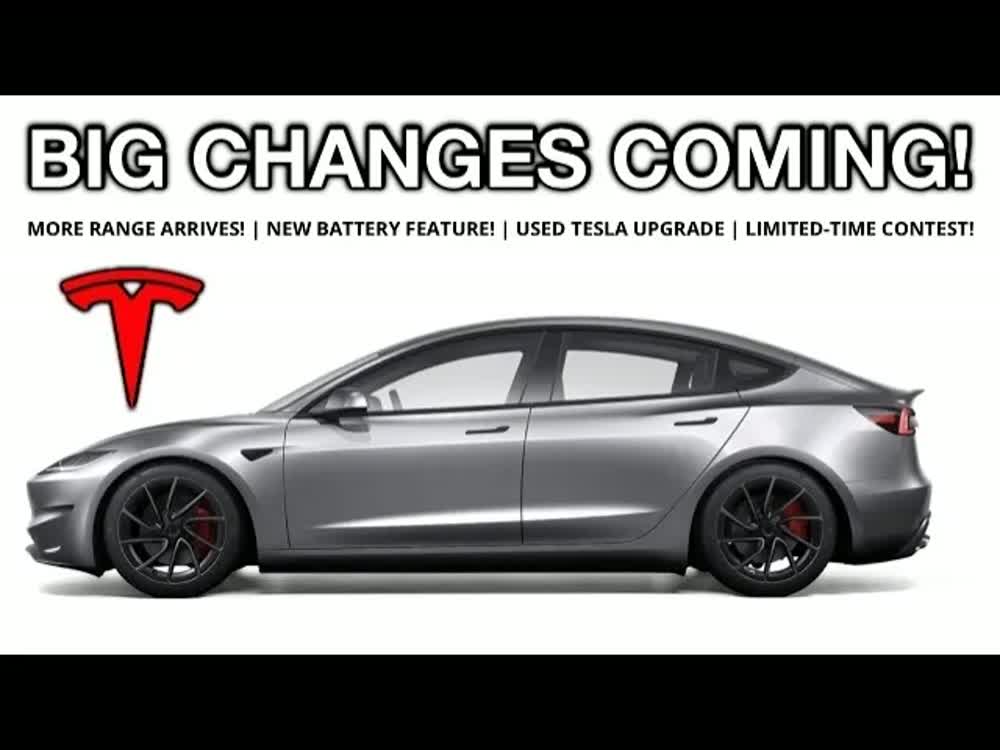
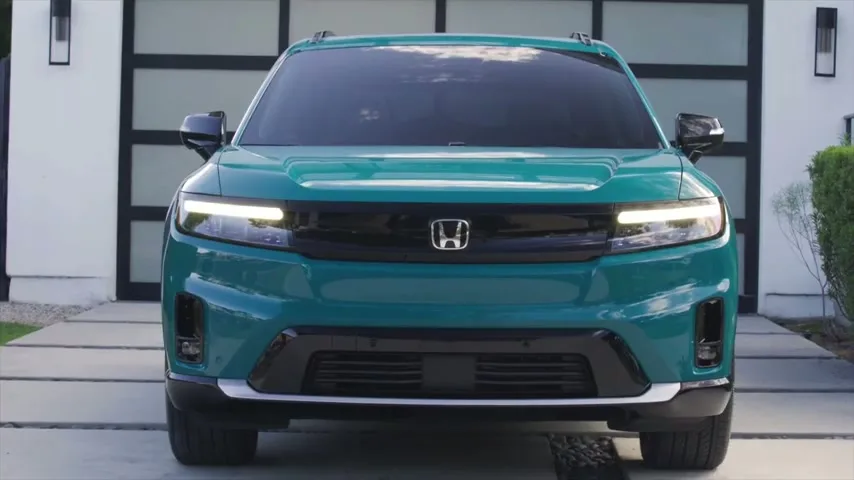
The US EV market accounted for approximately 5.8% of total new vehicle sales in Q2 2026, roughly flat with Q1 but showing signs of stabilization after federal subsidies ended in September 2025. Tesla Model Y remained the top seller at 84,863 units in Q2. New entries from Subaru and Toyota helped broaden the market and slow the overall decline.
| Rank | Model | H1 2026 Sales | Trend |
|---|---|---|---|
| 1 | Tesla Model Y | ~170,000 | Market leader |
| 2 | Tesla Model 3 | ~85,000 | Stable |
| 3 | Ford Mustang Mach-E | ~25,000 | Growing |
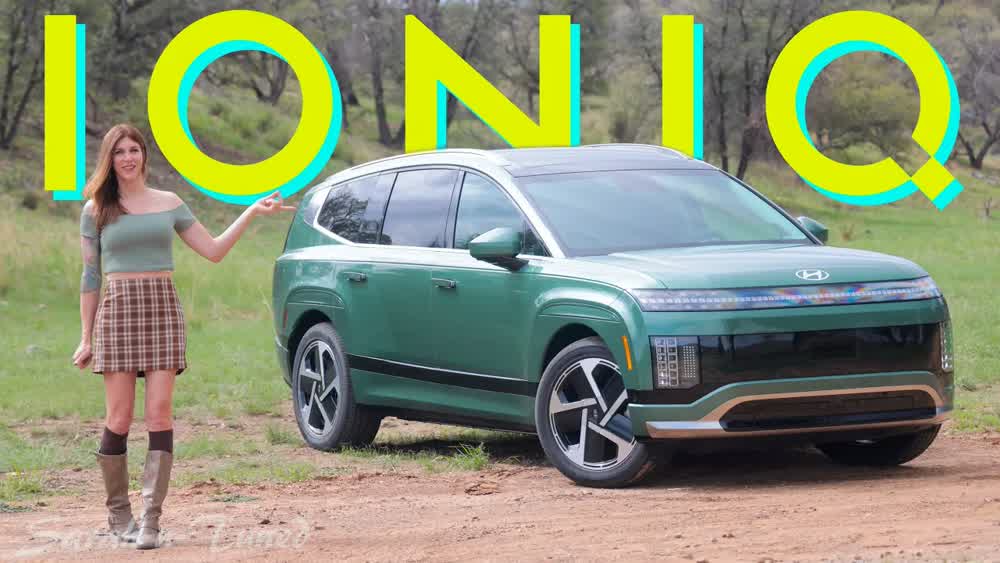
| 4 | Hyundai Ioniq 5 | ~22,000 | Strong |
| 5 | Chevrolet Equinox EV | ~18,000 | Ramping |
| 6 | Cadillac Lyriq | 7,500 | Luxury leader |
| 7 | Lexus RZ | 7,800 | Fastest growing |
For EV charging infrastructure providers, this sales data validates that the US market is expanding even without federal subsidies. Each new EV sold represents future charging demand ? and the growth of non-Tesla brands means more vehicles relying on public CCS/NACS networks.
FAQ
Which EV is selling fastest in America right now?
The Lexus RZ posted the fastest year-over-year growth at over 100%, while the Tesla Model Y remains the absolute volume leader at approximately 170,000 units in H1 2026.
Are EV sales growing or declining in 2026?
US EV sales stabilized in Q2 2026 after the post-subsidy drop. Q2 was up 14.7% from Q1 but down 20.5% from the inflated Q2 2025 when federal credits were still available.
Sources & Further Reading