Toyota Just Made a BYD Deal That Reshapes the 2026 EV Supply Chain
Toyota and BYD have deepened a relationship that should make every legacy automaker nervous. The two already run a 50:50 joint venture — BYD Toyota EV Technology (BTET) — and the latest collaboration puts BYD’s battery and platform know-how inside vehicles wearing a Toyota badge. For US buyers, this isn’t just a China story; it’s a preview of how Toyota plans to close its EV gap without betting everything on in-house tech.
Tech In Check breaks down what the deal actually covers and why it matters beyond one model.
What the Partnership Actually Covers
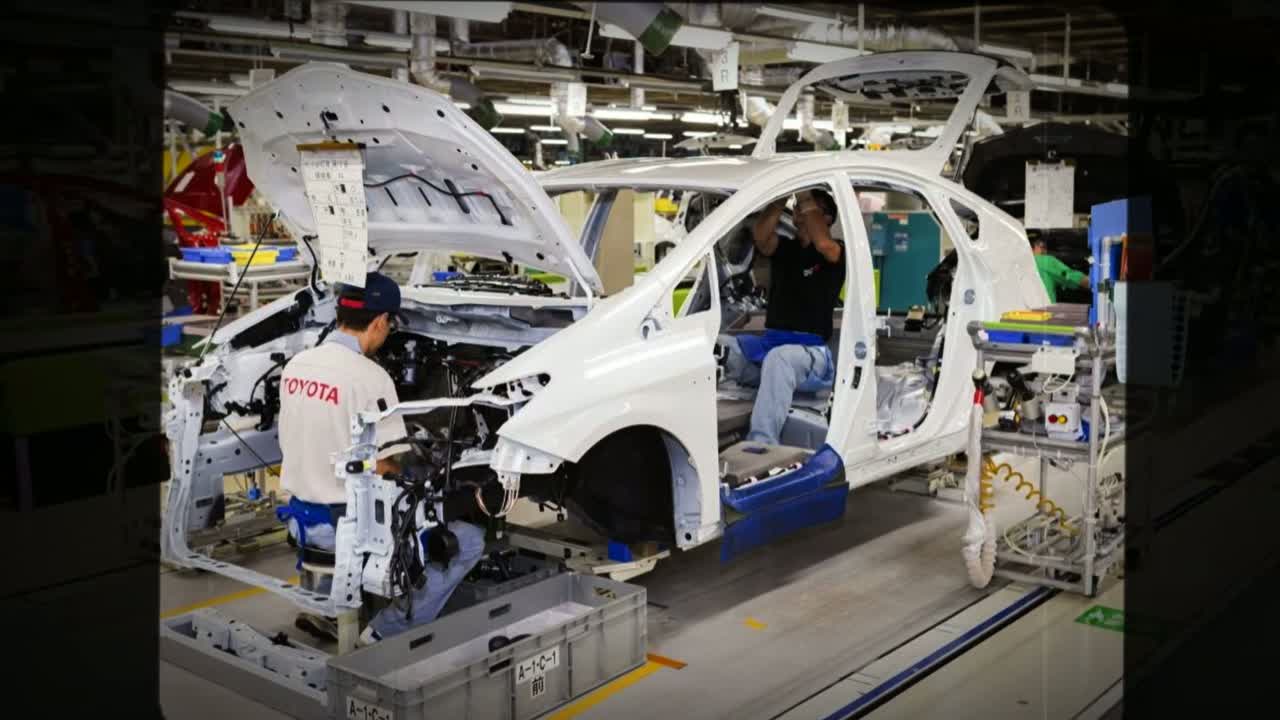
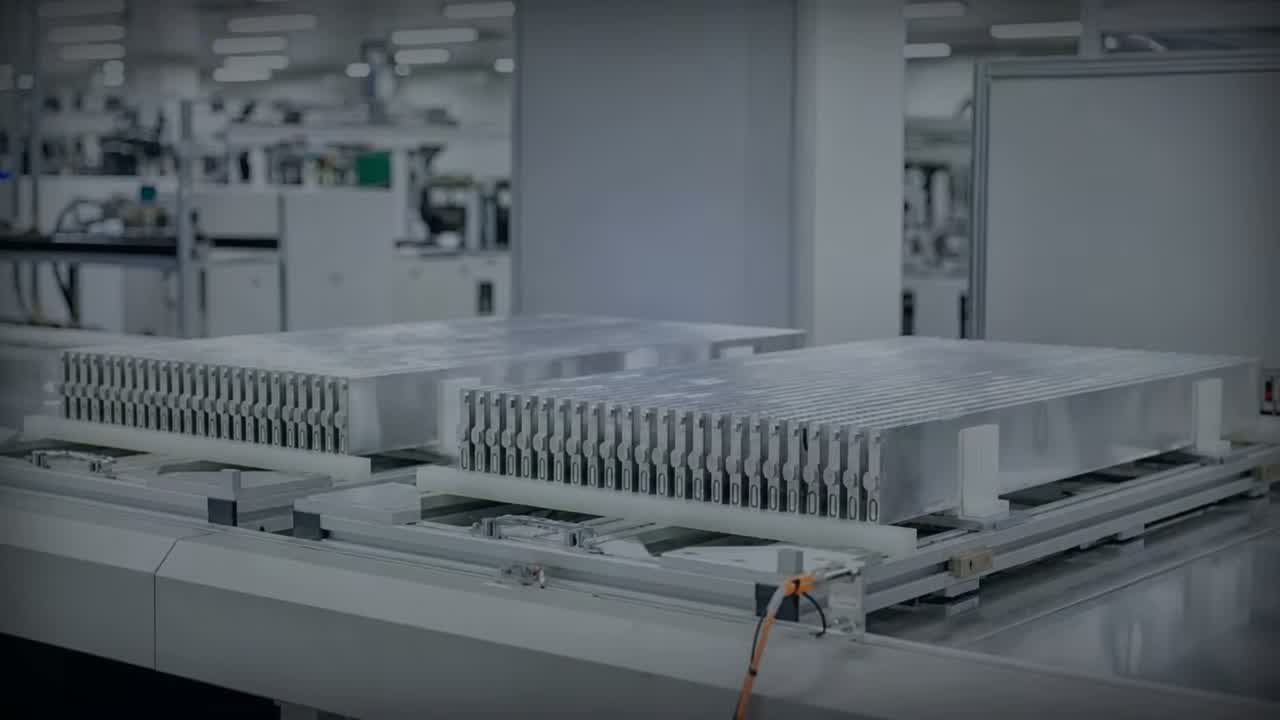
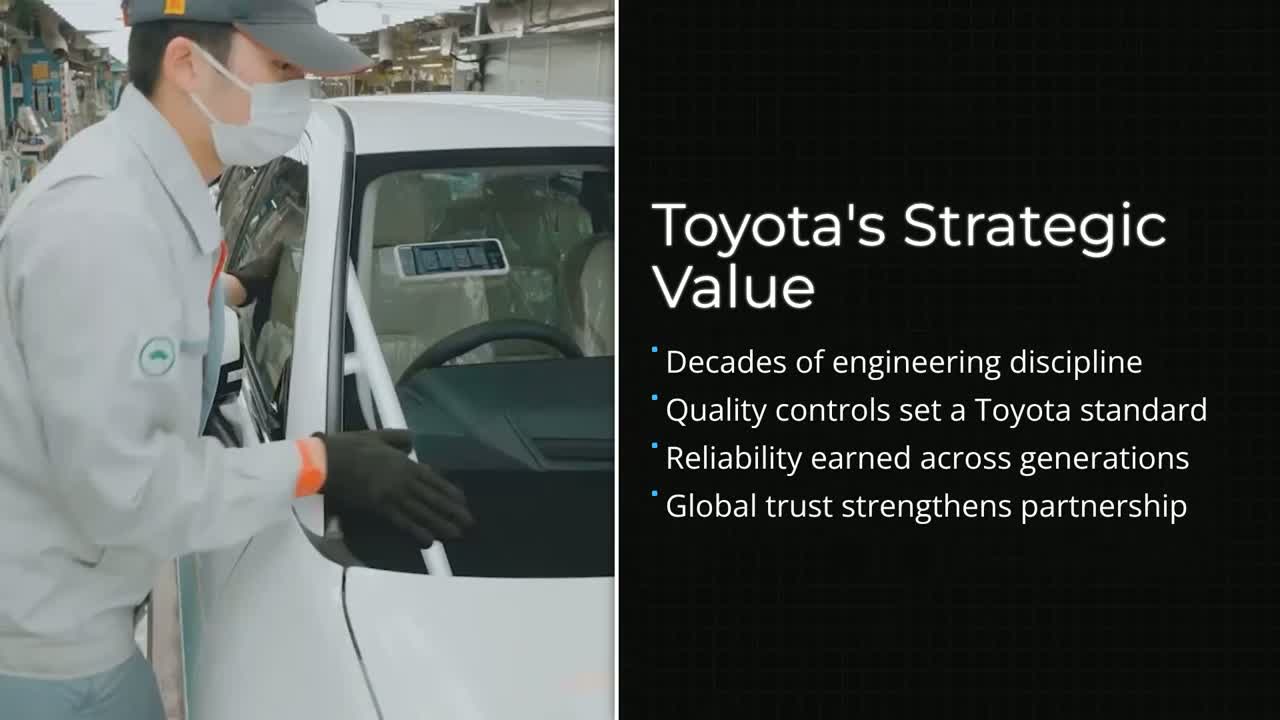
The BTET joint venture is the engine here. BYD brings its blade LFP battery chemistry and electrified platform experience; Toyota brings manufacturing scale, safety standards, and global distribution. The clearest fruit is the Toyota bZ3, built on BYD-derived architecture.
| Element | What BYD provides | What Toyota provides |
|---|
| Cell chemistry | Blade LFP, ~126 Wh/kg | Pack safety & thermal standards |
| Platform | e-platform underpinnings | Body, chassis, validation |
| Charging | 30–80% in ~27 min | Global charging compliance |
| Market | China-first volume | Export & brand reach |
The bZ3’s CLTC range figures of 517 and 616 km, with a starting price around 109,800 RMB for the 2026 model, show how much cheaper a Toyota-branded EV becomes when BYD supplies the hard parts.

Why Toyota Keeps Its Hybrids In-House
Important nuance: Toyota is not handing BYD its hybrid crown. Toyota’s hybrid systems remain proprietary — it is not adopting BYD’s DM-i plug-in hybrid architecture. The deal is about BEVs and batteries, not the hybrids that still pay Toyota’s bills in the US. That selective borrowing is the smart play: take BYD’s battery lead where it helps, protect the franchises where Toyota leads.
The signal: Toyota is doing what legacy automakers struggle with — using a Chinese partner’s cost structure to compete on price without gutting its own engineering identity. If a Toyota-badged BYD-battery car reaches the US at a sharp price, the “Chinese EV = cheap” narrative stops being only about Chinese brands.
The Competitive Ripple
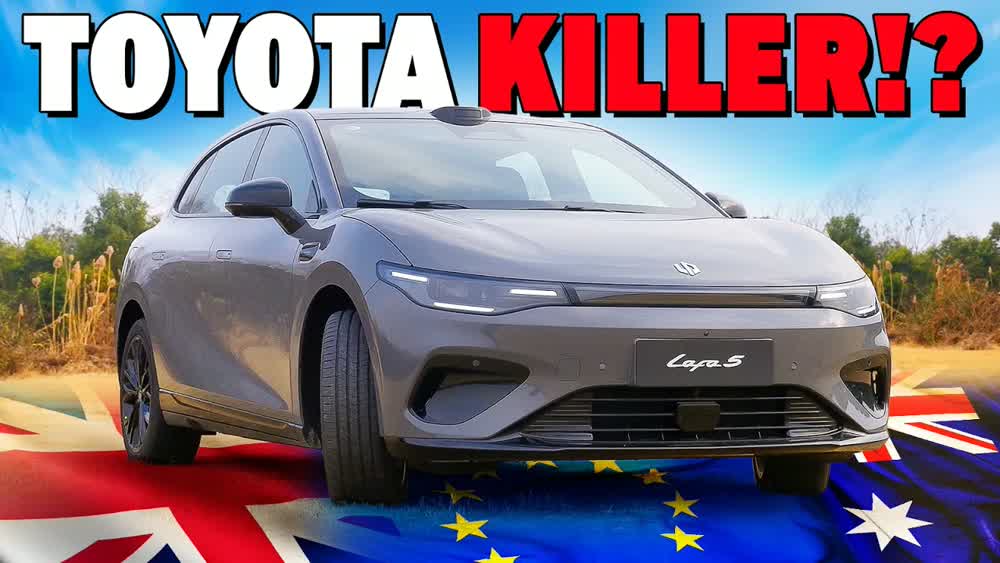
BYD’s momentum isn’t isolated. Leapmotor’s B05 lands in Europe at €27,900 with 160 kW rear-wheel drive, a 67.1 kWh pack, and 0–100 km/h in 6.7 seconds — a direct shot at the affordable EV segment. The Toyota-BYD tie-up is one node in a broader Chinese supply chain that is now feeding global nameplates.
Will a Toyota-BYD car come to the US?
Not immediately. BTET vehicles like the bZ3 are China-market focused, and US tariff and policy headwinds make a direct import unlikely soon. But the battery and cost lessons flow into Toyota’s global EV program, and a future US-market Toyota EV could carry BYD-derived tech.
Does this mean Toyota is behind on EVs?
It means Toyota is pragmatic. Rather than lose years building a BEV cost base from scratch, it partners where BYD is ahead (LFP batteries, affordable platforms) while protecting its hybrid leadership. For buyers, that can mean better-priced Toyotas sooner.
Related reading on EVCUBE
Sources