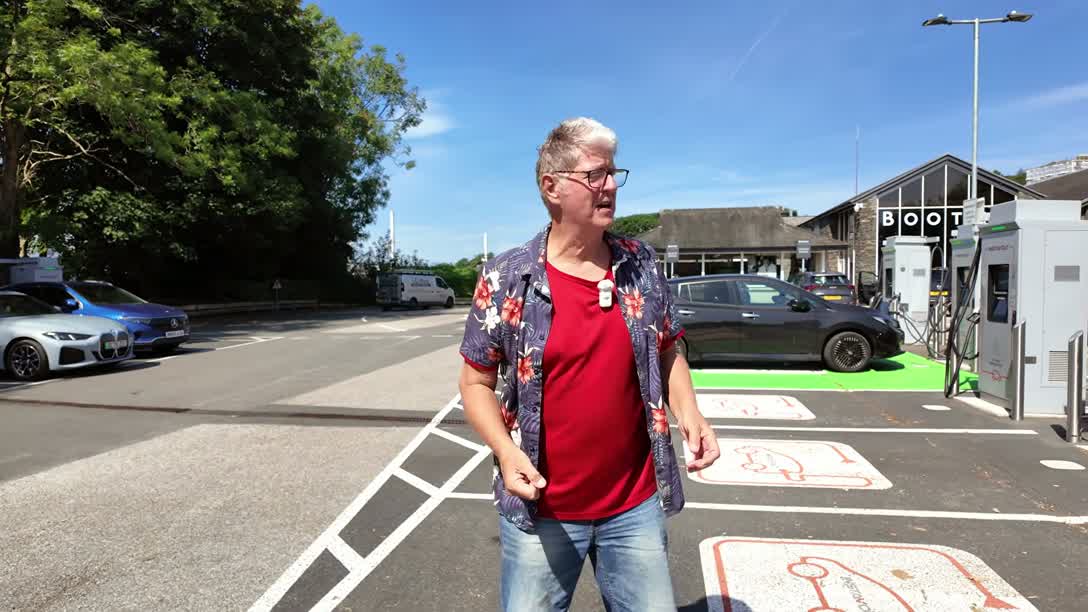
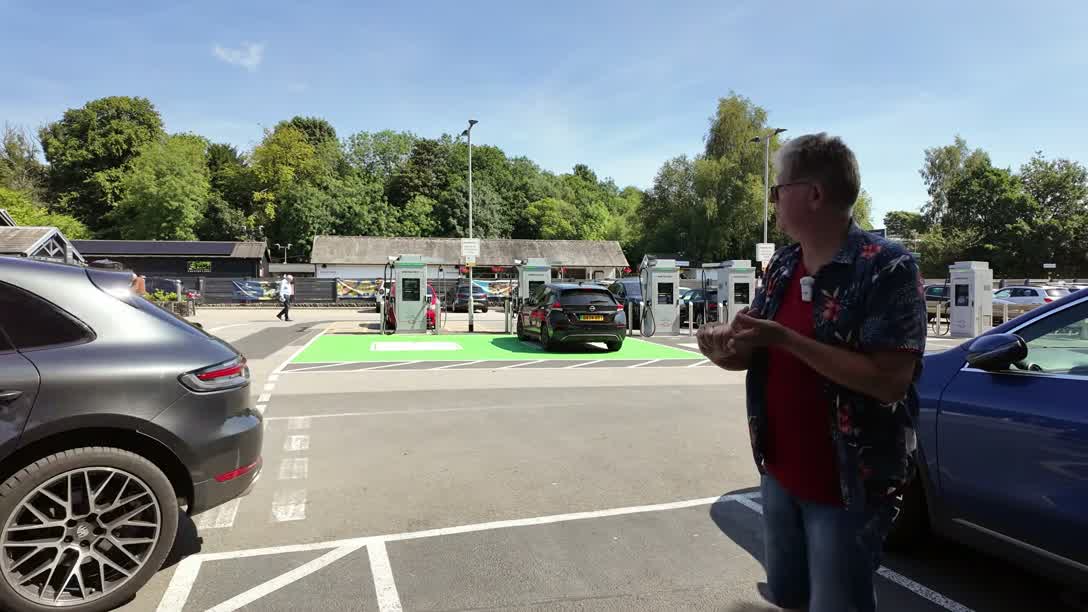
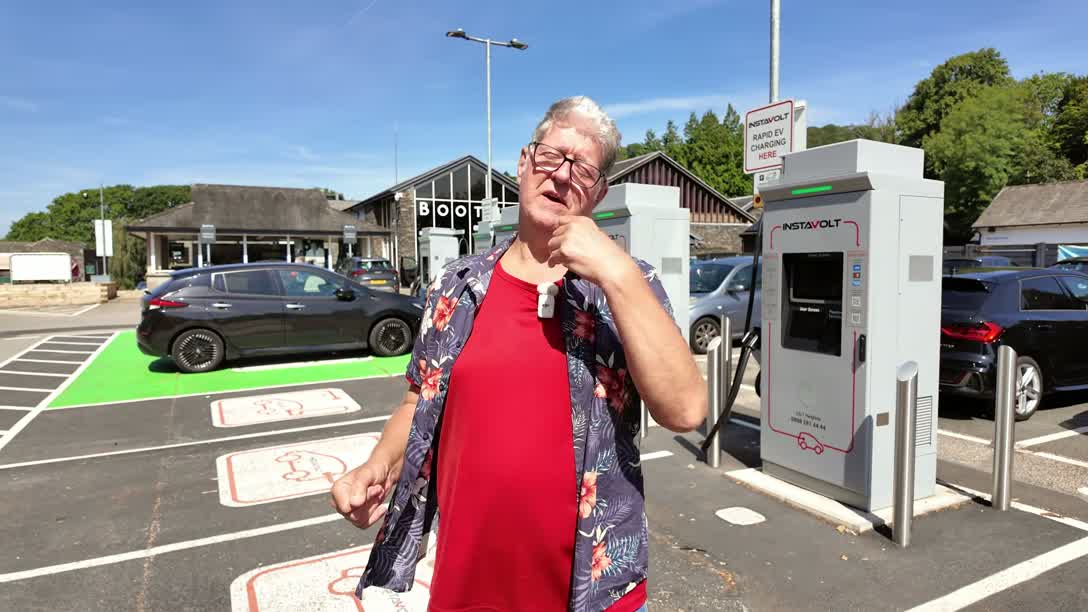
InstaVolt’s Ultra-Premium Chargers Ask a Fair Question About Who Pays for Fast Charging
InstaVolt just opened a new class of charger in the UK — 400 kW+ units with canopy lighting, contactless payment, and a price tag that makes a Tesla Supercharger look like a bargain. The British network isn’t coming to America tomorrow, but the question its pricing raises is one every US driver will face by 2027: when public charging gets fast and pleasant, who actually pays for that experience?
Dave Takes It On walks through one of these sites and the sticker shock is real. At roughly 92 pence per kWh during the day (about $1.15/kWh) and 55 pence at night, InstaVolt’s premium tier is several times the cost of charging at home. That gap is the whole story of public charging economics — and the US is about to live it too.
What InstaVolt Is Actually Selling
InstaVolt built its brand on “no membership, just plug and pay.” The new ultra-premium sites add 400 kW+ power, reliability, and a clean forecourt experience. The trade is price. In the UK, public rapid charging at these sites runs well above the domestic rate, and that premium funds the uptime and the real estate.
For American readers, the parallel is obvious: the US networks that feel premium are the ones spending real money on site power and maintenance. The ones that feel cheap often aren’t — they’re just less reliable.

The US Public Charging Price Map
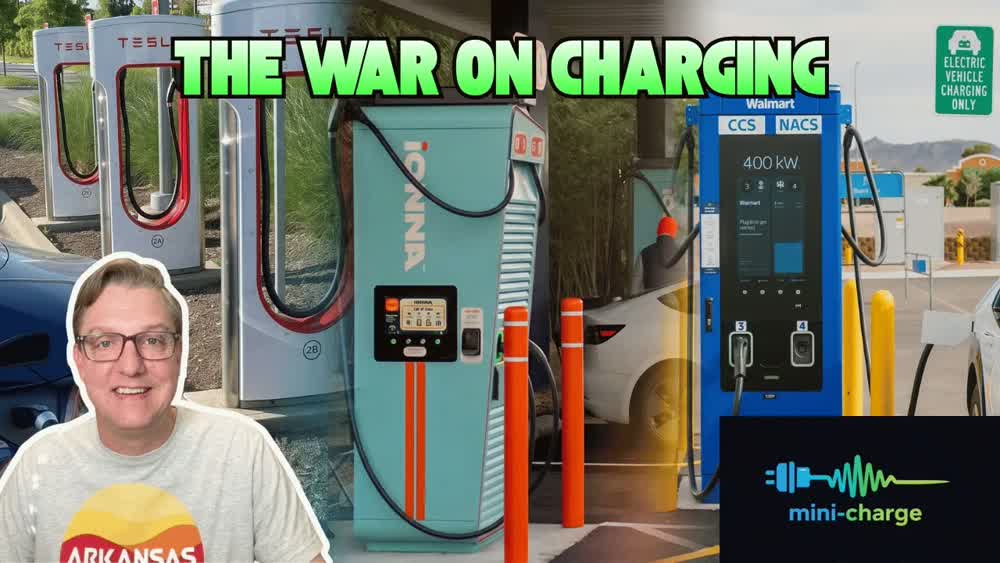
Public charging in the United States already spans a wide band. Here is what drivers actually pay per kWh across the major networks, based on 2026 published rates:
| Network | Typical price / kWh | Peak power | Approx. stall count | Reliability note |
|---|
| Tesla Supercharger (non-member) | $0.25 – $0.50 | 250 – 350 kW (V3/V4) | ~25,000 | ~99% uptime |
| Electrify America | $0.36 – $0.56 | 350 kW | ~4,500 | 80–90% session success |
| EVgo | $0.34 – $0.59 | up to 350 kW | ~3,400 | Urban-focused |
| ChargePoint (owner-set) | varies widely | up to 400 kW | largest by port | Depends on host |
| Home (Level 2) | $0.05 – $0.18 | 7–19 kW | n/a | Cheapest by far |
| InstaVolt UK (premium) | ~$1.15 day / ~$0.69 night | 400 kW+ | regional | High uptime, premium siting |
The spread tells the story: public fast charging in the US costs roughly 3 to 10 times what home charging does. InstaVolt simply pushes the top of that range further.

The signal: Premium public charging is becoming a convenience product, not a commodity. Networks that invest in uptime and site experience will charge more — and drivers who can’t charge at home will pay that premium whether they like it or not. The real US divide in 2026 is between “charge at home for 12 cents” and “pay 45 cents on the road.”
Why the US Gap Is Wider Than It Looks
Three forces push US public prices up. First, site power is expensive: a 400 kW stall needs serious utility interconnect work. Second, credit-card fees and network overhead sit on top of the energy. Third, utilization is still low enough that each session has to carry more of the fixed cost.
InstaVolt’s model works in the UK partly because drivers there rely far more on public charging than US homeowners do. In the US, the math flips: most EV owners charge at home overnight, and public chargers are a road-trip and apartment-dweller product. That means the people who most need public charging are often the ones least able to absorb a $1.15/kWh rate.
What This Means for US Buyers in 2026
If you have a garage and a circuit, the InstaVolt story is a footnote — your costs stay low. If you rent or road-trip constantly, it’s a warning: the “fast and easy” future of public charging will carry a premium, and the networks that feel best will charge the most.
The smarter US play is to treat public charging as an occasional tool, not a daily habit, and to lean on the networks with the best reliability data rather than the cheapest headline rate. A charger that fails twice costs more than a charger that’s 10 cents dearer and works the first time.
Is premium public charging worth it versus home charging?
For most US owners, no — home charging at $0.05–$0.18/kWh is dramatically cheaper, and overnight charging fits daily life. Premium public charging is worth it only when you’re traveling, can’t charge at home, or need a specific high-power stop to keep a trip on schedule. The InstaVolt model makes the “experience” cost explicit; US networks are heading the same direction as reliability improves.
Will US networks start charging $1/kWh too?
Not broadly. US home-charging penetration and competitive pressure keep headline rates well below UK premium tiers. But the top of the US range — ultra-rapid highway corridors with high uptime — will keep climbing toward the 50–60 cent band, and convenience-focused urban sites could test higher rates where drivers have no alternative.
Related reading on EVCUBE
Sources