Tesla Model Y vs Hyundai IONIQ 5: The 2026 Matchup Is Closer Than Ever
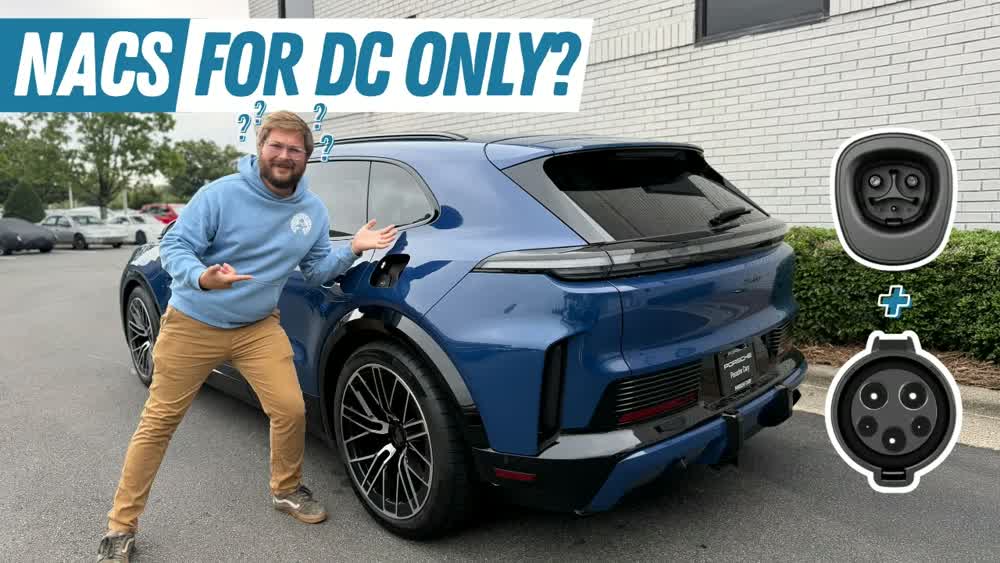
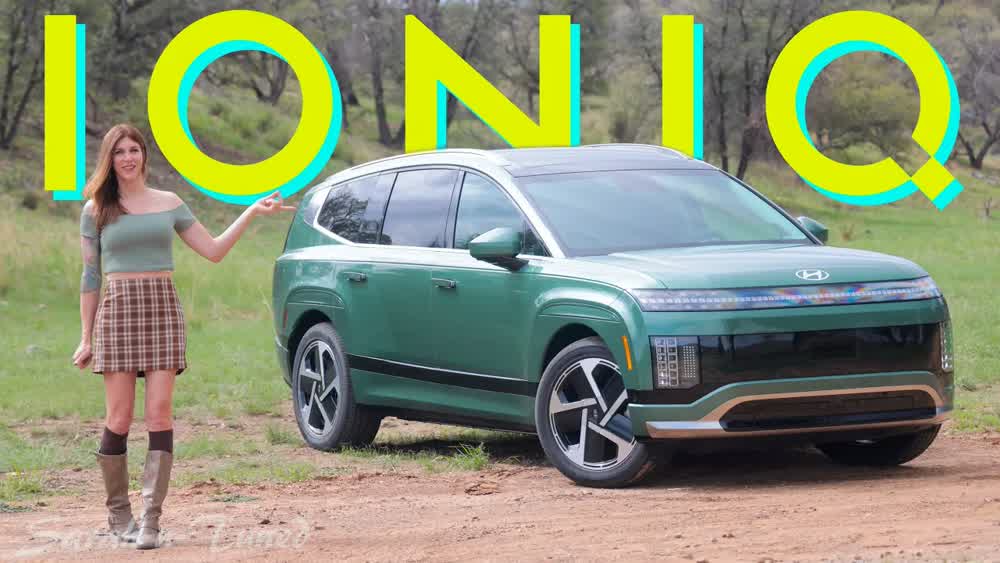
For years the Tesla Model Y won the mainstream EV comparison by default. In 2026, the Hyundai IONIQ 5 makes that a real contest. Both are now native-NACS crossovers with 300+ miles of range and fast charging — but they win on different things, and which one is “better” depends entirely on what you value.
TFLEV puts the two head to head, and the verdict is closer than the spec sheets suggest.
Head to Head: The Numbers
| Metric | Tesla Model Y (Juniper) | Hyundai IONIQ 5 (2026) |
|---|
| Starting price (approx.) | ~$46,000 | ~$44,000 |
| EPA range | ~320 mi | ~318 mi |
| Peak charge power | 250 kW | 350 kW (800V) |
| 10–80% charge time | ~27 min | ~18 min |
| Charge port | Native NACS | Native NACS |
| Edge | Range, network, software | Comfort, charge speed, warranty |
The two are nearly identical on range, but the IONIQ 5’s 800V architecture gives it a clear charging-speed advantage — roughly nine fewer minutes to go from 10% to 80%. The Model Y counters with a mature Supercharger network and class-leading software.

Where the Model Y Wins
Tesla’s edge is ecosystem. The Supercharger network remains the most reliable public charging in the US, the infotainment and over-the-air updates are industry benchmarks, and the Juniper refresh sharpened the ride. For buyers who prioritize range confidence and tech, it’s still the default.
Where the IONIQ 5 Wins
Hyundai fights back with comfort and ownership peace of mind. The IONIQ 5’s longer wheelbase gives it a more spacious, lounge-like cabin, the 10-year / 100,000-mile powertrain warranty beats Tesla’s, and the faster peak charging suits road trips. At a slightly lower starting price with more range in long-range trim, the value case is strong.
The signal: In 2026 the mainstream EV fight is no longer “Tesla vs everyone.” It’s Tesla vs a genuinely equal Hyundai on the two things buyers care about most — range and charging. That parity is exactly what pushes prices down for everyone.
Which should I actually buy, Model Y or IONIQ 5?
Choose the Model Y if network reach, software, and resale matter most. Choose the IONIQ 5 if you want a roomier cabin, faster charging, a longer warranty, and a lower entry price. Both are excellent; the gap is preference, not capability.
Does the 800V advantage really matter day to day?
Yes on road trips. The IONIQ 5’s ~18-minute 10–80% time versus the Model Y’s ~27-minute window means shorter stops on long drives. Around town, where you charge at home, it barely matters.
Related reading on EVCUBE
Sources