The 2026 Hyundai IONIQ 5 Still Sets the Bar for Mainstream EVs
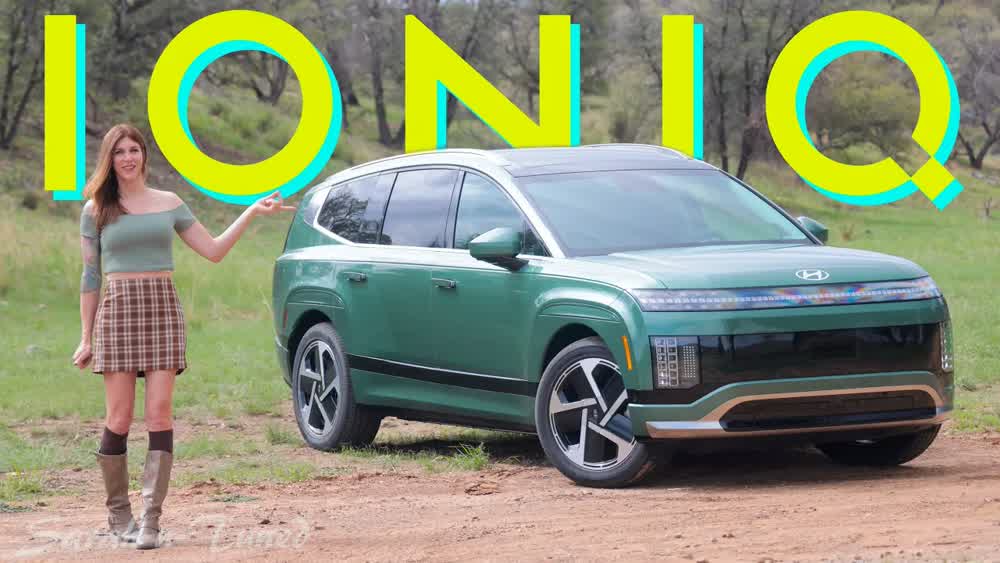
The 2026 Hyundai IONIQ 5 remains the mainstream EV to beat. It pairs an 800V architecture with a Tesla-style NACS charge port, adds range, and — crucially — undercuts last year’s pricing. Kirk Kreifels walks through why it still feels like the most complete package in its class.
The 2026 IONIQ 5 Lineup
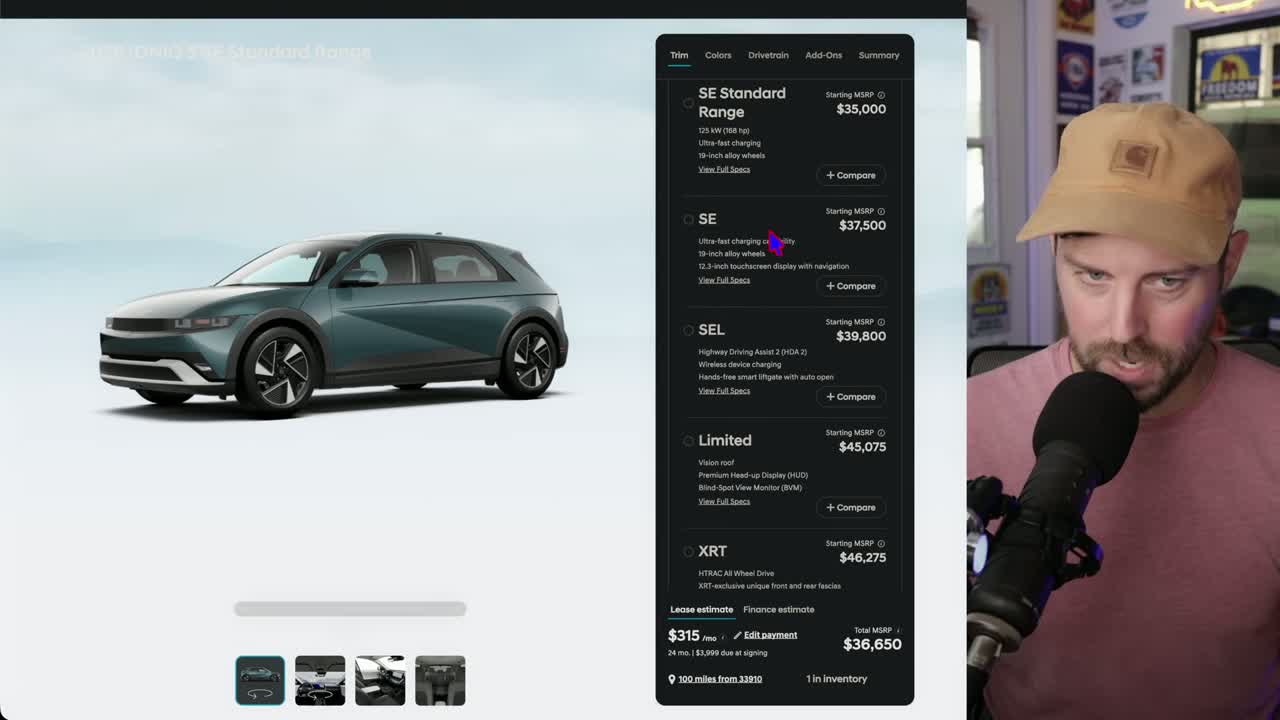
Hyundai trimmed and repositioned the range for 2026, with the long-range battery now the headline:
| Trim | Starting price | Battery | EPA range | Peak charge |
|---|
| SE Standard | $36,600 | 63 kWh | 245 mi | 250 kW |
| SE Long Range | $39,100 | 84 kWh | 318 mi | 250 kW |
| SEL | $41,400 | 84 kWh | ~310 mi | 250 kW |
| Limited | $46,675 | 84 kWh | ~305 mi | 250 kW |
| XRT | $47,875 | 84 kWh | ~290 mi | 250 kW |
That long-range SE at $39,100 with 318 miles is the value anchor: more range than a base Model Y for less money, and a 10–80% charge in roughly 18–20 minutes on an 800V charger.

Why the NACS Port Matters in 2026
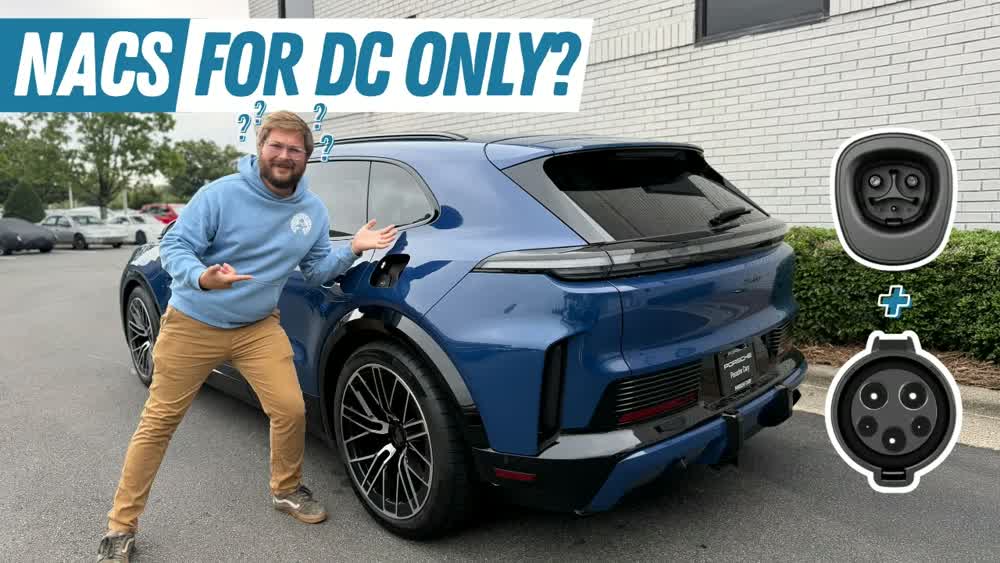
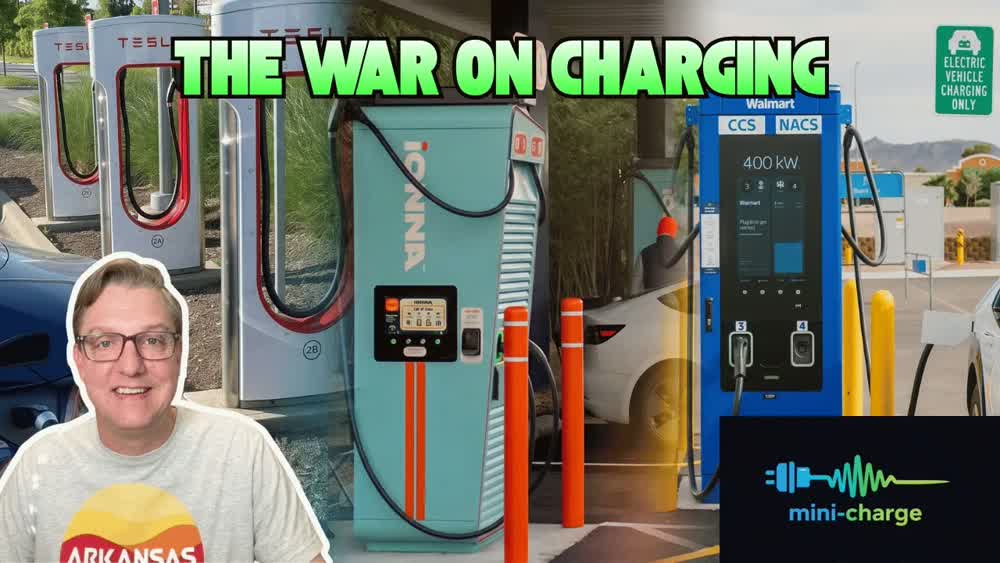
For US drivers, the native NACS port is the quiet headline. It means direct access to the Tesla Supercharger network — the most reliable public charging in the country — without an adapter. Combined with the 800V architecture, the IONIQ 5 can add serious range during a coffee stop.
The signal: Hyundai cut IONIQ 5 prices by as much as $9,800 versus 2025 while adding range and NACS. That’s the rare combination — better and cheaper — and it pressures every mainstream rival to respond on price.
Built in America, Backed for a Decade
The US-market IONIQ 5 is built at Hyundai’s Georgia plant, which helps on pricing and eligibility. Hyundai also backs it with a 10-year / 100,000-mile powertrain warranty — among the longest in the industry, and a real differentiator for buyers wary of EV durability.
Is the 2026 IONIQ 5 worth it over the Tesla Model Y?
For many buyers, yes. The IONIQ 5 matches or beats the Model Y on range in long-range trim, charges faster on 800V hardware, and comes with a longer warranty and a more conventional interior. The Model Y still wins on network reach and software, but the gap has narrowed sharply.
How fast does the 2026 IONIQ 5 actually charge?
On a compatible 800V DC charger, the 84 kWh pack goes from 10% to 80% in roughly 18–20 minutes thanks to 250 kW peak charging. That’s among the quickest mainstream EVs available in the US in 2026.
Related reading on EVCUBE
Sources