No products in the cart.

The Q2 2026 US EV sales data tells a story of two markets moving in opposite directions. While overall EV adoption continues to climb, a select group of models are selling far faster than the rest.
Q2 snapshot
US EV sales by the numbers
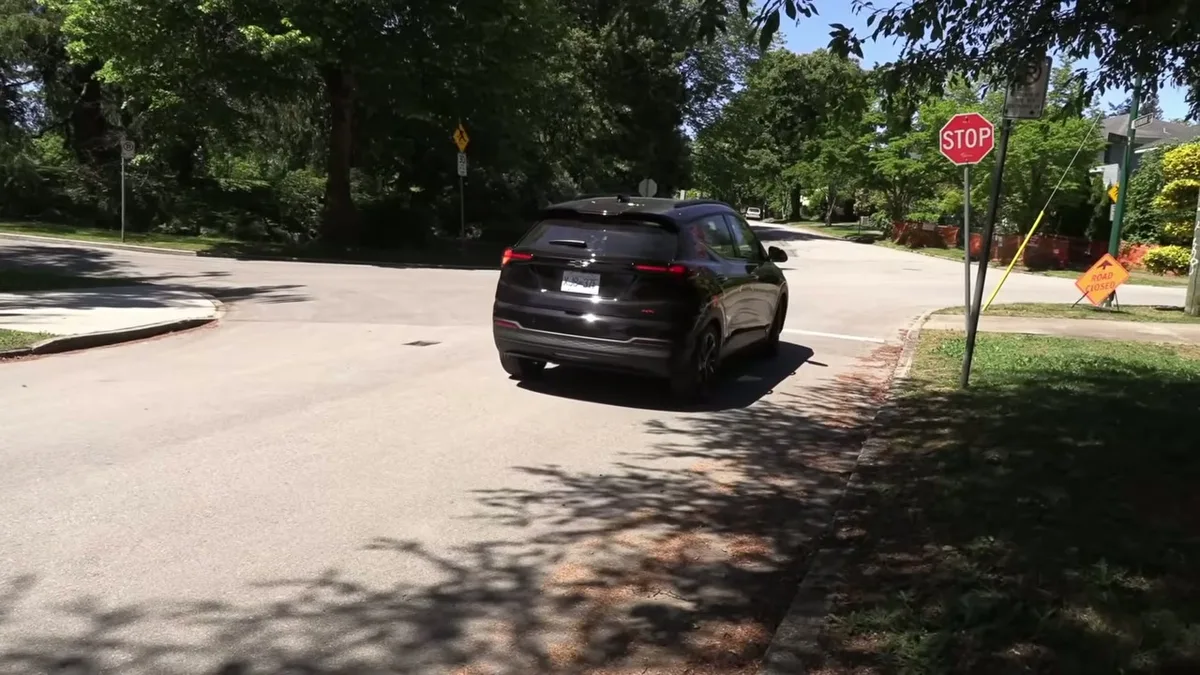
Chevrolet sold 3,433 Bolts in Q2 2026. Production is constrained by a single shift at the Fairfax plant. The revived Bolt remains the cheapest EV in America under $29,000 with native NACS port.
US EV market share grew approximately 25% year-over-year in Q2 2026, driven by new model introductions, price reductions, and expanding charging infrastructure.
Several top-selling models are production-constrained rather than demand-constrained. The Bolt and other models could sell significantly more if manufacturing capacity were available.
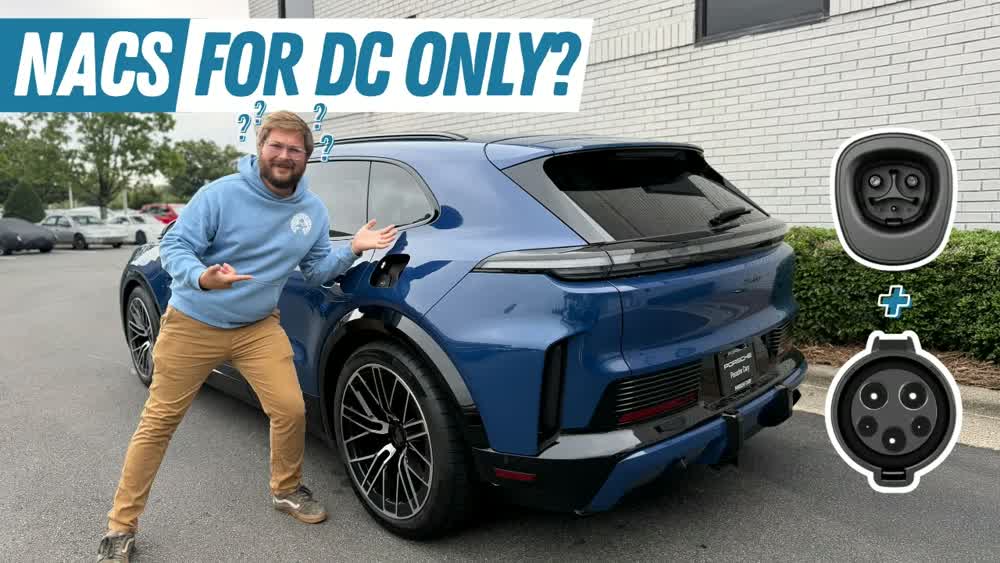
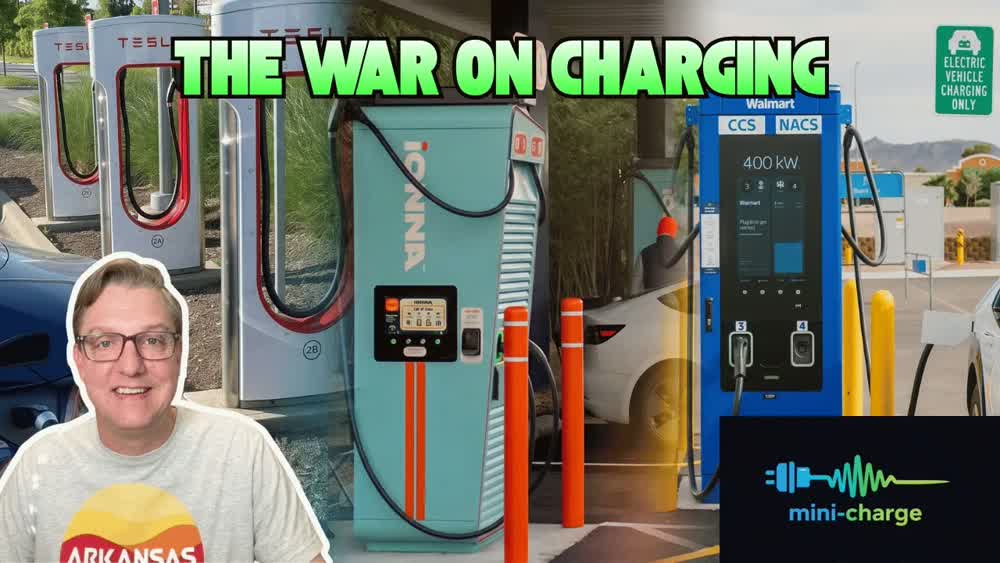
The transition to NACS (Tesla connector) is accelerating. The revived Bolt is the first non-Tesla with a native NACS port and direct Supercharger access.
Market analysis
Why Q2 2026 is a turning point
The Q2 numbers reveal a market that has fundamentally shifted from early adopter to early majority. The fastest-selling EVs are no longer exclusively premium models. The return of the Chevrolet Bolt at under $29,000 proves that price-sensitive buyers are entering the market in force. With 3,433 units sold on a single production shift, the Bolt demonstrates that suppressed demand for affordable EVs is far higher than automakers have been willing to serve.
What makes this quarter significant is the supply-demand mismatch. While Tesla continues to dominate the top of sales charts with Model Y and Model 3, the biggest growth stories come from models recently reintroduced or newly available with significant price adjustments. The market is bifurcating: premium EVs compete on features and performance, while the sub-$35,000 segment competes almost entirely on price and total cost of ownership.
The NACS transition is reshaping the competitive landscape. The revived Bolt being the first non-Tesla with a native NACS port and integrated Supercharger access removes one of the biggest barriers to entry-level EV adoption. For first-time EV buyers, knowing they can use the same Supercharger network as Tesla owners is a significant hurdle cleared.
Key moments
The vehicles driving America EV growth

Competitive landscape
Fastest-selling EVs in America right now
| Rank | Model | Q2 Sales | Price Range | Key Factor |
|---|---|---|---|---|
| 10 | Chevrolet Bolt EV | 3,433 | ~$29K | Supply-limited, one shift |
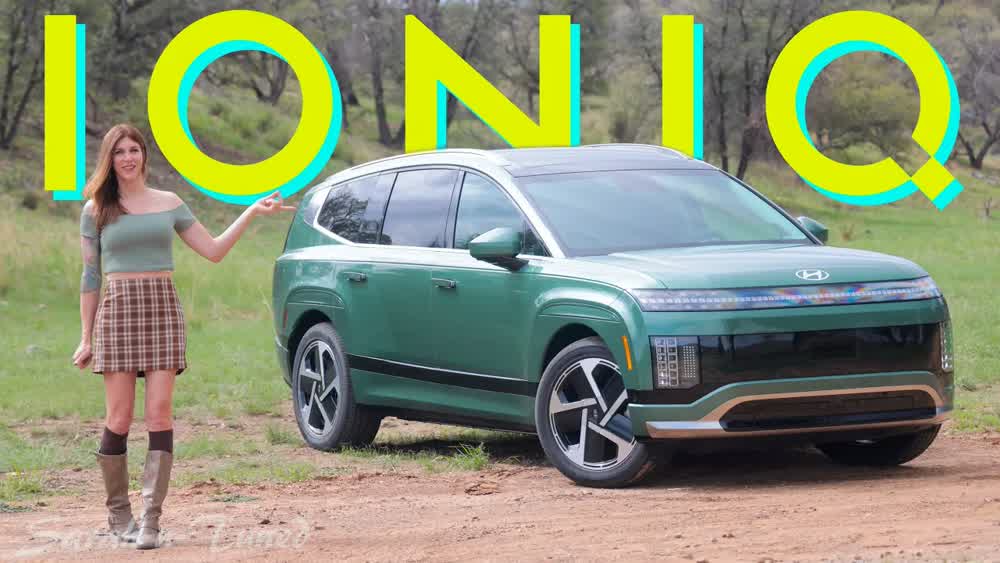
| 9 | Hyundai Ioniq 5 | ~8,500 | ~$35K-$50K | Strong design and value |
| 8 | Ford Mustang Mach-E | ~10,200 | ~$37K-$52K | Price cuts stimulated demand |
| 7 | Kia EV6 | ~7,800 | ~$38K-$53K | Award-winning design |
| 6 | Rivian R1S | ~13,600 | ~$75K+ | Premium SUV leader |
FAQ
Common questions about US EV sales
Why is the Chevrolet Bolt selling so few units if demand is high?
The Bolt is supply-constrained. GM operates only one shift at the Fairfax Assembly plant. If production were doubled, most analysts believe sales would follow. The Bolt serves as a bridge product and reports indicate production may end in 2027.
What is driving EV sales growth in Q2 2026?
Multiple factors: significant price reductions across the industry, the NACS/Supercharger access expansion, new model introductions especially in the affordable segment, and growing consumer awareness of total cost of ownership advantages.
Which non-Tesla EVs have native NACS ports?
The revived Chevrolet Bolt is the first non-Tesla with a native NACS port. Other automakers like Ford, Rivian, and GM are transitioning to NACS on future models, with adapters currently available for existing vehicles.
Are US EV sales accelerating or slowing down?
Accelerating but unevenly. Overall Q2 2026 sales grew about 25% YoY, but most growth is concentrated in a handful of models. The market is bifurcating between premium/luxury EVs and affordable models under $35,000.
Sources