No products in the cart.
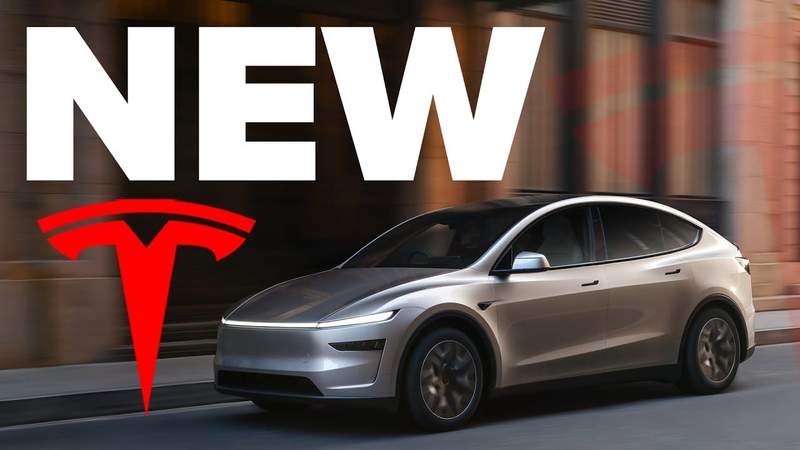
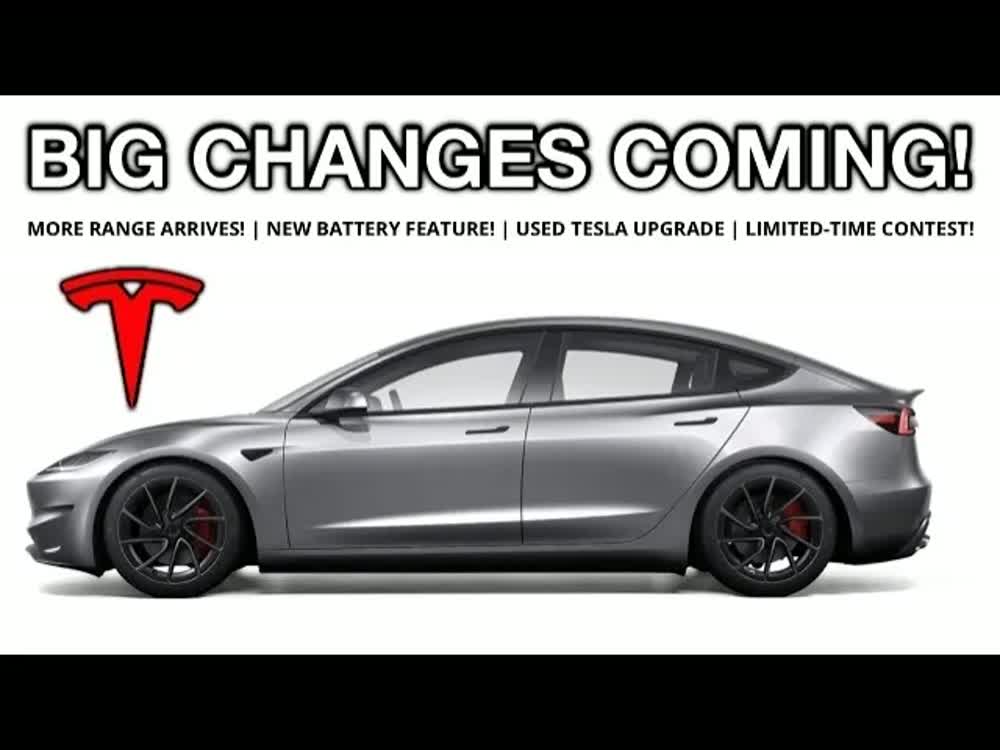
Tesla has just reported the strongest quarter in its history: 480,126 vehicles delivered in Q2 2026, shattering Wall Street expectations by more than 60,000 units. At the same time, the long-awaited Model Y L ? a three-row extended version of the world’s best-selling EV ? has finally gone on sale in the US starting at ,990. What drove this surge, and what does it mean for the EV market through the second half of 2026?
Video highlights
Key developments from this week’s EV news
Tesla delivered 480,126 vehicles in Q2 2026, a 34% increase from Q1 and 25% above the same quarter last year. Production reached 451,758, clearing excess inventory built up in previous quarters.
The three-row Model Y L launched in the US at ,990. It is the most spacious Tesla ever produced, directly targeting the growing family EV segment dominated by the Kia EV9 and upcoming Volkswagen ID. Buzz.
BYD sold 557,090 fully electric vehicles globally in Q2, retaking the sales crown from Tesla. But the gap has narrowed to just 77,000 units ? the smallest quarterly gap since the two companies began competing head-to-head.
Tesla Energy deployed 13.5 GWh of battery storage in Q2, well ahead of analyst estimates and up from 9.6 GWh a year ago, reflecting accelerating demand for Megapack and Powerwall products.
Deep analysis
What Tesla’s Q2 results tell us about 2026 EV market dynamics
The headline figure of 480,126 deliveries is remarkable not just for its absolute size, but for how dramatically it exceeded expectations. Analyst consensus had settled around 406,000, with even the most bullish Wall Street firms capping their estimates at 420,000. Tesla beat all of them by over 60,000 vehicles ? a margin that suggests either a structural shift in demand or a deliberate production cadence improvement at Giga Texas, Shanghai, and Berlin.
Digging deeper, the delivery-versus-production gap tells an equally important story. Tesla delivered 28,000 more vehicles than it built during the quarter, indicating that the inventory buildup from Q4 2025 and Q1 2026 has been aggressively drawn down. This destocking is a bullish signal ? it means current production is essentially selling through cleanly without accumulating lot inventory, a sharp reversal from the oversupply concerns that weighed on Tesla’s stock earlier this year.
The Model Y L launch adds an important new product dimension. Priced at ,990, the extended-wheelbase three-row variant directly competes with a wave of new family EVs arriving in 2026. With seating for seven, up to 330 miles of estimated range, and Tesla’s Supercharger network advantage, the Model Y L could become a meaningful volume driver in North America ? a region where three-row SUVs represent the fastest-growing segment in the entire automotive market.
Key moments
Visual highlights from the source coverage

Competitive landscape
How Tesla vs BYD compares in Q2 2026
| Metric | Tesla | BYD (BEV only) |
|---|---|---|
| Q2 2026 Global BEV Sales | 480,126 | 557,090 |
| QoQ Growth | +34% | ~+15% (est.) |
| Sales Gap | 77,000 units ? narrowest ever | |
| Key Advantage | Premium pricing, FSD software, Supercharger network | Vertical integration, cost structure, China domestic market dominance |
| Upcoming Catalyst | Model Y L, Cybercab production (2027), Optimus | Expansion into Europe, South America, Southeast Asia |
Autonomous driving milestone
Cybercab hits public roads ? a turning point for Tesla’s robotaxi vision
Perhaps the most significant development beyond the delivery numbers is the Cybercab’s public road debut. Tesla posted footage of the first production-spec Cybercab navigating Austin streets without a steering wheel or pedals. While a safety operator remains onboard (seated in the passenger seat since there are no driver controls), this is the first time a customer-spec Cybercab has been validated on public roads ? a critical regulatory and engineering milestone.
The Cybercab has also been added to the Texas Department of Public Safety’s autonomous vehicle first responder registry, the final state-level paperwork step before these vehicles can begin limited public operation. Tesla is now on track for its previously stated goal of volume Cybercab production starting in 2027, though the unsupervised testing milestone suggests commercial robotaxi service in controlled geographies could arrive sooner than many analysts expected.
This development has significant implications for the wider autonomous vehicle industry. While competitors like Waymo and Cruise have been operating robotaxis in limited urban areas for years, Tesla’s approach ? pure vision, no lidar, leveraging its existing vehicle fleet for data collection ? could enable a dramatically faster and more capital-efficient scaling path once regulatory approval is secured.
FAQ
Common questions about Tesla’s Q2 2026 results
Is 480,126 deliveries a record for Tesla?
Yes. This is the highest quarterly delivery number in Tesla’s history, surpassing the previous record of 484,000 set in Q4 2023. The 34% sequential growth from Q1’s 358,000 deliveries is particularly striking given that Q1 had raised concerns about softening demand.
What is the Model Y L and how is it different from the regular Model Y?
The Model Y L is a three-row, extended-wheelbase variant of the standard Model Y. Priced from ,990, it offers seating for up to seven passengers with significantly more rear legroom and cargo space than the standard five-seat Model Y. It is built at Giga Texas and targets the family SUV segment.
Why did Tesla beat delivery estimates by such a wide margin?
Multiple factors contributed: aggressive price adjustments earlier in 2026 stimulated demand, inventory destocking from previous quarters freed up delivery capacity, production efficiencies at Giga Texas and Shanghai improved throughput, and the Model Y L launch generated new interest. Additionally, Tesla’s energy storage business posted its own record quarter.
When will the Cybercab actually be available for customers?
Tesla has guided for volume Cybercab production to begin in 2027. The current public road testing in Austin is an engineering validation phase. Commercial robotaxi service would follow regulatory approval on a city-by-city basis, with Texas being the most likely first market given the state’s favorable autonomous vehicle legislation.
Sources