No products in the cart.
EV charging analysis / video breakdown
17 EV Charging Mistakes That Quietly Cost Drivers Time, Money, and Battery Health
This draft turns the video into a practical field guide for EV owners: when to use a level 2 EV charger, when a Tesla charger or public EV charging station makes sense, and why charger speed claims rarely tell the whole story.
The video makes one point worth putting at the top: EV charging is a system, not a socket. The same driver can have a great experience with a level 2 EV charger at home and a frustrating one at a public EV charging station, because battery temperature, state of charge, connector type, queue behavior, and pricing all change the outcome.
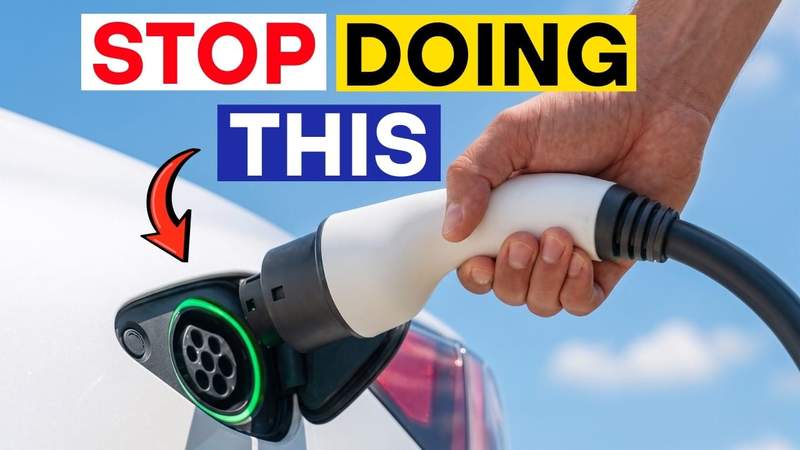
What the video is really warning about
The biggest mistake is treating every charging session the same. A 48A EV charger or 50A EV charger can be excellent for home use, but it will not make the car charge faster than the vehicle, battery temperature, and circuit can support. A Tesla charger or other DC fast charger can save a road trip, but speed usually drops as the battery gets closer to full.
That is why the best charging habit is boring in the best possible way: charge enough for the next drive, avoid sitting at 100% longer than necessary, precondition before fast charging, and leave public stalls when the useful part of the session is over.
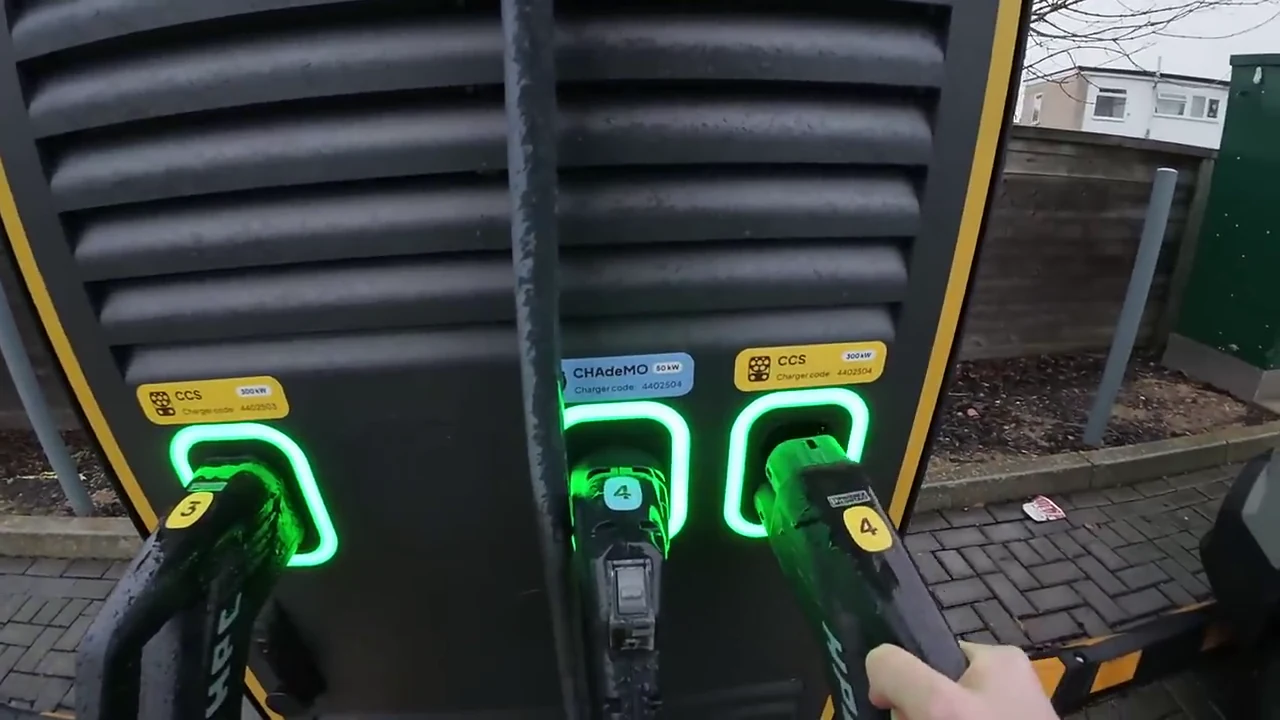
The 17 mistakes to avoid
- Charging to 100% every day when you do not need the range.
- Leaving the car full for long periods.
- Fast-charging a hot battery repeatedly.
- Assuming every charger delivers its advertised peak speed.
- Ignoring the EV charging curve.
- Skipping battery preconditioning in cold weather.
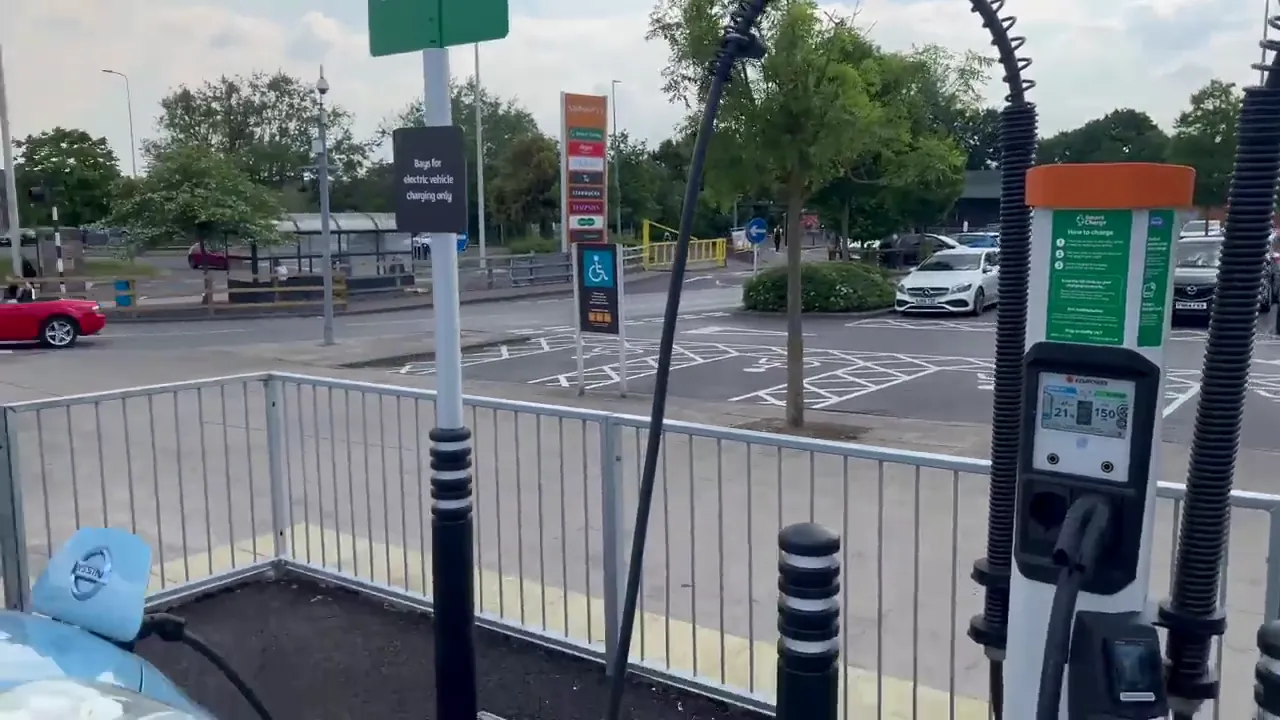
- Parking in an EV charging bay without charging.
- Yanking the connector or cable.
- Blocking a public EV charging station after the session ends.
- Using fast charging for a session that a level 2 EV charger could handle.
- Ignoring home electricity rates.
- Depending on only one charging app.
- Letting heavy cables drag or twist.
- Installing a 48A EV charger without checking circuit capacity.
- Expecting winter charging to behave like summer charging.
- Paying peak public charging prices for routine charging.
- Buying an EV without checking its real charging speed and connector fit.
What current news adds
Recent reporting shows why these habits matter beyond one video. Axios reported on April 8, 2026 that EV charging can still fall short on real trips because drivers face reliability gaps, pricing friction, and app complexity. That supports the article’s main advice: build your daily routine around home charging when possible, then use public charging strategically.
AP’s 2026 coverage of charging infrastructure also points to a market that is still expanding while policy and funding questions keep changing. And Axios’ February 2026 public charging report shows why Tesla/NACS access matters: more compatible high-speed ports can help, but they do not remove the need for smart charging behavior.
Charging takeaway: A home level 2 EV charger, a 48A EV charger, a 50A EV charger, a Tesla charger, and a public EV pile solve different problems. Choose by daily mileage, battery temperature, connector fit, parking time, and trip plan instead of chasing the biggest power number on the screen.
| Charging setup | Best use | What drivers often get wrong |
|---|---|---|
| Level 2 EV charger | Overnight home charging | Leaving the car at 100% longer than needed. |
| 48A EV charger / 50A EV charger | Faster residential charging | Forgetting that the car and circuit set the real limit. |
| Tesla charger | Road trips and fast top-ups | Expecting peak speed all the way to full. |
| Public EV charging station / EV pile | Travel, backup, convenience | Ignoring price, queue time, connector fit, and app friction. |
Related EVCube reading
For more context, read Rivian smart charging saves 20% on EV bills, Toyota’s app gets PHEV owners to plug in more, and Hyundai’s 600-mile EREV strategy.
FAQ
What is the EV charging curve?
The EV charging curve is how charging speed changes during a session. Most EVs charge fastest at lower battery percentages, then slow down as the battery fills.
Is a 48A EV charger enough for home charging?
For most drivers, yes. A properly installed 48A level 2 EV charger is usually enough for overnight charging and daily commuting.
Is a 50A EV charger better than a 48A EV charger?
Not always. The real speed depends on the car’s onboard charger, the circuit, and installation quality. More amperage only helps when the vehicle and electrical setup can use it safely.
Should I charge an EV to 100% every day?
Usually no. Daily charging to a lower target is often better for battery comfort. Charge to 100% when you need the range, then drive soon after.
Why does public EV charging feel slower than expected?
Battery temperature, state of charge, charger sharing, connector condition, and the vehicle’s charging curve can all reduce real charging speed.
When should I use a Tesla charger or public EV charging station?
Use fast public charging for road trips, urgent top-ups, and places where home charging is not available. For routine charging, home level 2 charging is usually cheaper and calmer.