That cryptic warning on your Tesla’s screen rarely tells you how bad it is or what it costs — and for US buyers, that uncertainty is the real price of ownership.
The message that starts it all
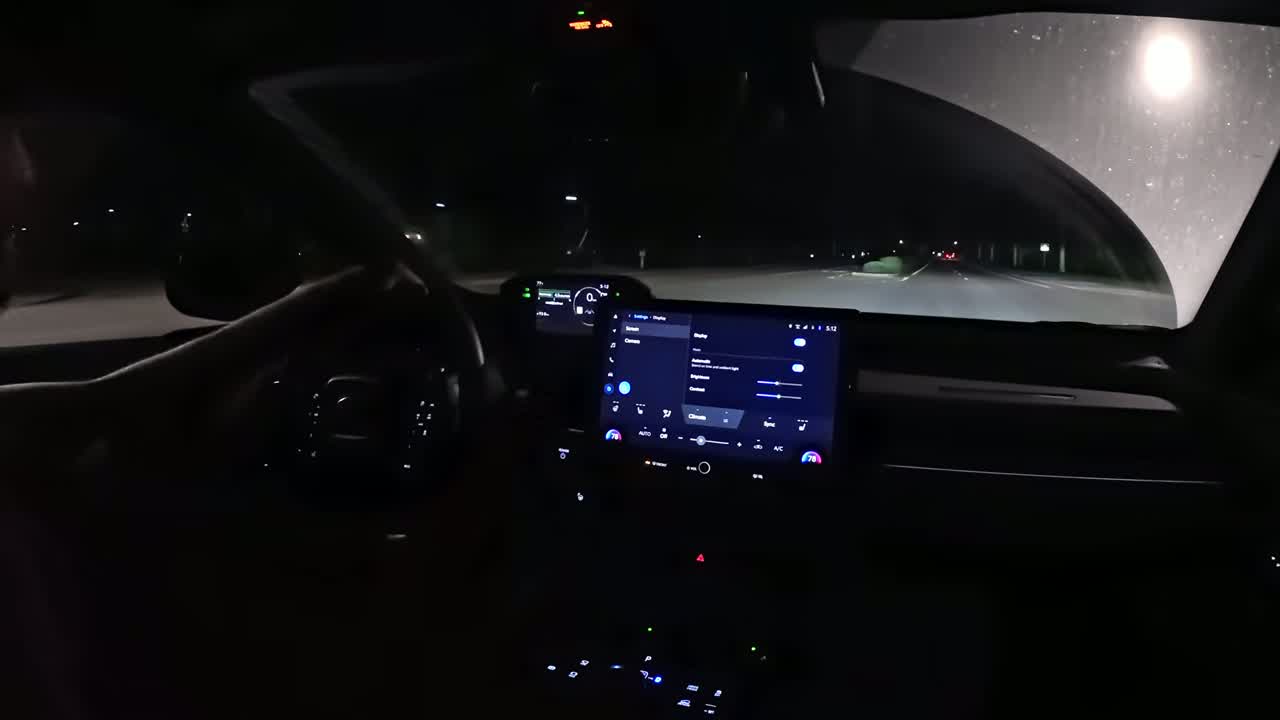
If you own a Tesla long enough, the moment eventually arrives: you get in, look at the screen, and there is a service message. It usually names the problem. It almost never tells you how serious it is, whether you can keep driving, or what it is going to cost. For a lot of owners, that alert is the first time they ever think about Tesla service at all.
It is a feeling one longtime owner knows well. Across several years with a 2020 Model Y — two rear-end collisions, a high-voltage battery replacement, a drive-unit replacement Tesla would not cover, a cracked windshield, and a set of tires worn out early by an alignment issue — more than $40,000 in repairs passed through that single car. Insurance paid most of it; the point is that the bills were real, and they were large.
Sometimes the alert points at something regulators are already studying. In September 2025, the National Highway Traffic Safety Administration opened an investigation into 2021 Model Y door handles that stopped working. Nine owners said they could not open their doors; four of them broke a window to get in. The regulators noted that repair invoices showed low-voltage battery replacements after the handles failed — yet no owners reported a low-voltage warning beforehand.

Why there is no “scheduled maintenance” anymore
Tesla does not do maintenance the way a normal car does. There is no 30,000-mile appointment and no 60,000-mile checkup. No postcards arrive reminding you to come in. The car is designed to run until something is actually wrong — and that is the only time you bring it in. The reason is structural: a traditional dealership makes a large share of its money on the service drive, so it wants you back whether the car needs it or not. Tesla has no dealer network and would rather you never show up.
The upside is that a lot of what used to be a repair is now a software fix, and a lot of what still needs a person gets diagnosed remotely before anyone touches the car. The downside is opacity. One genuinely useful move Tesla made: it now publishes its full service and repair information to the public for free. It used to cost $3,187 a year just for access; today the real service manuals, parts catalogs, wiring diagrams, and service bulletins are open to any owner. You can look up your exact car and read the step-by-step procedure for whatever your alert describes — the same manuals Tesla’s own technicians work from.
The reliability numbers — and they are real this time
The cheap-running, rarely-breaks narrative has looked thin for years. But the most recent independent data tells a more nuanced story: new Teslas have genuinely gotten better, while old ones age rough. Consumer Reports runs the largest reliability survey in the US, covering around 380,000 vehicles in its newest cycle. In the 2026 rankings, Tesla placed 9th in reliability with a score of 50 — one year after being 18th with a score of 36. On the overall report card, which folds in road tests and owner satisfaction, Tesla is 10th with a score of 72, and it is the only EV brand in the top 10.
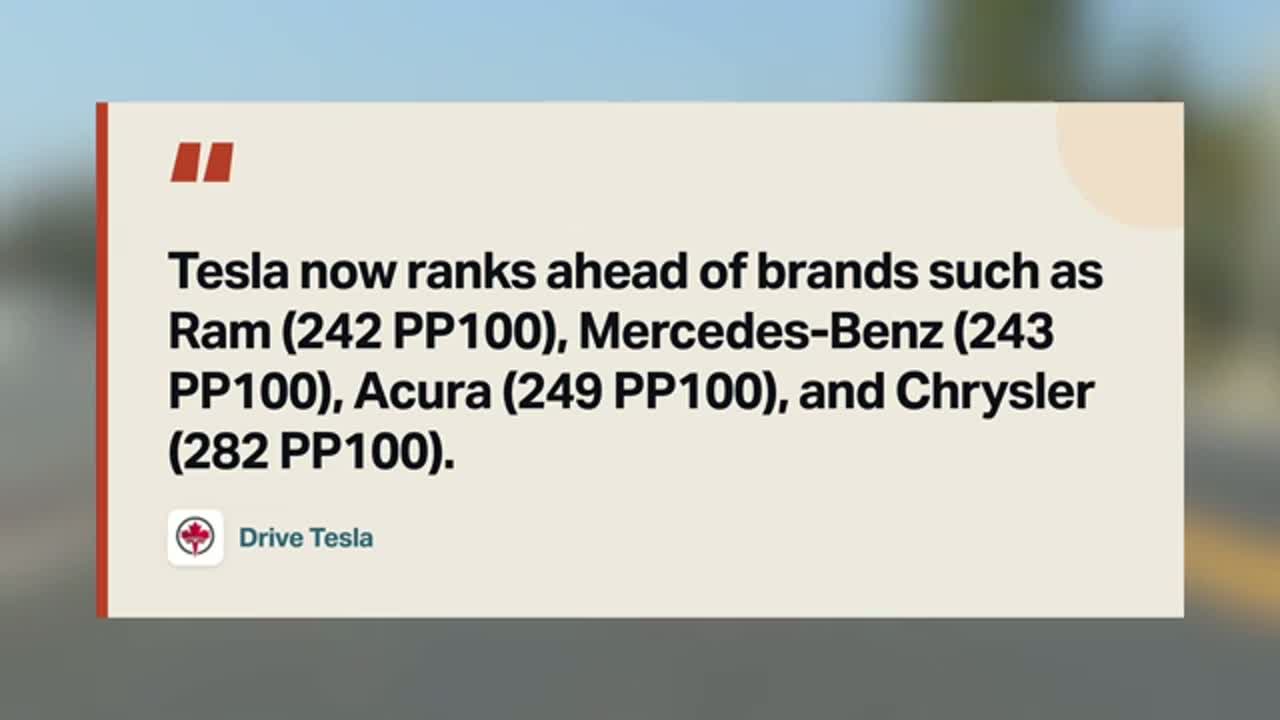
JD Power measures dependability a different way: problems per 100 vehicles among three-year-old cars. In its 2025 study, the industry average was 202 problems per 100 vehicles, and Tesla came in at 209 — right around average, ahead of Ram (242), Mercedes-Benz (243), and Chrysler (282), but behind Toyota (162) and Lexus (140). EVs as a group improved 33 points in a single year, and Consumer Reports still finds EVs overall have about 80% more problems than gas cars — with Tesla the bright spot inside that number.
| Brand (JD Power 2025 dependability) | Problems per 100 vehicles |
|---|
| Lexus | 140 |
| Toyota | 162 |
| Industry average | 202 |
| Tesla | 209 |
| Ram | 242 |
| Mercedes-Benz | 243 |
| Chrysler | 282 |
And the battery panic is mostly misplaced. Recurrent, a battery-data company, analyzed a fleet of more than 30,000 electric cars. On 2022-and-newer models, the battery replacement rate is 0.3%. On the middle generation it is about 2%, and only on the oldest cars — those from before 2016 — does it climb to roughly 8.5%. Tesla’s own data says its batteries lose only 12 to 15% of capacity on average even after 200,000 miles, which is essentially the whole life of a normal car.
| Model year group (Recurrent, 30,000+ EVs) | Battery replacement rate |
|---|
| 2022 and newer | 0.3% |
| Middle generation | ~2% |
| Pre-2016 (oldest) | ~8.5% |
New Tesla reliability (CR score)
Cars per Tesla service location since 2021
What the warranty covers — and where it stops
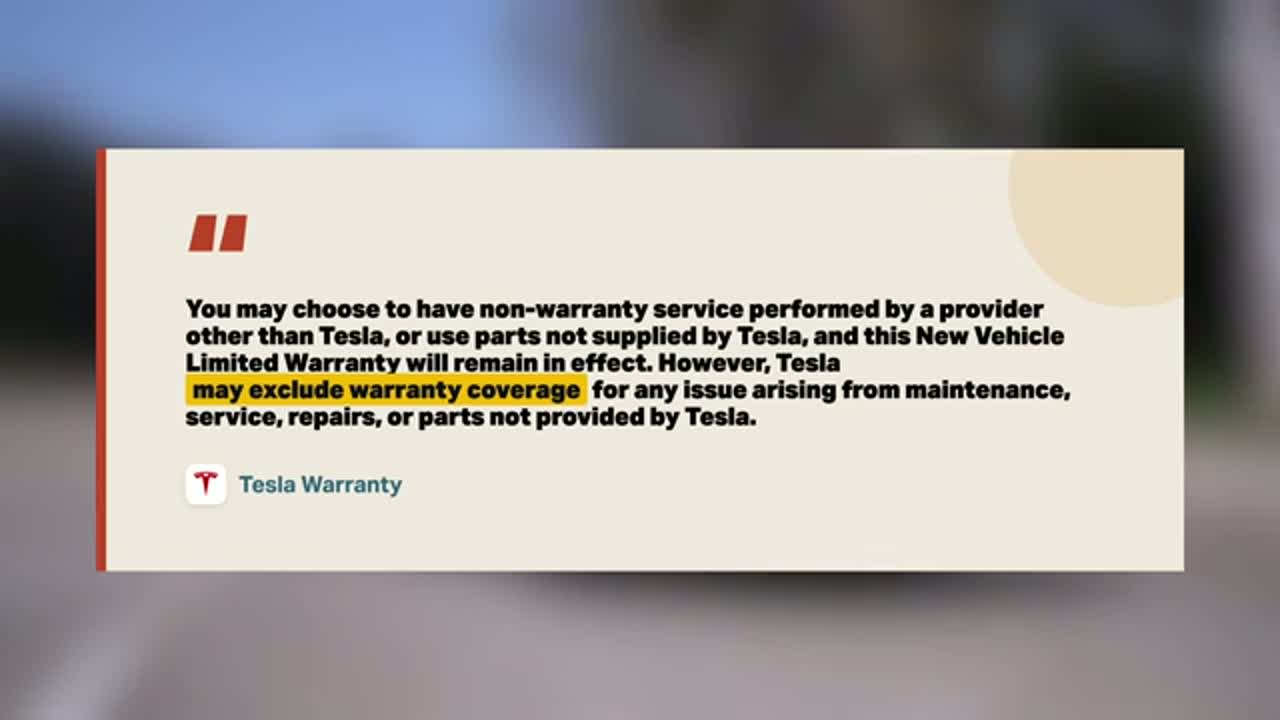
The basic warranty is four years. The battery and drive unit carry an eight-year warranty (100,000 to 150,000 miles depending on model). If you want coverage past year four, Tesla now sells an extended plan as a monthly subscription in the app: about $50 a month on a Model 3, $60 on a Model Y, and up to $150 on a Model X, carrying you to 8 years or 100,000 miles. The catch is what it leaves out — the battery, the drive unit, and the 12-volt battery, which are exactly the parts owners most worry about. There is also a separate High-Voltage Battery & Drive Unit plan for roughly $2,000 up front, but it is optional and carries a deductible.
Tires, alignment, brake pads, wiper blades, and glass are on you from the start. Tesla can also deny a repair if you ignored a software update it told you to install or blew off a recall. One useful transparency: Tesla publishes “flat rate” labor times in those free manuals. A 12-volt battery is listed at about 11 minutes of work, a Model Y cabin filter about 7 minutes, a front upper control arm just under 30 minutes, a rear drive unit about 3.75 hours, and a full high-voltage battery just under 5 hours. In May 2025 Tesla bumped most of those times up by 20%. What it will not publish is the hourly labor rate — so the hours are public, but the dollars per hour are not.
The spiky cost of ownership
Consumer Reports found Tesla has some of the lowest total maintenance costs of any brand — around $4,000 over 10 years, or roughly $832 a year by other industry estimates. The catch is that the cost is spiky. You can go years on nothing but tires and a cabin filter, then get hit with a bill that erases a decade of savings in one visit.
Owners who actually paid out of pocket tell the story. One quoted a headlight at $1,550 before doing it himself with a used part from eBay. Another described an eMMC memory chip — a $7 part — that cost $175 to diagnose and $375 to replace. A drive-unit replacement out of warranty lands in the $7,000 to $15,000 range. The high-voltage battery is the boogeyman, but the real quotes owners shared came in lower than the $20,000 figure often repeated: a P85D battery quote after taxes and labor was $15,861.44, and another owner’s was about $11,000 all-in. The honest range from people who actually went through it is more like $9,000 to $16,000 — and most of those happen while the car is still under the 8-year battery warranty anyway.
| Common out-of-warranty repair | Typical US cost | Covered by Tesla ESA? |
|---|
| 12-volt battery | $250–$450 | Yes |
| Front control arms | $850–$2,500 | Yes |
| Screen / MCU computer | $1,000–$2,500 | Yes |
| Heat pump / Octovalve | $800–$3,000 | Yes |
| Drive unit | $7,000–$15,000 | Yes |
| High-voltage battery | $9,000–$16,000 (quotes) | No (needs Battery ESA) |
| Collision / body repair | $10,000+ (one owner: $23,614) | No |
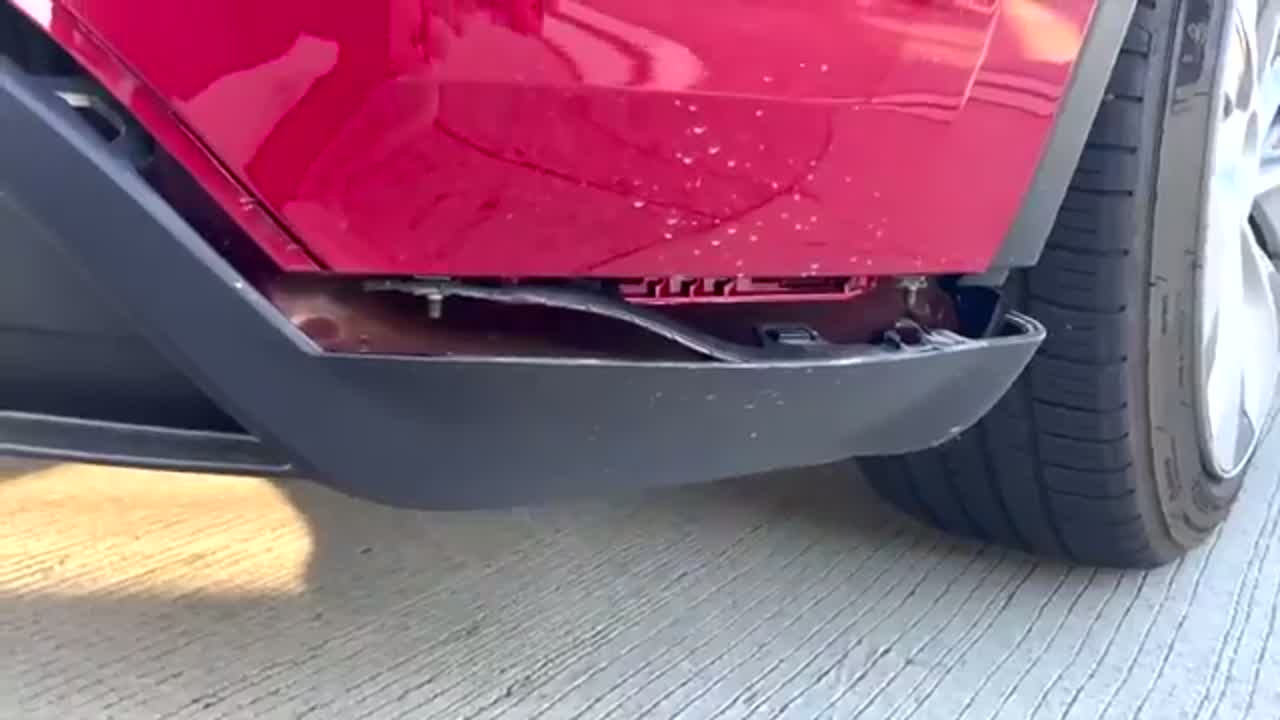
The collision side is where the waiting really bites. One owner’s first rear-end came to $10,851 and took nearly three weeks; the second, which blew the pyrofuse on the freeway, came to $23,614.36 and kept the car in the shop for 58 days. A trade-in tool dropped his offer about $2,000 the moment he marked the car as having been in an accident.
The part nobody mentions: Tesla is still the only place that can fix it
This is the structural problem behind the patience test. A lot of Tesla parts will not work until Tesla’s software recognizes and activates them. An independent shop can bolt the right part in perfectly and still be stuck. That was the center of a federal antitrust case; in its 2024 order letting the case move forward, the court summed it up plainly: “Many of the parts used for maintenance and repairs will not function until they are coded by Tesla, and no other provider can code these parts.” The case was dismissed in June 2025 without a settlement and never became a class action — so nothing changed by law, and what those owners described is still how it works.
Tesla has opened up a little. The free service manuals arrived in 2022, and in January 2025 Tesla opened its parts catalog so owners can buy some parts directly and any independent shop can order collision parts. But pricing still sits behind a business account, structural and security parts still go through Tesla, and the diagnostic software a shop needs — called Toolbox — is rented, not free. For most of what can go wrong, Tesla remains the only place that can actually finish the job.
Has it actually gotten better? Yes — and no
The fair knock used to be service, full stop. A 2019 owner survey found only 42% of owners called their service experience “excellent,” down from 57%, even though 87% said they still loved their cars. The bright spot even then: 70% rated mobile service “excellent.” Recalls show the same arc — of the older ones, only about 1 in 10 were fixed over the air, while in 2024, seven out of ten recalls were handled with a software update, one covering nearly 700,000 cars with no dealership visit.
The physical footprint grew from about 330 locations and 230 mobile vans in 2017 to more than 1,500 locations by the end of 2025. The money followed: the service operation lost roughly $500 million in 2018, then by mid-2026 was posting a record profit at a 14% margin on revenue that climbed from $3.8 billion to $12.5 billion. But capacity per owner quietly shrank — the mobile fleet fell two years running from a peak of 1,933 vans to about 1,600, Tesla stopped publishing both counts, and the number of Teslas per service location is up about 60% since 2021.
What this means for you
The verdict is narrower than the headlines. Most Tesla owners will never deal with any of this — the whole reason Tesla can skip scheduled service is that the cars mostly just work. But when a message does appear, it is worth knowing what it means, what is covered, and what it could cost. A few habits change the outcome:
- Screenshot the alert, tap it for the code, and look that code up in Tesla’s free service manuals before you book anything. Walk in already knowing roughly what you are dealing with.
- Get the estimate in the app, in writing, and approve it there before any work starts, so nothing surprises you on the final bill.
- If you are past year four, decide on the extended plan before your basic warranty expires — there is no grace period.
- Check your insurance rental-car limit. One owner’s policy capped at $45 a day while the car sat in the shop for 58 days.
- If the car will not move, call Tesla roadside assistance first — a regular tow truck can cost you hours, because a dead Tesla will not go into neutral.
Is Tesla service actually worse than a legacy dealer?
In the 2026 JD Power customer service study, owners who left a brand like Tesla for a traditional dealer rated that dealer 29 points lower than the industry average. People going from Tesla back to a regular dealership came away less happy — Tesla reset what owners expect service to feel like, with mobile visits and an app. The trade-off is capacity: with about 60% more cars per service location since 2021, the app can still leave you waiting.
How worried should I be about the high-voltage battery?
Not very, for most owners. Recurrent’s data puts replacement rates at 0.3% on 2022-and-newer cars and around 8.5% only on pre-2016 models. Tesla says batteries lose just 12–15% of capacity after 200,000 miles, and the 8-year battery warranty catches most failures that do happen. Out-of-warranty quotes owners actually received ran $9,000–$16,000 — steep, but a fraction of the $20,000-plus figures often repeated secondhand.
Can I take my Tesla to any repair shop?
For many things, no — not really. Parts like the battery, drive unit, and several electronic modules must be coded by Tesla’s software before they function, and Tesla controls that coding. You can now buy some parts and collision pieces directly, and independent shops can order body parts, but for the repairs owners fear most, Tesla is still the only finisher. That is exactly why the extended plan and a repair fund matter.
Related reading on EVCUBE