The EV headlines that actually move your wallet this week aren’t about a single miracle battery — they’re about rebate checks, fast chargers switching on, and legacy automakers quietly reinventing how EVs get built and powered.
This was the week the EV story got practical
For most of the last decade, “EV news” meant range bragging rights and concept cars that would never ship. The week of July 20–26, 2026 is a different kind of story. The moves that matter to an American driver are boring in the best way: a state rebate you can actually claim, a corridor charger that just turned on, a luxury grand tourer that proves the segment is maturing, and two deals that change what your next truck and your next affordable EV will cost.
The future of the EV isn’t one breakthrough — it’s a thousand unglamorous upgrades landing in the same week. Here are the five that should be on your radar.
1. Illinois reopens its $4,000 EV rebate — and flips on its first NEVI charger
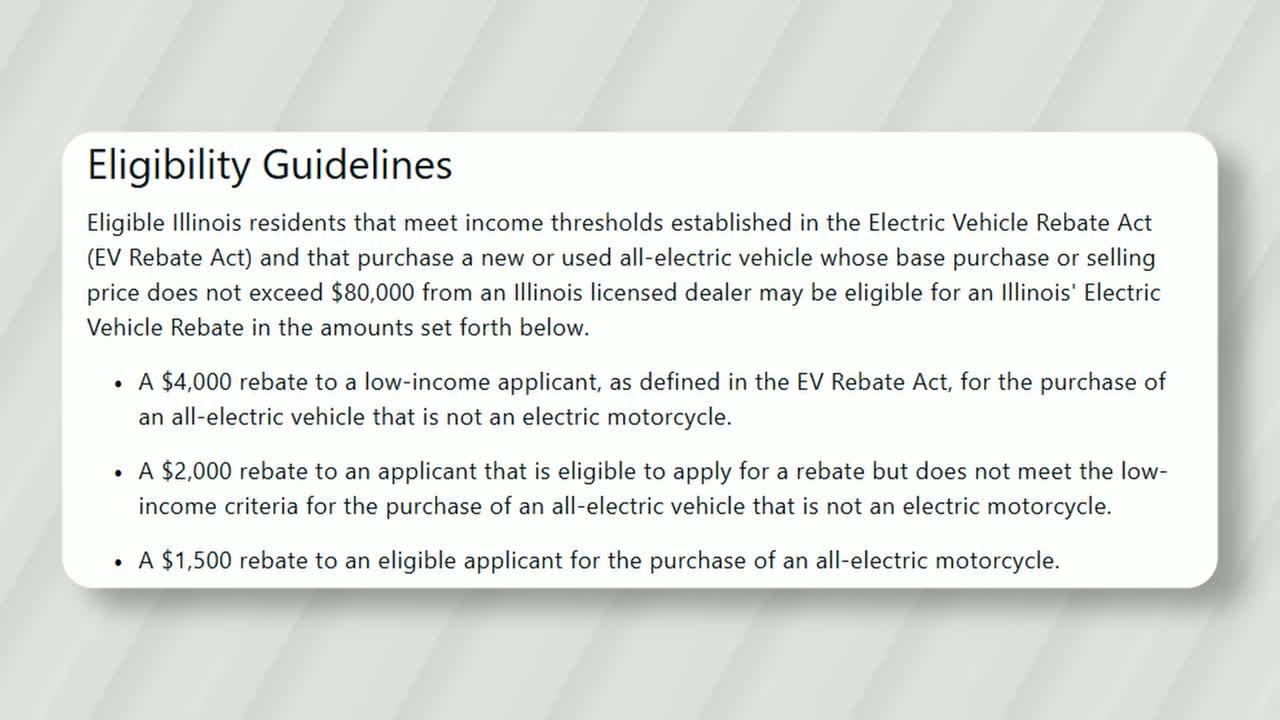
If you live in Illinois, circle August 1 on the calendar. The state’s EPA is reopening its Electric Vehicle Rebate Program on that date,running through December 31, 2026. The math is simple: $2,000 for a new or used all-electric vehicle, plus an extra $2,000 if you qualify as low-income, for a potential $4,000 off. Electric motorcycles get $1,500. The vehicle has to be priced under $80,000, bought from an Illinois-licensed dealer, and kept in-state for at least 12 months — and you’ve got 180 days after purchase to apply.
The pot is real but finite: the General Assembly appropriated about $14 million for the current fiscal year. The prior cycle (October 28, 2025 – May 31, 2026) handed out 3,001 rebates, and there are now 176,952 EVs registered in Illinois. Translation: funds move fast, so the early application wins.
Charging got a parallel boost. The state’s first NEVI-funded station went live in Casey, Illinois — four DC fast-charging ports at up to 350 kW each on the Electrify America network. Through three rounds of NEVI funding, the state has conditionally awarded $67.2 million for 91 stations and 489 ports, with a fresh $23.5 million round backing 29 projects and 140 more ports. The governor’s stated goal: 1 million EVs on Illinois roads by 2030.
Illinois rebate value

2. Range Rover’s electric GT signals where luxury EVs are heading
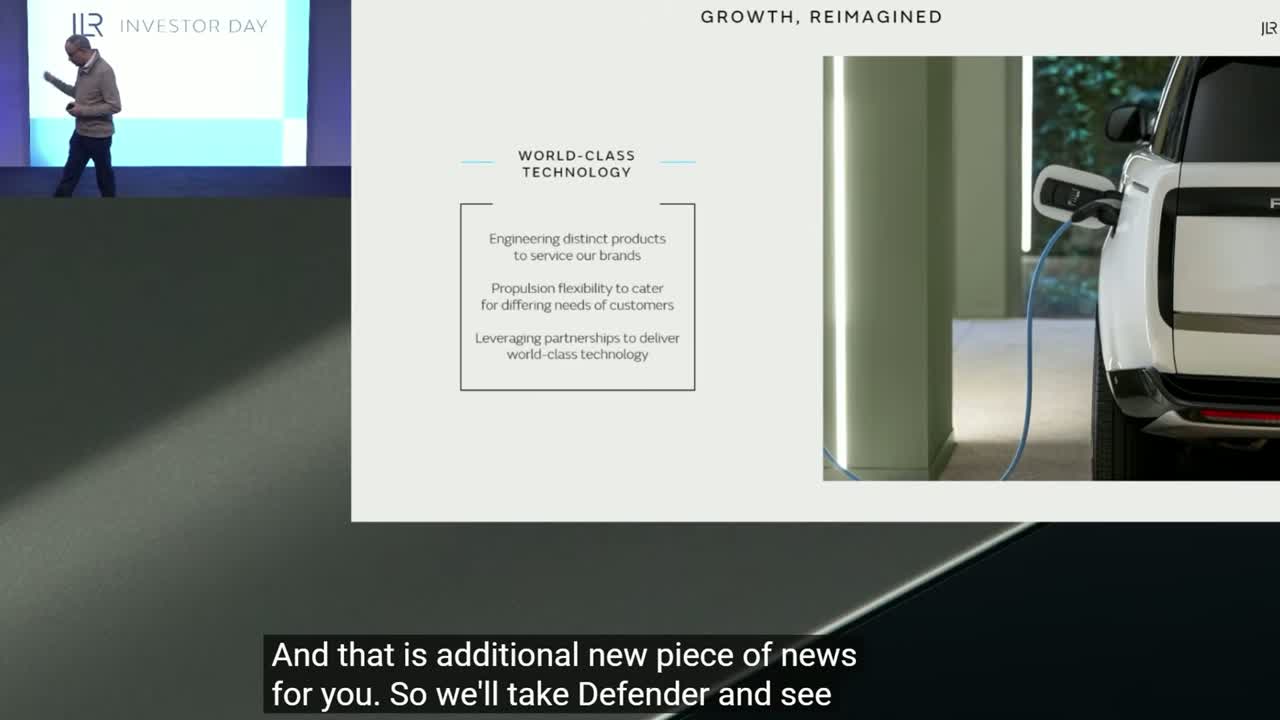
On July 22, Range Rover pulled the covers off the GT — the fifth member of the family and the first model on JLR’s new Electrified Modular Architecture (EMA) platform. It’s a grand tourer with coupé proportions and a lower, more car-like stance than any Range Rover before it, yet it’s still expected to keep the brand’s all-terrain chops. It launches as a battery-electric vehicle first, with a full-hybrid option planned later.
Powertrain numbers aren’t official yet, but reporting points to an 800-volt architecture, a battery exceeding 100 kWh, and charging around 350 kW. A camouflaged prototype displayed roughly 288 miles of remaining range at 80% charge — suggesting a real-world total approaching 360 miles (about 580 km). For context, the upcoming Range Rover Electric on the older MLA platform is expected to deliver about 542 hp, 627 lb-ft of torque, a 118 kWh battery, roughly 300 miles of range, and up to 350 kW charging.
| Model | Platform | Battery | Peak charge | Target range |
|---|
| Range Rover GT (EV) | EMA (new) | >100 kWh (expected) | ~350 kW (expected) | ~360 mi (prototype) |
| Range Rover Electric | MLA Flex | 118 kWh | 350 kW | ~300 mi |
| Charge architecture | 800V-class | NMC prismatic | DC fast | Corridor-ready |
The takeaway for US buyers: the luxury EV conversation is shifting from “can it go off-road?” to “is the software, range, and charging speed good enough to live with daily?” Range Rover is betting its most road-focused model yet answers yes.
3. Ford and Geely just rewired the transatlantic EV supply chain
This is the story with the longest tail. Ford and China’s Geely announced a Europe-focused manufacturing joint venture built around Ford’s underused Valencia, Spain plant. Ford owns 66%, Geely 34%. Operations begin in the first half of 2027 (pending approvals), with the first vehicles rolling out in 2028 — starting with the Geely EX5 electric SUV already sold in Europe.
Why it matters for price: the Valencia plant has capacity for about 500,000 vehicles a year but ran at just 26% utilization in 2025. Pooling volume lets both companies spread cost and chase the EU’s looming “Made in Europe” local-content rules. For Ford, it’s a hedge against fixed-cost drag; for Geely, it’s a first European factory. The pact also advances Ford’s plan to put five new multi-energy passenger vehicles in European showrooms by 2029.
It’s a reminder that the “who builds your EV” question is now global. The cheaper, more competitive EVs of 2028 will come from exactly these cross-border deals.
4. Ford’s $1,100 trick turns your truck into a home generator
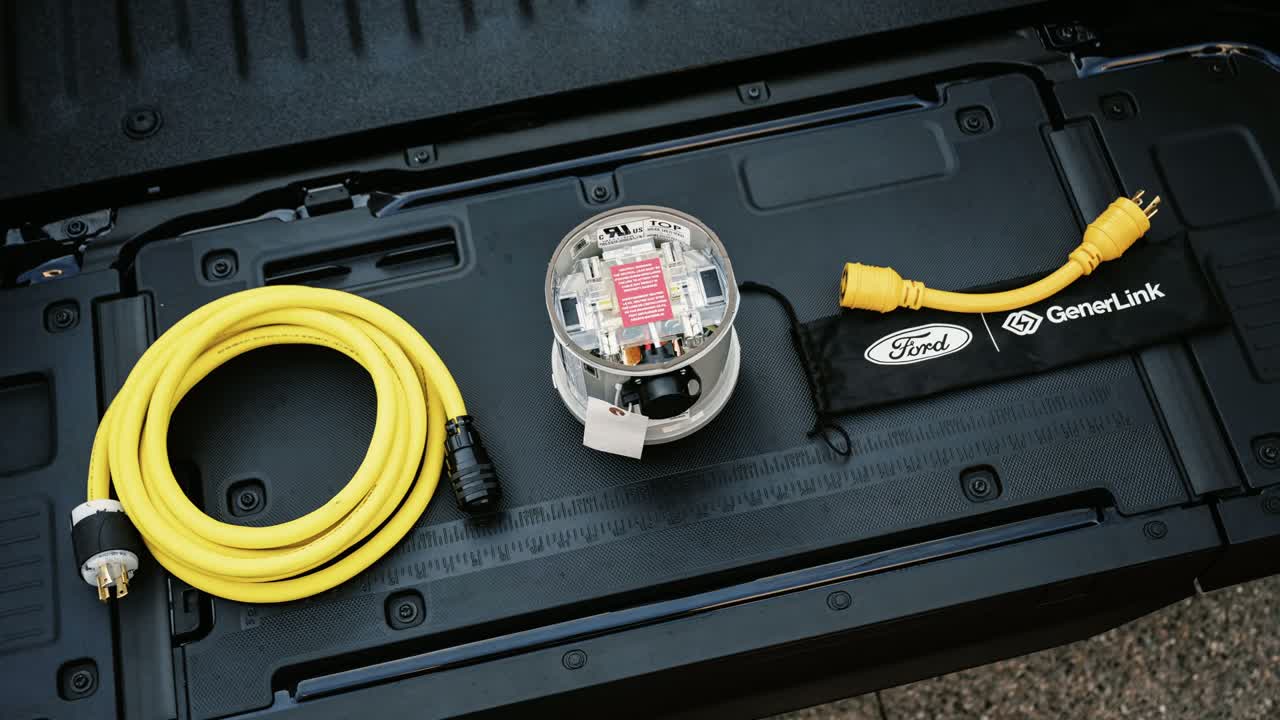
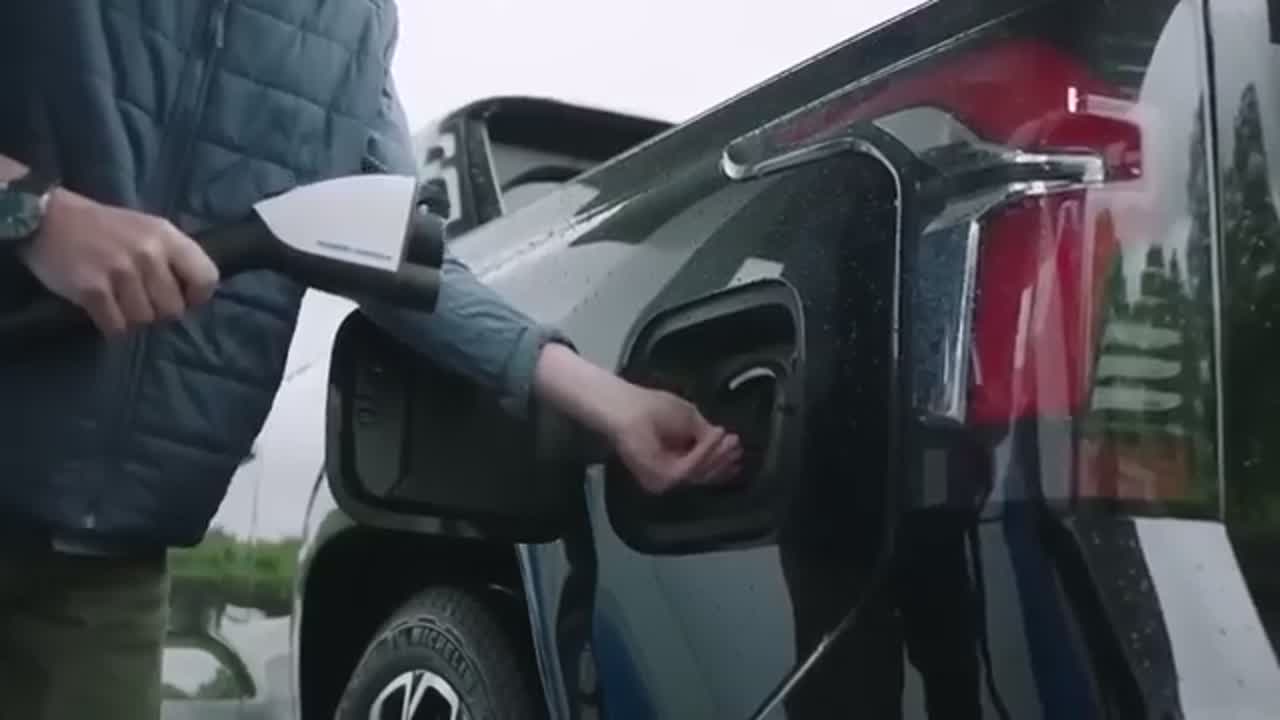
Here’s the practical one. Ford partnered with Global Power Products to make the GenerLink transfer switch compatible with the 240-volt Pro Power Onboard outlet on select F-150 Lightning and F-150 PowerBoost hybrid trucks. Instead of running extension cords through a window, you connect one cable from the truck to a transfer switch at your meter, and your home’s panel runs off the truck.
The hardware bundle — GenerLink switch, 20-foot GenerLok cord, and a specially engineered 12-inch Ford Vehicle Connector — runs about $1,100. Meter-mounted installation (already approved by 800+ utilities) typically adds $250–$450; a meter-adjacent option runs $1,000–$1,500. Total installed cost lands around $1,350–$1,550 — far below a whole-house generator or Ford’s earlier home integration system.
Endurance is the headline: Ford estimates a standard-range Lightning powers an average home for up to 2 days, an extended-range Lightning for up to 3 days, and a PowerBoost hybrid for up to 5 days. The dedicated Ford Vehicle Connector prevents the truck’s built-in GFCI from tripping — the usual failure mode with DIY setups.
Affordability vs whole-house generator
5. Ford’s European EV sales jumped nearly 50% — and that matters to US buyers
The joint venture makes more sense against Ford’s European momentum. In Q1 2026 alone, Ford recorded 42,674 EV deliveries in Europe — a 49.9% year-over-year surge that lifted it to the 10th best-selling electric brand with a 3.9% share. Battery-electric vehicles made up about 61.8% of those sales. That scale is exactly what funds the cheaper platforms (hello, the Renault-based affordable EVs due around 2028) that eventually reach US showrooms.
Cross-market, the pattern is clear: legacy automakers that scale EVs in tight-regulation Europe are the ones that can price them competitively everywhere else. What Ford learns about cost in Valencia shows up in your trade-in value later this decade.
The week at a glance
| Story | Key number | Why it matters to you |
|---|
| Illinois rebate + NEVI | Up to $4,000; 350 kW live | Real savings + corridor charging |
| Range Rover GT | 800V, ~360 mi (prototype) | Luxury EV goes mainstream |
| Ford–Geely JV | 66/34 split; 500k capacity | Lower future EV costs |
| Ford GenerLink | ~$1,100; up to 5 days | Truck-as-generator, affordably |
| Ford EU sales | +49.9% YoY; 3.9% share | Scale drives US pricing |
Is the Illinois $4,000 rebate stackable with the expired federal credit?
No. The federal $7,500 clean-vehicle tax credit expired on September 30, 2025, so it cannot be combined. The Illinois rebate stands on its own for eligible residents who buy from an Illinois-licensed dealer and keep the vehicle in-state for at least 12 months. Low-income applicants effectively double the base $2,000 to $4,000.
Can I use Ford’s GenerLink setup on any F-150?
It requires an F-150 Lightning (9.6 kW Pro Power Onboard) or an F-150 PowerBoost Hybrid (7.2 kW Pro Power Onboard) with the 240-volt outlet, model years roughly 2021–2026 for the hybrid and 2022–2025 for the Lightning. Your local utility must approve the meter-mounted install, or you use the meter-adjacent option with a licensed electrician.
Related reading on EVCUBE
Want the deeper context behind this week’s moves? These pieces map directly to the stories above:
Sources