No products in the cart.
California Just Brought Back EV Rebates — $3,500 for First-Time Buyers, No Income Cap
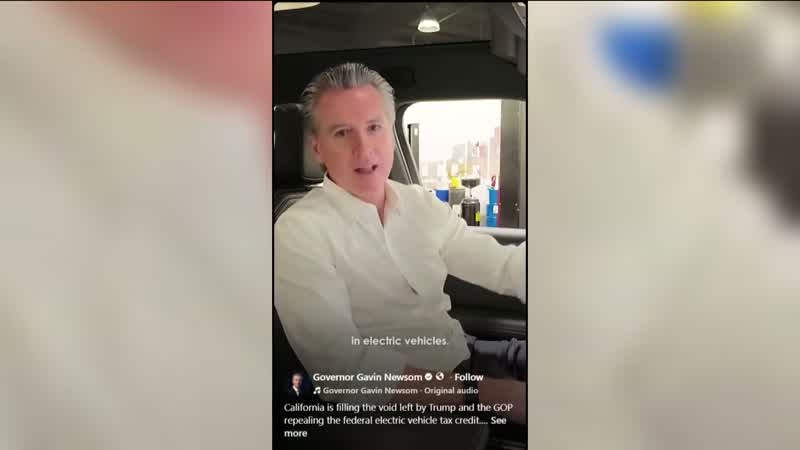
With the federal $7,500 credit gone, California didn’t wait. Governor Newsom signed SB 168 into law, putting a $3,500 instant rebate on a first new EV and $1,750 on a used one — with no income limit. For American buyers, the country’s largest EV market just became the clearest signal of where incentives are headed next.
On July 14, 2026, Governor Gavin Newsom signed SB 168 — the MyFirstEV program — into law. It creates an instant, point-of-sale rebate for Californians buying their first zero-emission vehicle: $3,500 off a new EV priced up to $50,000, and $1,750 off a used EV priced up to $25,000. The program is funded by $135.5 million in state money, matched dollar-for-dollar by participating automakers — roughly a $271 million pot. And unlike most clean-car aid, there is no income cap.
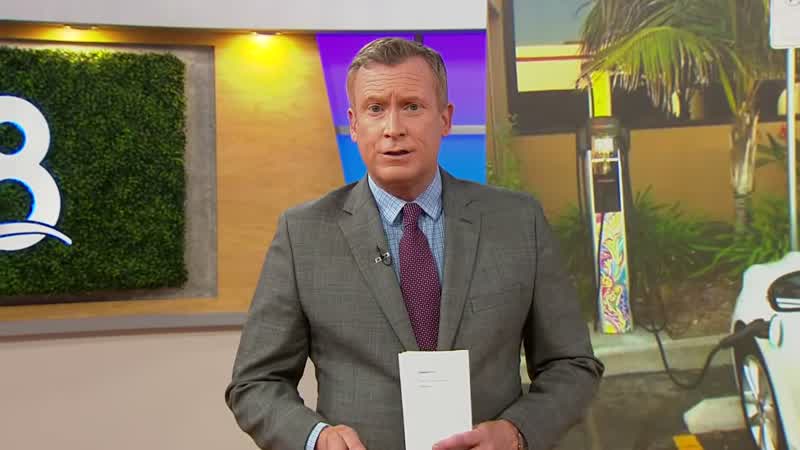
Signal for buyers: If you’ve never owned an EV and you’re shopping in California later this summer, a first new EV under $50,000 effectively drops $3,500 at the register — no tax-form gymnastics required.
Why California is doing this now
The timing is the story. The federal $7,500 new-EV and $4,000 used-EV credits ended for vehicles bought after September 30, 2025 (under the legislation often called the “One Big Beautiful Bill”). Sales spiked ahead of the deadline, then cooled afterward — exactly the slump Sacramento is trying to arrest. Newsom’s line was blunt: “As Washington sees walking away from the future, we are investing in you.”
For context on how unusual the U.S. market now looks: China’s NEV penetration crossed 62.92% in June 2026, while the American market sits near single-digit share and is now losing federal purchase support. California is effectively trying to hold the line on its own.
What the fine print actually says
- First-time buyers only: verified by attestation that you haven’t previously owned a zero-emission vehicle.
- Price caps: new EVs must be $50,000 or less; used $25,000 or less.
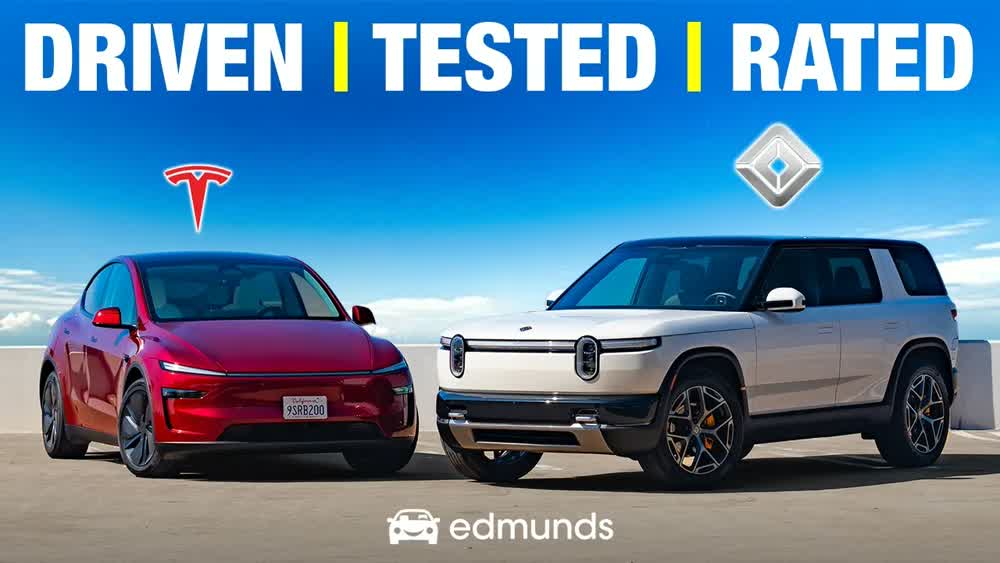
- The California loophole: vehicles from manufacturers headquartered in California — Rivian and Lucid — are exempt from the $50,000 cap. Tesla, now based in Texas, is capped at $50,000, so only its cheaper trims qualify.
- No income limit: anyone, regardless of earnings, can claim it (a deliberate contrast with income-targeted programs).
- When: the governor’s office says it takes effect “sometime in late summer” 2026; exact date and participating brands are still TBA.
SB 168 vs. the other California programs
SB 168 is not the only game in town. California runs a layered incentive stack, and the right one depends on your income and whether you’re scrapping an old car.
| Program | Amount | Income limit | Who |
|---|---|---|---|
| SB 168 (MyFirstEV) | $3,500 new / $1,750 used | None | First-time ZEV buyers |
| DCAP (Driving Clean Assistance) | up to $12,000 + $2,000 charging | <300% federal poverty level | Lower-income, often scrapping old car |
| Old CVRP (ended) | up to $7,500 (state) | Yes | Discontinued |
| Federal credit (ended 9/30/25) | $7,500 new / $4,000 used | Yes | Discontinued for 2026 buys |
If you’re lower-income and replacing an older, high-polluting car, DCAP can reach $12,000 plus a $2,000 charging incentive — far more than SB 168, but only if you qualify. For everyone else, SB 168 is the broad, no-strings-attached option.
The bigger picture: states fill the federal vacuum
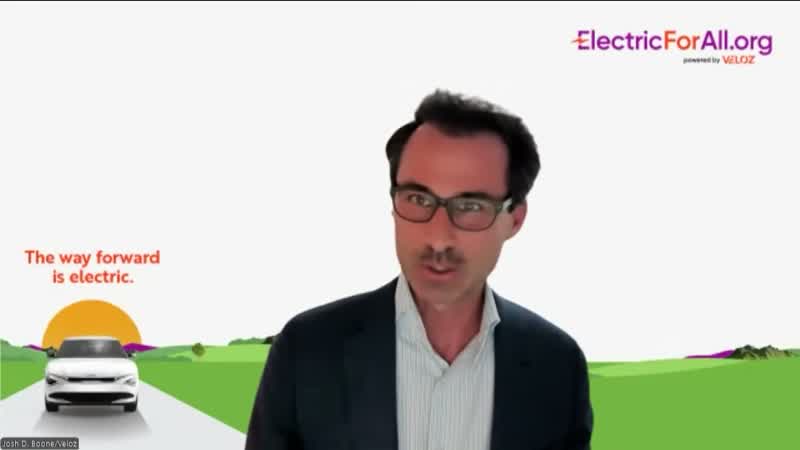
California is the bellwether. When the federal credit disappeared, the burden of keeping EV adoption moving shifted to states, utilities, and local air districts. California’s move — state cash matched by automakers — is a template other blue states are watching closely. Veloz, a nonprofit pushing electrification, even stood up electricforall.org, where you type a zip code and get every local incentive.
“That little incentive up front is a key motivator.” — Josh Boone, founding executive director of Veloz
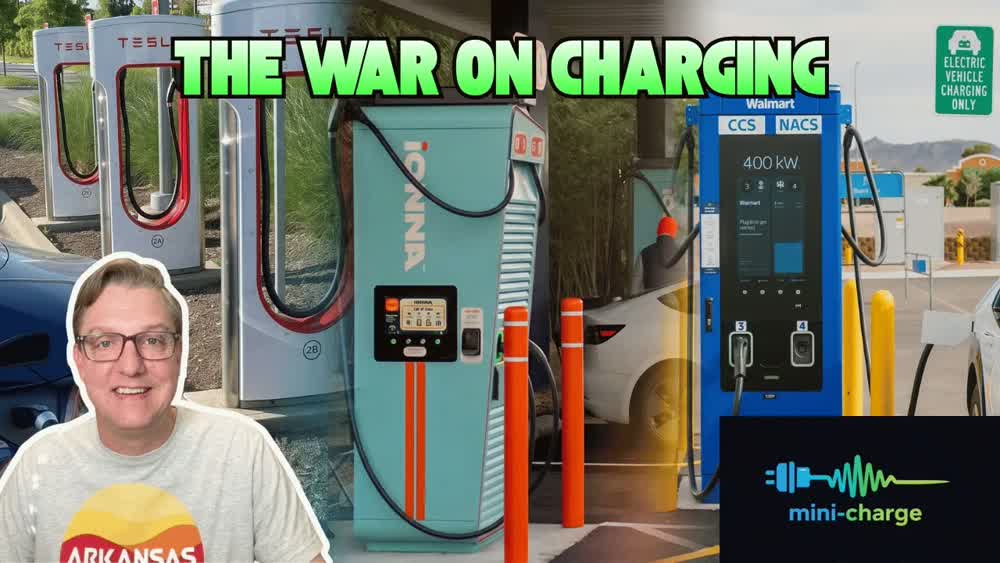
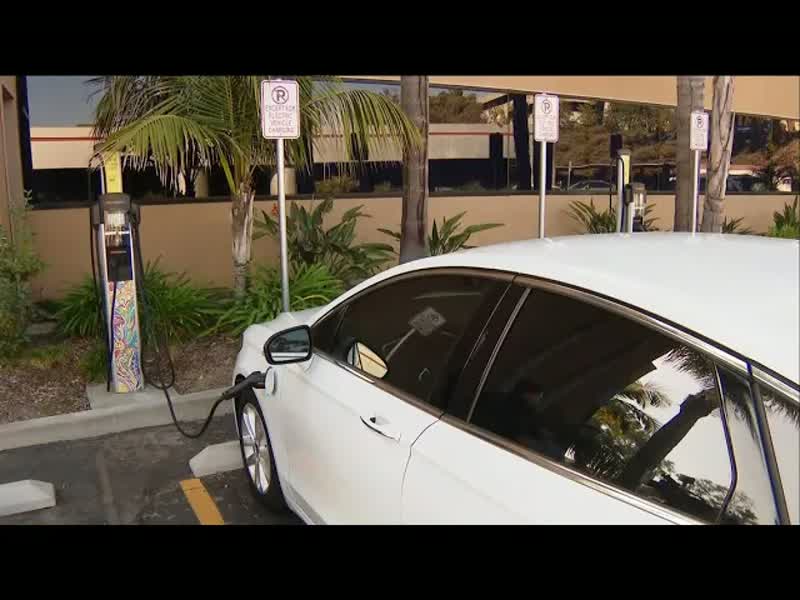
And incentives only matter where you can charge. California now has well over 170,000 public charging ports, and networks keep spreading onto everyday routes — Walmart’s charging network has already reached 73 U.S. sites in parking lots where you already shop. Rebate plus plugs is what actually converts a hesitant shopper.
Is $3,500 enough?
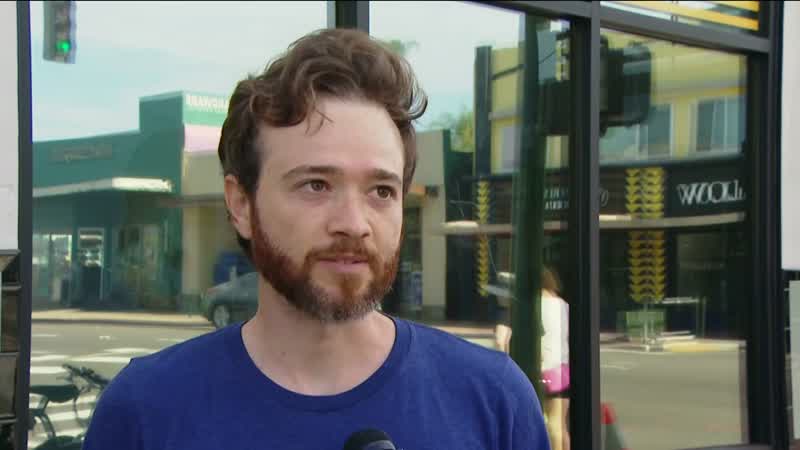
For some, no. One San Diego resident in the report noted the overall price is still out of reach for most Californians and argued the money might be better spent on transit. But a first-time buyer already considering an EV called the rebate “a game changer” on the electricity-versus-gas math. The rebate doesn’t make a $50k car cheap — it removes one more excuse.
FAQ
Who qualifies for the $3,500 California rebate?
Any California resident buying their first zero-emission vehicle, with no income limit. The new EV must be priced at $50,000 or less (waived for California-headquartered makers Rivian and Lucid), or a used EV at $25,000 or less. You attest you’ve never owned a ZEV.
When does it start?
The governor’s office says “late summer” 2026. No exact date is set yet, and the list of participating automakers hasn’t been released. Watch for the launch announcement before you assume a specific model qualifies at the register.
Can I combine this with the federal tax credit?
No. The federal $7,500 new and $4,000 used credits ended for vehicles acquired after September 30, 2025. For a 2026 purchase there is no general federal purchase credit left — SB 168 is the headline offer for typical California buyers now.
Is there a bigger rebate if I’m lower-income?
Yes. The Driving Clean Assistance Program (DCAP) can reach $12,000 plus a $2,000 charging incentive for income-qualified households (below 300% of the federal poverty level), especially those scrapping an older car. It requires pre-approval before you buy.
Sources:
- Kelley Blue Book — California Offers $3,500 Rebates for First-Time EV Buyers (SB 168, signed July 14, 2026)
- CalMatters / Los Angeles Times — Newsom EV rebates, automaker match, price-cap loophole
- Legal Clarity — California EV Rebate Income Limits: SB 168, DCAP, utilities (300% FPL tiers)
- Recharged — EV Incentives in California 2026; federal credit ended Sept 30, 2025
- Related EVCUBE: China 62.92% penetration, Walmart charging network