No products in the cart.

The EV Price War Is Real Everywhere — Except in the U.S.
Electric cars got cheaper in basically every major market this year. The exception is the one American buyers live in. While a BYD Atto 3 now starts under $16,000 in Australia and China’s average new car sells for less than half America’s, U.S. prices are flat-to-rising — and the reason is policy, not physics.
There’s an article making the rounds claiming electric cars got cheaper in the United States this year. Technically true — but misleading. EVs got cheaper everywhere this year. The U.S. just saw the smallest drop of any major market, and in some segments prices are still climbing. If you only read American headlines, you’d think the price war is mild. Look at the rest of the world and it’s a rout.
The numbers that prove it
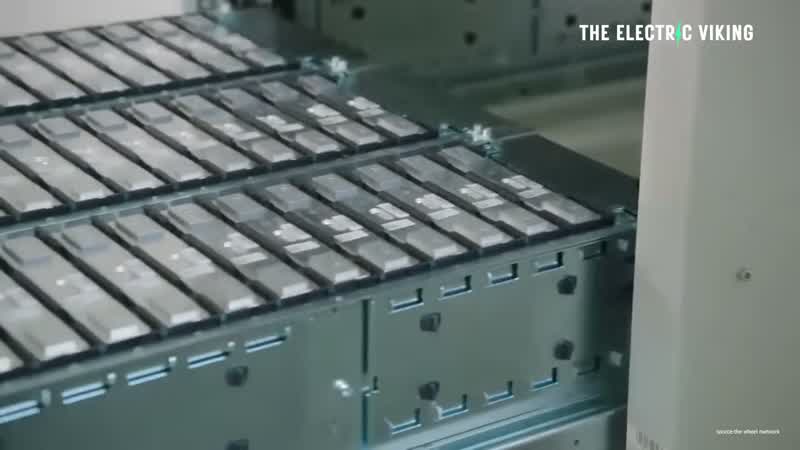
BloombergNEF’s latest survey puts the global average lithium-ion pack price at $108 per kWh — down 8% year over year and a record low. In China, packs average just $84/kWh, literally half what they cost two years ago at the pack level. U.S. battery-electric packs came in under $100 for the second year running. Cheaper cells mean cheaper cars, and that effect is showing up on every continent except, partially, ours.
- China: the average new vehicle now sells for about $24,000 — less than half the U.S. average. Car prices there fell ~19% over two years, and EVs are now cheaper than equivalent gas cars across almost every segment.
- United States: the average new car sells for about $56,000, and U.S. car prices are going up while China’s fall.
- Australia (exhibit A): two years ago the cheapest new EV cost ~$31,000 USD. Today the BYD Atto 3 starts around $16,000 USD (A$23,990), and the BYD Dolphin sits just under $30,000 AUD. The price war is being exported — and Australia opened its market.
Signal for U.S. buyers: The global price war is real and steep. America is the outlier — not because EVs cost more to build here, but because trade policy keeps the cheapest ones out.

Why the U.S. is the exception
Two forces. First, tariffs: Chinese EVs face 100%+ tariffs in the U.S., effectively keeping them out entirely. Europe added its own tariffs (roughly 17.4% on top of 15%), which is why European prices fell less than the rest of the world too — but the U.S. wall is the highest. Second, the federal credit disappeared: the $7,500 new-EV and $4,000 used-EV credits ended for vehicles bought after September 30, 2025. So even as underlying costs dropped, American buyers lost the discount that used to offset them.
“If you only follow the American headlines, then they’re cheaper by a few percent. But in other countries, the prices have fallen even more.”
How the world stacks up
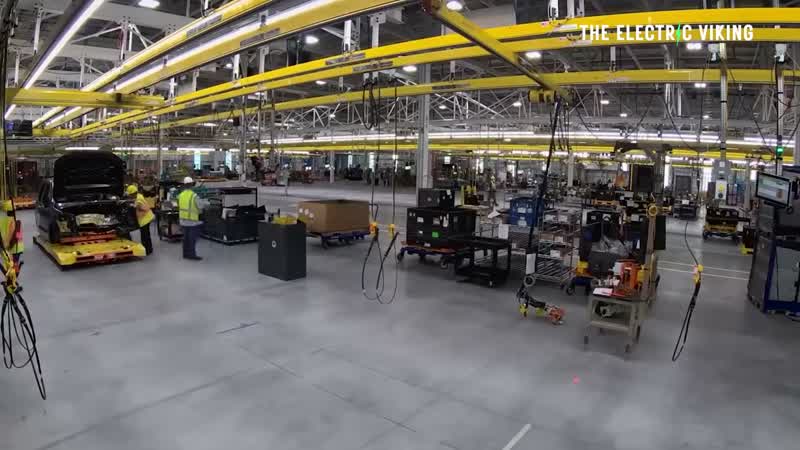
| Market | Avg new car | EV price trend | Why |
|---|---|---|---|
| China | ~$24,000 | −19% in 2 yrs | Scale, brutal competition, cheap packs ($84/kWh) |
| Australia | mid-market | steep drop | Open market, no tariffs on Chinese brands |
| Europe | higher | modest drop | Tariffs on Chinese EVs/batteries |
| United States | ~$56,000 | flat / rising | 100%+ tariffs + expired federal credit |
The irony is sharp: the countries most worried about Chinese EV competition made EVs more expensive for their own consumers. Meanwhile BYD and rivals, facing brutal margins at home, are flooding overseas markets — and outside China, prices run 40–50% higher, meaning there’s still enormous room to fall further as the discount gets exported.
What this means for an American shopper
If you’re buying in the U.S. right now, you’re not getting the global discount. But you’re not powerless:
- Leases and run-out deals still surface as automakers clear inventory and shift strategy.
- Used EVs are where American buyers actually capture value — depreciation on early EVs has been steep.
- State rebates matter more than ever — California’s revived $3,500 first-buyer credit (SB 168) is exactly the kind of state-level patch the federal exit created. (See our California rebate breakdown.)
For the bigger picture: China’s NEV penetration hit 62.92% in June 2026 precisely because prices collapsed to where EVs undercut gas cars. The U.S. market, stuck near single-digit share, is paying a policy premium for that distance. And whenever these cars do land, they’ll need plugs — Walmart’s charging network has already reached 73 U.S. sites.
The bottom line
EVs aren’t expensive because they’re hard to build. They’re expensive in America because we tax the cheap ones at the border and let the federal discount lapse. The global price war is real — U.S. buyers are just standing on the wrong side of it.
FAQ
Are EVs actually cheaper in the U.S. this year?
Yes, but only by a few percent — far less than the rest of the world. Headline U.S. EV prices barely moved while China, Australia, and much of Asia saw double-digit drops, because tariffs and the expired federal credit offset falling battery costs.
Why can’t we buy the cheap Chinese EVs?
U.S. tariffs on Chinese EVs exceed 100%, which more than doubles the dock price of a $10,000 car to $25,000–$30,000. That tariff wall is the single biggest reason American buyers don’t see the global discount.
Will U.S. EV prices ever catch up?
Possibly, but slowly. Domestic producers face the same high input costs without China’s scale, and legacy makers have canceled low-cost EV programs they couldn’t price competitively. State rebates and used-EV depreciation are the near-term levers for American buyers.
Where are EVs cheapest right now?
China leads by a wide margin — average new car around $24,000, with many EVs under $20,000. Australia, which imposed no tariffs on Chinese brands, has seen the BYD Atto 3 fall to roughly $16,000 USD.
Sources:
- The Electric Viking — “EV Prices Just Collapsed Worldwide — Except in One Country” (July 15, 2026)
- BloombergNEF 2026 battery price survey — global pack $108/kWh (-8%), China $84/kWh
- Automotive World — China EV price war: BYD discounts hit record 10% (March 2026)
- GM reversing / price-war analyses — U.S. 100% tariff on Chinese EVs; Europe +17.4% on 15%
- Related EVCUBE: China 62.92% penetration, California rebate, Walmart charging