No products in the cart.
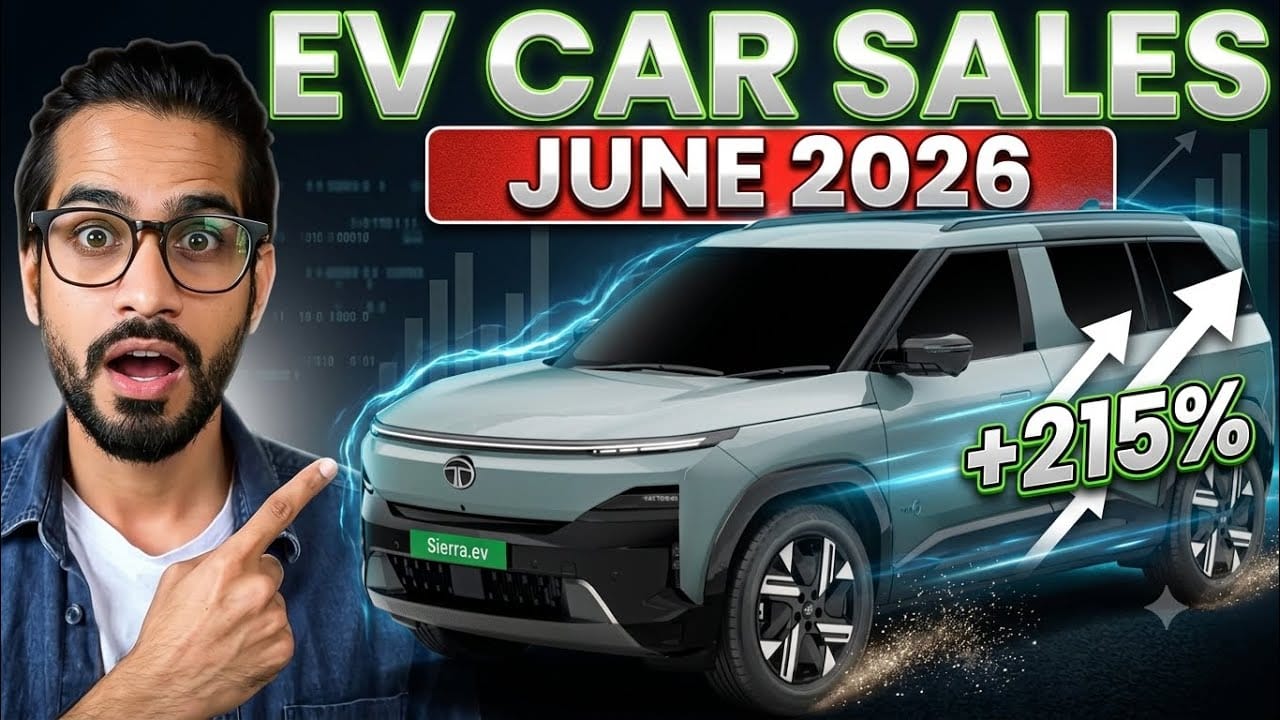
The electric vehicle market continues to evolve rapidly, with new technology, shifting consumer preferences, and changing policy landscapes. This video captures a key moment in that evolution, and this analysis unpacks the broader context behind it.
Video highlights
What the video shows
Key moments from the video
What the footage reveals


Key data
Numbers that put the topic in perspective
IEA confirms the world sold more than 20 million electric cars, about 25% of the global car market.
China leads the world in EV adoption with over half of new car sales being electric.
China dominates battery cell manufacturing, supplying most of the world’s EV batteries.
Battery cost reductions and scale are making EVs more affordable year over year.
Analysis
Breaking down what this means
Market dynamics
EV adoption is accelerating globally, driven by falling battery costs, expanding charging infrastructure, and a growing model selection. The market is transitioning from early adopters to mainstream buyers, bringing new challenges and opportunities.
Competitive landscape
Traditional automakers, new EV-native companies, and Chinese exporters are all competing for market share. Pricing pressure is intensifying, benefiting consumers but squeezing margins across the industry.
The road ahead
The next phase of EV adoption will be shaped by affordability, charging convenience, and policy support. Markets that address all three factors are seeing the fastest growth rates, while others risk falling behind.
Comparison
How the options stack up
| Factor | Detail |
|---|---|
| China market | Scale and cost leadership drive global EV prices down. |
| Europe market | Strong policy support and charging infrastructure. |
| North America market | Growing model selection and charging network expansion. |
FAQ
Common questions
Is the EV market growing or slowing down?
Global EV sales continue to grow, reaching 20 million units in 2025, about 25% of the car market. Growth rates vary by region, with China leading and some European markets experiencing slower near-term growth.
What are the biggest barriers to EV adoption?
Charging infrastructure availability, upfront purchase price, and range anxiety remain the top concerns for consumers. Each of these is improving, but progress is uneven across markets.
Which EV brands are leading the market?
BYD leads globally by volume, Tesla leads in revenue and brand recognition. In China, companies like BYD, NIO, and XPeng are major players. Traditional automakers like Volkswagen and Hyundai are increasing their EV market share.
Sources