No products in the cart.
The EV Winners and Losers of 2026 (So Far) – and Tesla’s Quiet Comeback

America’s electric-vehicle market just posted its first genuinely encouraging quarter since the federal $7,500 tax credit disappeared. The headlines, though, are not what you’d expect. A brand everyone wrote off is back on top, a Japanese giant nobody took seriously is suddenly a top-five seller, and the Detroit automaker that bet biggest on affordable EVs is watching its volume evaporate. Here is who is winning, who is losing, and why Tesla’s comeback is quieter — and bigger — than the noise suggests.
The rebound that makes “so far” matter
After the tax credit expired in September 2025, U.S. EV sales cratered, and the first quarter of 2026 was the trough. Cox Automotive estimates now show 247,226 EVs sold in Q2 2026 — a 14.7% jump from Q1 and the best quarter since the credit ended. The catch is the comparison: that is still 20.5% below the same quarter a year ago, and EVs make up just 5.8% of all new-vehicle sales. Translation — the patient is stabilizing, not healed. Gas prices hovering near $5 a gallon and fresh state incentives, including California’s new “My First EV” rebate, are doing the work the federal credit used to.

The quiet comeback: Tesla isn’t just winning, it’s dominating
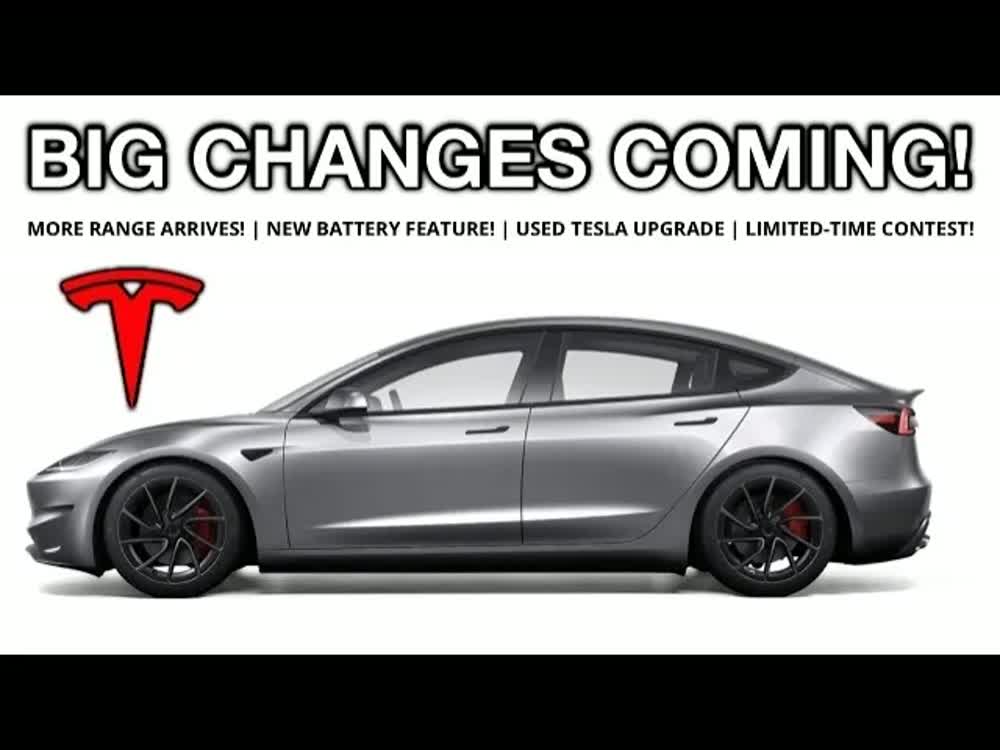
This is the story the InsideEVs “Plugged In” crew flagged first, and the numbers back them up. Tesla delivered an estimated 124,800 vehicles in the U.S. in Q2 — a 50.5% share of the entire market. Across the first half, Tesla accounted for 52.3% of every EV sold in America, some 242,100 units. No other brand comes close; Chevrolet, the distant number two, managed just 6.1%.
And Tesla’s growth is real, not just a smaller-pie effect. The Model Y climbed 8.8% year over year to 163,454 units in the first half, and roughly one in three EVs sold in the U.S. is a Model Y. Globally the comeback is louder still: Tesla delivered 480,126 vehicles worldwide in Q2 2026, up 25% year over year and its best Q2 ever — the first annual growth in roughly two years, powered by the refreshed “Juniper” Model Y rolling out across every region.

The breakout nobody predicted: Toyota’s 225% leap
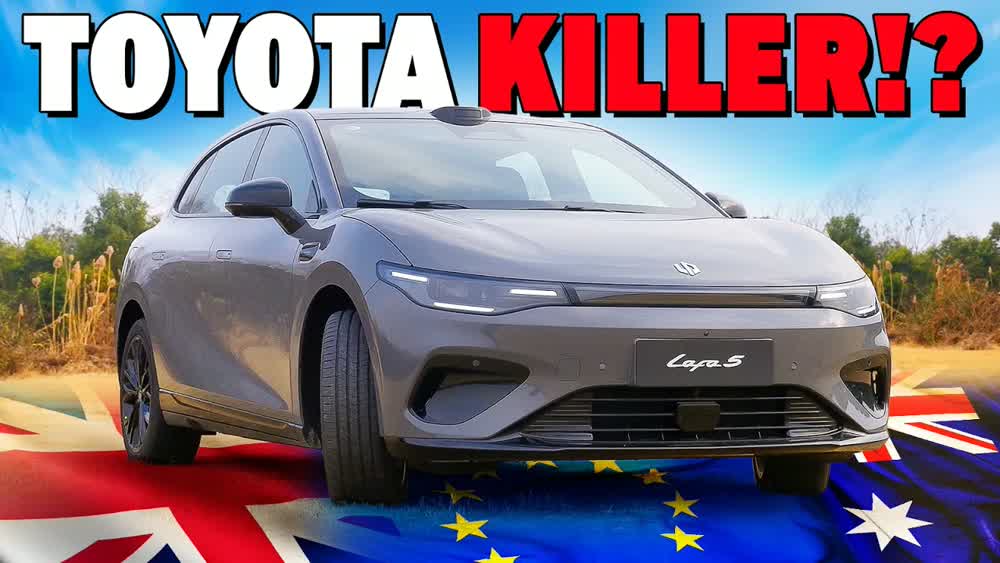
If Tesla is the steady winner, Toyota is the surprise. Toyota sold 11,826 EVs in Q2 — up a staggering 225% year over year — and 21,855 in the first half (+136%), vaulting it into the top five U.S. EV brands ahead of Cadillac. The 2026 bZ alone moved 17,553 units through June, making it the fourth-best-selling EV in America behind only the two Teslas and the Hyundai Ioniq 5. A brand once mocked for being late to electrification is now out-selling legacy EV pioneers.

Buyer takeaway: Toyota’s rise is the clearest sign that “good enough, affordable, and actually available” beats “ambitious but scarce.” The bZ is not the most exciting EV on the road, but it is the rare one buyers can find, finance, and service without a fight.
The steady non-Tesla champs
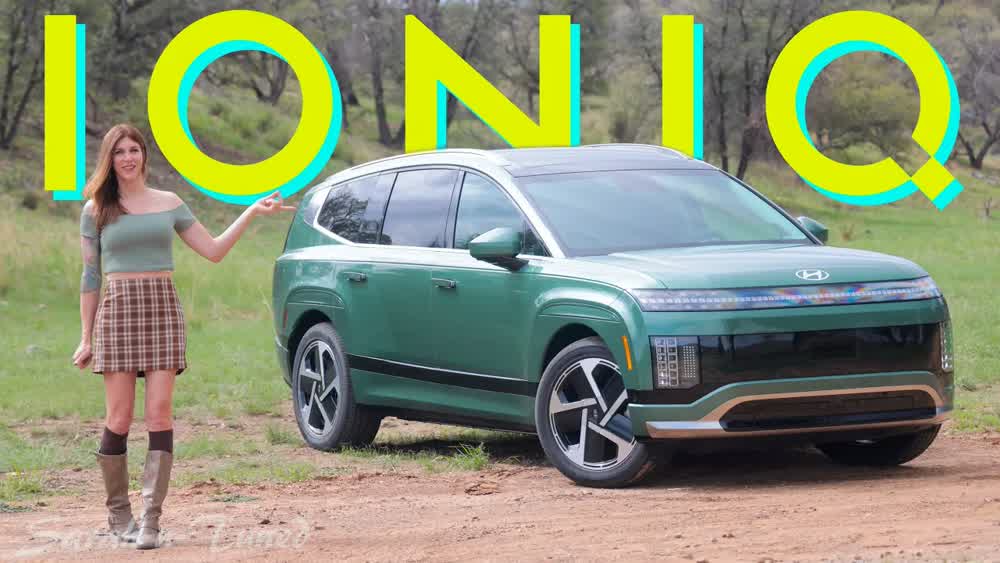
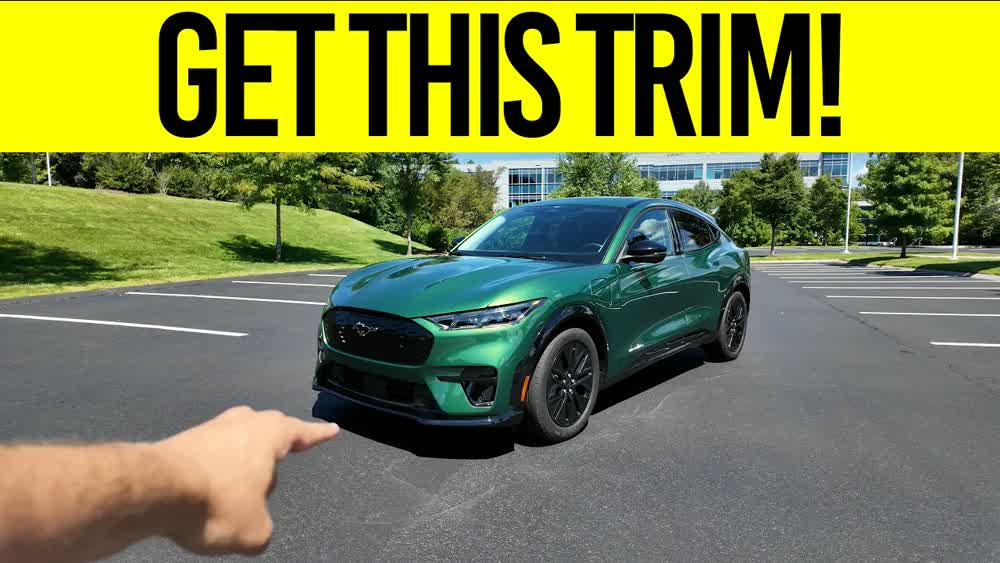
Outside Tesla, the winners are the cars that simply showed up with the right price. The Hyundai Ioniq 5 remains the best-selling non-Tesla EV at 20,730 units in the first half (+8.6%). The Ford Mustang Mach-E surged 52.9% to 11,632. The Honda Prologue jumped 53.3% to 8,407. And the single steepest year-over-year growth rate on the entire board belongs to RAM: RAM EV sales surged 692.9% in the first half, from just 42 ProMaster EVs a year ago to 333. Tiny volume, but the fastest climb in the market.

The losers: GM’s volume engine stalls
The clearest loser of 2026 so far is General Motors’ affordable-EV strategy. GM’s EV share of its own U.S. sales nearly halved to 3.8% in Q2, down from 6.2% a year earlier, with total EV volume off 40.7%. The Chevrolet Equinox EV — last year’s non-Tesla sales champion — plummeted 41% in the first half to 16,249 units, and a brutal 61.8% in the quarter alone. The Blazer EV crashed 68.1% to 2,089. Cadillac’s Optiq (+43%) and the new Bolt (4,224 in the first half, starting under $29,000) softened the blow, but the volume crossover that was supposed to challenge Tesla simply lost the argument.

Winners and losers at a glance
| Player | 2026 result (so far) | Verdict |
|---|---|---|
| Tesla (Model Y) | 52.3% U.S. share H1; Model Y +8.8% YoY; 480k global Q2 | Winner — quiet, total dominance |
| Toyota (bZ) | +225% Q2; 17,553 bZ H1; top-5 brand | Winner — the breakout |
| Hyundai Ioniq 5 | 20,730 H1 (+8.6%); best non-Tesla EV | Winner — steady anchor |
| RAM (ProMaster EV) | +692.9% YoY (42 → 333) | Winner — fastest climb |
| Chevy Equinox EV | −41% H1; −61.8% Q2 | Loser — crown lost |
| Chevy Blazer EV | −68.1% Q2 (2,089 units) | Loser — middle-child squeeze |
| GM overall | EV share of sales 3.8% (from 6.2%) | Loser — strategy stalls |
| Tesla Model 3 | −34.3% H1 (66,616); Cybertruck soft | Mixed — the one soft spot |
What the split tells buyers
The 2026 market is separating into two camps: brands that shipped affordable, available EVs (Tesla, Toyota, Hyundai) are gaining share, while brands that stumbled on price, supply, or reliability (GM’s volume line) are giving it back. A shrinking overall pie is punishing everyone who isn’t laser-focused on value — and rewarding the ones who are.
What this means for you
If you are shopping in the second half of 2026, the scoreboard is actually good news. The winners are winning on price and availability, which means discounts and leasing deals on the Ioniq 5, Mach-E, and bZ are real and competitive. Tesla’s quiet comeback means the Model Y — still the safest resale bet in EVs — is easier to get than ever. The losers, chiefly GM’s Equinox and Blazer, are where the deepest markdowns live, but a discount doesn’t fix a model that lost the value argument. The tax credit isn’t coming back this year, so the math now rests on gas prices, state rebates, and total cost of ownership — and on that score, the EV case is stronger than it has been in a while.
FAQ
Is Tesla really making a comeback in 2026?
Yes, on two fronts. In the U.S., Tesla holds 52.3% of the EV market through June and the Model Y grew 8.8% year over year. Globally, Tesla delivered 480,126 vehicles in Q2 2026 — up 25% and its best Q2 ever — its first annual growth in about two years, driven by the refreshed Model Y.
Which non-Tesla brand is growing fastest?
By percentage, RAM leads with a 692.9% first-half jump (from 42 to 333 ProMaster EVs), but that is tiny volume. Among major brands, Toyota is the standout: +225% in Q2 to 11,826 EVs, enough to crack the U.S. top five ahead of Cadillac, with the bZ selling 17,553 units through June.
Why did Chevy’s Equinox EV sales collapse?
The Equinox EV fell 41% in the first half (and 61.8% in Q2 alone) as fresher, cheaper rivals arrived — the 2026 bZ, the updated Ioniq 5, and the new sub-$29,000 Bolt. GM’s overall EV share of its U.S. sales nearly halved to 3.8%, signaling its affordable-volume strategy lost momentum.
Is the overall U.S. EV market recovering?
It is stabilizing, not booming. Q2 2026 sales of 247,226 were up 14.7% from Q1 but still down 20.5% from a year earlier, and EVs are just 5.8% of new-vehicle sales. High gas prices and new state incentives are offsetting the lost federal tax credit, but the market remains well below its 2025 peak.
Sources:
- InsideEVs — “The EV Winners & Losers Of 2026 So Far + Tesla’s Big Comeback” (Plugged In podcast, Tim Levin & Mack Hogan; RAM +692.9% YoY, Tesla global rebound, Toyota strategy)
- Cox Automotive / Kelley Blue Book — Q2 2026 U.S. EV sales: 247,226 units (+14.7% QoQ, −20.5% YoY); 5.8% market share; Tesla 124,800 Q2 / 242,100 H1 (52.3% share); Model Y 163,454 H1 (+8.8%)
- Electrek — Toyota ranks top-5 U.S. EV sellers: +225% Q2 (11,826), +136% H1 (21,855); bZ 17,553 H1; Hyundai Ioniq 5 20,730 H1; Chevy Equinox EV −41% H1 (16,249)
- GM Q2 2026 sales release / eletric-vehicles.com — GM EV share of U.S. sales fell to 3.8% (from 6.2%); Equinox EV −61.8% Q2; Blazer EV −68.1%; Cadillac Optiq +43% H1
- Tesla Q2 2026 delivery report — 480,126 global deliveries (+25% YoY, +34% QoQ), best Q2 ever; Model 3 + Model Y 467,762; first annual growth in ~2 years
- evdances.com — Top 10 U.S. EV models Q2 2026: Model Y 84,863, Model 3 34,944, Ioniq 5 10,940, Toyota bZ 7,524, Mach-E 7,032, Equinox EV 6,660, R1S 6,183, Prologue 5,088, EV9 4,295, Optiq 4,236