No products in the cart.
Toyota Just Made a Major EV Market Announcement – Here’s What Changed
Toyota just broke ground on a solid-state battery that promises to erase range anxiety for good — and it lands at the exact moment the bZ is suddenly one of America’s best-selling electric vehicles. Here’s what the announcement actually changes for U.S. buyers.
For years the internet’s favorite automotive punching bag was Toyota’s EV program. The bZ4X launched to lukewarm reviews, the company’s former chairman openly questioned whether battery-electric vehicles would ever dominate, and rivals raced to “go all-electric, all at once.” Then 2026 arrived — and Toyota quietly posted one of the most explosive EV growth curves in the American market while preparing a battery announcement that could reset the whole conversation about range and charging.
The battery that changes the math
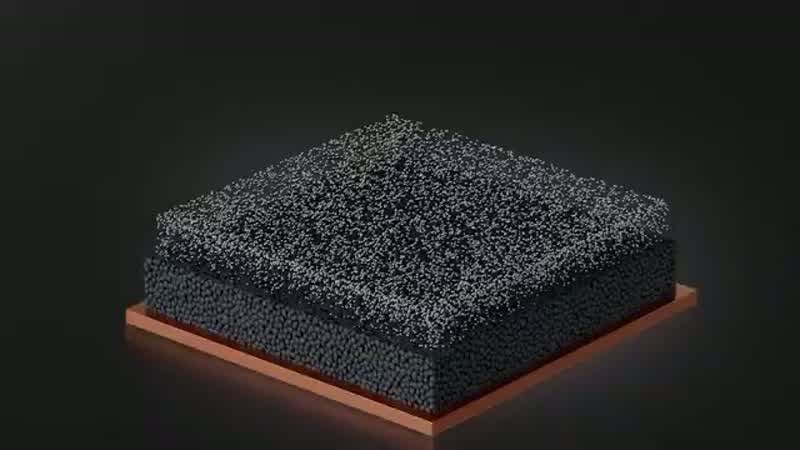
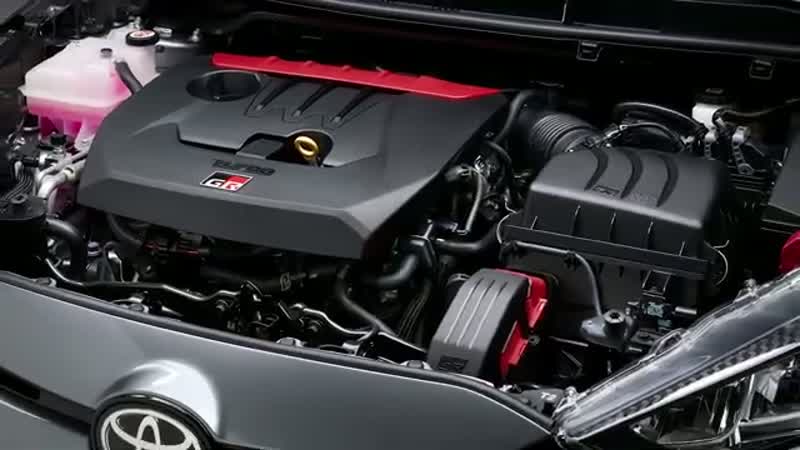
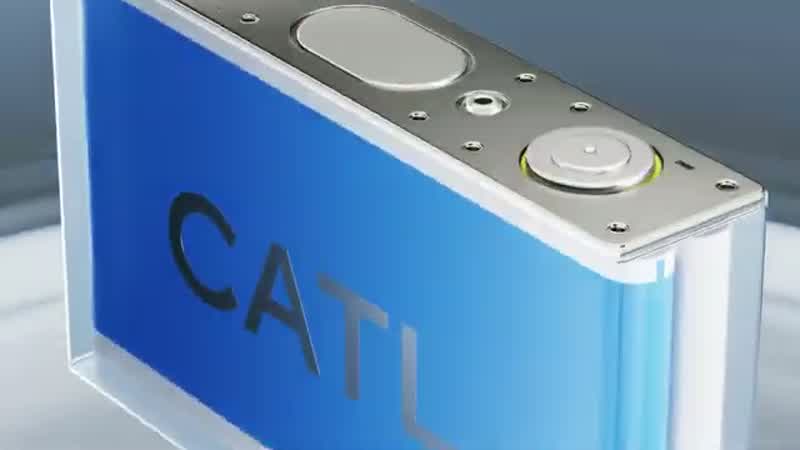
The headline announcement centers on a next-generation solid-state battery. Toyota has described a cell capable of roughly 745 miles of range on a single charge, a full recharge in about 10 minutes, and a service life measured in decades — the company has cited a design target of around 40 years before meaningful degradation. Industry reporting on Toyota’s solid-state roadmap points to commercialization between 2027 and 2028, with first applications landing in Lexus and other premium models before trickling down.
If those numbers hold, they attack the two complaints that have slowed mainstream EV adoption more than any other: “I can’t drive far enough” and “charging takes too long.” A 10-minute top-up to 745 miles is not incrementally better than today’s 30-minute, 300-mile routine — it’s a different category of vehicle. The catch, as always, is scale and cost. Solid-state batteries have been “two years away” for most of the last decade, and Toyota itself has said mass production is the hard part.
Why Toyota is suddenly a top-5 U.S. EV brand
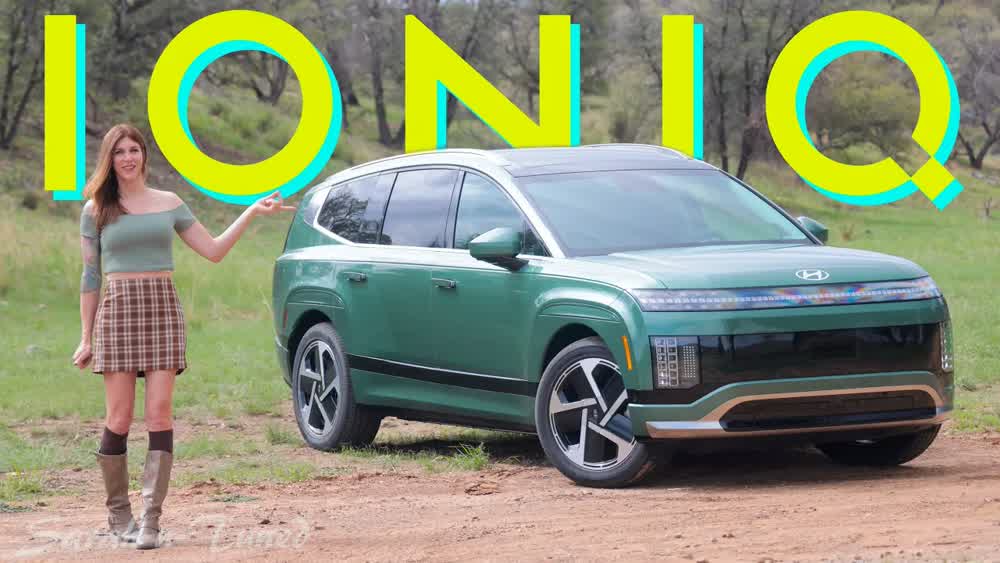
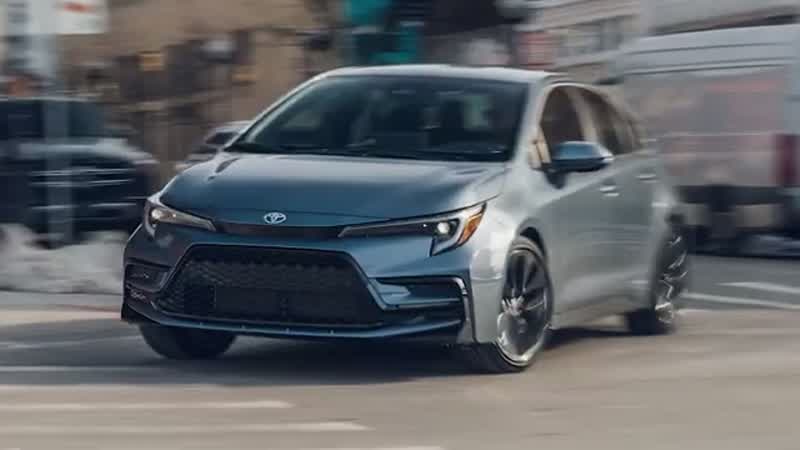
While the battery story builds, the sales story is already real. According to Cox Automotive and Kelley Blue Book estimates, Toyota ranked fourth among U.S. EV brands in the first half of 2026 with a 4.7% market share, behind only Tesla, Chevrolet, and Hyundai. Toyota’s pure-EV sales hit 21,855 units in H1 2026 — up 136% from 9,249 a year earlier. The bZ alone moved 17,553 units through June, making it the fourth-best-selling EV in America, behind only the Tesla Model Y, Model 3, and Hyundai IONIQ 5.
Counting the Lexus brand too, Toyota group EV sales reached 25,921 in H1 2026 (up 99% year-over-year) — yet that’s still only about 2.1% of its total U.S. volume. In other words, Toyota’s electric business is booming and simultaneously tiny. That gap is the entire opportunity.
The 2026 bZ: what buyers get today
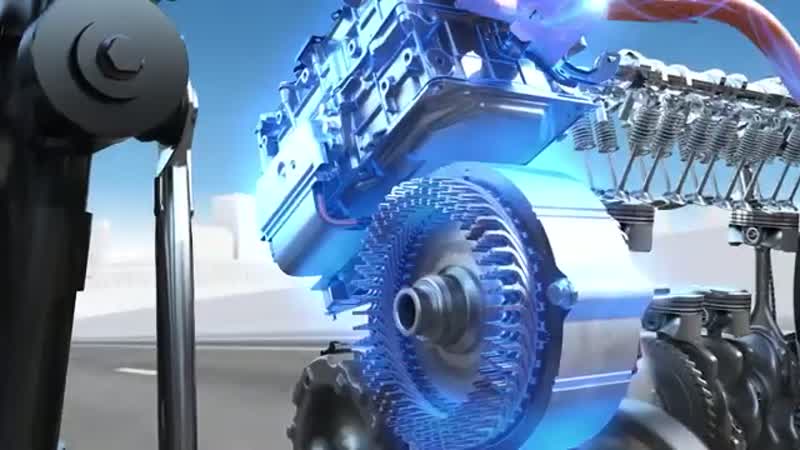
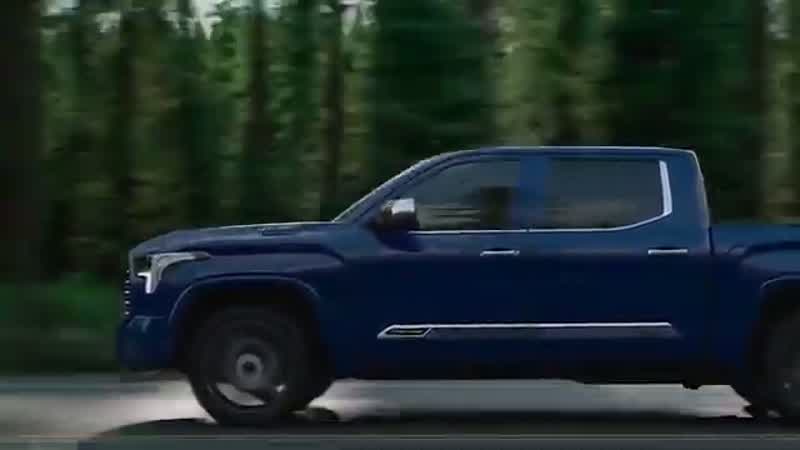
You don’t have to wait for solid-state chemistry to buy a competitive Toyota EV. The redesigned 2026 bZ starts at $34,900 and delivers up to 314 miles of range — a 25% jump over the outgoing model — with a standard NACS charge port for direct Tesla Supercharger access and a 10–80% charge in about 30 minutes. It’s one of the most affordable length-capable EVs on the market, and it’s working: the bZ is outselling several of Toyota’s own gas SUVs, including the Land Cruiser (16,412) and Sequoia (13,939) over the same period.
| Model | Starting price | Max range | U.S. sales (H1 2026) |
|---|---|---|---|
| Toyota bZ | $34,900 | 314 mi | 17,553 |
| Hyundai IONIQ 5 | ~$42,000 | ~318 mi | 20,730 |
| Chevy Equinox EV | $33,600 | 319 mi | 16,249 |
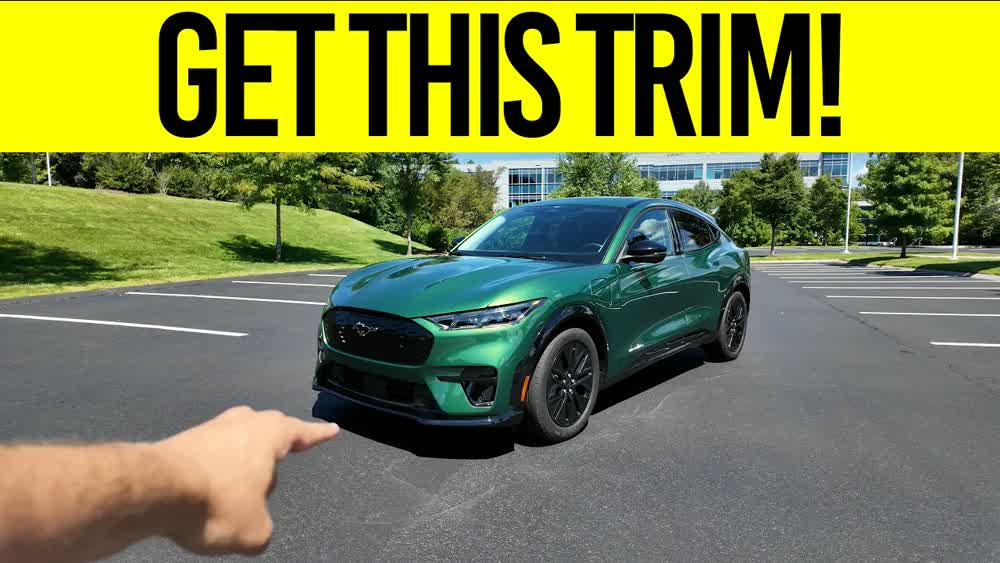
| Ford Mustang Mach-E | ~$36,000 | ~312 mi | not disclosed |
The bZ wins on price and credible range, and it slots into a dealer network with the highest mainstream brand loyalty in the industry. That combination — affordable, long-range, and backed by a trusted badge — is exactly why first-time EV shoppers are giving Toyota a second look.
Seven EVs by 2027 — and one delay worth noting
Toyota currently sells four BEVs in North America — the bZ, C-HR EV, bZ Woodland, and Lexus RZ — and plans to expand that to seven by 2027. The most important addition is the 2027 Highlander BEV, Toyota’s first electric vehicle built in North America, assembled in Kentucky with battery cells sourced from new North Carolina facilities. Toyota has committed a $10 billion investment into its Kentucky and Indiana plants to support this localized EV and hybrid production.
One caveat for buyers: Toyota recently delayed the Highlander BEV by at least two months, pushing its on-sale date past the original late-2026 target while it keeps selling the current gas and hybrid Highlanders. The same platform underpins the upcoming Lexus TZ and the Subaru Getaway, so the knock-on effects could be broad. Delays aren’t unusual in this segment — but they’re worth knowing before you plan a 2026 trade-in around a three-row Toyota EV.
Buyer takeaway: Toyota’s announcement matters less as a single battery reveal and more as proof the company is now scaling EVs on three fronts at once — affordable crossovers today, a North American-built three-row SUV soon, and breakthrough chemistry later this decade. If you want a Toyota EV now, the bZ is the deal; if you need three rows, the wait just got a little longer.
The multi-pathway bet is finally paying off
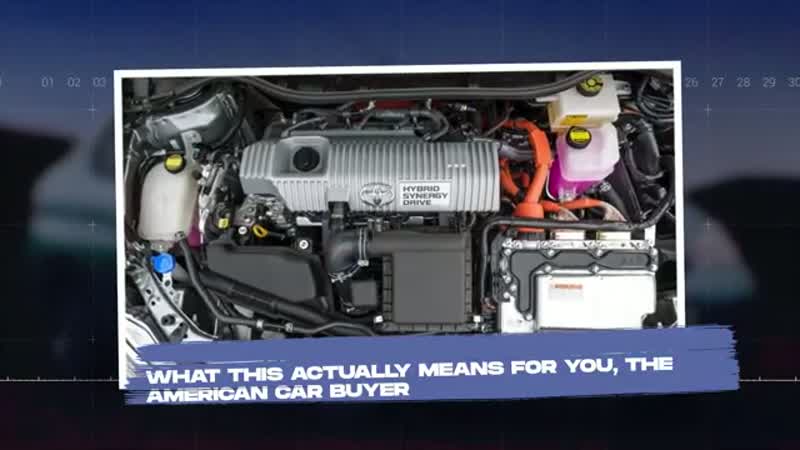
Toyota’s “multi-pathway” strategy — building hybrids, plug-ins, hydrogen, and EVs side by side — was mocked as indecision when rivals went all-in on batteries. Today it looks like hedging that protected Toyota through the end of the federal $7,500 tax credit and a choppy 2026 market. Hybrids still account for roughly 55% of Toyota’s North American volume, and that profitability underwrites the EV expansion. Former chairman Akio Toyoda famously predicted BEVs would peak at about 30% of the global market; Toyota’s own near-term U.S. goal is closer to a 15% share of the domestic EV segment.
The irony is sharp. The company critics called “too slow” just posted triple-digit EV growth, became a top-five U.S. EV brand, and announced a battery that could make range anxiety obsolete. Whether solid-state arrives on schedule is the only open question — and Toyota has the sales momentum and manufacturing muscle to keep the pressure on regardless.
FAQ
What exactly did Toyota announce?
Toyota detailed progress on a next-generation solid-state battery targeting roughly 745 miles of range, a ~10-minute full charge, and a multi-decade lifespan, with commercialization expected between 2027 and 2028. It pairs that with a rapidly expanding U.S. EV lineup and a $10B North American manufacturing investment.
How is the Toyota bZ actually selling in 2026?
Very well. The bZ moved 17,553 units in the first half of 2026, making it the fourth-best-selling EV in the U.S. behind the Tesla Model Y, Model 3, and Hyundai IONIQ 5, and helping Toyota become a top-five U.S. EV brand with 4.7% market share.
When does the Toyota Highlander EV arrive?
The 2027 Highlander BEV, Toyota’s first North America-built electric vehicle, was delayed by at least two months past its original late-2026 target. It will be assembled in Kentucky with North Carolina-sourced battery cells, with a likely early-2027 arrival.
Should I wait for the solid-state battery?
Not if you need a car this year. Solid-state models aren’t expected until 2027–2028 and likely debut in premium Lexus vehicles at a higher price. The current 2026 bZ already offers 314 miles of range and Supercharger access at a $34,900 starting price — a better near-term value.
Sources:
- Motor Zen — “Toyota BLOWS UP The Entire EV Market With Latest Announcement!” (video analysis: 745-mi solid-state battery, 10-min charge, 40-year life, multi-pathway strategy)
- Electrek — “Toyota is now among the top 5 EV sellers in the US” (Jul 14, 2026): 21,855 Toyota EVs in H1 2026, +136% YoY; 4.7% U.S. share; bZ 17,553 units; Highlander BEV delayed
- Cox Automotive / Kelley Blue Book Q2 2026 EV sales estimates: top-5 U.S. EV brands, 247,226 EVs sold in Q2
- Toyota USA Newsroom — 2026 bZ specs: up to 314 mi range, $34,900 MSRP, NACS port, 10–80% in ~30 min; four BEVs on sale (bZ, C-HR, bZ Woodland, Lexus RZ)
- Industry reporting (Gaishi/MyZaker, Autopost Global): 7 BEVs in North America by 2027; $10B Kentucky/Indiana investment; solid-state 2027–2028; Toyoda’s ~30% BEV forecast; Toyota targeting ~15% U.S. EV segment share
- evchargingstations.com — Toyota + Lexus H1 2026: 25,921 BEVs (+99% YoY), 2.1% of total volume; hybrids ~55% of North American volume