No products in the cart.
CNBC Charged · Trade, manufacturing, and the EV supply chain
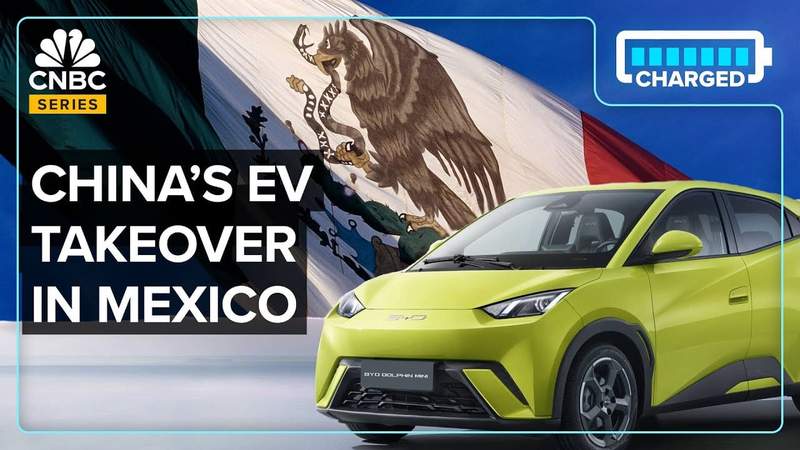
How Chinese EVs Are Taking Over Mexico: BYD, GAC, Xpeng, Tariffs, and the USMCA Debate
CNBC’s Charged episode is not just about cars. It is about how the EV business is moving through Mexico, where price, production, tariffs, and North American trade rules now collide in one place.
Why Mexico Became The Pressure Point
The video makes a simple but important argument: Mexico is close enough to the United States to matter, large enough to absorb real EV sales, and politically useful enough that Chinese automakers keep treating it as a serious export and manufacturing destination. The subtitle transcript shows that concern around China is already weighing on American lawmakers and auto companies.
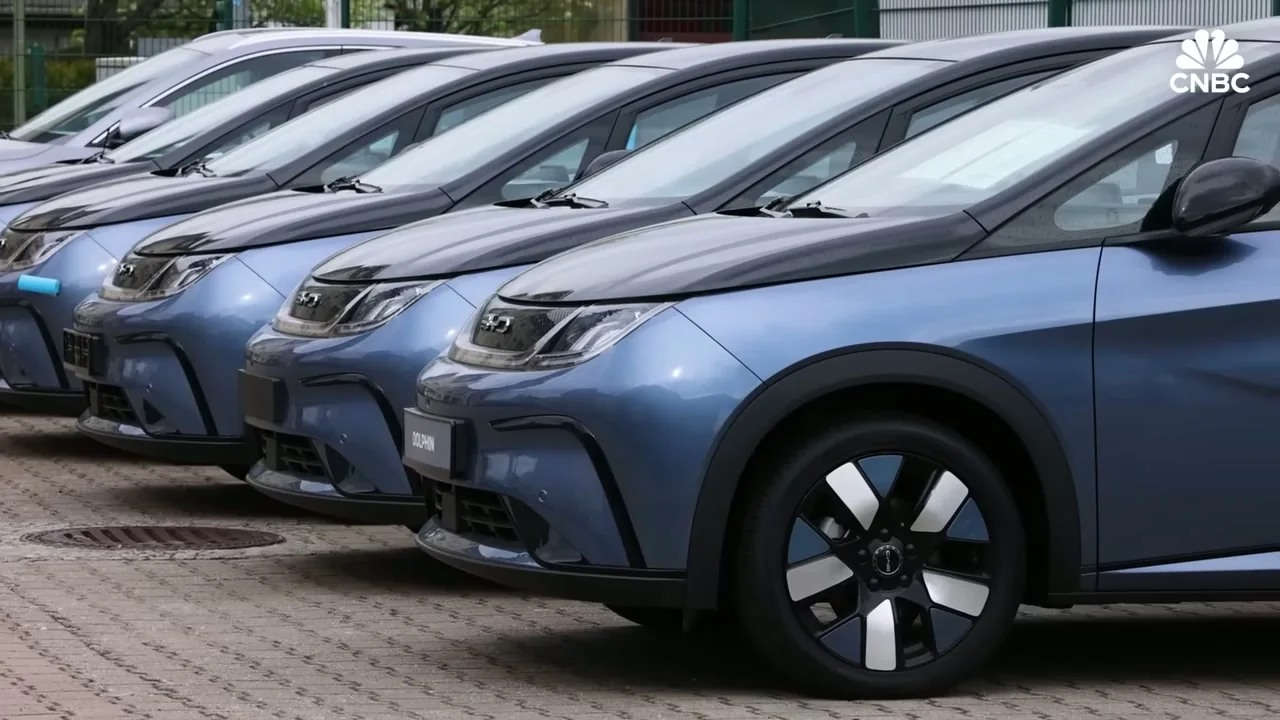
It also puts numbers on the shift. In 2023, Mexico imported $4.6 billion worth of Chinese-made vehicles, and last year one in 10 vehicles sold in Mexico were made by a Chinese company. That is not a fringe trend. It is a market share story, and it helps explain why BYD’s Dolphin Mini could be sold in Mexico at around $21,000, roughly half the price of the cheapest Tesla in the market.
What The Video Gets Right
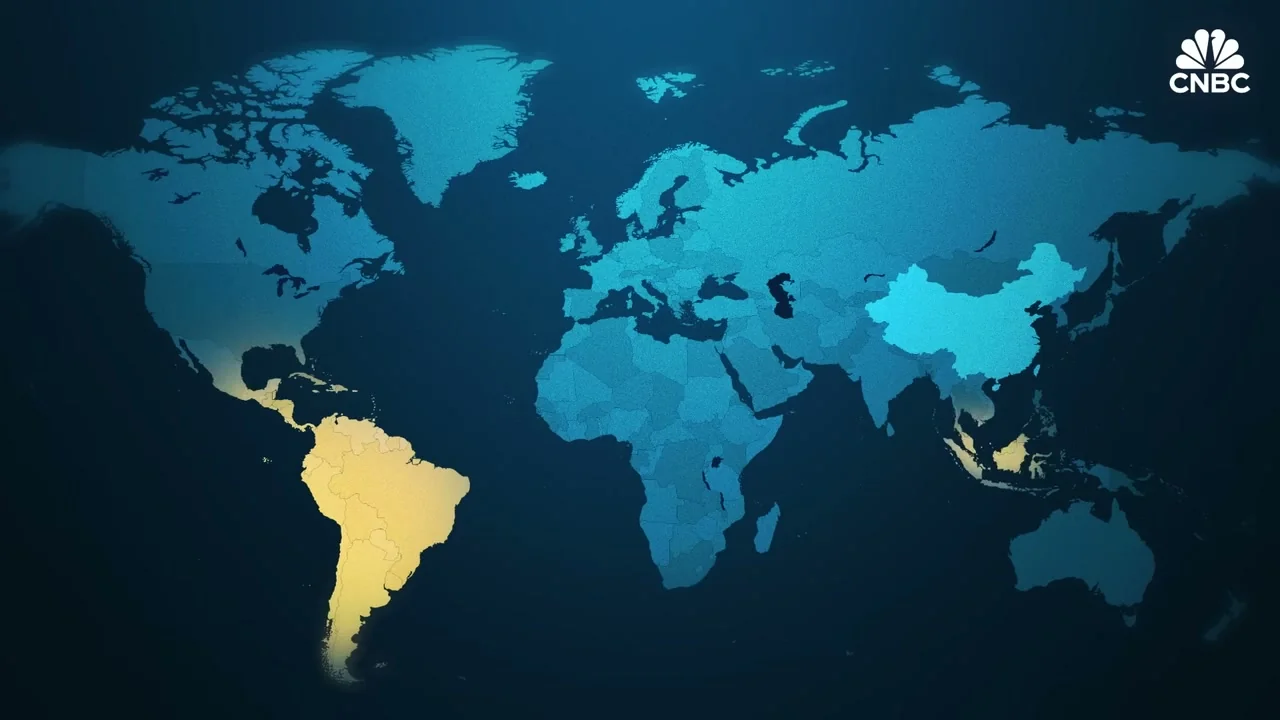
Where the video works best is in showing how Chinese automakers have been able to move fast where they are welcome. Mexico fits the broader pattern the subtitles describe: Chinese companies look for markets with open consumer demand, local incentives, and practical access to a larger export network. That is why the episode points to Mexico as a prime export market, and why it connects the discussion to broader ideas like nearshoring and local assembly.
The documentary also gets the logic of manufacturing right. The more Chinese EV makers can localize production, source parts regionally, and build inside Mexico, the harder it becomes to treat every shipment as a simple import. In other words, the story is shifting from finished-car exports to industrial positioning.
What Washington Is Worried About
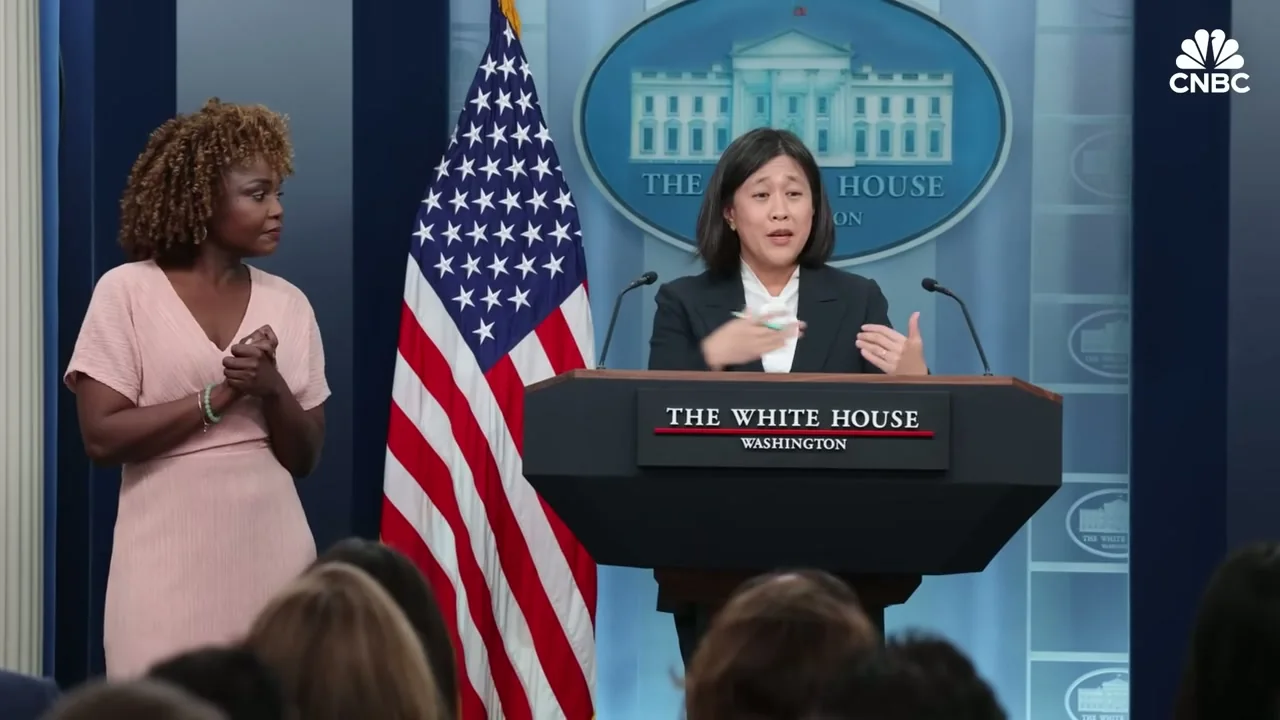
The transcript is blunt about the fear in Washington: Mexico could become a back door into the U.S. market. That is why tariffs matter so much in this story. Once Chinese automakers face a tougher path into the United States directly, Mexico becomes the natural place to test whether USMCA, local sourcing, and regional manufacturing can lower the wall.
That concern has only gotten sharper since the video was published. In September 2025, Reuters reported that Mexico planned to raise tariffs on cars from China and other Asian countries to 50%. AP also reported in February 2026 that low-priced Chinese EVs and cheap e-commerce goods were gaining ground across Latin America, alarming local governments and industries. The policy backdrop now supports the video’s warning instead of softening it.
The strategic question is no longer whether Chinese EVs can enter Mexico. It is whether Mexico becomes a consumer market, an assembly base, or a regional platform for North America.
| Path | What It Means | Why It Matters |
|---|---|---|
| Finish-car exports into Mexico | Fastest way to sell volume, especially when prices are competitive. | Exposes shipments to tariff risk and political backlash. |
| Local assembly in Mexico | Build or assemble vehicles inside Mexico with local sourcing. | Strengthens the case for regional production and jobs, but takes time and capital. |
| USMCA-driven regional expansion | Use North American trade rules and sourcing to lower barriers. | Raises the stakes for the 2026 USMCA review and for Washington’s trade stance. |
What Changed After The Video
2025
Tariffs rose
Reuters reported Mexico’s plan to raise tariffs on autos from China to 50%, a move aimed at protecting jobs and signaling that cheap imports were becoming politically difficult.
2026
Factories moved closer
Reuters reported that GAC plans to open its first Mexico assembly plant in late 2026, which would push the story from import competition into local production.
2026
Expansion became regional
XPeng said it would launch EVs for the Latin American market at an event in Mexico, underscoring that Mexico is now a launchpad for a larger regional strategy.
Those updates matter because they show the video was not a one-off news snapshot. The underlying trend kept moving. Companies that once relied on imports are now talking about assembly, regional rollout, and production footprints that can survive tariffs, reviews, and political pressure.
Related Reading on EVCUBE.NET
For adjacent context, see Rivian smart charging saves 20% on EV bills, Toyota’s app gets PHEV owners to plug in more, and Hyundai’s 600-mile EREV strategy.
FAQ
Why are Chinese EV makers focusing on Mexico?
Mexico gives Chinese automakers access to a large consumer market, lower production costs, and a possible route into North America through local assembly and regional sourcing.
Is Mexico becoming a back door into the U.S. market?
That is the concern raised in the video and in current policy debates. If vehicles are built or assembled in Mexico using enough local content, they can become easier to export under North American trade rules.
Why is the U.S. worried about Chinese EVs in Mexico?
Washington worries that Mexico could be used to bypass tariffs and trade barriers, which would make it easier for Chinese EVs to compete in the U.S. market indirectly.
What does the 50% tariff change?
Higher tariffs make imported Chinese vehicles less attractive and push automakers toward local assembly, regional sourcing, or slower market entry.
What do GAC and XPeng announcements mean for the market?
They show that Chinese EV makers are moving beyond simple exports. Mexico is becoming a production base and a launch point for broader Latin American expansion.
What is the main takeaway from the CNBC video?
Mexico is no longer just a sales market for Chinese EVs. It is a strategic battleground where pricing, production, tariffs, and the future of North American trade all meet.