Hyundai’s EV Strategy in the Trump Era
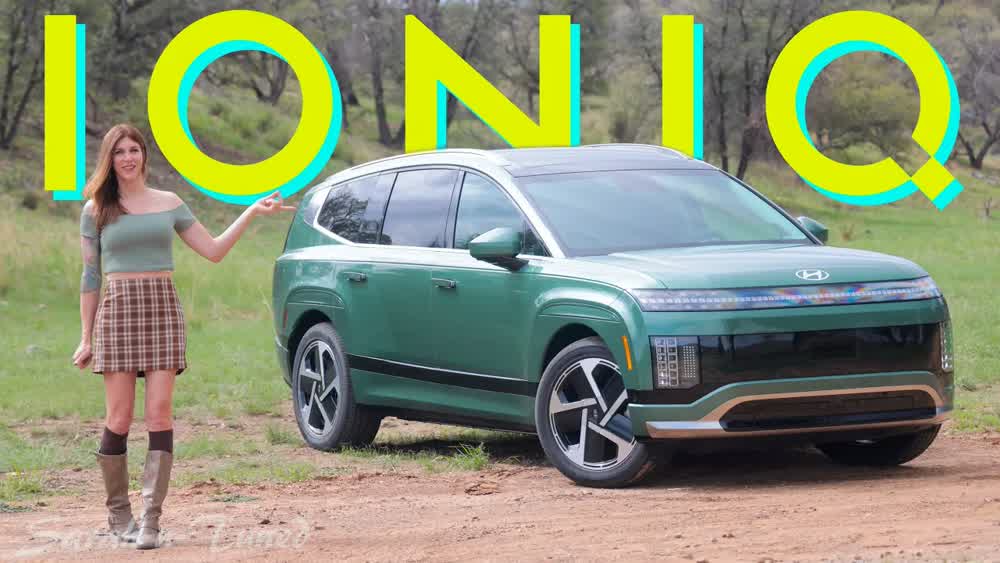
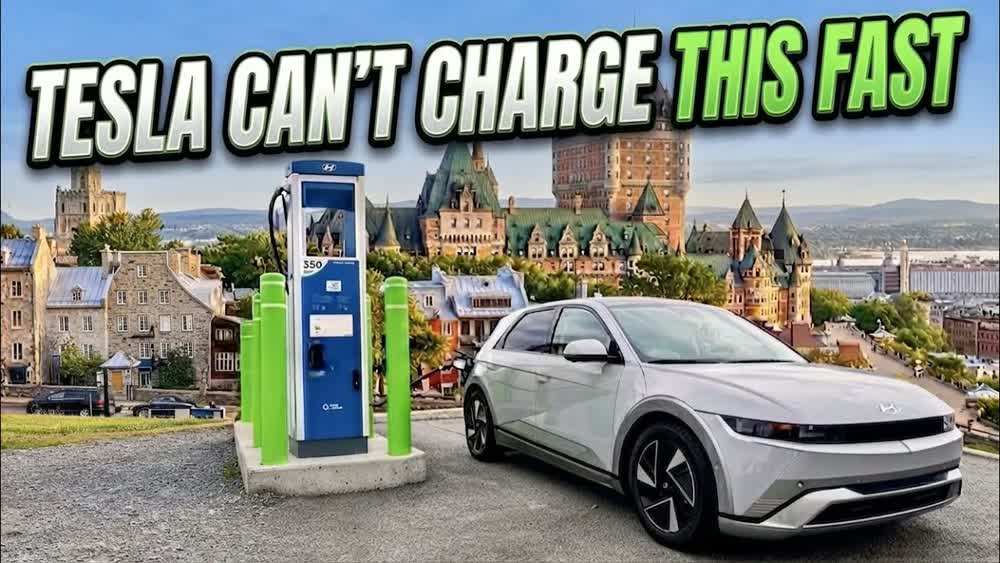
For a time, it appeared that the Hyundai Motor Group was on the right path. The company made early investments in electric vehicles (EVs), leveraging its technological advancements to reshape the public perception of the Hyundai and Kia brands. Additionally, Hyundai established significant EV and battery manufacturing facilities in the U.S. to capitalize on tax incentives and government policies aimed at promoting a transition to electric mobility.
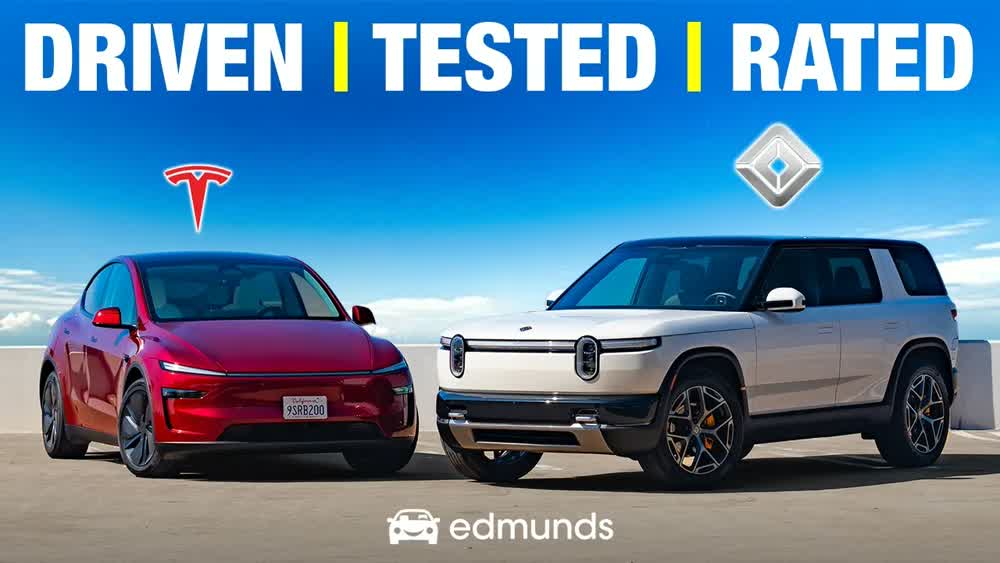
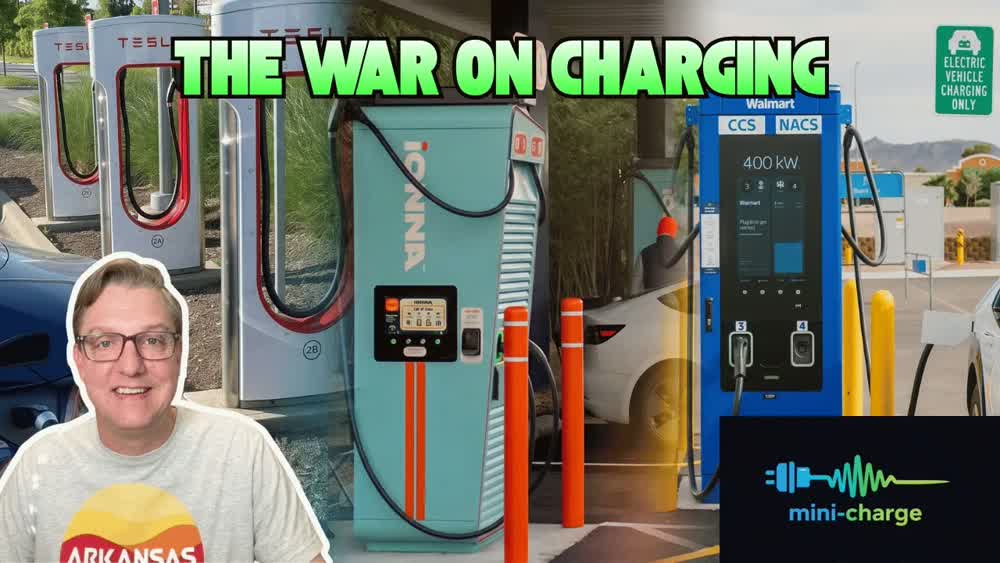
In 2022, Hyundai’s three brands collectively secured the second position in U.S. EV sales, trailing only behind Tesla. However, the landscape has shifted with the new administration’s approach to EVs. The Trump administration has taken a markedly different stance, cutting federal funding for public fast charging initiatives, seeking to eliminate EV tax credits, and attempting to relax stringent fuel economy and emissions regulations that have been pivotal in fostering the electric vehicle market.
This raises a critical question: Will the slowdown in the EV segment render Hyundai’s $8 billion U.S. investment ineffective? According to Hyundai’s leadership, the answer is no.
The Evolving Tariff Landscape
The automotive industry is currently facing uncertainty due to potential tariffs from the Trump administration. The interconnected nature of the industry, with parts frequently crossing the U.S.-Canada-Mexico borders, has left many companies on edge. Even Tesla, known for its high percentage of American-made vehicles, is feeling the pressure.
Recent reports suggest that the administration may be softening its stance on tariffs, particularly concerning the auto sector. The White House is reportedly reconsidering the implementation of industry-specific tariffs set to take effect soon, which could alleviate some of the financial burdens on automakers.
If these tariffs are avoided, it could significantly benefit companies like Hyundai that manufacture vehicles in the U.S. By continuing to produce EVs locally, Hyundai could potentially insulate itself from tariff-related price increases, unlike competitors relying on imports from countries like Korea, Mexico, or Canada.
The Rise of AI in Automotive
As automotive brands increasingly promote in-car artificial intelligence (AI), the technology is gaining traction, particularly in China. While many American consumers may not fully understand the implications of AI in vehicles, Chinese buyers are embracing it enthusiastically. One notable player in this space is DeepSeek, an AI startup that has gained popularity for its advanced capabilities.
DeepSeek’s AI model, introduced by the state-owned Dongfeng Motor Group in its new energy vehicles, is designed to facilitate more natural interactions between drivers and their vehicles. This onboard AI assistant can interpret voice commands and adapt to user preferences, enhancing the overall driving experience.
As connected cars become more prevalent in China, DeepSeek’s technology is being adopted by various automakers, including BYD, the leading electric vehicle manufacturer. The growing interest in AI features in vehicles raises the question: Will this trend catch on in Western markets?
Frequently Asked Questions
▶ What are the benefits of electric vehicles over gasoline cars?
Electric vehicles produce no tailpipe emissions, making them environmentally friendly. They also tend to have lower operating costs due to reduced fuel and maintenance expenses.
▶ How can I find EV chargers in California?
You can locate EV chargers using various mobile apps and websites that provide real-time information about charging station locations, availability, and types of chargers.
▶ What is the difference between Level 2 chargers and DC fast chargers?
Level 2 chargers are slower and typically used for home charging, while DC fast chargers provide a rapid charging option, making them ideal for long trips or quick top-ups.