No products in the cart.
Consumer Reports just surveyed 380,000 vehicle owners and the headline isn’t a buggy infotainment screen — it’s that the single least reliable vehicle in America wears a luxury badge. With the average new car now clearing $50,000 for the first time, the 2026 reliability data tells a hard story for US buyers: the price on the window doesn’t match the quality under the sheet metal. Here’s what the data actually says, which luxury brands are falling apart, and which ones quietly sell every unit they build.
What the 2026 Consumer Reports data actually says
The 2026 Annual Auto Reliability Survey, published by Consumer Reports in December 2025, is the largest of its kind: roughly 380,000 vehicles from model years 2000 through 2025, covering up to 20 problem areas — engine, electric motors, transmission, in-car electronics, climate, body integrity, and the EV-specific battery and charging systems. That sample is up 27% versus the 2025 survey, and the conclusions are uncomfortable for anyone writing a six-figure check.
Three numbers anchor the whole report:
- Hybrids run about 15% cleaner than ICE cars — the most reliable powertrain category, with only three of ~30 hybrids surveyed scoring below average.
- Fully electric and plug-in hybrid vehicles average roughly 80% more problems than ICE cars.
- Seven of the 10 least reliable vehicles in the 2026 survey are PHEVs or EVs, and for half of the brands ranked, the worst model in the lineup is a plug-in or full electric.
The top and bottom of the brand rankings feel almost contractual. Toyota reclaimed the most-reliable-brand title for the first time since 2022, edging Subaru. Seven of the top 10 reliability brands are Asian (Toyota, Subaru, Lexus, Honda, Nissan, Acura, Kia). At the other end, Jeep is dead last overall for the third straight year, with the lowest road-test score, the lowest owner satisfaction, and below-average reliability. The cleaned-up bottom five: Jeep, Land Rover, GMC, Dodge, Alfa Romeo. The luxury story is stranger — and the most important one for the buyer writing a $100k check.
SIGNAL: The 2026 survey is the first time Tesla ever cracked the overall top 10 (10th overall, 9th in reliability), and the first time Lincoln landed in the top 7 after climbing 17 spots in a single year. The reliability map of the US luxury market is being redrawn in real time.
The luxury brand map, CR 2026
| Brand | Overall rank | Reliability status | Notable model signal |
|---|---|---|---|
| BMW | 2 overall / 5th reliability | Most reliable European brand; all models average-or-better | i4, i5, Taycan-style overall score |
| Lexus | 6 overall | Top-tier reliability among luxury | Slipped from last year; GX SUV dropped to average |
| Lincoln | 7 overall (+17 spots) | Biggest mover; aging product line maturing | Corsair PHEV drags the brand’s worst segment |
| Acura | 9 overall | Reliable mainstream luxury | Integra among top reliable cars |
| Tesla | 10 overall (+8 spots) | First top-10 finish ever; Model Y = most reliable EV | Only Cybertruck below average |
| Genesis | 15 overall / 21st reliability | No model scores average-or-better on reliability | Perception != data this year |
| Audi | 16 overall (-10 spots) | Q4 E-Tron reliability declining; EV-charging issues | e-tron GT inherits the same platform |
| Cadillac | 17 overall / 18th reliability | Lyriq below average; GM still “on the steep part of the learning curve” | CT5 holds the brand up |
| Mercedes-Benz | 19 overall | Lowest-ranked European brand; E-Class and GLS at the bottom of their segments | EQE, S-Class carry the burden |
| Range Rover (Land Rover) | 30 overall | Near-rock bottom; air suspension and electronics complaints | Range Rover of the video |
| Jeep | 31 overall (dead last) | Below-average reliability, lowest road-test, lowest owner satisfaction | Grand Cherokee PHEV among worst-in-survey |
Source: Consumer Reports 2026 Annual Auto Reliability Survey, published December 2025; Yahoo/Detroit Free Press coverage of the same report. The video cites Lexus at 79%, Genesis at 70%, and Toyota at 66% as predictive reliability scores; CR’s 2026 report does not publish identical absolute scores publicly, but confirms the same ranking order — Toyota most reliable, Lexus top-tier luxury, Genesis sharply down year-over-year.
The 12 luxury cars falling apart — and what each one teaches
The video walks through 12 luxury vehicles, ordered from “merely bad” to “literally the least reliable vehicle in America.” Below is the same list, cross-referenced against what CR’s 2026 survey, recalls, and ownership forums actually show. The grouping is ours, not the video’s — by failure mode, which is how the survey itself organizes problems.
Group 1: Software & infotainment collapse (the dominant failure mode)
The CR survey’s “in-car electronics” problem category is where the modern luxury car loses its composure. The video’s comedic portraits of touchscreen lag, phantom braking, and gesture-control mishaps are exactly the categories the survey shows are deteriorating year over year.
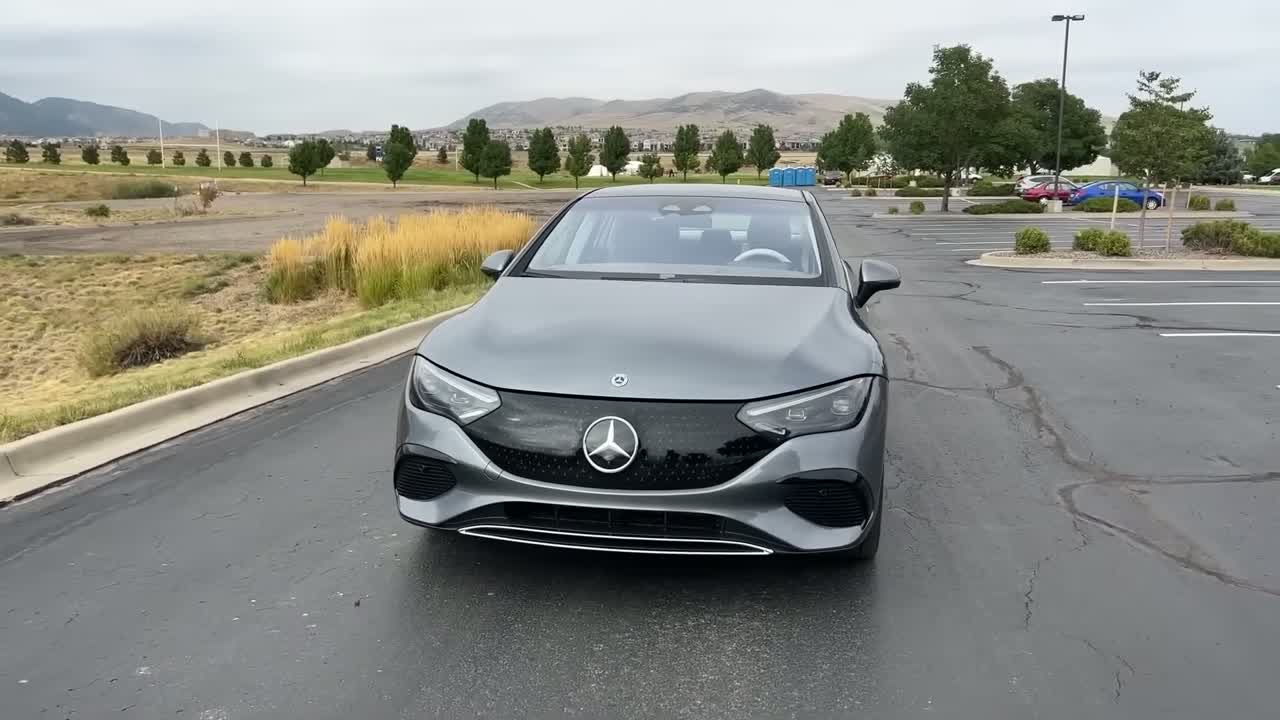
- Mercedes-Benz EQE (2024–2026): $80,000 base. The cabin is genuinely beautiful; the software is not. CR flags below-average predicted reliability. The video’s portrait — phantom forward-collision warnings in empty parking lots, lane-keep fighting the driver on straight highways, occasional phantom braking — is the same complaint that put Mercedes at 19th overall, the lowest-ranked European brand.
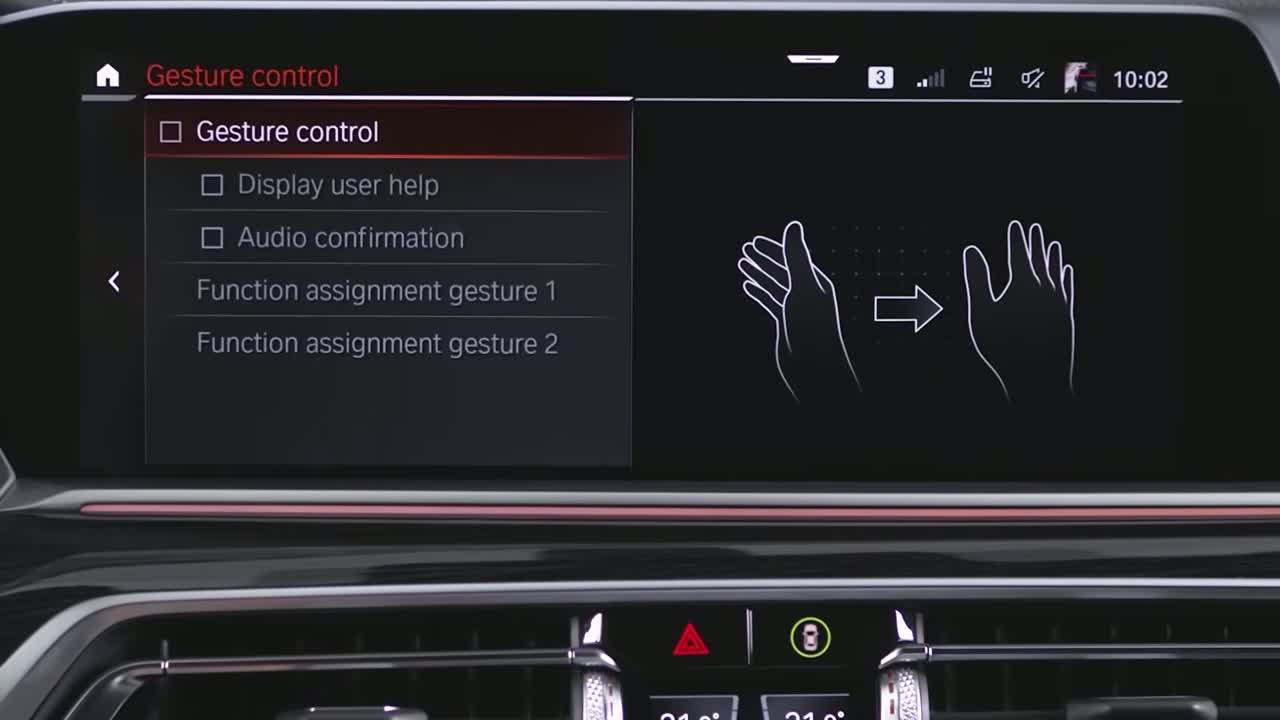
- BMW i7 (2023–2026): $148,000+ as tested. The 31-inch rear theater screen, gesture control, and crystal iDrive are exactly the features CR’s electronics category scores. The video describes the i7 as “the world’s most expensive smart home where Alexa has a personality disorder.” Despite that, BMW is CR’s most reliable European brand, with every model averaging average or better. The i7’s specific gremlins are the outlier, not the rule.
- Mercedes-Benz S-Class (2021–2026): $130,000+ base. The car is the global benchmark for luxury sedans; the software isn’t. MBUX voice assistant activating itself at 2 a.m. and AR navigation placing arrows on buildings are the same in-car-electronics category that helped drag Mercedes to 19th overall.
- Audi e-tron GT (2024–2026): $110,000+ base. The MMI freezes, charging drops without warnings, and thermal management trims range in extreme temperatures. The video quips: “dating a supermodel who can’t remember your birthday.” Audi dropped 10 spots overall this year, and the Q4 E-Tron reliability is actively declining — owners cite climate, electrical accessories, in-car electronics, and EV battery/charging faults.
Group 2: Electrified powertrain gremlins (PHEV + EV mode-switching failures)
This is the structural problem the CR data flags most clearly: plug-in hybrids sit at the bottom of the reliability map. Five of the 10 least reliable vehicles in the entire 2026 survey are PHEVs or EVs with shared powertrain complaints.
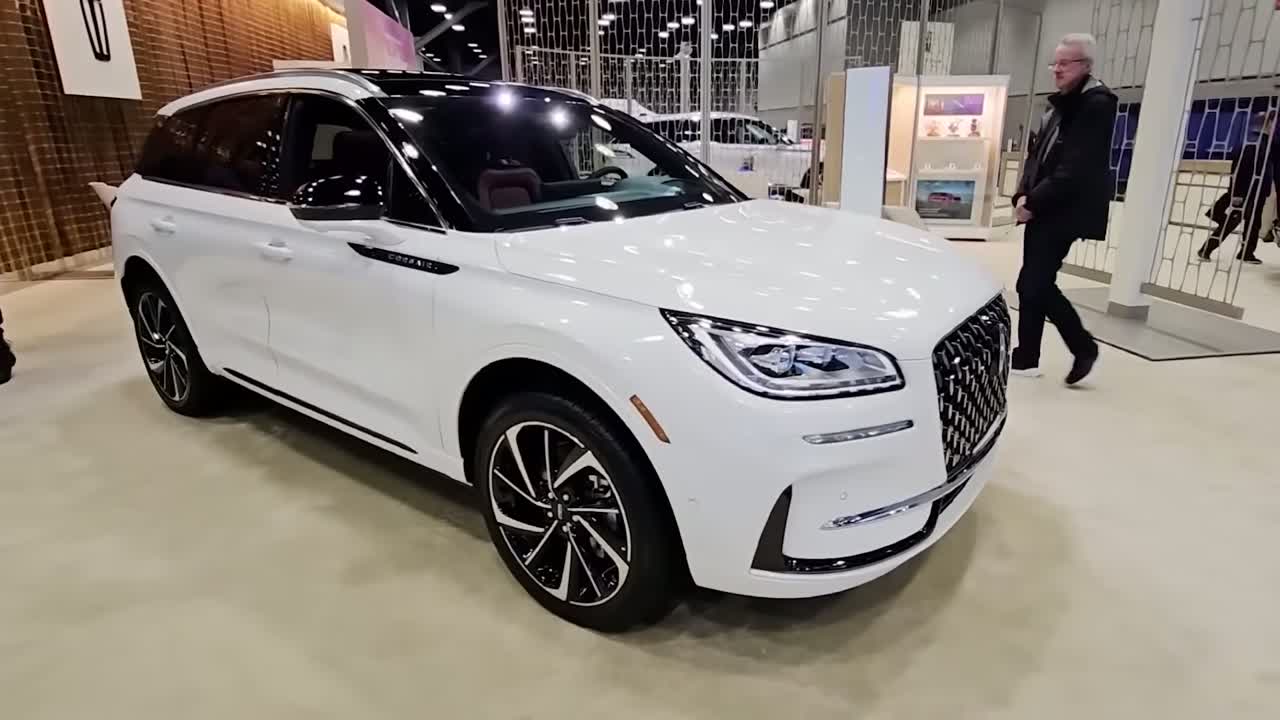
- Lincoln Corsair PHEV (2024–2026): $53,000+ base. Scored 26/100 (26%) on CR’s reliability scale — the single least reliable vehicle in America. The non-PHEV Corsair is fine; Lincoln climbed 17 spots overall because its two oldest models matured. The problems are entirely concentrated in the 2.5L Atkinson + electric-motor marriage: shudder between modes, charging that fails mid-session, cascading electrical faults. The gap between the cabin quality and the powertrain reliability is the widest in the survey.
- Jeep Grand Cherokee PHEV (2024–2026): $70,000+ base. CR explicitly names it one of the 10 least reliable vehicles in America. The 2.0L turbo + e-motor system throws error combinations the dealer’s own diagnostic system can’t read. Jeep is the lowest-ranked brand overall for the third year running — below Maserati, below Alfa Romeo, below every single brand in the database.
- BMW X5 PHEV / Audi Q5 PHEV comparable segment: Not in the video, but the CR survey shows the same PHEV pattern across Volvo XC60 PHEV, Mazda CX-70/CX-90 PHEV, and Hyundai Sonata Hybrid variants. PHEV complexity is the strongest predictor of failures in the 2026 dataset.
Group 3: Build & lineage issues (the engineering hasn’t earned the badge)
These are the cars that fail on the basics even before the software starts arguing.
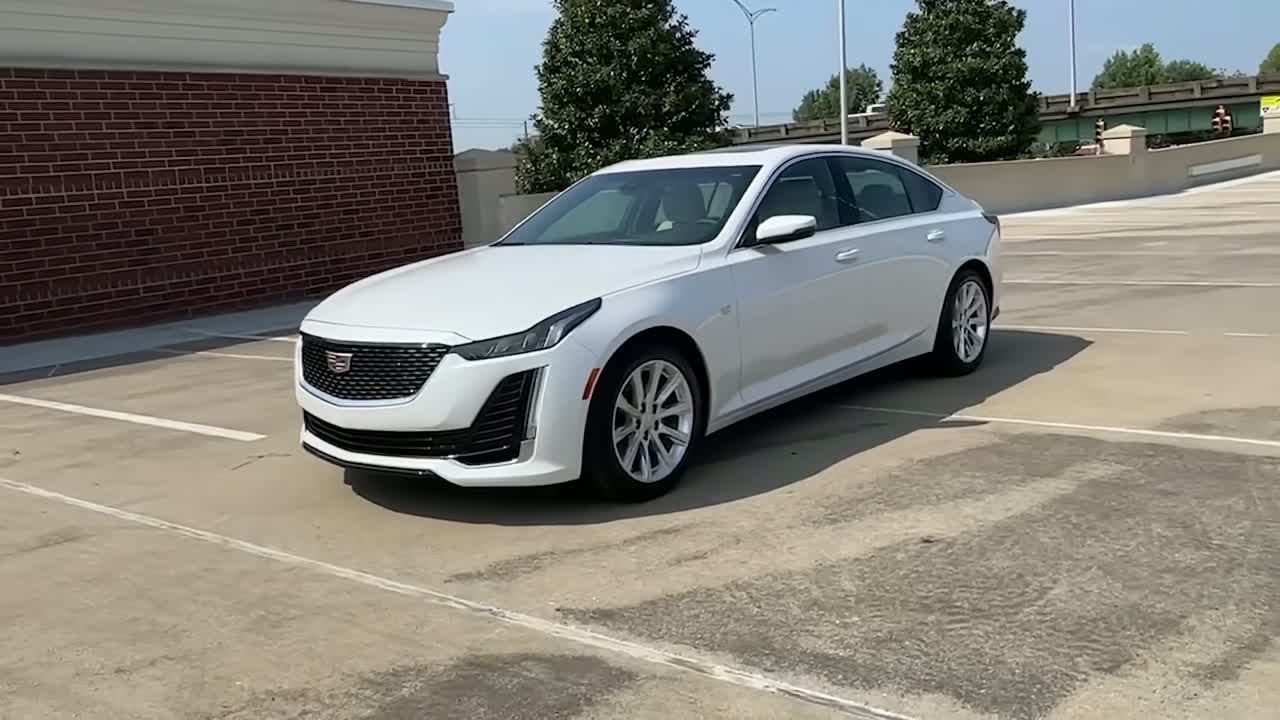
- Cadillac CT5 (2024–2026): $46,000+ base. CR ranks Cadillac 18th overall. The 2.0L turbo has a hesitation in cold-start acceleration that owners describe as “the car deciding whether it wants to move today.” Wireless Apple CarPlay drops and refuses to reconnect — the same in-car-electronics category that hurts the German luxury cars. The CT5-V Blackwing, with a hand-built 668 hp supercharged 6.2L V8, is legitimately one of the great American performance sedans. The standard CT5 isn’t the Blackwing, and it’s losing to a BMW 3 Series that’s more refined and a Genesis G70 that’s more reliable.
- Maserati Grecale (2024–2026): $80,000+ base. The Stellantis parts-sharing with Dodge is the foundation of every problem described in the video — a $70,000 Italian suit lined in the same factory as gas-station backpacks. Infotainment freezes, climate forgets preferences, the transmission hesitates like “an existential crisis.” CR does not rank Maserati in 2026 due to insufficient survey data, but the prior pattern is consistent.
- Range Rover (2024–2026): $150,000+ as tested. Land Rover is 30th overall. Pivi Pro infotainment freezes so often owners have memorized the force-restart sequence. Air suspension leaks overnight until the SUV squats on its haunches. Electrical gremlins disable features at random. The video’s metaphor — “a magnificent mansion with marble floors and a roof made of cardboard” — captures the gap between the brand’s promise and the engineering under it.
Group 4: Hype cars with a software tax
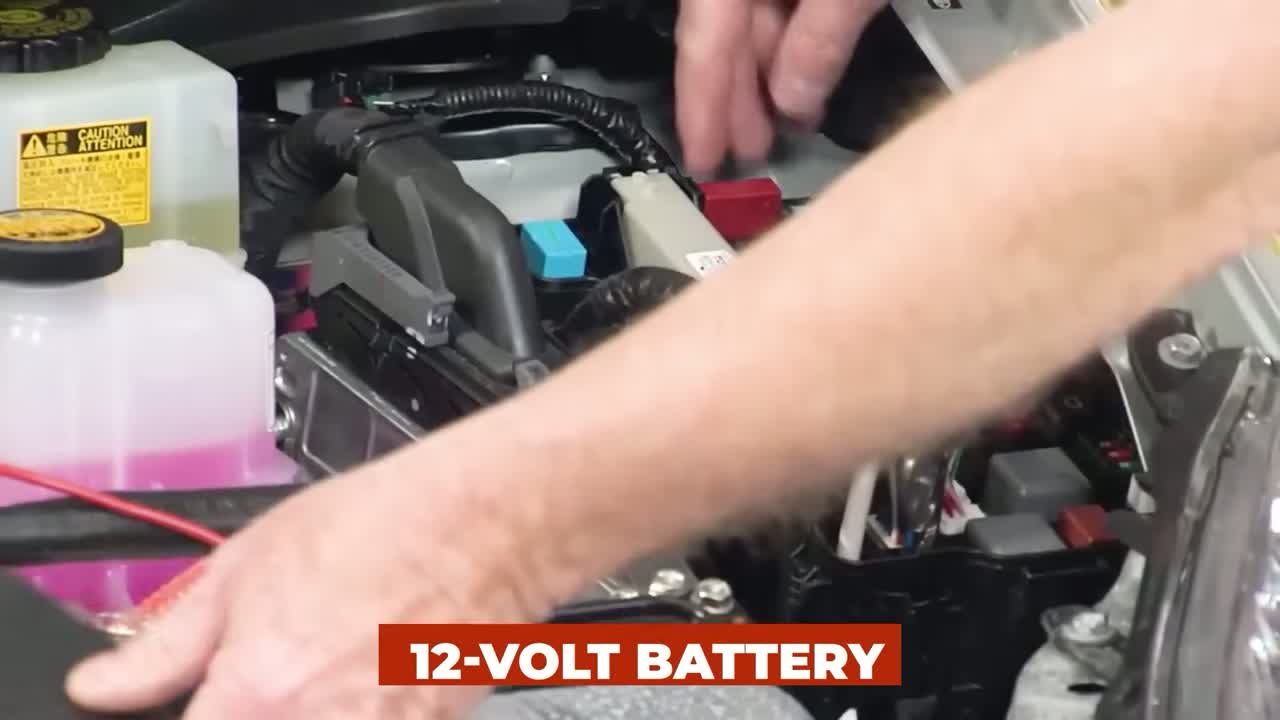
- Porsche Taycan (to 2026): $101,395+ base. The acceleration is genuinely violent and the chassis balance is unmistakably Porsche. Then you park it overnight. The video documents owners reporting it failing to wake from sleep mode, a 12-V battery draining inconsistently, charging sessions dropping mid-charge at certain Electrify America stations, and software updates that “scramble settings that were working fine before.” The Taycan sat at 266 days of market supply at the time of the video — the inventory pileup is itself a market signal of demand cold feet. Yet despite all of that, the 2026 Porsche Taycan is still on CR’s Recommended list, alongside the BMW i4 and BMW i5 — the only three luxury EVs that earn the badge. That tension is the subject of the next section.
- Lucid Air (2024–2026): $72,400–$250,500. The longest-range EV in America at 431 miles, 0–60 in 2.1 seconds in the Sapphire. Doors fail to unlock, media controls go unresponsive, charging drops without warning. The dealer network is a handful of studios in major cities, so service is either a road trip or a flatbed tow. Lucid did not have sufficient CR 2026 survey data to be ranked, but independent owner-tracked reliability scores cluster around the bottom of the luxury segment.
Group 5: Brands in their final act
- Jaguar F-Type (2024–2025): $80,000+ base. The video calls Jaguar “dead last of 31 brands.” In CR’s 2026 report Jaguar is not ranked at all — there isn’t enough data because the brand is shutting down combustion production. Parts availability is shrinking monthly, which makes the F-Type’s check-engine-light-at-4,000-miles problem a parts-supply problem as much as a reliability problem.
At $50,000+ for the average new car, the CR 2026 data says the luxury badge now buys complexity — and complexity is what fails.
Predicted reliability vs owner satisfaction: the real tension
The most counter-intuitive finding from the 2026 CR data, and the one the video actually demonstrates in real time, is that reliability and owner satisfaction are not the same metric. CR’s overall brand score is a composite of road-test performance, predicted reliability, owner satisfaction, and safety. A car can be unreliable in absolute terms and still earn the Recommended badge if owners love it anyway.
The 2026 Porsche Taycan is the cleanest example. The video ranks it among the worst offenders for software glitches and 12V battery drain. Yet CR still recommends the 2026 Taycan — based on road-test performance, owner satisfaction, and a high enough overall score to clear the threshold. The BGR analysis of the same data confirms only three luxury EVs earn the Recommended badge in 2026: the BMW i4, the BMW i5, and the Porsche Taycan. Notably absent from the recommended list: every Tesla, every Audi, every Mercedes EQ model, every Lucid, every Cadillac Lyriq.
Tesla’s case is the inverse. CR’s Jake Fisher, the senior director of auto testing, told reporters that “Tesla makes the most reliable electric vehicles now” — but the same survey warns that 5-to-10-year-old Teslas rank last in reliability for vehicles of that age. Maturation matters. A new Tesla in 2026 is a reliable car; a 2018 Tesla is not. The Tesla Model Y is the most reliable EV in the survey today. The same has been true for Toyota’s hybrid powertrains for two decades: the technology is older, the parts are shared, and the failure modes are known.
SIGNAL: Reliability is a moving target. The 2026 data shows Tesla in the top 10 overall for the first time — and 5-to-10-year-old Teslas at the bottom of their age cohort. The lesson isn’t “buy a Tesla” or “avoid a Tesla.” It’s “check the CR 2026 reliability rating of the specific model year you’re buying, not the brand.”
Why luxury EVs are structurally riskier than they look
The CR 2026 survey and the BGR analysis of the same data point to the same structural explanation: EVs and PHEVs carry roughly 80% more problems than ICE cars, and most of that gap is concentrated in the first two model years of a new or significantly-redesigned vehicle. Fisher’s standing advice: “For reliability-conscious car shoppers, the best bet is to steer clear of newly-introduced or newly-redesigned vehicles in their initial model year.”
Three structural factors compound:
- Two powertrains, twice the failure modes. A PHEV has a gas engine, an electric motor, a transmission that has to blend both, and a charging system. When the modes misbehave, the diagnostic system doesn’t know which subsystem to blame — hence the Lincoln Corsair PHEV’s “Christmas tree of dashboard warnings.”
- Infotainment as the new engine. The features luxury buyers pay a premium for — gesture control, 31-inch rear screens, AR navigation, ADAS — are the same features CR’s electronics category flags. A $148,000 BMW i7 has more software surface area than a $28,000 Toyota Camry. More software means more bugs.
- New automaker service networks. Lucid operates a handful of studios in major cities. Polestar, Rivian, and the Chinese brands entering the US face the same constraint. Tesla owns its service network, which is part of why the older Model 3 and Model Y now post above-average reliability.
The cross-market flip side is telling. Of the roughly 30 hybrids CR has data on, only three score below average: the Hyundai Sonata Hybrid, the Lincoln Nautilus Hybrid, and the Mazda CX-50 Hybrid. Hybrids are mature technology with shared parts across model years. PHEVs are not. That is the entire reason Toyota’s hybrid powertrains have been profitable for two decades and the new PHEV systems keep landing at the bottom of the survey.
What to buy instead — and why the safe picks work
The video ends with the same list the CR data supports: Toyota, Lexus, Genesis, Honda, Acura. The video cites Lexus at 79 on CR’s reliability scale, Genesis at 70 (second among luxury), and Toyota at 66 leading the brand. The CR 2026 ranking puts them in the same order — Toyota most reliable, Lexus top-tier luxury, Honda and Acura in the top tier. Genesis’s reliability rank, however, dropped to 21st this year, with no model averaging average-or-better on reliability — a discrepancy worth weighing before paying the Genesis premium.
The CR-confirmed safe picks for a US buyer in 2026, at any price point:
- Most reliable luxury brand: BMW — every model scores average or better, and CR singles it out as the most reliable European brand in 2026.
- Most reliable mainstream brand: Toyota (reclaimed the title from Subaru) — and the Toyota/Lexus hybrid powertrain is the most proven technology in the entire survey.
- Most reliable EV in 2026: Tesla Model Y — the only EV to top its reliability category.
- Reliable luxury SUV: The BMW X5 surprises CR by landing in the top 3 most reliable cars overall, including mainstream models.
The structural pattern is consistent across the data: the brands that ship slowly, test thoroughly, and reuse proven parts across model years win. The brands that ship a 31-inch rear theater screen, then spend three model years debugging it, lose. Tesla earned its top-10 spot by leaving the Model S largely unchanged for 15 years. The German luxury brands earned their bottom rankings by adding features faster than their software teams could stabilize them.
Practical checklist for a $100k luxury purchase in 2026
- Check the CR 2026 predicted reliability of the specific model year, not the brand halo. A Lexus GX can sit below average in a given year even while Lexus as a brand tops the category.
- Skip the first model year of any new or significantly redesigned luxury EV or PHEV. Wait for the mid-cycle refresh or the third model year.
- Read the recare cost of the specific powertrain. PHEV brake-fluid changes, EV battery-condition checks, and German luxury service intervals are not the same dollar reality as a Toyota Camry.
- If the dealer network is a handful of cities, factor in the cost of a flatbed tow if the car can’t be serviced locally. Lucid’s stunning 431-mile range is meaningless if the nearest service center is 600 miles away.
- For a luxury EV the CR 2026 data actually recommends, the BMW i4, the BMW i5, and the Porsche Taycan are the only three luxury sedans that earn the Recommended badge.
Which luxury car is the least reliable in America in 2026?
The Lincoln Corsair PHEV scores 26/100 (26%) on Consumer Reports’ 2026 reliability scale — the single lowest score of any vehicle in the entire survey. The non-PHEV Corsair is fine; the problems are concentrated entirely in the plug-in hybrid powertrain. The Corsair is scheduled to go out of production in 2026, which is the cleanest possible answer to the question of whether Lincoln should keep building it.
Are luxury EVs less reliable than gas-powered luxury cars?
Yes, and the CR 2026 survey quantifies the gap: EVs and plug-in hybrids average about 80% more problems than ICE cars. Seven of the 10 least reliable vehicles in the 2026 survey are PHEVs or EVs, and for roughly half of the brands ranked, the worst model in the lineup is a plug-in or full electric. Hybrids — not plug-in hybrids — are the most reliable powertrain category, with 15% fewer problems than ICE cars on average.
Does Consumer Reports still recommend the Porsche Taycan?
Yes. Despite the software, 12V battery, and charging-session complaints highlighted in the video, the 2026 Porsche Taycan is still CR Recommended — alongside the BMW i4 and BMW i5, the only three luxury EVs that earn the badge. The Taycan’s road-test score, owner satisfaction, and overall composite are strong enough to overcome the reliability complaints. Reliability is one component of the overall CR score, not the whole thing.
What is the most reliable luxury brand in 2026?
BMW. The 2026 CR report ranks BMW 2nd overall and 5th in reliability, with every model scoring average or better on predicted reliability. CR’s Jake Fisher specifically called BMW “the most reliable European brand” in 2026. Lexus remains the top-tier luxury brand on a reliability-weighted view, but Lexus slipped to 6th overall this year as the GX SUV’s reliability dropped to average and the ES sedan awaits its replacement.
What US buyers should take from this
The CR 2026 reliability data is not a verdict against luxury cars. It’s a verdict against luxury cars that ship features faster than the engineering can stabilize them. The single least reliable vehicle in America is a $53,000 Lincoln Corsair PHEV. The most reliable luxury EV is a $45,000 Tesla Model Y that is barely changed from the 2020 version. The most reliable European luxury brand is BMW, which deliberately shared parts across model years to keep the failure modes known.
For a US buyer writing a $100k check in 2026, the discipline is the same at every price point: check the CR 2026 predicted reliability of the specific model year, skip the first model year of any new EV or PHEV, and stop trusting the badge to buy the quality. The brands that built slowly, tested thoroughly, and resisted the temptation to ship a 31-inch screen they hadn’t debugged — those are the ones selling every unit they build in under 30 days. The brands that rushed are the ones the 380,000 owners just told Consumer Reports about.
Related reading on EVCUBE
Sources
- Consumer Reports — 2026 Automotive Brand Report Card press release (Dec 2025) — the underlying ~380,000-vehicle survey, hybrid/EV/PHEV percentages, and overall brand rankings.
- Yahoo / Detroit Free Press — Consumer Reports Reveals 2026 Top 10 Auto Brands — Fisher quotes on Tesla’s reliability maturation, the 5-to-10-year-old Tesla paradox, and the 27% survey growth.
- BGR — Only Luxury EVs Consumer Reports Recommends (BMW and Porsche) — the BMW i4, i5, and Porsche Taycan Recommended list, and the 12 least reliable EVs 2026 section covering Lucid Air.
- Yahoo / Autoblog — Winners and Losers of Consumer Reports’ 2026 Rankings — Genesis’s drop to 21st reliability with no model scoring average-or-better, and the Mazda CX-70/CX-90 PHEV pattern.