No products in the cart.
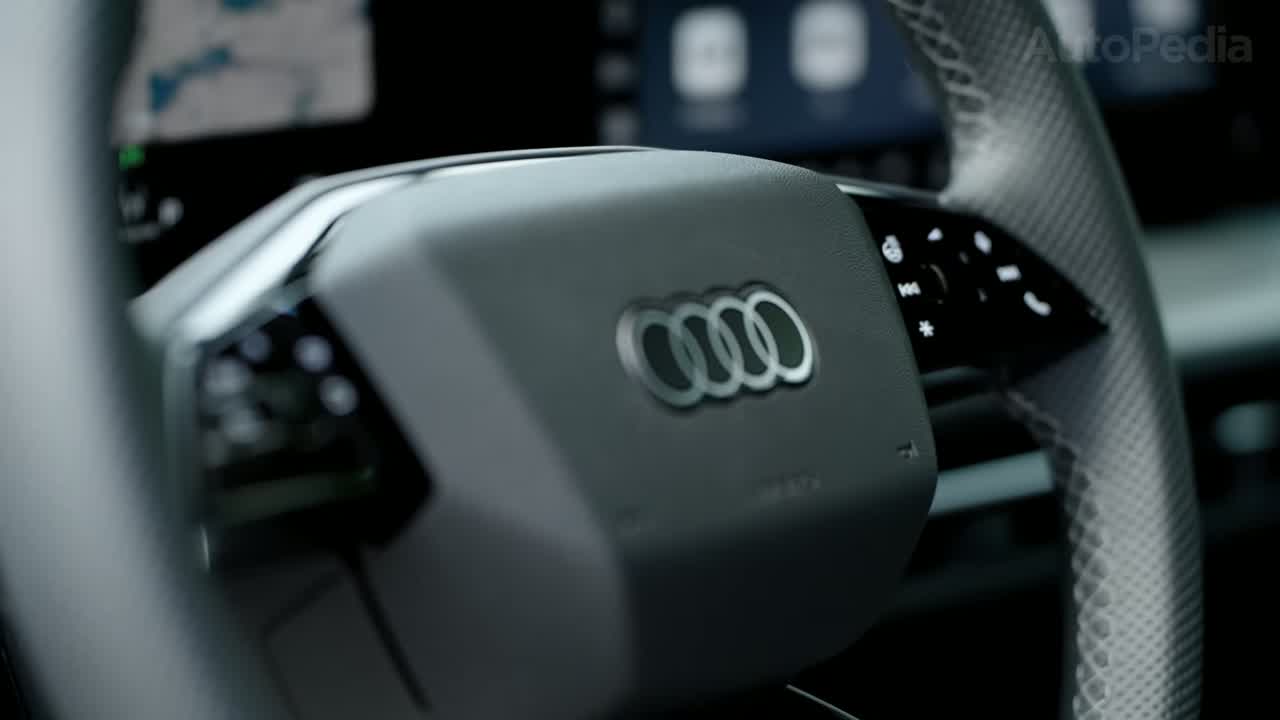
A new Mercedes GLA EV, a facelifted Audi Q4 e-tron, and the proven BMW iX1 walk into a three-way comparison — and one of them has already won. Sort of. The video crowns the third-generation, 800-volt GLA EV the new segment king. But for American buyers in August 2026, the punchline is awkward: of these three entry-luxury EV SUVs, only the Audi is on sale at a US dealer today. Here’s what the spec sheets actually say, what the EPA numbers really look like, and where each one leaves you on the shopping list.
Three badges, one segment, one awkward US question
For most of the last decade, the “premium compact electric SUV” conversation in Europe started and ended with the Audi Q4 e-tron and the BMW iX1. They were the obvious choices for buyers who wanted three-pointed-star, four-ring, or propeller-badge prestige in something smaller than a Model Y. Mercedes joined the conversation late, with the EQA hatchback-crossover, but the EQA was always a compromise — a GLA platform adapted for electric duty, not a clean-sheet EV.
That changes with the third-generation Mercedes GLA, unveiled globally on July 30, 2026 in Warsaw. For the first time, the GLA is electric-first: built on Mercedes’ new MMA platform with a native 800-volt electrical architecture. The old EQA badge is gone — “GLA” now covers both EV and a mild-hybrid petrol version that arrives in early 2027.
But here is the catch that no YouTube thumbnail tells you: in the United States, the new GLA EV is not on sale yet. Mercedes has confirmed US-market plans, and Chinese outlets report the electric GLA will reach American dealers as a 2028 model year, but no US MSRP has been announced as of August 2026. Meanwhile, the BMW iX1 has never been sold in America, and is not expected to be — BMW USA currently sells only the i4, i5, i7, and (until its final year) the iX; the compact SUV slot belongs to the upcoming Neue Klasse iX3 arriving September 25, 2026 at $61,500.
SIGNAL: If you are a US buyer shopping today, the only car in this three-way comparison you can actually walk into an Audi dealer and drive home is the Q4 e-tron. Everything else on this list is either “wait for the announcement” or “import it.” That single fact reframes the whole comparison.
The new Mercedes GLA EV: a purpose-built compact EV at last
The third-gen GLA is a meaningful step up from the EQA it replaces. The body has grown — roughly 4,565 mm long with a 2,790 mm wheelbase, about 14 cm longer than the outgoing GLA — and the proportions are sleeker, more planted, and visually closer to the new CLA than to the older crossover-SUV shape. But the real story is under the skin.
Mercedes built the GLA EV on the new MMA (Mercedes Modular Architecture) with a native 800-volt electrical system. Three launch variants:
- GLA 200 Electric (entry) — 58 kWh LFP battery, single rear motor, ~224 hp (165 kW) and 335 Nm. 0–100 km/h in 8.1 seconds. WLTP range up to 447 km. DC fast charging up to 200 kW. The LFP pack is cheaper to build and tougher on cycle life, but cold-weather range can drop to roughly 300 km in freezing temperatures.
- GLA 250+ Electric (mid) — 85 kWh NMC battery, single rear motor, ~272 hp (200 kW) and 335 Nm. 0–100 km/h in 7.3 seconds. WLTP range up to 657 km — class-leading by a wide margin. DC fast charging up to 320 kW: roughly 270 km of range in 10 minutes, and a 10–80% session in about 21 minutes on an 800V stall.
- GLA 350 4MATIC Electric (flagship) — same 85 kWh NMC pack, dual-motor AWD, 354 hp (260 kW) and 515 Nm. 0–100 km/h in 5.4 seconds, top speed 210 km/h, up to ~2 tonnes of towing. WLTP range up to 643 km. Charging identical to the 250+ at 320 kW DC.
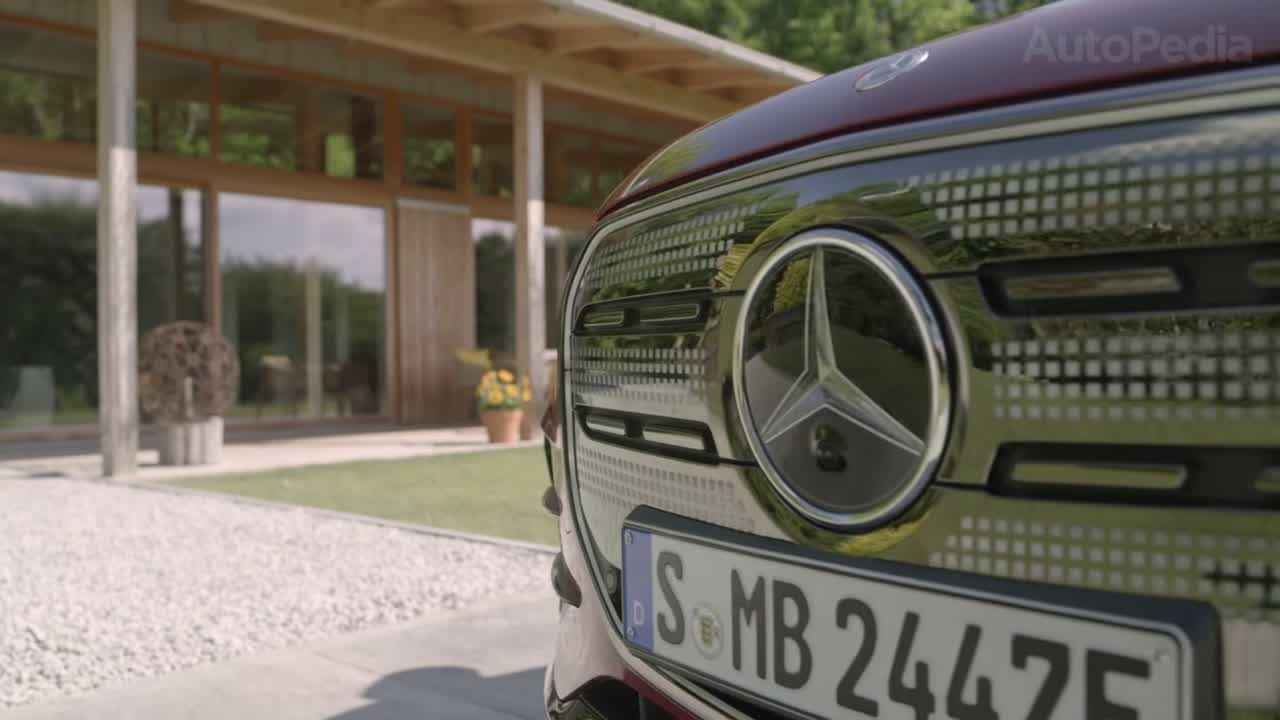
AC charging is 11 kW standard, with a 22 kW on-board charger available as an optional extra (around €654 in Germany, ~$705). One detail that matters for US buyers planning a road trip: the DC converter that lets the GLA charge at widely available 400-volt stations is also optional. Skip it and you are limited to 800-volt stalls — which are still the minority at US fast-charging sites in 2026.
Inside, the headline is the MBUX Superscreen: a single glass panel stretching the dashboard with up to three digital displays (10.25-inch driver, 14-inch center, and an optional 14-inch passenger screen). The new MB.OS software stack brings faster response times, AI voice interaction, and over-the-air updates. There is also a useful 107-liter front trunk (frunk) — perfect for charging cables and small luggage — plus a 410-liter rear cargo area that expands to roughly 1,400 liters with the seats folded.
European pricing has been set: Germany opens at €40,840 excluding VAT (~€48,599 including 19% VAT, or roughly $56,300 at current exchange). US pricing has not been announced. Analysts expect the electric GLA to land somewhere in the low-to-mid $50,000s when it arrives — the gasoline GLA 250 already starts at $42,850 in the US, and the EV’s larger battery plus 800V hardware will pull the number upward.
SIGNAL: On pure engineering, the GLA EV is a generational leap — 800V architecture, 320 kW DC charging, and up to 657 km of WLTP range put it roughly 83% faster at the plug than the Q4 e-tron (175 kW) and about 146% faster than the iX1 (130 kW). The penalty is US availability: you cannot buy one yet.
The 2026 Audi Q4 e-tron: the one you can actually buy in America today
The Audi Q4 e-tron does not get a clean-sheet redesign for 2026 — it gets something arguably more useful: a focused facelift that fixes the original’s biggest weaknesses. It still rides on the Volkswagen Group’s proven MEB platform, but Audi’s engineers refined the battery, the charging, the infotainment, and the lighting. Two powertrains are offered in the US:
- Q4 45 e-tron — single rear motor, 282 hp, 0–60 mph in roughly 6.3 seconds. EPA range up to 288 miles. Standard Premium trim MSRP from $50,600 plus a $1,295 destination fee.
- Q4 55 e-tron — dual-motor quattro AWD, 335 hp, 0–60 mph in 5.0 seconds. EPA range up to 258 miles (about 10% less than the RWD). MSRP from $57,295 in Premium trim, rising to $61,795 in Premium Plus form. Quattro variants also tow up to 2,650 pounds.
Both share the same 82 kWh battery. DC fast-charging peaks at 175 kW on a 350 kW-class stall (some early documentation shows 150 kW, but the 2026 spec sheet confirms 175 kW), which means a 10–80% top-up takes about 28 minutes under ideal conditions. That’s mid-pack — well behind the new 800V competitors, but a real improvement over pre-facelift Q4s and meaningfully better than the BMW iX1.
The 2026 facelift also introduces bidirectional charging (V2L and V2G) on the Q4 — a first for the nameplate — which opens the door to using the car as a home backup battery or feeding energy back to the grid when local utilities support it. Audi has streamlined the lineup: the old Prestige trim is gone, the Premium Plus now includes Sonos audio, a 360-degree camera, and Park Assist Plus as standard, and the new Vision Package on the Q4 55 adds Matrix-design LED headlights and an augmented-reality head-up display.
Inside, Audi’s Virtual Cockpit (a 10.25-inch digital gauge cluster) remains one of the best in the segment, and the 11.6-inch center touchscreen now runs faster hardware with wireless Apple CarPlay and Android Auto. The cabin materials and the fit-and-finish still feel like an Audi — meaning the Q4 e-tron still benchmarks the compact luxury EV SUV class for build quality, even if its range and charging numbers no longer lead it.
Cargo volume is 24.8 cubic feet behind the rear seats, expanding to 53.1 cu ft with the seats folded. Front legroom is 41.2 inches; rear legroom is 37.2 inches. A hands-free power liftgate, panoramic sunroof, and tri-zone climate control are all standard. Pricing ex-destination starts at $50,600, but realistic out-the-door pricing in the Premium Plus 55 quattro configuration lands closer to $63,000 before any state or utility incentives.
SIGNAL: The Q4 e-tron’s US EPA range (288 mi for the 45, 258 mi for the 55) is roughly a 21% drop from its European WLTP figure of up to 590 km. That gap is the real-world tax for buying an electric SUV in America in 2026: the EPA test cycle is harsher, and any US shopper should plan for it.
BMW iX1: the segment’s driving-dynamics favorite that never made it to the US
If you have spent any time reading European automotive press, you already know the BMW iX1 is the driver’s choice in this class. The steering is sharper than the Audi’s, the chassis is more balanced than the older Mercedes EQA’s, and the curved BMW display running Operating System 9 is one of the cleanest infotainment setups on sale anywhere.
Two variants are sold globally:
- iX1 eDrive20 — single front-mounted motor, 204 hp, 0–62 mph in about 8.5 seconds, WLTP range up to roughly 440–470 km depending on wheel size.
- iX1 xDrive30 — dual-motor AWD, 313 hp (230 kW) and 494 Nm of torque, 0–100 km/h in 5.6–5.7 seconds. WLTP range drops slightly to about 430 km. AC charging is 11 kW (22 kW optional in some markets); DC fast charging peaks at 130 kW, with a 10–80% top-up taking roughly 29 minutes.
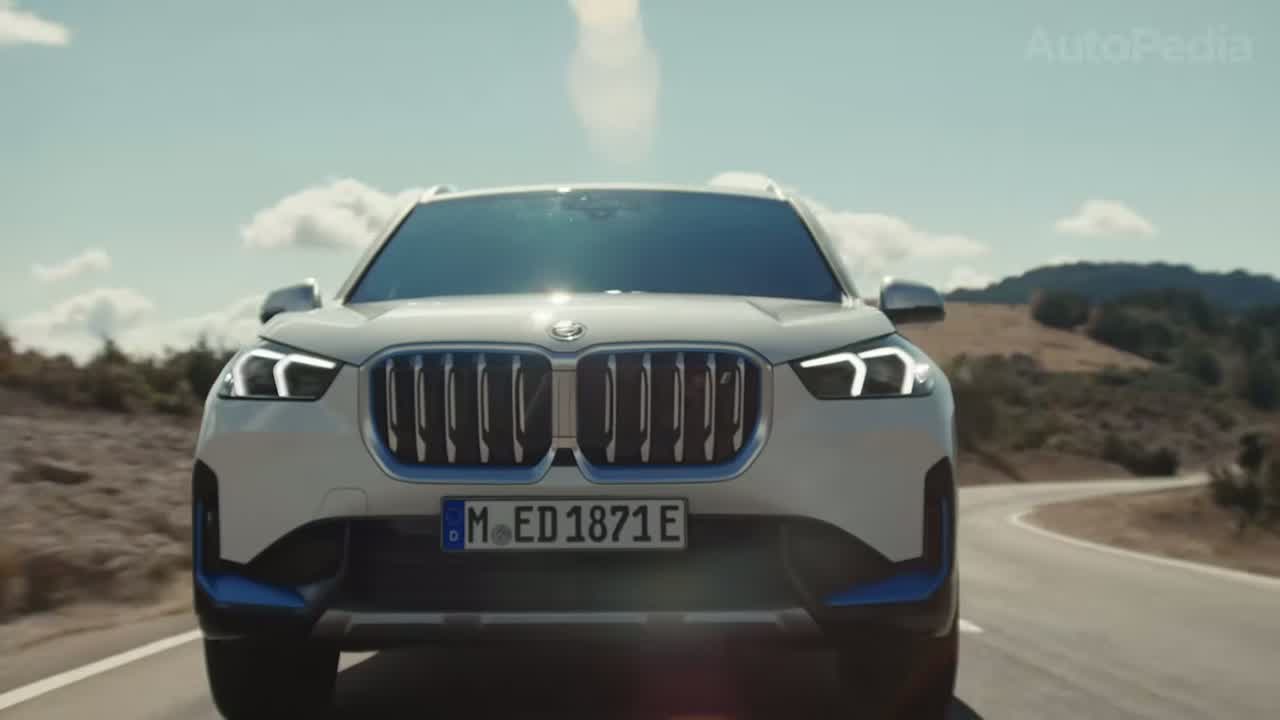
The iX1 uses the same 66.5 kWh battery across both variants, with about 64.8 kWh usable. Pricing in Germany starts around €41,100 (roughly $47,700 at current exchange) for the eDrive20 and rises to about €48,400 for the xDrive30. UK pricing starts at £43,000. In Australia, the only variant offered is the xDrive30 at A$84,900 before on-road costs — about US$55,000-equivalent.
But — and this is the part no YouTube comparison can fix — the iX1 is not sold in America. BMW’s US EV lineup currently consists of the i4 sedan (from $57,900), the i5 (from $68,550), the i7 flagship (from $105,700), and the iX (from $75,150, though BMW has confirmed the iX will be discontinued in the US after the 2026 model year). The compact-SUV slot that the iX1 would occupy in Europe belongs to the new Neue Klasse iX3 in America — a larger, more powerful 800V vehicle starting at $61,500 with up to 400 kW DC charging and 434 miles of EPA range, with US deliveries beginning September 25, 2026.
For a US buyer, the practical upshot is simple: if you wanted the iX1 specifically, you would have to import it, and it would not qualify for any federal clean-vehicle credit. If you want a compact BMW EV at a similar price point in 2026, the answer is to wait for the iX3 — or to look at the Cadillac Optiq (from $52,695) or the Genesis Electrified GV70 (from $64,380) instead.
Head-to-head: range, charging, performance, value
Putting all three on the same page makes the gaps obvious. EPA and WLTP figures are not directly comparable, but the table below puts each car on its own market-correct rating so the spread is visible at a glance. The Tesla Model Y and Volvo EX40 columns are included as the closest US-market reference points buyers actually cross-shop.
| Model (variant) | EPA / WLTP range | Peak DC charge | 10–80% DC time | Horsepower | 0–60 mph / 0–100 km/h | US MSRP (from) |
|---|---|---|---|---|---|---|
| Mercedes GLA 250+ EV (mid, 85 kWh NMC) | 657 km WLTP (~408 mi WLTP) | 320 kW (800V) | ~21 min | 272 hp | 7.3 s (0–100 km/h) | ~€48,599 EU US: TBD |
| Mercedes GLA 350 4MATIC (top, dual motor) | 643 km WLTP (~400 mi WLTP) | 320 kW (800V) | ~21 min | 354 hp | 5.4 s (0–100 km/h) | EU: TBD US: TBD |
| Audi Q4 45 e-tron (US, RWD) | 288 mi EPA | 175 kW (400V) | ~28 min | 282 hp | ~6.3 s | $50,600 |
| Audi Q4 55 e-tron (US, quattro AWD) | 258 mi EPA | 175 kW (400V) | ~28 min | 335 hp | 5.0 s | $57,295 |
| BMW iX1 xDrive30 (EU/AU only) | ~430 km WLTP (~267 mi WLTP) | 130 kW (400V) | ~29 min | 313 hp | 5.6 s (0–100 km/h) | €48,400 EU Not sold in US |
| Tesla Model Y Premium AWD (US context) | 327 mi EPA | ~250 kW | ~27 min | ~384 hp | 4.6 s | $49,990 |
| Volvo EX40 Twin Motor (US context) | 260 mi EPA | ~200 kW | ~28 min | 402 hp | 4.6 s (4.1 s tested) | $58,195 |
A few numbers worth pulling out of that table:
- The GLA 250+ EV’s 320 kW peak is roughly 83% faster than the Q4 e-tron’s 175 kW and roughly 146% faster than the iX1’s 130 kW. On a road trip, that gap is the difference between a 21-minute coffee stop and a 30+ minute one.
- The iX1 xDrive30 hits 100 km/h in 5.6 seconds; the eDrive20 takes about 8.5 seconds. The AWD variant is therefore about 34% quicker to the benchmark.
- The Q4 55 e-tron’s 258 mi EPA is about 10% less than the rear-drive 45’s 288 mi. Choosing all-wheel drive costs you real range.
- The Tesla Model Y Premium AWD starts at $49,990 — about 1.2% less than the Q4 45 e-tron’s $50,600 — but offers about 14% more EPA range (327 mi vs 288 mi) and roughly 43% faster peak DC charging (~250 kW vs 175 kW).
The US math: who actually wins in 2026
This is where the video’s verdict — Mercedes first, Audi second, BMW third — meets American reality, and the two diverge sharply.
If you can buy today: The Audi Q4 e-tron is the only car in this comparison on a US dealer lot. The 2026 facelift is meaningfully better than the pre-facelift car: faster charging, longer range, bidirectional capability, and a richer standard equipment list. At $50,600 to start (and realistically $60–63k for a Premium Plus 55 quattro with options), the Q4 competes head-on with the Tesla Model Y Premium AWD ($49,990, 327 mi EPA) and undercuts the Volvo EX40 Twin Motor ($58,195). For shoppers cross-shopping within the segment, the Q4 is the most polished German alternative — and the only German one currently deliverable.
If you can wait until late 2026 / early 2027: The Mercedes GLA EV will almost certainly be the more compelling purchase on paper — 800V charging, 657 km of WLTP range, and the MBUX Superscreen are class-leading on the spec sheet. But US pricing has not been announced, the 400V-to-800V converter is a paid option in Europe, and the 22 kW AC charger is also a paid option. If Mercedes prices the GLA 250+ EV around $55,000 and the GLA 350 4MATIC around $65,000 when US order books open, it will be a serious alternative to the Q4 — but that math is speculative until Mercedes confirms it.
If you wanted the BMW iX1: You cannot have it in the US. Period. The closest BMW alternative in America today is the upcoming Neue Klasse iX3, which is larger, more powerful, and 800V-based — starting at $61,500 with up to 434 mi EPA range and 400 kW DC charging. The iX3 is essentially BMW’s answer to “what if we built the iX1 on a real EV platform” — and it arrives September 25, 2026.
The elephant in the showroom: The federal $7,500 clean-vehicle tax credit expired on September 30, 2025. Every car in this comparison is now bought at full sticker, and that changes the value math across the segment. State and utility incentives still exist in California, Colorado, New York, New Jersey, and a handful of others — but for the majority of US buyers, the credit is gone, and the gap between a Tesla Model Y Premium AWD at $49,990 and an Audi Q4 55 e-tron at $57,295 is real money that used to be partially erased by the federal rebate.
SIGNAL: Mercedes moved the European segment forward with 800V architecture and 657 km of WLTP range. In America, you still cannot order one — so the real “winner” for a US shopper in August 2026 is whichever car sits on your local dealer’s lot and matches your charging pattern. For most buyers that means the Audi Q4 e-tron. For Tesla-curious cross-shoppers, it means the Model Y Premium AWD.
Which of the three cars has the longest real-world range in the US?
Only the Audi Q4 e-tron is sold in the US, so it is the only one with a verified EPA figure: 288 miles for the rear-drive Q4 45 and 258 miles for the quattro Q4 55. The Mercedes GLA EV’s 657 km WLTP claim converts to roughly 408 mi on the same European test, but EPA testing typically trims another 10–15% off — so a reasonable US estimate is in the 340–360 mi range for the GLA 250+ once EPA testing is completed. The BMW iX1 xDrive30’s 430 km WLTP would translate to roughly 265–285 mi in EPA terms, but the car is not sold in America, so no EPA figure exists.
Is the Mercedes GLA EV actually faster to charge than the Audi Q4 e-tron?
Yes — by a wide margin. The GLA EV uses an 800-volt architecture with a peak DC charging rate of 320 kW, allowing roughly 270 km of added range in 10 minutes and a 10–80% session in about 21 minutes on a compatible 800V stall. The Q4 e-tron’s 400-volt system peaks at 175 kW and takes about 28 minutes for 10–80%. In practice, an 800V GLA owner who pulls into a 350 kW-class station will spend roughly 25% less time plugged in than a Q4 owner — though the actual time saved depends on the stall and how depleted the battery was to begin with. Note that on a typical US 400V CCS stall (the dominant connector in 2026), the GLA needs the optional DC converter to charge at all.
Why does BMW not sell the iX1 in America?
BMW’s US lineup strategy in 2026 leaves no room for the iX1. The brand currently sells the i4, i5, i7, and iX in America — and BMW has confirmed the iX is being discontinued in the US after the 2026 model year to make room for the next-generation Neue Klasse EVs. The compact-SUV slot will be filled by the new Neue Klasse iX3, which lands in US dealers on September 25, 2026 starting at $61,500. The iX3 is built on an 800V architecture, claims up to 434 mi EPA range, and supports 400 kW DC fast charging — essentially BMW’s answer to “what should the iX1 have been.” Until the smaller Neue Klasse iX1 successor arrives, US BMW shoppers wanting an entry-luxury electric SUV will need to look at the iX3, the Cadillac Optiq, or the Genesis Electrified GV70.
How does the Q4 e-tron compare to a Tesla Model Y on value in 2026?
On raw numbers, the Model Y wins: $49,990 for a Premium AWD with 327 mi EPA range and ~250 kW peak DC charging, versus the Q4 45 e-tron at $50,600 with 288 mi EPA and 175 kW. That is roughly a 14% range advantage and a 43% peak-charging advantage for the Tesla at almost identical money. Where the Q4 earns its premium is interior quality, build precision, Audi’s standard dealer service network, and the bidirectional V2L/V2G capability that Tesla does not yet offer. With the federal $7,500 EV tax credit expired since September 30, 2025, that advantage has to come from real-world preference rather than rebate math — and for many US buyers, the Tesla’s Supercharger access alone justifies the choice.