No products in the cart.
You are 12 miles from the next fast charger, the gauge just hit 0%, and AAA says it will be 90 minutes. In 2026 a third option is taking over American shoulders: a van rolls up, plugs a real DC fast charger into your port, and you are back on the road in 30 minutes for roughly the cost of a flatbed tow. We dug into the math, the providers, and the gotchas so you do not learn them on I-95 at midnight.
The bottleneck mobile charging was built to break
Every US fleet manager knows the number that hurts: fixed-infrastructure lead time. Utility interconnection queues now hold roughly 2,600 GW of stalled capacity, more than the entire installed US grid, and a typical depot waits 18 months to 4 years for a transformer upgrade, plus trenching, permitting, and a million-dollar construction bill. Off-grid mobile platforms bypass the queue entirely.
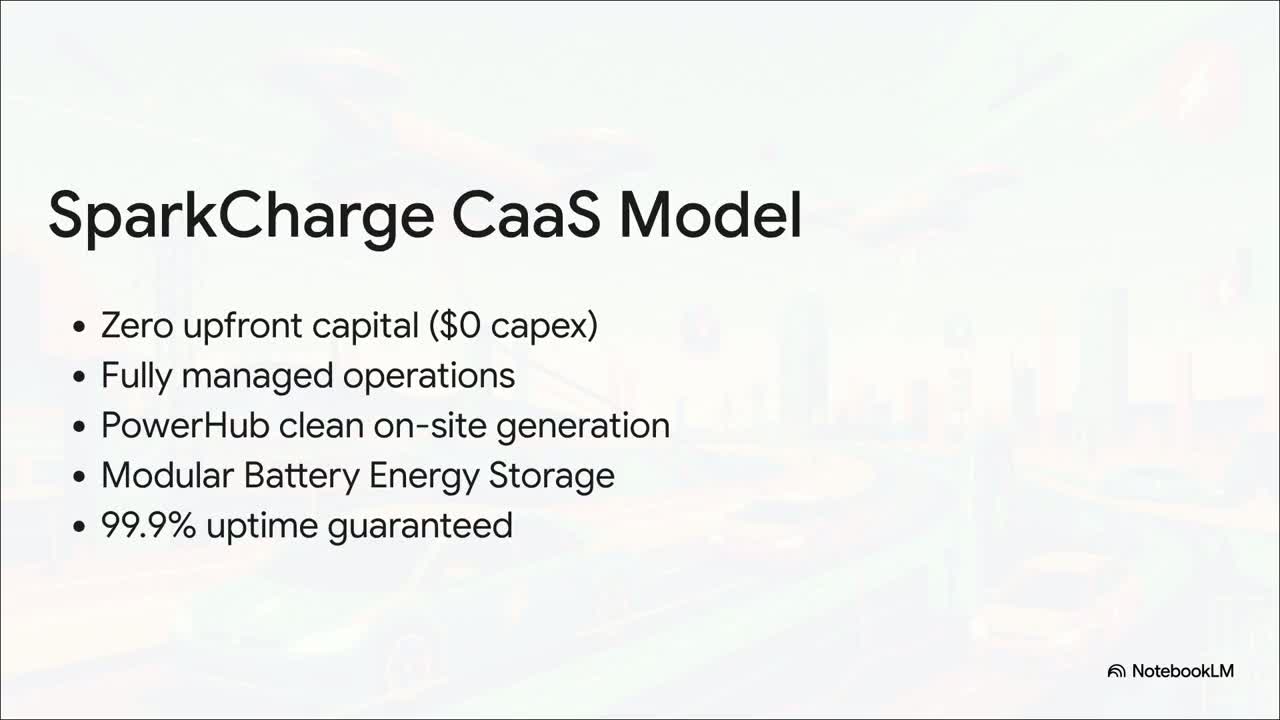
SparkCharge, the best-funded name in the space, deploys a working charging site in 7 days versus an 18-month grid upgrade, charges $0 upfront capex, guarantees 99.9% uptime, and now operates across all 50 US states plus Canada and Mexico. Roughly 95% of its customers use the off-grid option because the on-grid path is simply too slow. That is not a niche; it is the new default for any fleet that cannot wait on a utility.
SIGNAL: Roughly 2,600 GW is stuck in the US interconnection queue, more than the entire installed grid. Mobile charging is not a stopgap; it is the only path that puts power in a depot this quarter.
Tow truck or mobile charger? The 2026 decision matrix
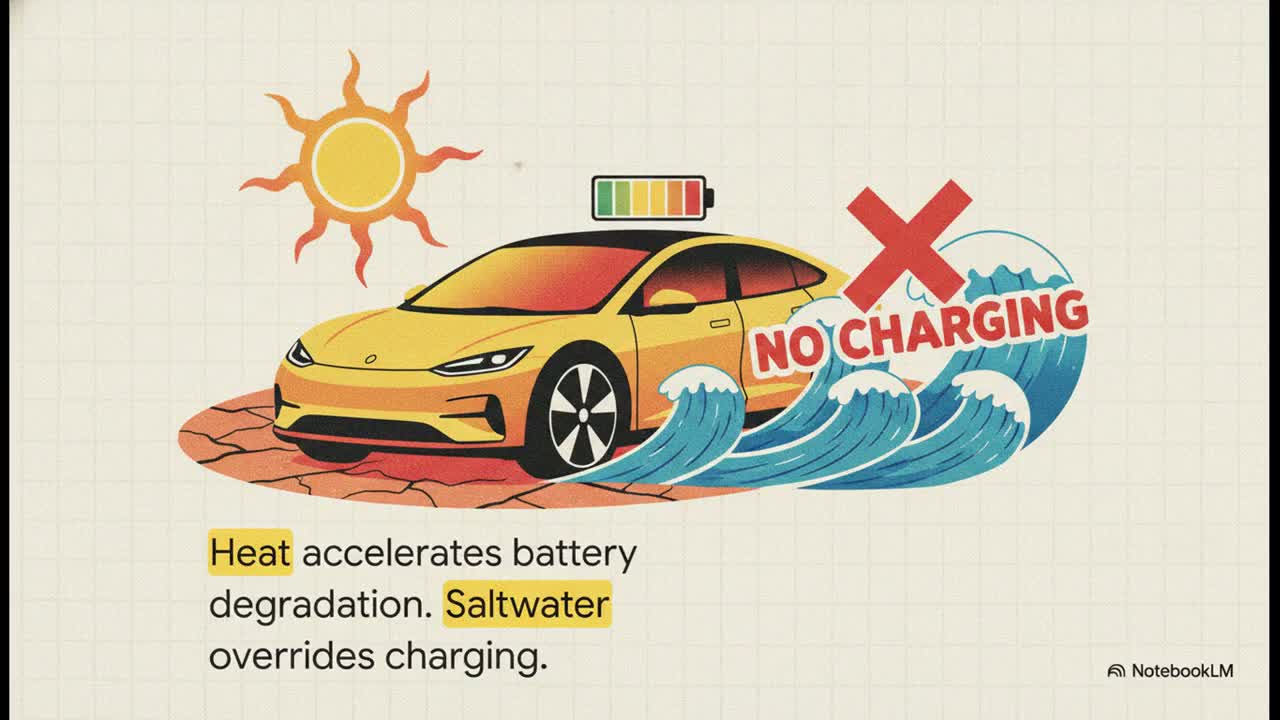
The golden rule from the Caltrans fleet data is simple: if the high-voltage pack is dead but the rest of the car is fine, call a mobile charger. If you have suspension damage, a stuck charge port, or saltwater intrusion, the car must go on a flatbed. You cannot charge a flooded high-voltage system, period. South Florida drivers face this triage every hurricane season: 90°F-plus heat accelerates battery degradation if the car sits at 0%, and storm-surge flooding turns a dead EV into a flatbed-only tow.
For everyone else stranded on the shoulder, mobile charging costs roughly the same as a tow, sometimes less, and returns you to driving in a fraction of the time.
| Factor | Mobile EV charging | AAA / flatbed tow |
|---|---|---|
| Typical US dispatch cost (2026) | $125-$250 per visit | $0 with membership; $250-$500+ without |
| Time on-site | 15-30 minutes plugged in | 30-90 min wait + 30-60 min charge at station |
| Total time to driving again | 45-90 minutes | 2-6 hours |
| Range delivered | 20-60 miles | Full charge only at destination station |
| Vehicle movement | None, you stay put | Flatbed tow to nearest charger |
| After-hours surcharge | Often around $50 | $50-$150 typical |
| Best for | Dead pack, low battery, stuck port, 12 V failure | Accident, suspension damage, flood damage, warranty repair |
SIGNAL: As of 2026, standard AAA trucks do not carry portable EV chargers in most regions, they default to a flatbed tow. For a true battery rescue you need a dedicated mobile charging service.
How mobile EV charging actually works
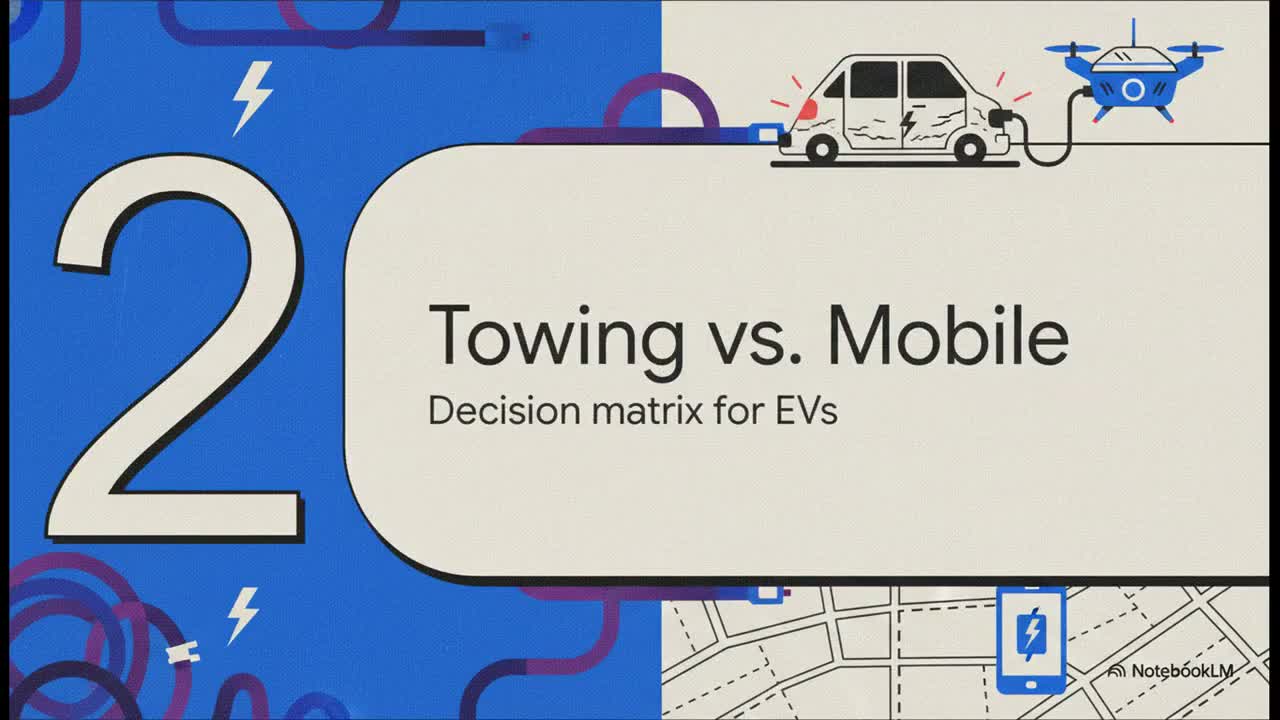
A mobile charging van is a rolling DC fast charger: battery storage plus inverter plus a CCS1 or CCS2 cable, dispatched through an app or hotline. Heavy commercial units like those from Door Energy push up to 420 kW, true Level 3 speeds without a permanent grid connection. Consumer-grade services typically deliver 20-60 miles of range in 15-30 minutes from Level 2 or small DC fast hardware, enough to clear the emergency and reach a real station.
Providers are consolidating quickly. Bee Charged EV now serves 100+ US cities with app-based dispatch and Charge Rigs FLEXX mobile DC fast chargers; SparkCharge runs the largest CaaS fleet aimed at commercial operators; ROA Energy adds solar-powered trailers for remote sites; LA EV Mobile, RoadZap NJ, and a wave of regional startups fill the gap for individual drivers. EVgo is also extending into mobile dispatch on top of its 1,200-station public fast-charging network.
| Provider (2026) | Primary use case | Coverage | Pricing model |
|---|---|---|---|
| Bee Charged EV | Roadside and fleet, app-based | 100+ US cities, 24/7 | Membership + per-dispatch, mobile DCFC |
| SparkCharge | Fleet / CaaS, off-grid depot | All 50 states + Canada + Mexico | $0.35-$0.69/kWh, $0 capex |
| EVgo Mobile | Public fast charging + mobile dispatch | 47 states, 1,200+ stations | Per-kWh + membership plans |
| RoadZap | Roadside, Northern NJ | Northern NJ, 24/7 | $125-$185 all-in |
| LA EV Mobile | Roadside, Southern California | LA + Orange County | Per-dispatch |
| ROA Energy | Solar-powered remote sites | National, remote focus | Rental / fleet |
The market is moving from one-off rescues to a real industry. Global mobile EV charger revenue is on track from roughly $1.8B in 2025 to $4.5B by 2033, a compound annual growth rate near 12.5%. Adjacent mobile charging-station forecasts run even hotter at roughly 18% CAGR, which means more vans on more shoulders every quarter.
Caltrans reality check: mobile charging is not magic
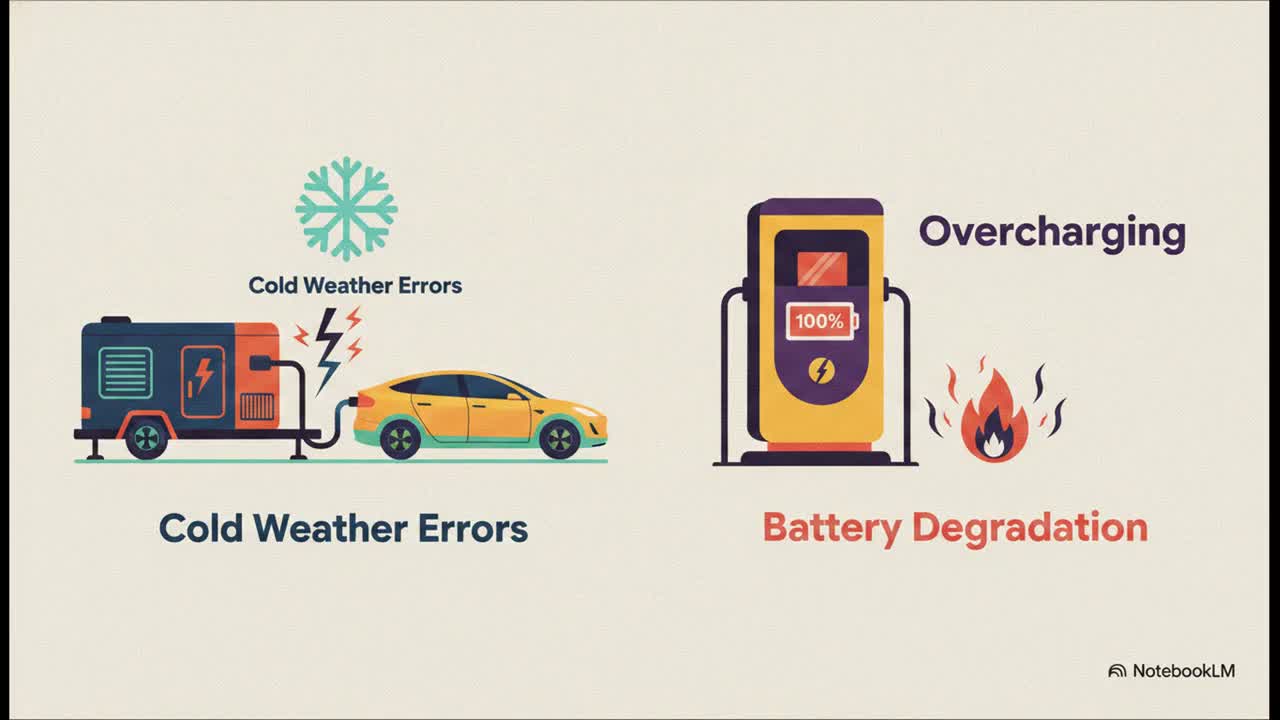
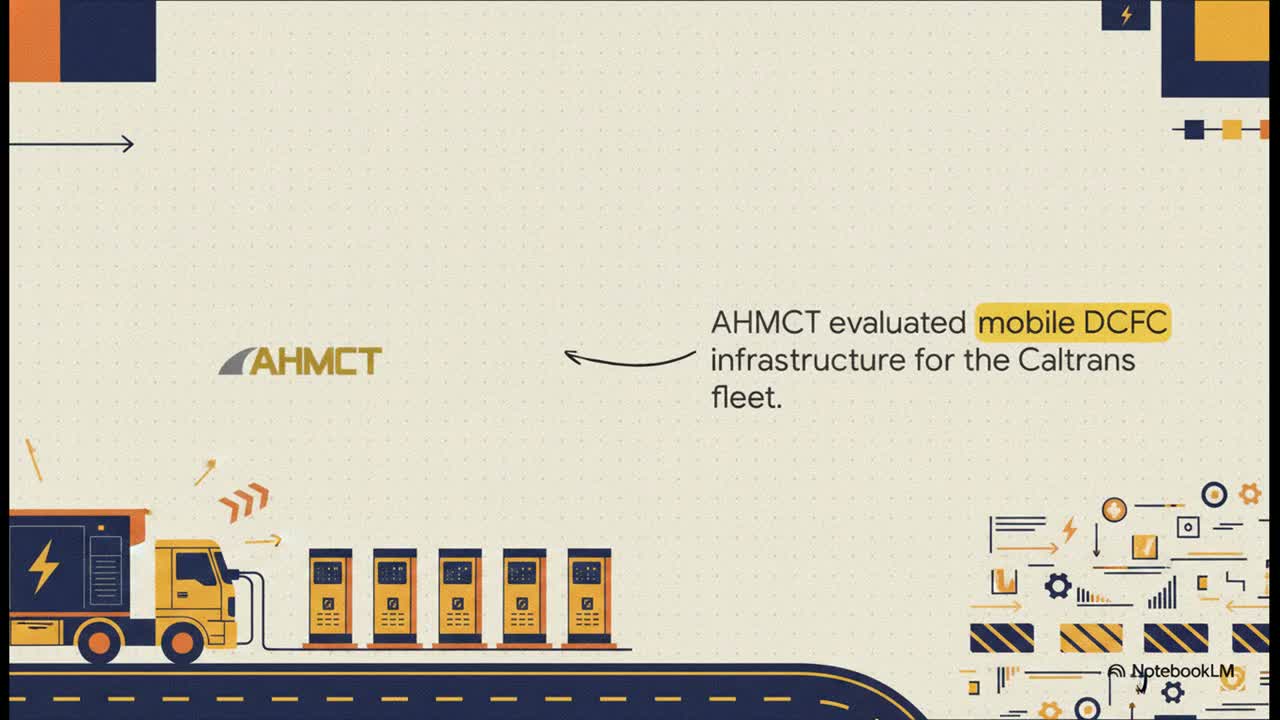
The Advanced Highway Maintenance and Construction Technology Center (AHMCT) ran real-world tests of mobile DC fast chargers for the Caltrans fleet, and the results are sobering. The EVgo mobile unit hit only a 35% success rate for DC fast-charging compatibility on the vehicles it was supposed to rescue. FreeWire’s Boost Charger, marketed as flexible, actually needed a permanent concrete foundation and got stuck in fire-marshal permitting for months. A FreeWire unit kept its internal battery state of charge at 98.5% around the clock and cooked its own cells into early degradation. ChargePoint stations turned out to be the most reliable way to recharge the mobile units themselves. There were also intermittent charging failures on Tesla vehicles and battery cell errors in cold weather.
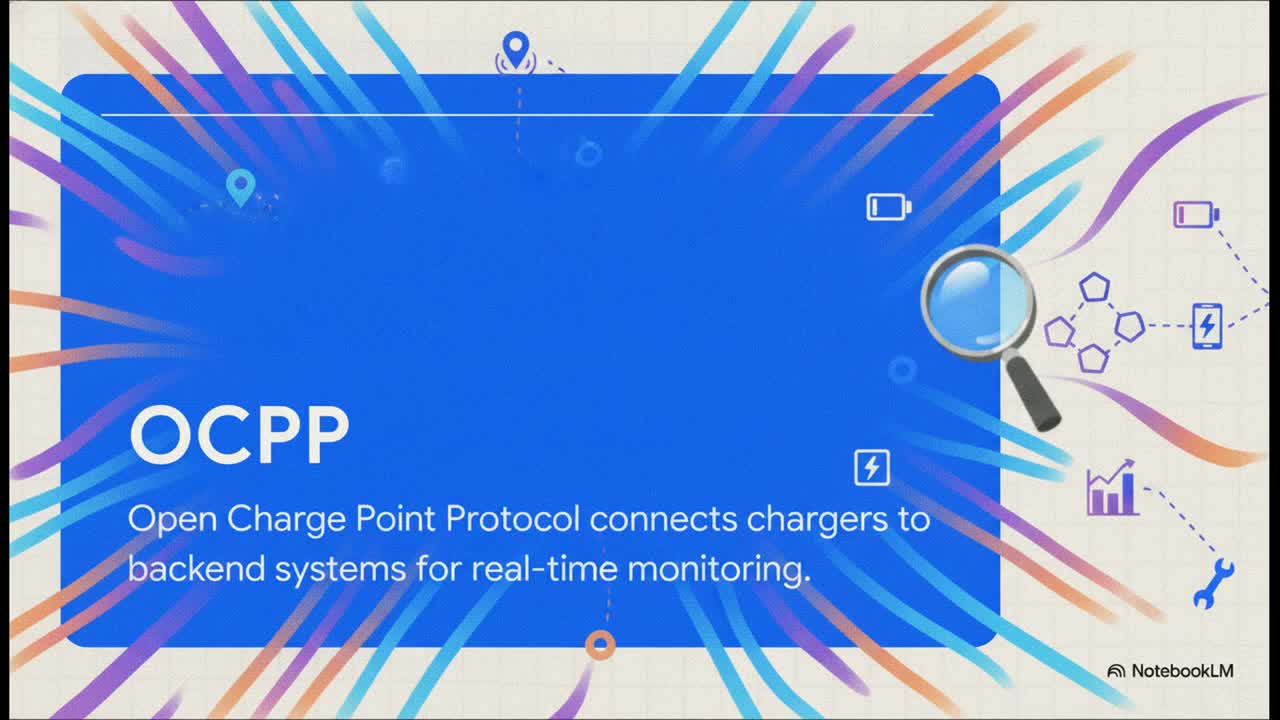
SIGNAL: Hardware is only half the story. The Open Charge Point Protocol (OCPP) lets mobile units broadcast live location, state of charge, output, and fault data, turning dispatch from a phone call into a data-driven rescue.
Insurance, AAA, and who actually pays
Most major US insurers now cover EV towing in standard policies, but coverage is thinner than drivers assume. Progressive, GEICO, and State Farm typically cap coverage at $0-$300 per incident, often with a deductible and per-tow limits. EV-specific endorsements raise that ceiling to $500-$1,000 for roughly $10-$30 per year extra. AAA Plus members get up to $300 of towing (100 miles included); AAA Premier extends to $500 and 200 miles. None of these programs replace the battery on-site, they pay for the tow and the time lost at the destination charger.
For a US driver in 2026 the practical stack looks like this: keep a roadside membership for true mechanical emergencies, but bookmark a mobile charging service before you need one. A single dispatch that saves you a 3-hour tow pays for the membership fee and then some.
When you should still call a tow truck
Mobile charging is the right answer for a dead pack, a stuck charge port, a dead 12V battery, or a driver who miscalculated range. A flatbed tow is still mandatory after a collision, suspension failure, high-voltage warning light unrelated to state of charge, and any vehicle that has taken in saltwater. Charging a flooded high-voltage system can kill a technician and destroy the pack. When in doubt, ask the dispatcher whether their crew is EV-certified and Level 3-equipped.
How fast is mobile EV charging in 2026?
Consumer roadside services typically deliver 20-60 miles of range in 15-30 minutes from Level 2 or small DC fast hardware. Heavy commercial vans from operators like Door Energy can push up to 420 kW of DC fast charging, close to public station speeds, for fleet and depot use.
Does AAA actually charge EVs roadside in 2026?
Standard AAA trucks in most US regions still default to a flatbed tow. A few metro areas are piloting EV charging vans, but for a true on-site battery rescue in 2026 you generally need a dedicated mobile EV charging service. AAA Plus and Premier still pay for the tow and the time spent at the destination charger.
Is mobile EV charging cheaper than a tow?
It depends on distance. Mobile charging typically costs $125-$250 per dispatch with a flat fee, while flatbed EV tows cost $250-$500+ with $5-$8 per mile on top. If the nearest compatible charger is more than 10-15 miles away, mobile charging usually wins on both price and time. If the car needs to go to a dealer or is mechanically unsafe, a flatbed is the only legal option.
Does car insurance cover mobile EV charging?
Standard policies from Progressive, GEICO, and State Farm cover towing up to roughly $0-$300 per incident. EV-specific endorsements raise the cap to $500-$1,000 for about $10-$30 per year extra. On-site mobile charging is rarely reimbursed; you are paying out of pocket for the convenience.
Related reading on EVCUBE
Sources
- SparkCharge, Power in Days, Not Years (charging-as-a-service platform, $0 capex, 7-day deployment, all 50 states)
- BeeChargedEV, Top 10 Best Mobile EV Charging Companies in United States, Updated 2026
- ChargeProsd, AAA vs. mobile EV charging when your EV dies (San Diego, 2026)
- ChargeProsd, Mobile EV charging cost vs tow truck: which is cheaper when you are stranded?
- USA Tow Finder, EV Towing Cost: What Electric Vehicle Owners Pay in 2026
- RoadZap NJ, Power When You Need It, Where You Need It (mobile EV charging, Northern NJ)
- EMobility+, FreeWire deploys ultrafast EV charging at convenience stores in California
- EVgo Press Release, EVgo Races Ahead on NACS With Nearly 100 Stalls Live Today, Hundreds More Coming in 2026