EV Market Analysis · Buyer’s Guide
Model Y / 3 Big Changes Announced: Is It Time to Buy, or Wait?
By EVCube Newsroom · Based on Frunk To Trunk reporting (Aug 20, 2026) · 8 min read
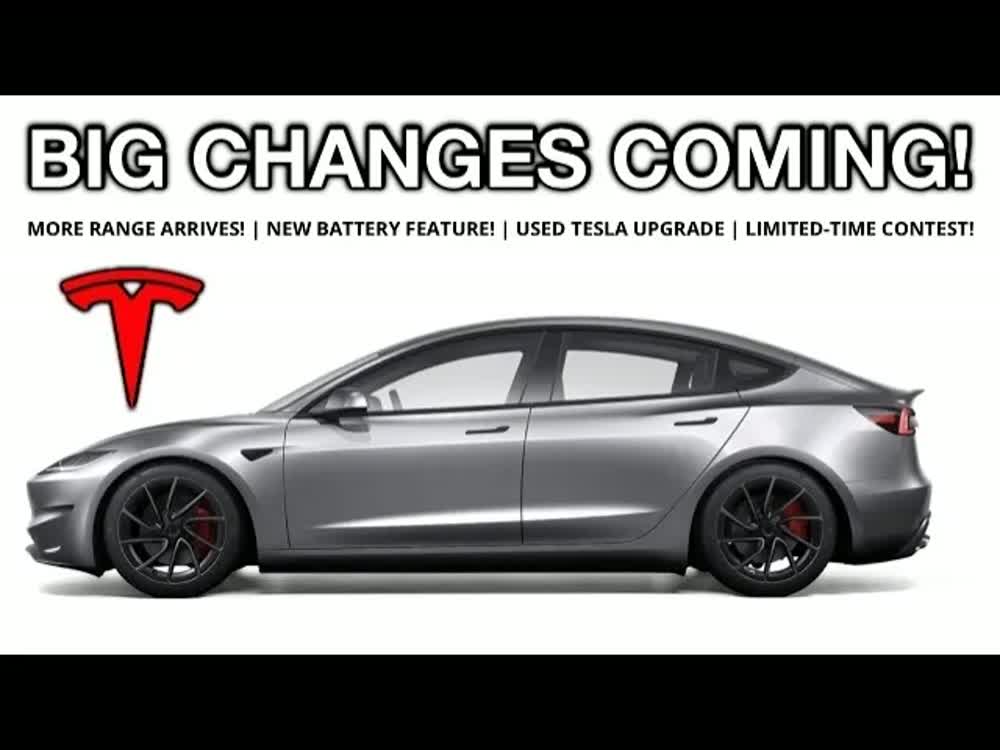
Tesla just slipped a surprise vehicle-to-load feature into the Model Y Premium, Edmunds measured a real-world 358-mile range on the Model Y L, and a brand-new certified pre-owned program landed with free FSD attached. But interest rates just ticked up and a ~20,000-unit headlight recall is in the news. So — buy now, or wait?
The Headline: Model Y Premium Quietly Gains Vehicle-to-Load
Much like the Model Y Performance before it, the Model Y Premium now ships with vehicle-to-load (V2L) “Power Share” — confirmed for US purchases from May onward. The giveaway is a parts-catalog entry: punch your VIN into Tesla’s parts catalog, search “assembly power conversion,” and look for part number PCS2. That’s the new power-conversion unit that enables Power Share.
This is not Cybertruck-grade whole-home backup. Think appliances, power tools, and lighting off your battery pack — useful for camping, outages, and job sites. But here’s the catch buyers need to hear: roughly a week before this video, Tesla stopped bundling the V2L adapter with the Model Y Performance. You now buy the adapter separately for both the Premium and the Performance, at $80.
V2L READINESS — WHAT YOU ACTUALLY GET
Premium/Performance = V2L hardware present, but $80 adapter now required · Cybertruck = full home backup (separate class)
More Range: Edmunds Measured 358 Miles on the Model Y L
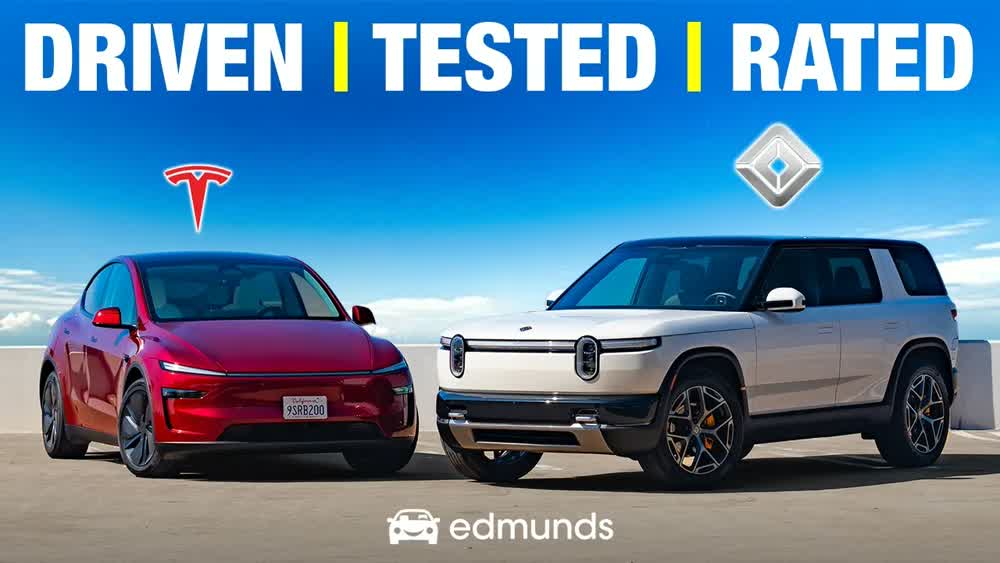
Edmunds ran a first-ever real-world battery test on the Model Y L and came back with 358 miles — about a 12% increase over the expected EPA figure. The reviewers also flagged meaningful comfort upgrades: 30% better glass heat rejection (less solar heat through the glass), 15% faster cabin cooling, and a 23% thermal-efficiency improvement. Translation: the car gets cool faster, stays cool, and sips less energy doing it.
Demand is the flip side. The Model Y L is reported near sold out, and wait times are slipping: ETAs for the Model Y and the Model 3 RWD are pushing into Q4, with some Model 3 RWD configurations sliding toward 2027.
A Real Certified Pre-Owned Program Finally Arrives
Tesla formalized a 115-point quality inspection for used vehicles — covering cosmetic, mechanical, and more — and, crucially, you can now see what’s being checked. Two sweeteners ride along:
What the new CPO program adds
• 1 month of free Full Self-Driving with any certified pre-owned purchase.
• 10,000-mile warranty on the CPO purchase.
• Original warranties (battery, drivetrain) carry over unchanged.
For a brand that historically leaned on an internal checklist buyers never saw, this is a genuine trust signal — and it matters for the “buy used vs. new” math below.
Cyber Cab & RoboTaxi: Wireless Charging, RGB Light Bar, Zero Accidents
The Cyber Cab public launch in Austin, Texas is close. Newly confirmed details:
- Wireless charging — Tesla has filed for multiple wireless chargers for the Cyber Cab fleet.
- An RGB color-changing LED light bar that may match the color in the rider’s app, so you know which car is yours.
- A contest: every RoboTaxi ride is an entry; 5 random winners attend the Cyber Cab launch event.
On safety, Tesla reports zero RoboTaxi accidents from mid-June into July. And two American-made data points worth noting: 84% of Tesla parts are domestically sourced (next-closest manufacturer at 63%), and Tesla posted the highest brand loyalty at 64% — ahead of Ferrari and Toyota.
The Recall You Should Know About
About 20,000 Model 3 and Model Y units are affected: 2017–2023 Model 3 and 2020–2023 Model Y. The issue is matrix headlights that are too bright; Tesla may replace them with corrected matrix units. If your VIN falls in that window, expect a service notification — it’s a fix, not a stop-driving order.
BUYING PRESSURE — TAILWINDS VS. HEADWINDS
Headwinds: rates up on 3 & Y, +$80 V2L adapter · Tailwinds: 2,000 free supercharging mi on trade-in, loyalty discounts, free-FSD referrals, new CPO program
Buy Now or Wait? The Verdict
Our take: a good time to buy — not the best time
Interest rates on the Model 3 and Model Y just rose a few weeks ago, and the $80 V2L adapter is a small but real added cost. That argues for waiting if you can. But the offsets are real: loyalty discounts, 2,000 free supercharging miles on trade-ins, and free-FSD referral perks. If you need a car and you’re choosing between a gas car and a Tesla, the self-driving, fuel savings against still-high gas prices, and stronger safety case still point to the Tesla.
Best play right now: if you want to save or don’t mind used, the new CPO program makes used probably one of the best times to buy used we’ve seen from Tesla. For new, the rate bump and adapter cost are the only things holding “best time” back.
At-a-glance: what changed on the 3 and Y
| Change | Model Y Premium | Model Y Performance | Model 3 |
|---|
| V2L / Power Share (PCS2) | Added (May+ US) | Hardware present | — |
| V2L adapter included? | No — $80 | No longer included — $80 | — |
| Real-world range (Y L) | 358 mi (Edmunds, +12%) | — | RWD ETA into 2027 |
| Glass heat rejection | +30% | +30% | — |
| Cabin cooling speed | +15% | +15% | — |
| Thermal efficiency | +23% | +23% | — |
| CPO program | 115-pt inspection · 1 mo free FSD · 10,000-mi warranty |
| Headlight recall | ~20,000 units (2017–23 M3, 2020–23 MY) |
Frequently Asked Questions
Does the Model Y Premium really have vehicle-to-load now?
Yes. US Model Y Premium builds from May onward include V2L “Power Share,” identifiable by part number PCS2 in Tesla’s parts catalog. It’s appliance-and-tool level, not whole-home backup like the Cybertruck. Note the adapter is no longer bundled — it’s $80.
How much range does the Model Y L actually get?
Edmunds’ real-world test returned 358 miles, roughly 12% above the expected EPA number. Combined with 30% better glass heat rejection and 15% faster cabin cooling, the Long Range/L variants are the comfort leaders in the lineup right now.
Is the certified pre-owned program worth it?
For used buyers, yes — it’s one of the stronger used-Tesla moments. You get a visible 115-point inspection, one month of free FSD, a 10,000-mile warranty, and your original battery/drivetrain warranty carries over. If you want to save money and don’t mind used, this is arguably the best time to buy used.
Should I worry about the ~20,000-unit recall?
Only if your VIN is a 2017–2023 Model 3 or 2020–2023 Model Y with overly bright matrix headlights. Tesla will replace the affected units; it’s a correction, not a “don’t drive it” order. Check your VIN on NHTSA’s recall lookup when notified.
Sources
Related reading on EVCube