Australia's EV Market Hits 23.4%: The June 2026 Sales Revolution in Numbers
July 16th, 2026
By EVCUBE .NET
No Comments
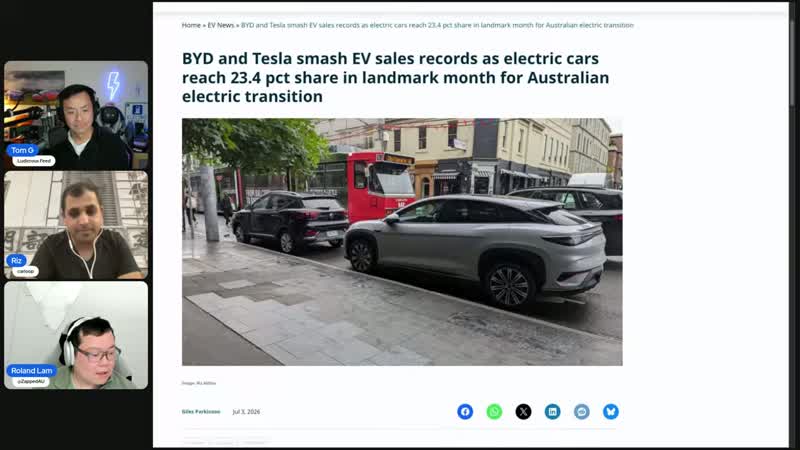
In June 2026, Australia reached a watershed moment in its automotive history: 23.4% of all new vehicles sold were electric. That is not a forecast or a target. It is what actually happened. More than 30,000 EVs found new homes in a single month, the Tesla Model Y became the best-selling vehicle of any kind for the second consecutive month, and BYD came within striking distance of Toyota’s long-held sales crown. This is what happened and why it matters.
The Record That Changes the Conversation
The 23.4% figure is not just a number. It represents a near-tripling of what the EV share was just two years ago. In June 2024, EVs held roughly 8-9% of the Australian new car market. By June 2025, that had climbed to around 15%. The jump to 23.4% in June 2026 confirms that Australia is no longer an EV laggard ? it is now tracking ahead of the global average, which the International Energy Agency estimates at roughly 20% for 2025-2026.
What makes the June figure even more significant is that it came on the back of an all-time record for total new car sales in Australia. This was not a case of EVs gaining share simply because the overall market shrank. The entire pie expanded, and EVs took a dramatically larger slice.
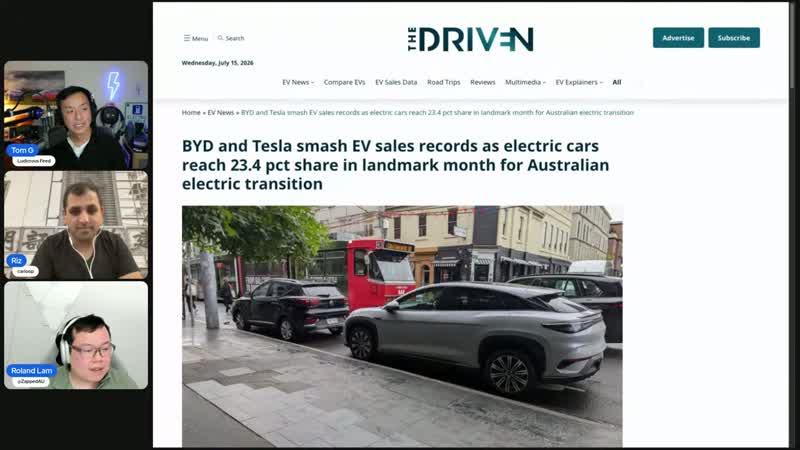
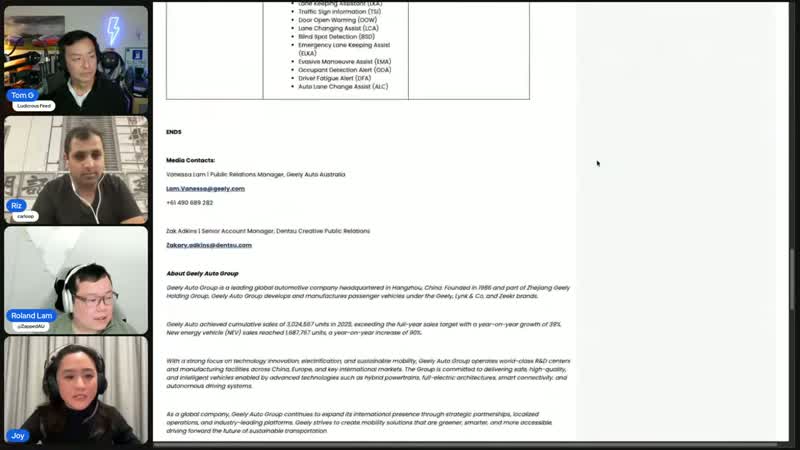
The Ludicrous Feed team breaks down the June 2026 EV sales data showing 23.4% market share.
23.4% EV share of Australian new car sales ? June 2026 (record high)
30,000+ Electric vehicles sold in a single month for the first time
Tesla Model Y: The Unstoppable Force
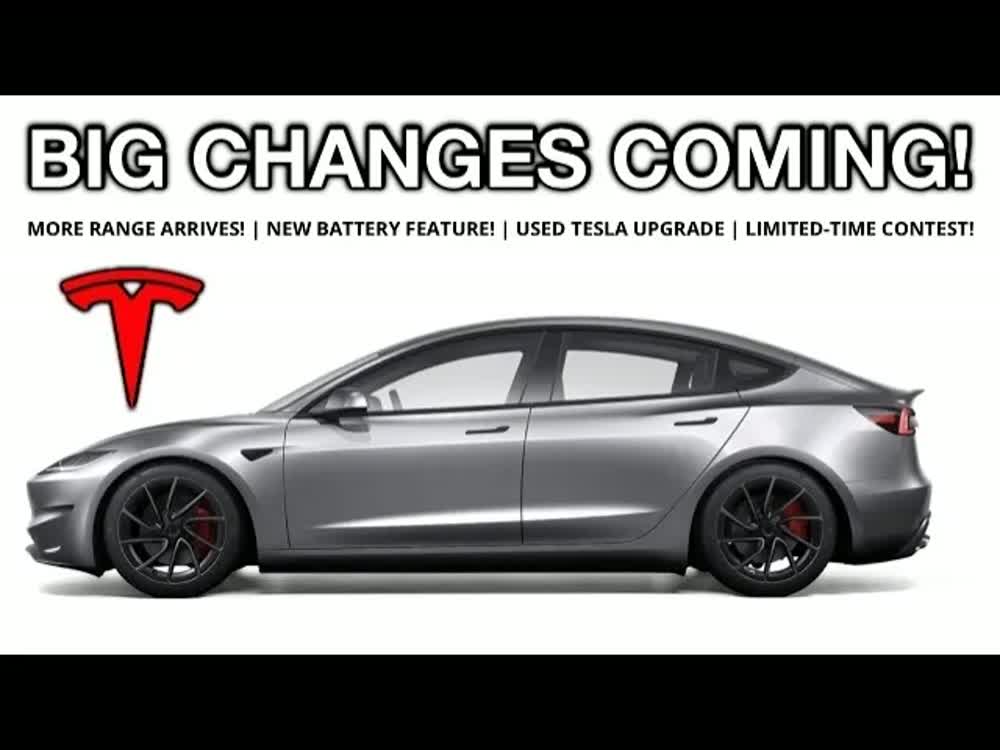
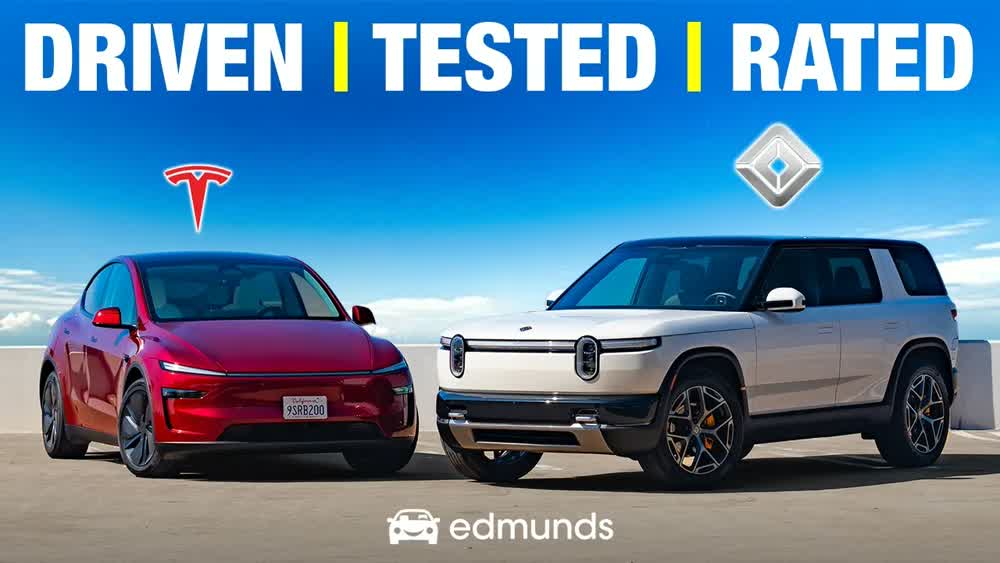
The Tesla Model Y achieved something truly remarkable in June: it became the best-selling vehicle in Australia across all powertrains ? petrol, diesel, hybrid, and electric ? for the second consecutive month. In May 2026 it had already claimed that title, and it repeated the feat in June. No EV has ever done this in Australia before, and doing it twice in a row signals a structural shift in consumer preference, not a one-off anomaly.
To put this in context, the Model Y outsold the Toyota HiLux and Ford Ranger ? two vehicles that have dominated the Australian sales charts for years. The HiLux has been Australia’s best-selling vehicle in many of the past years, and the Ranger has consistently traded blows with it. For an electric SUV to surpass both, and do so in back-to-back months, is a milestone that should not be underestimated.
Tesla Model Y achieved best-selling vehicle status for the second consecutive month.
BYD vs Toyota: A Changing of the Guard in Sight
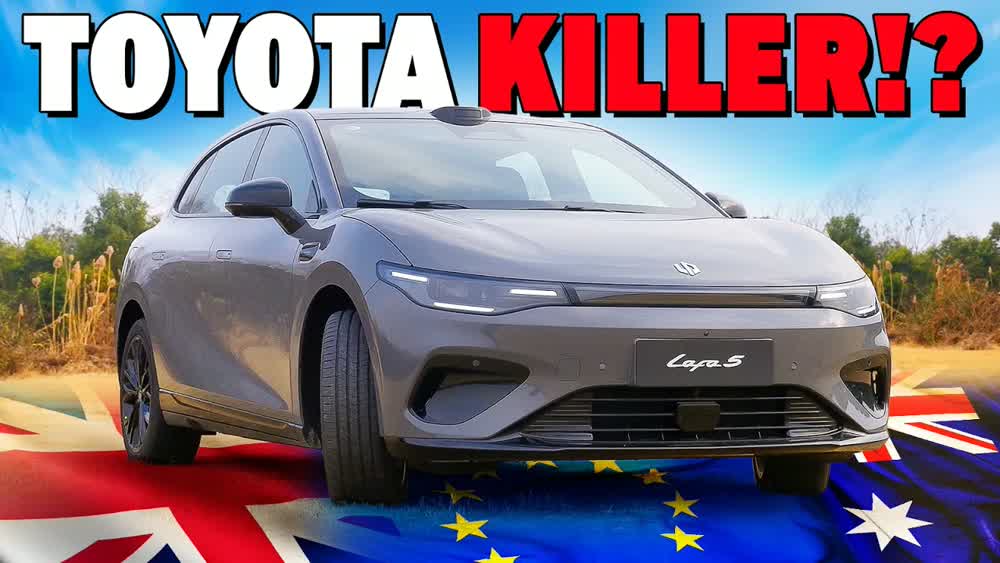
The headline that caught everyone’s attention in the Ludicrous Feed analysis was this: BYD finished June just 2,340 sales short of Toyota for the month. For a company that entered the Australian market only in 2022, this is nothing short of astonishing.
Toyota’s dominance in Australia has been one of the constants of the automotive landscape. The brand has held the top spot for over two decades. Yet here was BYD ? a company that barely existed on the global stage a decade ago ? breathing down its neck in the Australian monthly sales race.
2,340 Units separating BYD from Toyota in June 2026 monthly sales
Riz Akhtar, one of the show’s co-hosts and the data mind behind carloop.com.au, pointed out that conventional automakers have been quick to dismiss the June result as a one-off. But the data tells a different story. With over 30,000 EVs sold in a single month and new models arriving at price points that undercut equivalent petrol cars, the trend line is unmistakable.
The hosts noted that BYD’s operations management team may be under-calling their own trajectory. July 2026 could be the month BYD finally overtakes Toyota in Australia ? a moment that would symbolise the full arrival of the EV era in the local market.
Price Disruption: Geely EX2 at $26,490
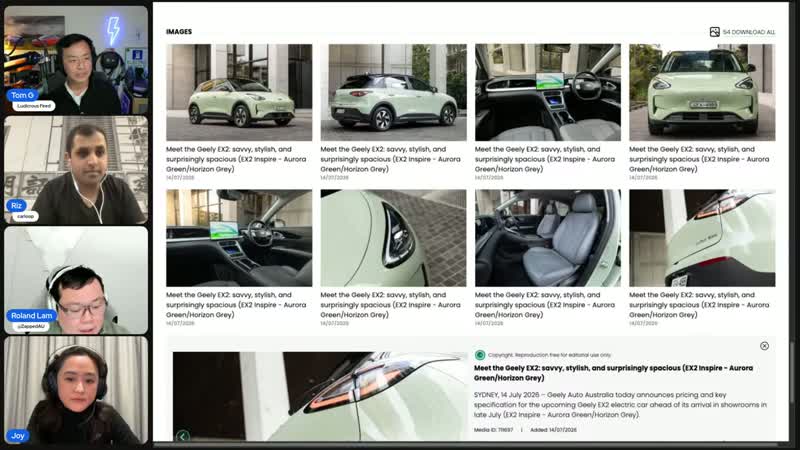
One of the most significant announcements covered in the July 15 episode was the official pricing of the Geely EX2. The electric hatchback starts at $26,490 ? a price point that brings EVs into direct competition with budget petrol cars like the MG3, Suzuki Swift, and Kia Picanto.
The EX2 has been highly anticipated, and early reactions from the Ludicrous Feed community suggest the price is slightly higher than some had hoped ? many were watching to see if it could undercut the BYD Dolphin (around $23,000 before on-roads). Still, at $26,490 for a well-equipped electric hatch from a brand with growing global scale, it represents a serious value proposition.
Model
Starting Price (AU)
Segment
Range (est.)
Geely EX2
$26,490
Light Hatch
~320 km
BYD Dolphin
~$23,000
Light Hatch
~340 km
MG4 Excite 51
~$31,000
Small Hatch
~350 km
GWM Ora
~$32,000
Light Hatch
~310 km
Nissan Leaf
~$40,000
Small Hatch
~270 km
Geely EX2 pricing was finally confirmed ? the $26,490 starting price makes it one of Australia’s most affordable EVs.
Xpeng Expands: G6 Pricing and the LO3 (Mona) Mystery
Xpeng’s Australian ambitions took a major step forward with confirmed pricing for the G6 SUV. The rear-drive standard range starts at $51,800, the rear-drive long range at $56,800, and the all-wheel-drive performance variant at $63,800. These prices position the G6 competitively against the Tesla Model Y (starting around $55,000) and the increasingly popular BYD Sealion 6.
But the real buzz in the livestream surrounded the upcoming Xpeng LO3 ? codenamed Mona internally. The hosts noted that the LO3 could be priced aggressively enough to disrupt the entire sub-$40,000 EV segment when it arrives in Australia. The car has already been spotted testing and is expected to become a volume seller for Xpeng in markets where price sensitivity is highest.
Xpeng G6 pricing confirmed for Australia, positioning it as a direct competitor to Tesla Model Y.
Beyond Passenger Cars: Volvo’s Electric Trucks
The electrification story in Australia is not limited to passenger vehicles. Tom and Joy from Ludicrous Feed recently visited Volvo Trucks in Brisbane to see Australia’s first locally-assembled heavy-duty electric trucks. These are not concept vehicles. They are production units being built in Wacol, southwest Brisbane, with first customer deliveries destined for logistics company Nox.
540 kWh Battery capacity ? Volvo electric truck
50 tons Towing capacity with 300 km range
Each truck packs a 540 kWh battery ? equivalent to roughly nine Tesla Model Y Long Range packs ? and offers approximately 300 kilometres of range while towing up to 50 tonnes. This is early days for heavy-duty electric trucking in Australia, but the Volvo initiative signals that the technology has reached commercial viability for short-to-medium-haul logistics routes.
Other Notable Stories
Zeekr’s Guinness World Record
The Zeekr 7X earned a Guinness World Record for the tightest gap pass-through while driving an electric SUV ? a testament to the precision engineering emerging from Chinese EV manufacturers. Zeekr also launched the 7GT in Europe, expanding its global footprint beyond China.
BYD Customer Refund
BYD offered refunds to approximately 1,200 customers in what appears to be a goodwill gesture ? details remain sparse but the episode highlighted BYD’s efforts to maintain customer trust as it scales its operations in Australia.
Kia EV3 GT Line AWD
Kia confirmed availability of the EV3 GT Line AWD in Australia, adding another compelling option in the compact electric SUV segment that is rapidly becoming one of the most competitive in the market.
Polestar Exits the US
In a surprising strategic shift, Polestar announced its exit from the US market. The move raises questions about the brand’s long-term viability and whether it can sustain its global ambitions without access to the world’s second-largest auto market.
Volvo’s locally-assembled electric trucks in Brisbane signal the commercial vehicle sector’s EV transition is underway.
What This Means for EV Buyers
The June 2026 data tells a clear story: the Australian EV market has reached an inflection point. With 23.4% market share, the conversation is no longer about when Australians will adopt electric vehicles. They are adopting them right now, in record numbers.
For buyers, this creates a virtuous cycle. More sales mean more competition, which drives down prices. The Geely EX2 at $26,490 and the upcoming Xpeng LO3 could push entry-level EV pricing below $25,000 within 12 months. More EVs on the road also means faster charging infrastructure deployment, as networks like Evie, Chargefox, and Tesla Superchargers respond to growing demand.
The one area that needs close attention is charging reliability. As EV volumes scale, the pressure on public charging infrastructure will intensify. The hosts touched on this ? the so-called “Central Coast EV cable bandit” incident, where someone was vandalising charging cables, highlights the growing pains of a rapidly expanding ecosystem.
Australian EV Market Health Signals ? June 2026
Market Share Growth
94
Model Availability
85
Price Competitiveness
78
Charging Infrastructure
65
Consumer Awareness
88
FAQ
Is 23.4% EV share really a record for Australia?
Yes. The previous record was set in May 2026 at approximately 20%. June’s 23.4% represents a new all-time high. For context, in June 2024 the EV share was around 8-9%, meaning the market has nearly tripled in two years.
How did Tesla Model Y become Australia’s best-selling vehicle?
The Model Y achieved this for the first time in May 2026 and repeated the feat in June. It outsold the Toyota HiLux and Ford Ranger by combining competitive pricing (starting around $55,000), low running costs, strong range, and Tesla’s brand appeal. No EV had ever topped the monthly sales charts before May 2026.
Will BYD actually overtake Toyota in Australia?
BYD was only 2,340 sales behind Toyota in June 2026. With new models arriving and aggressive pricing, many analysts expect BYD to surpass Toyota in monthly sales within the second half of 2026. However, yearly totals will take longer given Toyota’s decades-long market leadership.
What is the most affordable new EV in Australia now?
The BYD Dolphin starts around $23,000 before on-road costs. The newly announced Geely EX2 at $26,490 adds another strong option. The upcoming Xpeng LO3 (Mona) could push pricing even lower when it arrives.
Discover the most attractive leasing and financing options for electric vehicles (EVs) this November 2024. Whether you’re looking to lease or finance, there are some excellent deals available that cater…