800 Volts Is the New Baseline: Why Charging Speed—Not Range—Wins the 2026 EV
July 16th, 2026
By EVCUBE .NET
No Comments
800 Volts Is the New Baseline: Why Charging Speed—Not Range—Wins the 2026 EV
EV Market Analysis · Deep Dive
800 Volts Is the New Baseline: Why Charging Speed—Not Range—Wins the 2026 EV
Range tells you how far you can still go. Charging speed tells you how long you’ll be stuck at the plug. In 2026, that second number is quietly deciding which EVs actually sell—and almost all of it comes down to one piece of engineering: the 800-volt architecture.
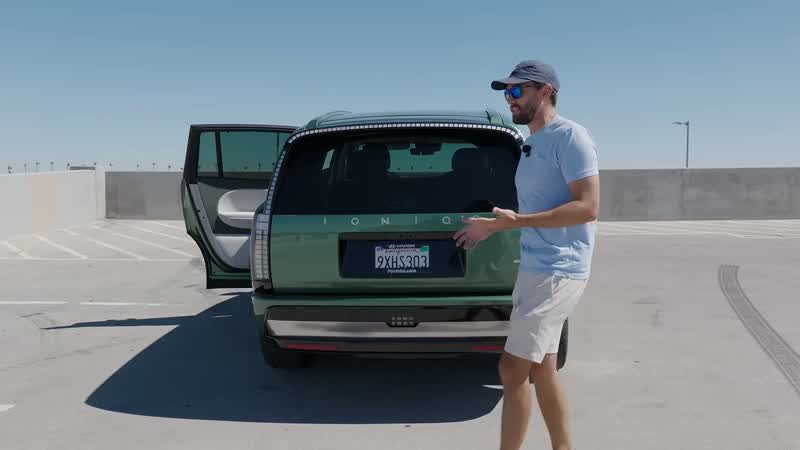
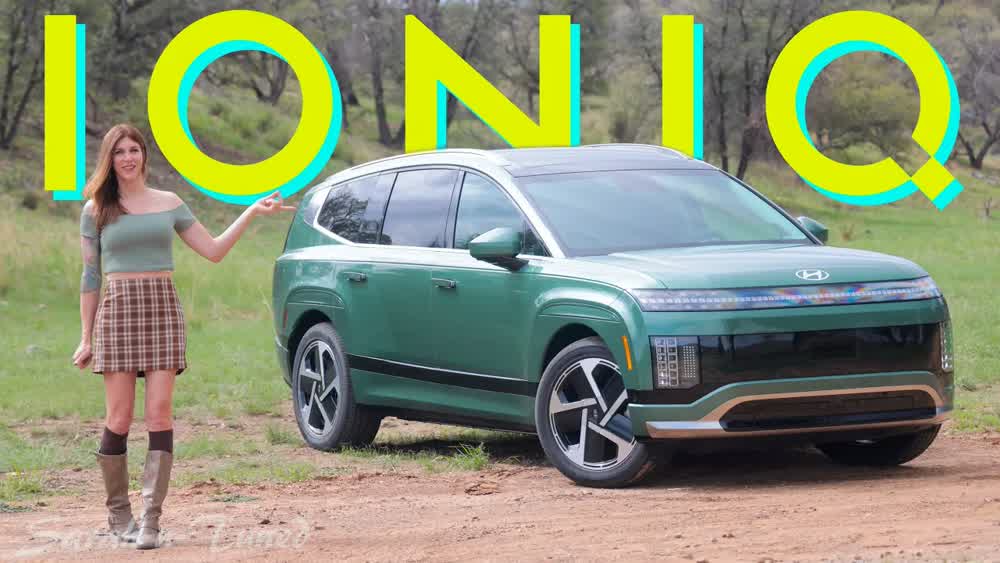
The 2026 Hyundai IONIQ 9: a three-row SUV that uses an 800V architecture to pull a recharge under 24 minutes.
A “Quietly Underrated” Family SUV Just Set a Charging Record
After driving the 2026 Hyundai IONIQ 9, a longtime EV reviewer did something unusual: he slotted this seven-seat family SUV’s 10–80% DC fast-charge result at the very top of every vehicle he’d ever tested. The number was 23 minutes 19 seconds, recovering 248 miles of range—about 10.7 miles per minute, and a full 41 seconds quicker than Hyundai’s own 24-minute claim.
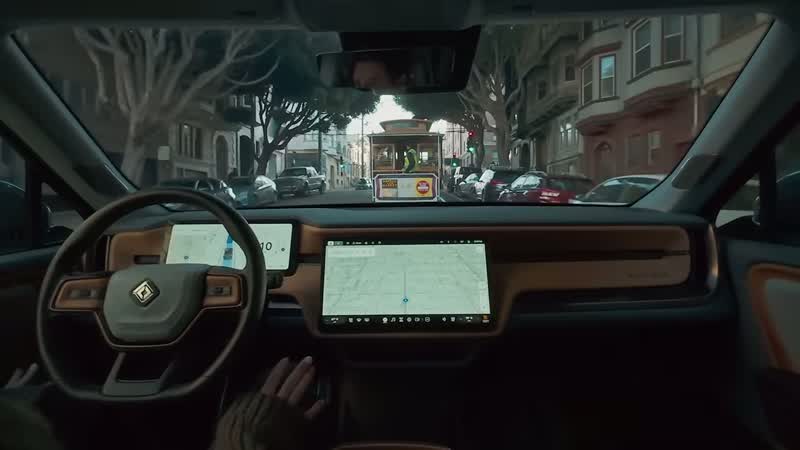
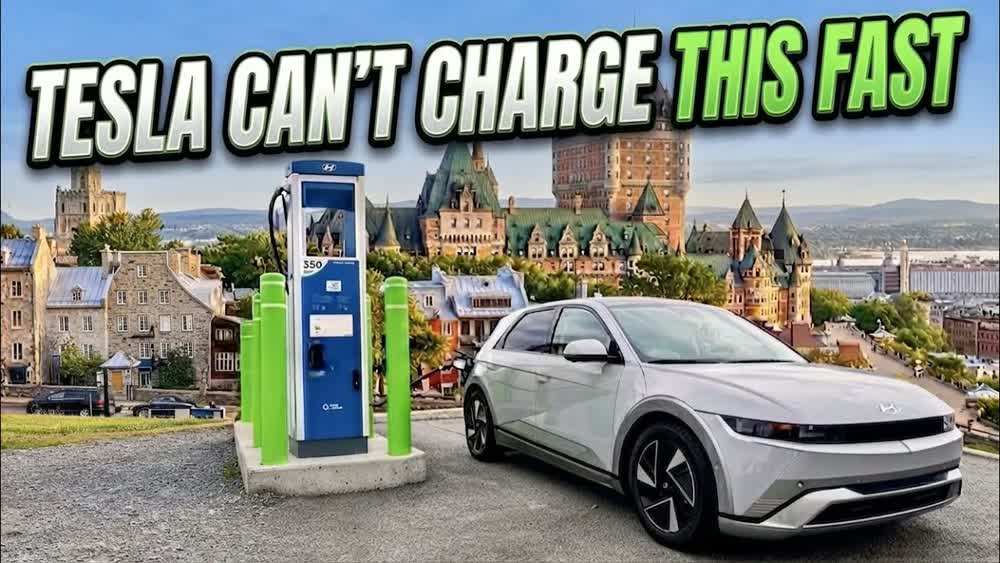
Put it next to the competition and it gets brutal. It beats every Tesla currently on sale. And it leaves a Rivian R1S—same 10–80% test, 44 minutes 22 seconds—looking like it’s serving detention at the charger. The reason collapses into two figures: 800 volts, and the 350 kW peak that architecture unlocks. This isn’t a one-off. It’s a clean footnote to the 2026 charging arms race.
The charge port opens automatically; the 800V architecture lets the car pull up to 350 kW from a capable stall.
The 2026 Charging Speed Rankings Are a List of 800V Cars
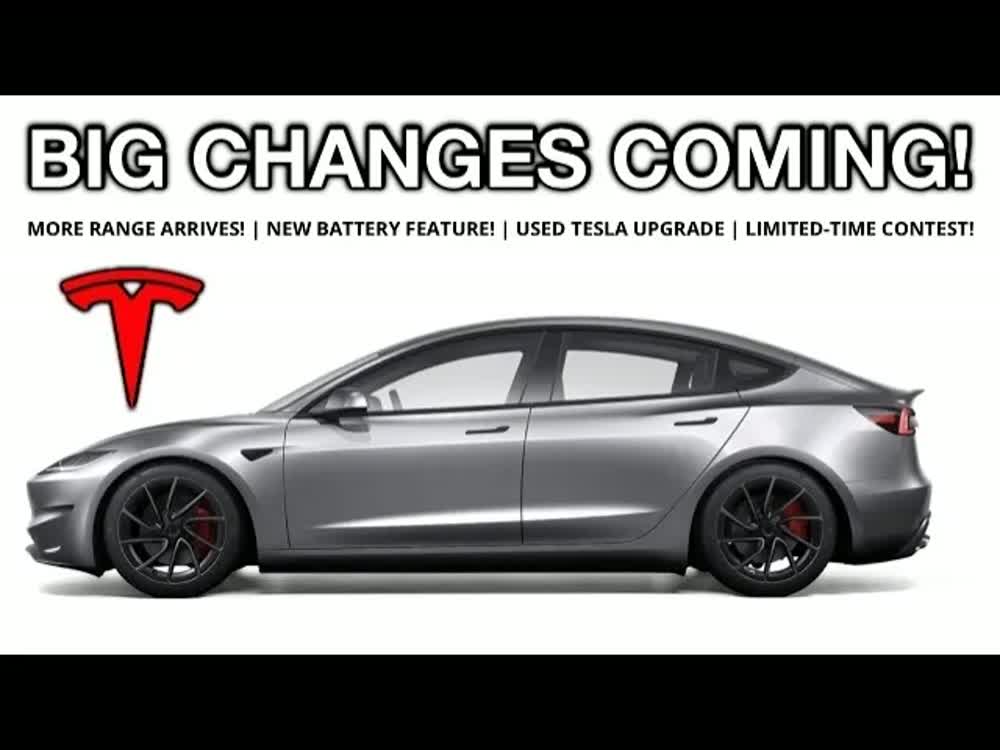
Line up the cars on sale in the US by real 10–80% session time and the result is almost monotonous: everything under 20 minutes is a native 800V platform. A 400V car, even plugged into a 350 kW stall, is physically capped at 200–270 kW. Charging speed stopped being a game of “what the stall is rated for” and became a game of “how much the car will accept, and for how long.”
Model / Platform
Architecture
Peak Power
Real 10–80%
Lucid Air (Grand Touring / Sapphire)
924V
350 kW
~19 min
Hyundai E-GMP family (IONIQ 5/6/9, Kia EV6/EV9, Genesis GV60)
800V
350 kW
18–24 min
Porsche Taycan (2025+ refresh) / Audi e-tron GT
800V (J1)
320 kW
~18 min
Porsche Macan EV / Audi Q6 e-tron
800V (PPE)
270 kW
~21 min
Tesla Model S / X (V4 Supercharger)
400V
250 kW
~22 min
Tesla Model 3 / Y (V3/V4 Supercharger)
400V
250 kW
~25 min
Cadillac (Ultium) / BMW (CLAR)
400V
190–195 kW
32–35 min
Sources: iEVChina 2026 US EV Charging Speed Rankings, evercars independent charging tests, and manufacturer peak claims. The IONIQ 9’s 23:19 on a 110.3 kWh pack is exactly what you’d expect from E-GMP’s 800V bus—it holds high power across far more of the state-of-charge curve.
In testing, power already hit 216 kW at 15% charge—and at 50%, it was more than double a same-charge Model Y (around 100 kW).
Why “10–80% Time” Matters More Than “Peak kW”
Peak power is a lying spec. It often holds for only seconds. What decides how many sips of your coffee you get is the whole curve. The IONIQ 9’s curve is unusual: instead of spiking then crashing, it climbs as the battery fills—about 211 kW at 10%, peaking at 235 kW only around 60% (evercars), then the BMS walks it down. Plenty of 400V cars taper early and never see their headline number again.
Three tiers of charging speed (10–80% session)
Tier 1 <20 min (native 800V) Tier 2 20–30 min Tier 3 30+ min (400V)
Almost everything under 20 minutes is an 800V platform. A 400V car, even on a 350 kW stall, is stuck outside 30 minutes.
The Rival Undone by Heat Is the Real Lesson
The reviewer’s own Rivian R1S took 44 minutes 22 seconds to go 10–80%. Not because the pack is small—because it’s large, and big packs trip their thermal limits on deep charges sooner. That explains the counterintuitive scene: a 311-mile Hyundai wins the road-trip experience over a 400-mile Rivian. Range decides how many stops you make; charging speed decides how long each one lasts. When that second number is twice as bad, total trip time gets caught and passed.
He’d previously crossed 3,000 miles in an IONIQ 6 sedan and arrived just 15 minutes behind a Tesla Model 3 RWD. On a real American road trip, the 800V cars already charge in the same league as Tesla.
For family road trips, “back on the road faster” usually beats “drives farther on a single charge.”
The Infrastructure Finally Caught Up: The 350 kW Corridor Is Real
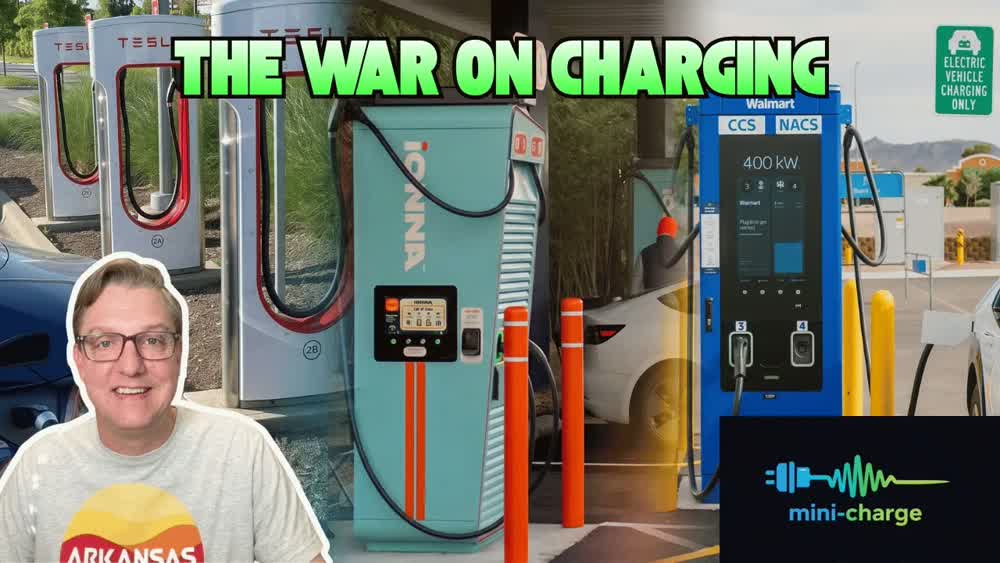
The reason charging speed can be a selling point in 2026 is that the network actually exists. Along major US interstates, 350 kW-capable sites are now dense enough that you’re roughly 75 miles from one. Tesla’s V4 Superchargers in North America now deliver up to 325 kW. Ionna—the automaker-backed network—has passed 100 sites. With NACS now the de facto US standard, native-NACS cars like the IONIQ 9 plug straight into 20,000+ Tesla Superchargers, then use the included CCS adapter for 61,000+ other DC stalls.
Seven seats plus second-row captain’s chairs are what let it tie “fast charging” to “family practicality.”
The Megawatt Race at the Cell Level Is Just Starting
800V is the answer you can buy today, but the floor keeps dropping. CATL’s 6C battery and BYD’s second-gen blade (megawatt-class) have pushed cell peaks past 1,000 kW; on dedicated stalls, 10–70% can shrink to about 5 minutes. CATL’s Tekkron 2 pulled a commercial vehicle’s 20–80% down to 6:48. Most of this is flagship-China and commercial today, not yet mainstream—but the direction is written: refill times are racing from “half-hour” toward “gas-station.”
Zoom Out: Charging Confidence Is Becoming a Sales Variable
The reason charging speed deserves its own article is that it’s moving from “footnote on the spec sheet” to “the purchase decision itself.” IEA’s Global EV Outlook 2026 projects about 23 million EVs sold worldwide in 2026—28% of new cars. China is closing in on 60% EV share of new cars; Europe is on track for roughly one in three. In the US, where the federal tax credit has rolled back, the pure-EV share sits around 5.5%, down 19–23% year over year—a split market where confidence, not capability, is the bottleneck.
Against that backdrop, China’s June NEV penetration hit 62.92% while gasoline-car sales collapsed 39%—a market that treats “refueling as easy as gas” as infrastructure, not a feature. When charging stops being a source of anxiety, the range number stops mattering so much.
Comfortable, roomy, and fast to charge—cars like this are turning “family road trip” from anxiety into the default option.
A Few Honest Questions About 800V and Fast Charging
I don’t have many fast chargers near me. Does 800V still matter?
Yes. Even on a 350 kW stall, a 400V car is physically capped at 200–270 kW; 800V is you buying ahead of a network that keeps getting denser. And the 350 kW corridor is already about 75 miles apart on major interstates—road trips benefit first.
Will frequent fast charging wreck my battery?
Modern cars have liquid cooling, a BMS, and automatic power limits. Occasional ultra-fast charging is safe; what actually wears a pack is the habit of fast-charging every day. Home (AC) charging for daily use and DC fast charging for trips is the balanced play.
Should I wait for megawatt charging (CATL / BYD)?
Megawatt charging at the cell level is real, but right now it’s concentrated in dedicated stalls and some Chinese flagship models—global mainstream is still a ways off. 800V is the pragmatic choice you can buy now with a network already in place; megawatt is more like 2027-and-later upside.
Where does the IONIQ 9 land on price?
Starting around $58,995, topping out near $76,000 for the Calligraphy. The warranty is 5 years / 60,000 miles—stronger than Tesla’s or Rivian’s battery coverage reference points. For a family that needs three rows and cares about long-trip recharging, it ties “fast charging” to “practical” in one package.
Sources
IEA, Global EV Outlook 2026 (global sales ~23M / 28% of new cars; China ~60%, Europe ~1/3, US soft at 5.5%)
iEVChina, EV Charging Speed Rankings 2026 (US) (ranked by 10–80% session time)
Discover the most attractive leasing and financing options for electric vehicles (EVs) this November 2024. Whether you’re looking to lease or finance, there are some excellent deals available that cater…