California’s EV Adoption
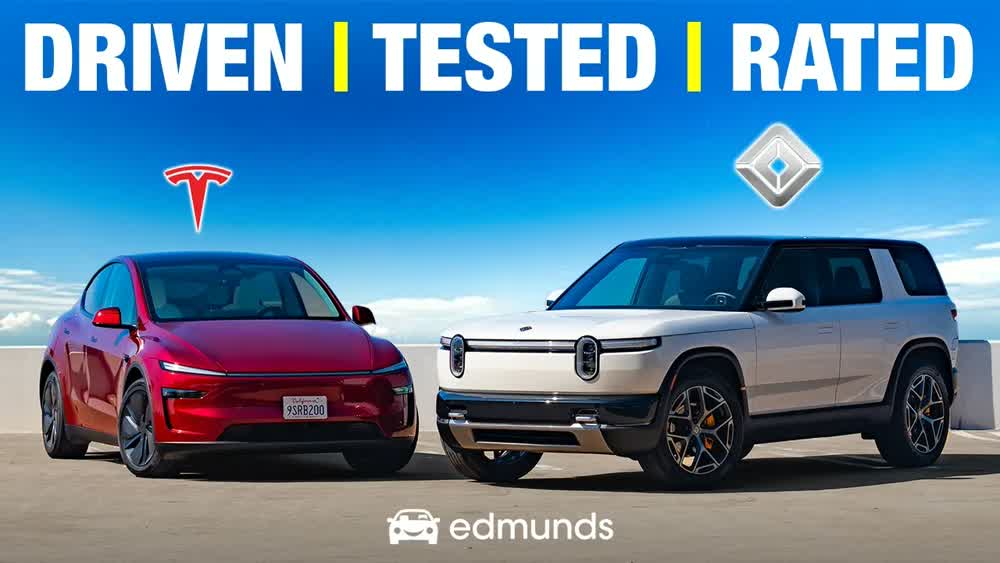
Every time I visit California, I am struck by the overwhelming presence of electric vehicles (EVs) on the roads. As the birthplace of Tesla and Rivian, and a hub for the tech industry, California is leading the charge in EV adoption. The state also grapples with some of the highest gasoline prices in the nation, making the switch to electric more appealing for many residents. As a result, California has seen a significant increase in EV usage, with charging ports now outnumbering traditional gas stations.
Charging Access in California
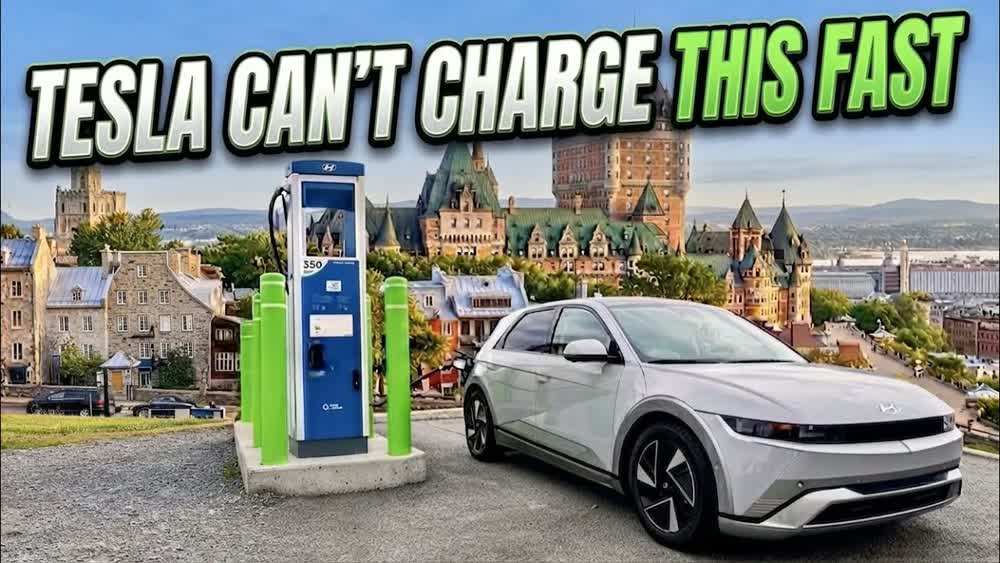
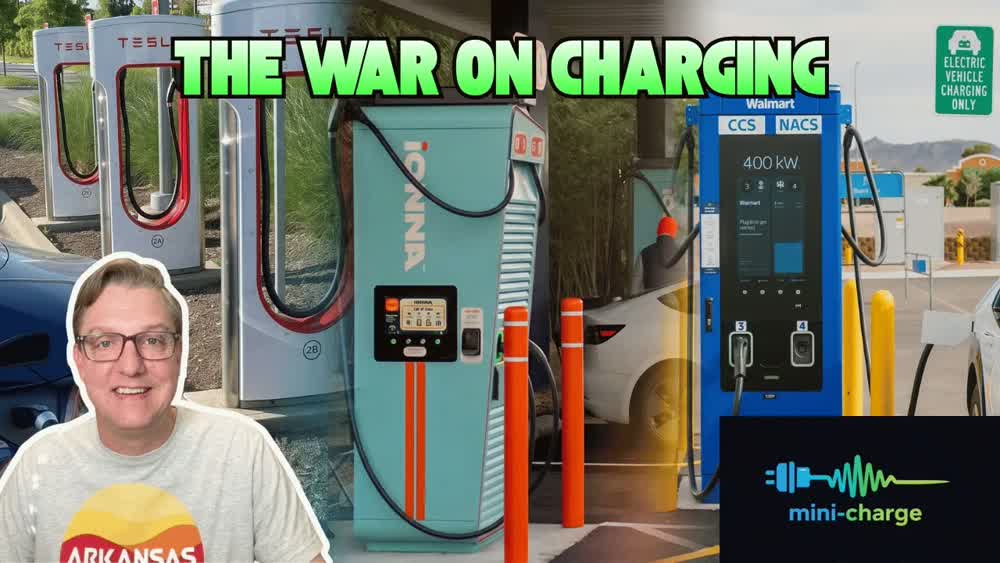
According to recent data from California Governor Gavin Newsom’s office, the state boasts 48% more EV chargers than gasoline nozzles. The California Energy Commission (CEC) reports approximately 120,000 gas nozzles compared to around 178,000 public and shared private EV chargers. However, it’s important to note that the majority of these chargers—162,000 to be precise—are slower Level 2 chargers, with only about 17,000 being DC fast chargers, which are more akin to traditional gas stations.
DC fast chargers are particularly beneficial for long-distance travel and for those who lack easy access to home charging. Despite this, most EV owners in the U.S. prefer to charge their vehicles at home, which highlights the evolving landscape of charging infrastructure. The state has shown remarkable growth in charging access, with the number of available plugs nearly doubling in 2024 alone. This surge aligns with the fact that nearly a quarter of all new car sales in California last year were electric vehicles, although the growth rate has started to stabilize.
Future Goals for Zero-Emission Cars
In a statement, Governor Newsom emphasized California’s commitment to expanding EV infrastructure, contrasting it with federal efforts that may hinder charging accessibility. The state is investing $1.4 billion to enhance EV charging and hydrogen fuel access, aiming to improve charger reliability and expedite installation processes. These efforts are crucial as California is set to require that 68% of all new cars sold by 2030 be zero-emission, with a complete ban on gas-powered vehicle sales by 2035.
This ambitious plan faces potential legal challenges, particularly from the Trump administration, which has indicated intentions to contest California’s authority to set stricter emissions regulations. Nevertheless, California continues to push forward, enhancing its EV infrastructure, which ultimately benefits consumers by offering a cleaner, more sustainable alternative to traditional gasoline vehicles.
Frequently Asked Questions
▶ What are the benefits of electric vehicles over gasoline cars?
Electric vehicles produce no tailpipe emissions, making them environmentally friendly. They also tend to have lower operating costs due to reduced fuel and maintenance expenses.
▶ How can I find EV chargers in California?
You can locate EV chargers using various mobile apps and websites that provide real-time information about charging station locations, availability, and types of chargers.
▶ What is the difference between Level 2 chargers and DC fast chargers?
Level 2 chargers are slower and typically used for home charging, while DC fast chargers provide a rapid charging option, making them ideal for long trips or quick top-ups.