No products in the cart.
EVCUBE.NET | Intelligent driving brief
Is China?s New Autopilot Actually Better Than Tesla? What XPENG VLA 2.0 Really Shows in Beijing
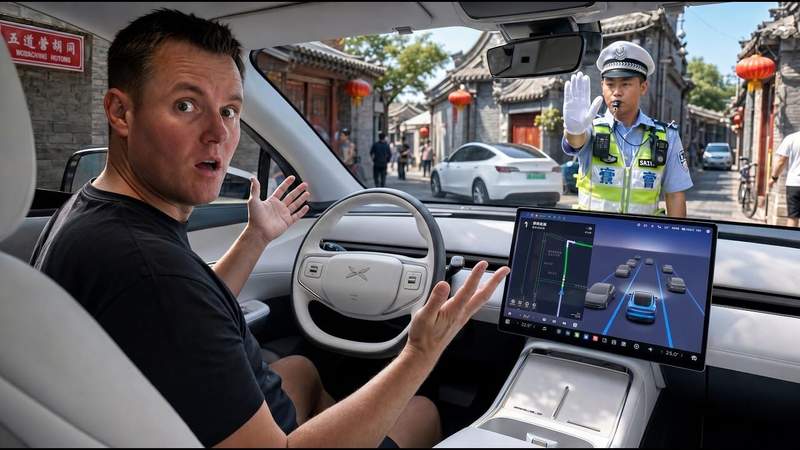
This is not a transcript dump. It is a road-test analysis, cross-checked against current official product pages and 2026 coverage of China?s AI-driven auto market. The short answer: XPENG looks unusually good in the exact kind of chaotic city environment shown here, but Tesla?s official product framing is still more disciplined and transparent.
XPENG P7 in BeijingVLA 2.0 public rollout in 2026Tesla FSD is still supervisedParking reveals a lot about the stack
Three things the video actually proves
The video?s claim
?Better than Tesla?
The headline is provocative. The evidence is more interesting than the slogan.
What the demo shows
Mixed traffic
Scooters, pedestrians, tight lanes, and sudden merges are the real stress test.
Editorial verdict
Context matters
Xpeng looks locally tuned in Beijing, while Tesla still wins on supervised product clarity.
Xpeng strength
Co-driving feel in dense city traffic. The system appears comfortable in Beijing-style chaos and auto-parking use cases.
Tesla strength
Clear supervised framing. Tesla?s official support language is explicit about active driver supervision.
Reader takeaway
Better is not binary. The right question is which system best fits your road, regulation, and risk tolerance.
The visual evidence
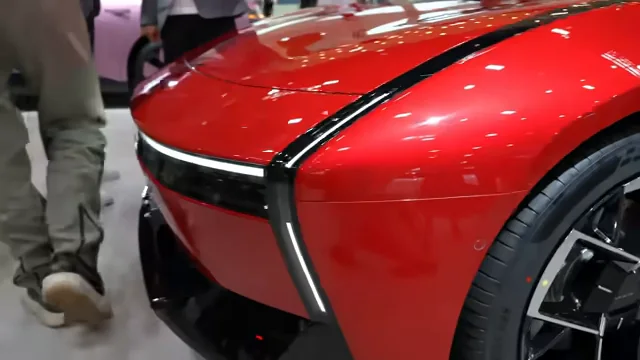
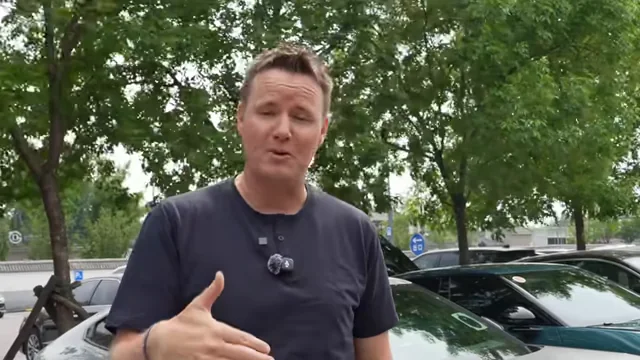
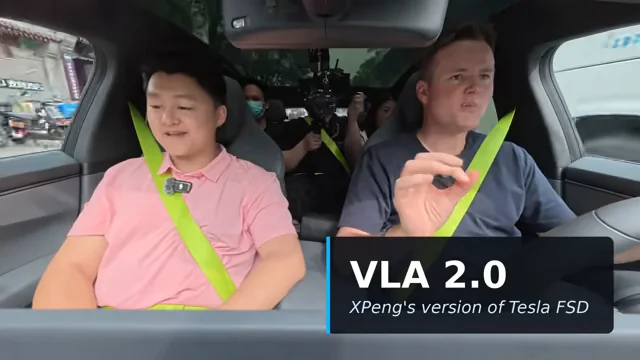
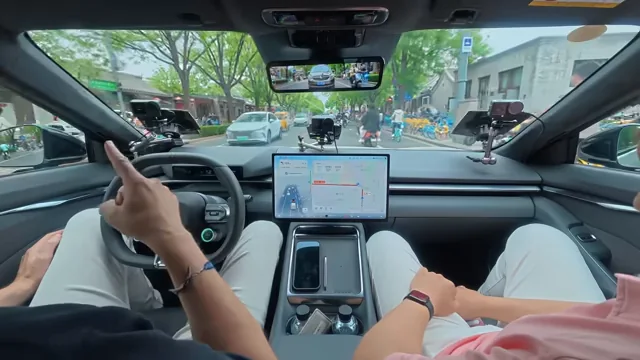
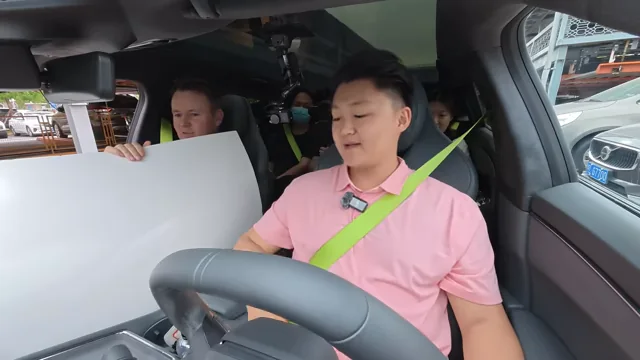
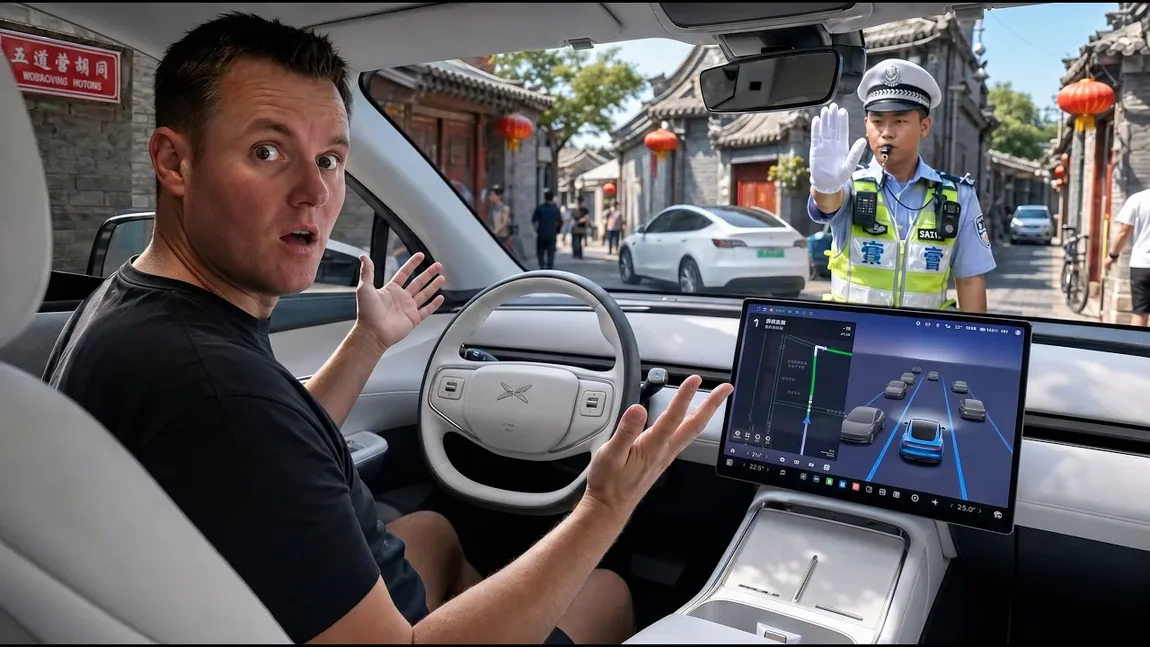
Editorial comparison: XPENG VLA 2.0 vs Tesla FSD
The most honest way to read this video is to separate what the car can do in Beijing from what the brand promises globally. XPENG?s public messaging around VLA 2.0 is about a full-scenario intelligent-driving stack. Tesla?s official wording is more conservative and explicitly supervised. That?s why this comparison feels less like a race to a single number and more like two different product philosophies.
| Dimension | XPENG VLA 2.0 | Tesla FSD (Supervised) | Why it matters |
|---|---|---|---|
| Driver model | Feels like a co-driving stack that stays active in messy city conditions. | Officially framed as supervised assistance under active driver oversight. | One brand leans into the ?smart co-pilot? feel; the other leans into the supervised-control message. |
| City traffic | Looks especially natural around scooters, pedestrians, and narrow lanes in Beijing. | Strong system, but this exact environment is not what most global buyers see first. | Local data shapes real-world behavior. |
| Auto parking | The demo shows tight-spot parking as a genuine usability feature, not a gimmick. | Tesla also offers parking assistance, but the point here is the street-level feel. | Parking is where driver-assistance systems become emotionally convincing. |
| Public messaging | XPENG is pushing VLA 2.0 and world-model updates through 2026 rollout notes. | Tesla?s support pages remain careful: supervision first, autonomy later. | Searchers care about trust as much as performance. |
Why China matters in 2026
China is no longer just an EV market; it is where the smart-driving race is being edited in public. The Guardian?s Beijing Auto China 2026 coverage and WIRED?s auto-show round-up both show the same thing: AI, drive-by-wire, and intelligent driving are now central to the story, not side quests.
That context matters because XPENG?s VLA 2.0 is not just a demo. Its March 2026 rollout update and April 29 world-model release show an actual product roadmap, not just a one-off stunt. Meanwhile, Tesla?s own support page still keeps the supervision language front and center.
XPENG says VLA 2.0 will roll out publicly.
XPENG updates its world-model technical work.
China?s auto shows become AI shows.
Latest sources and official pages
These links are the news and product pages behind the analysis. They are the pieces I used to keep the article grounded in current information rather than hype.
Read next on EVCUBE.NET
Internal links help readers move from a single video into practical EV ownership advice on EVCUBE.NET.
FAQ
Is Xpeng VLA 2.0 fully autonomous?
No. The video presents it as a more advanced intelligent driving system, but the safest and most accurate way to read it is as a high-level driver-assistance stack that still expects human responsibility.
Is Tesla FSD fully autonomous?
Tesla?s own support page calls it Full Self-Driving (Supervised), and it says the driver is still under active supervision. That makes the product name sound stronger than the legal and practical operating model.
Why does Beijing traffic matter so much?
Because scooters, pedestrians, narrow streets, mixed lane discipline, and last-second merges create the kind of edge cases where a driver-assistance system either feels natural or becomes annoying very quickly.
Does auto parking prove the system is better?
Not by itself. Auto parking is useful, but it only proves one slice of the stack. The stronger test is how the system handles dense city traffic, sudden obstacles, and smooth handoffs when the driver takes over.
Should I trust one YouTube demo?
Use it as evidence, not as a final verdict. A single demo is great for seeing product behavior, but you still want official product pages, recent rollout notes, and broader news coverage before drawing conclusions.