No products in the cart.
How China Fixed Its Air in 5 Years, and What Delhi Still Has to Solve
This piece uses the video as a starting point, then adds current air-quality context, EV charging implications, and a more practical read on what clean transport can and cannot solve for cities like Delhi and Beijing.
Video: Watch on YouTube
The player sits directly under the intro, so readers can watch before they scan the analysis.
What the video gets right
The video frames Beijing as a proof point: air quality can improve quickly when policy, enforcement, and infrastructure change together.
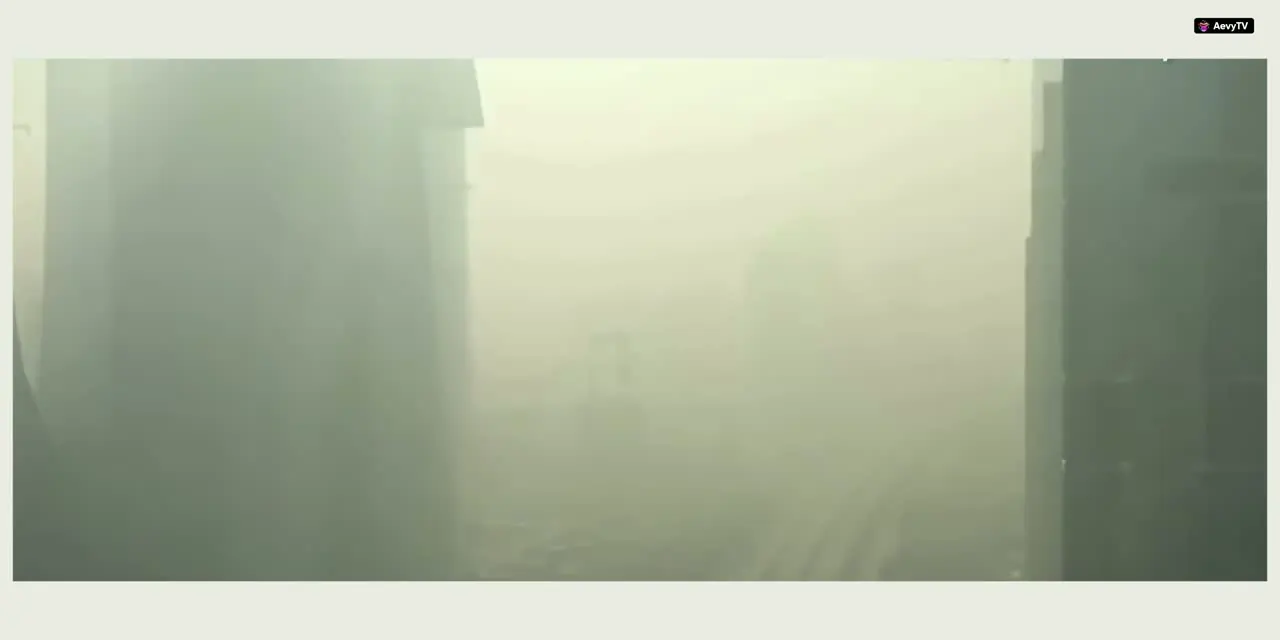
Delhi is presented as the counterexample, where traffic, dust, coal use, and seasonal weather still overpower short-term fixes.
The bigger lesson for EV readers is that clean transport helps, but it only works as part of a broader urban air strategy.
795The extreme AQI figure mentioned in the video is the kind of stress test that exposes how fragile urban air systems become when traffic, dust, and winter inversion stack up.
1 in 7The film frames air pollution as a public-health issue, not just a visibility problem.
65%The Beijing example shows why durable policy beats one-off campaigns.

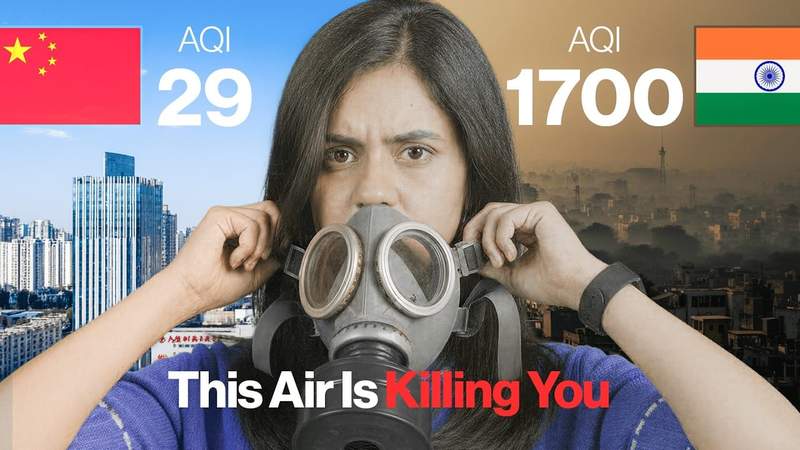
The featured image is intentionally not the video cover. It is meant to read like a magazine-style editorial lead image, not a reused thumbnail.
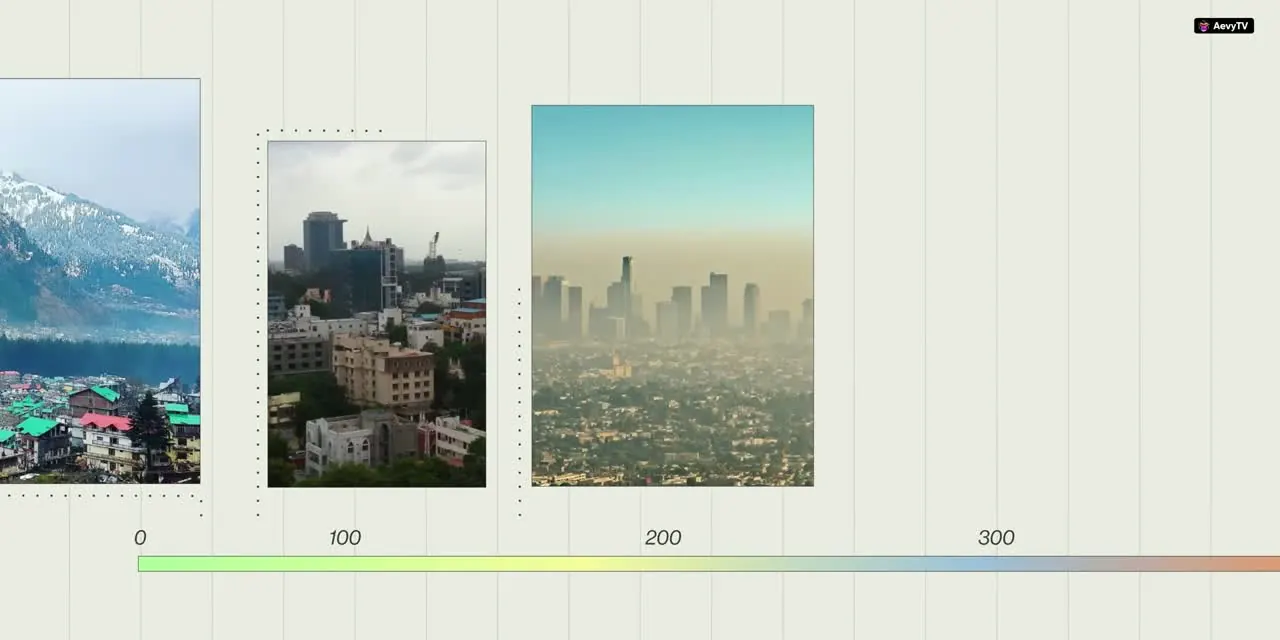
Three frames worth keeping

Why EV readers should care
Air-quality improvements do not come from a single product category, but cleaner transport is a real part of the puzzle. A better EV charging station network, more reliable level 2 EV charger access at home and work, and more disciplined fleet conversion all reduce tailpipe emissions. That matters for cities where the air problem is now broader than any one sector.
| Factor | What the video suggests | Why it matters for EV infrastructure |
|---|---|---|
| Traffic | Delhi’s registered vehicle count is part of the daily emissions burden. | More EV adoption only works if charging is easy, predictable, and cheap enough to use. |
| Heating | China’s progress included replacing coal-based household heating. | City air policy has to address multiple sources, not just cars. |
| Policy | Beijing’s cleanup depended on enforcement and system-wide change. | A level 2 EV charger or 48A EV charger is useful, but the surrounding policy environment still decides scale. |
Latest context and sources
For the public-health framing, the World Health Organization’s ambient air pollution fact sheet is still the cleanest reference point. For the electrification side of the story, the IEA Global EV Outlook 2025 is the best broad data source to pair with this video.
On the EVCUBE.NET side, readers who want the charging infrastructure angle can continue with our BYD flash charging and Level 2 EV charger analysis, our ChargePoint and site-power breakdown, and the charging mistakes guide.
What to watch for in the argument
- Do not reduce clean-air progress to one policy tool.
- Do not confuse visible smog with the full pollution problem.
- Do not assume EVs solve dust, heating, or industrial emissions by themselves.
- Do treat charging access as a practical adoption bottleneck, especially for home and fleet users.
Related reading
For readers comparing home charging options, a Level 2 EV charger comparison is more useful than a spec sheet alone. For commercial operators, a robust EV charging station strategy depends on site power, not only the charger itself.
FAQ
Why is Beijing shown as the success case?
Because the video uses Beijing to show how coordinated policy can move air quality quickly when the government tackles industry, heating, and transport together.
Does this article recommend EVs as the only fix?
No. EVs are part of a broader clean-transport strategy, but the article makes clear that dust, heating, industry, and enforcement still matter.
Why embed the video instead of only linking it?
Because readers should be able to watch it directly inside the post before reading the analysis, which improves flow and keeps the page more useful.