No products in the cart.

The video is useful because it gives us a concrete market question. What matters is not the clip by itself, but the broader EV trend it points toward: how adoption, charging, and pricing are changing the industry.
Working thesis
The video becomes most useful when it is treated as evidence for a broader EV research question: how the market is shifting from a simple range-and-price debate toward charging convenience, policy support, and global scale.
- EV growth is now a global market story, not just a premium-car story.
- The best analysis comes from combining the video with official EV data and market context.
- Readers should leave with a decision-making frame, not just a recap.
Original video: View on YouTube. The video is treated as source material, not the article’s final answer.
Video evidence
What the clip contributes to the argument
These cues and visual moments help the reader see why the topic matters, but the analysis itself comes from the market data and research context below.
00:00:03
Fuel-price effect
Paying for gas is rough right now, wherever you are. But, we have some good
00:00:46
Transcript cue
the average of all the cars listed for sale on our site right now. Even before
00:01:04
Transcript cue
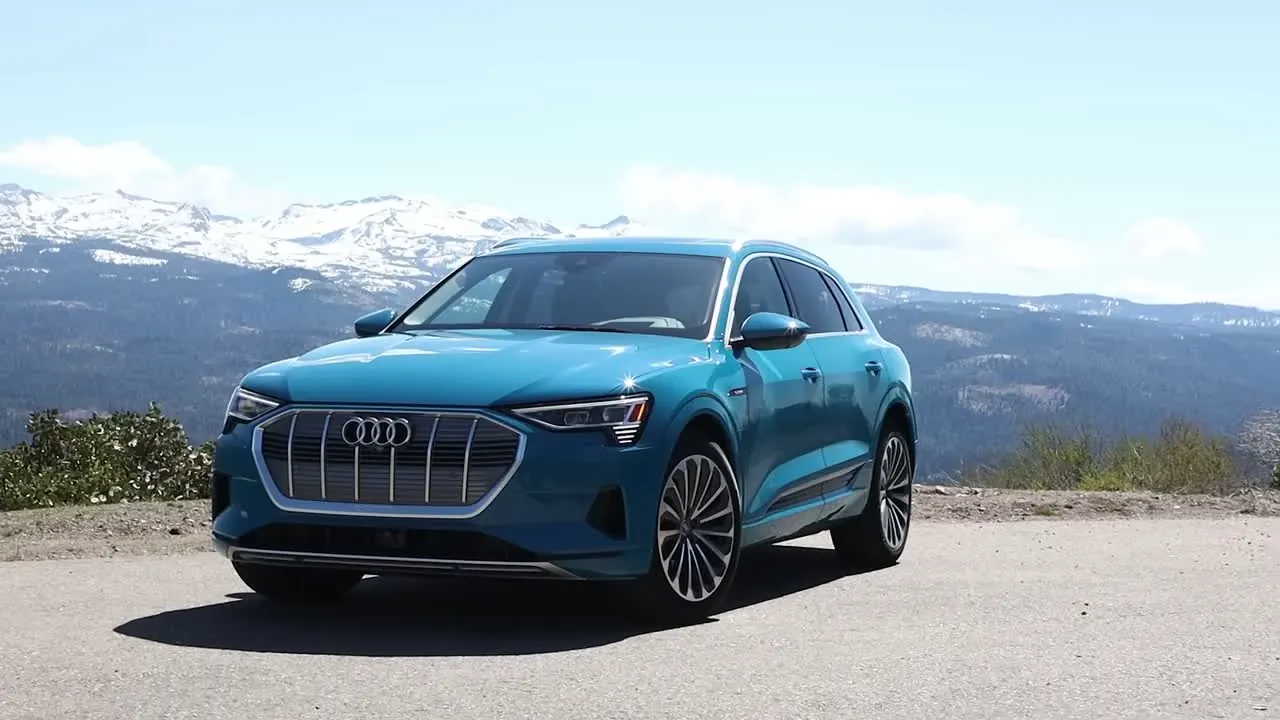
acoustically laminated glass. The e-tron even had wireless Apple CarPlay all the
Transcript cue note: Paying for gas is rough right now, wherever you are. But, we have some good the average of all the cars listed for sale on our site right now. Even before acoustically laminated glass. The e-tron even had wireless Apple CarPlay all the
Data snapshot
Four numbers that anchor the story
The article should feel rooted in measurable market change, not just editorial reaction.
IEA says the world crossed 20 million electric-car sales in 2025.
Electric cars reached about one quarter of the global new-car market in 2025.
About 55% of new cars sold in China were electric in 2025.
Several later-entry markets, including parts of the Middle East, now exceed 10% EV sales share.
Editorial signal map
What matters most in this research brief
These bars are editorial weights, not official statistics. They show which parts of the story deserve the most attention.
Charging convenience
High
Charging remains one of the biggest reasons buyers hesitate or commit.
Affordability
High
Lower prices and better TCO keep pulling the market forward.
Policy support
Medium
Policy still matters, but market scale is increasingly self-reinforcing.
Supporting visuals
What the visuals clarify
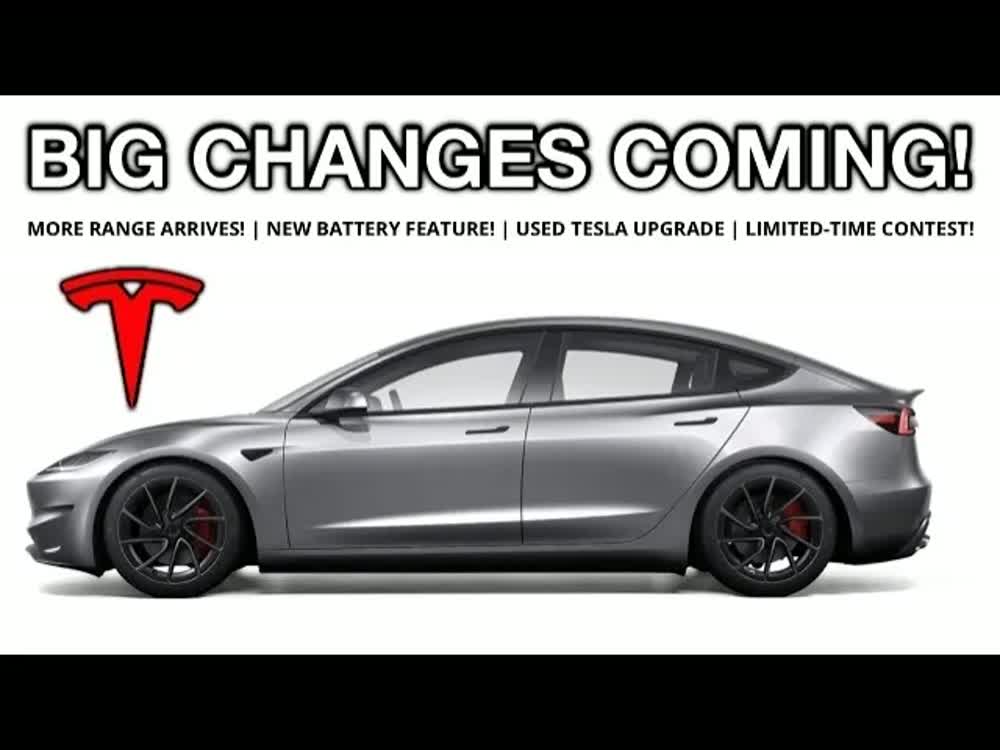
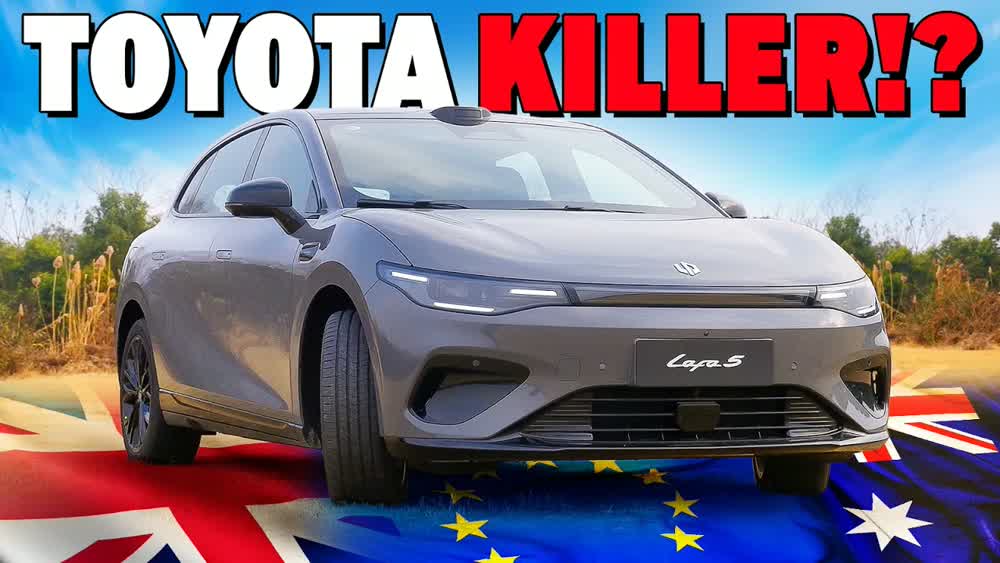
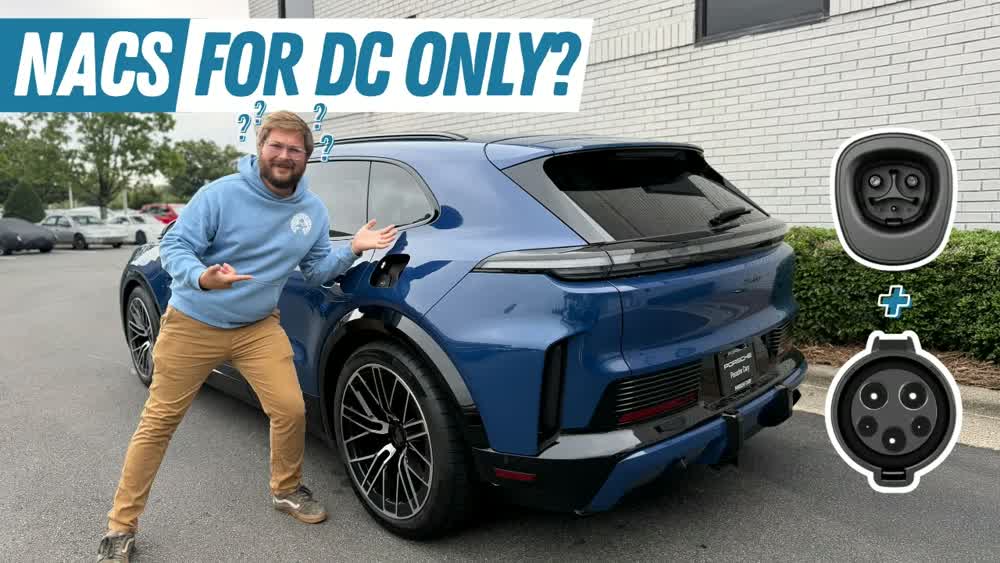
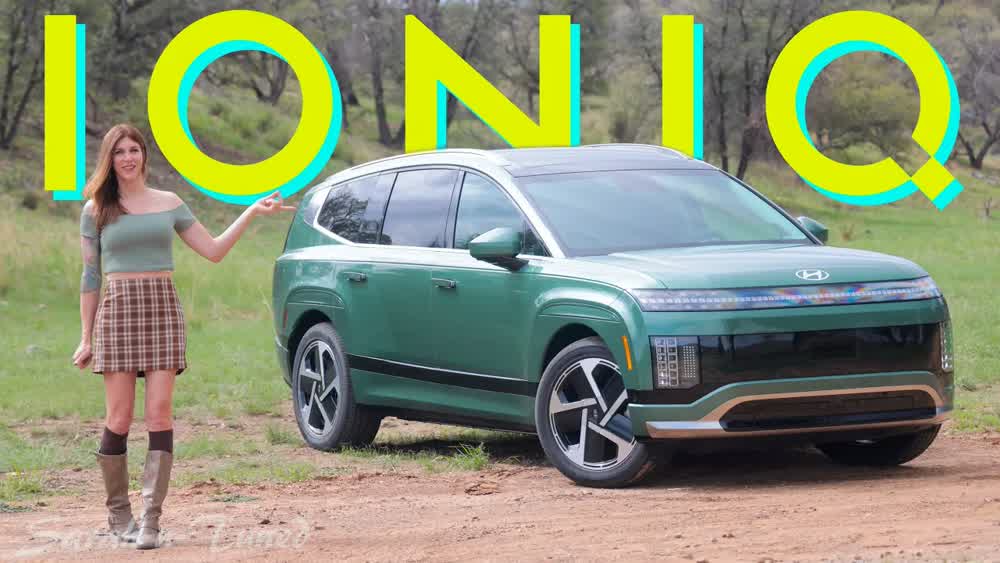
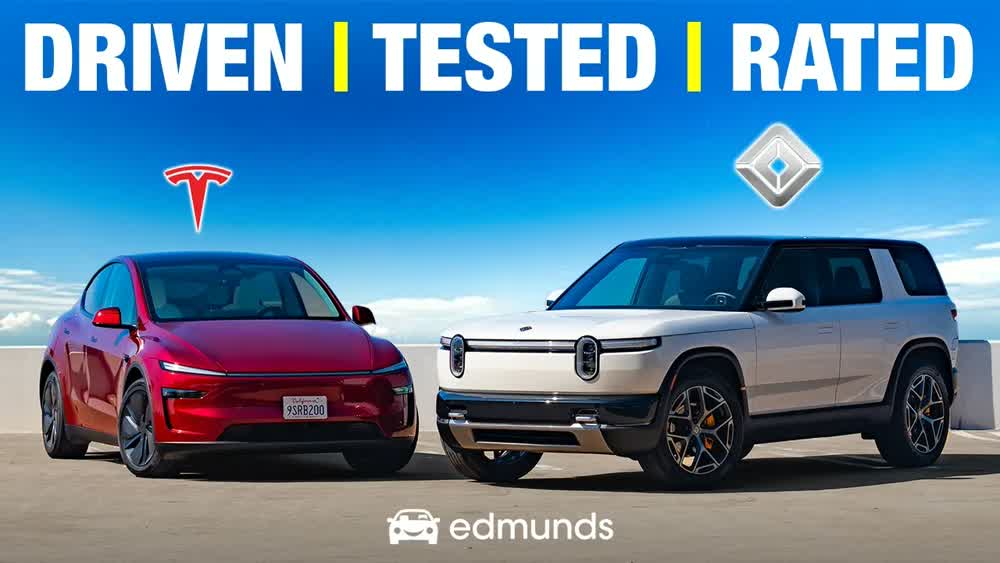
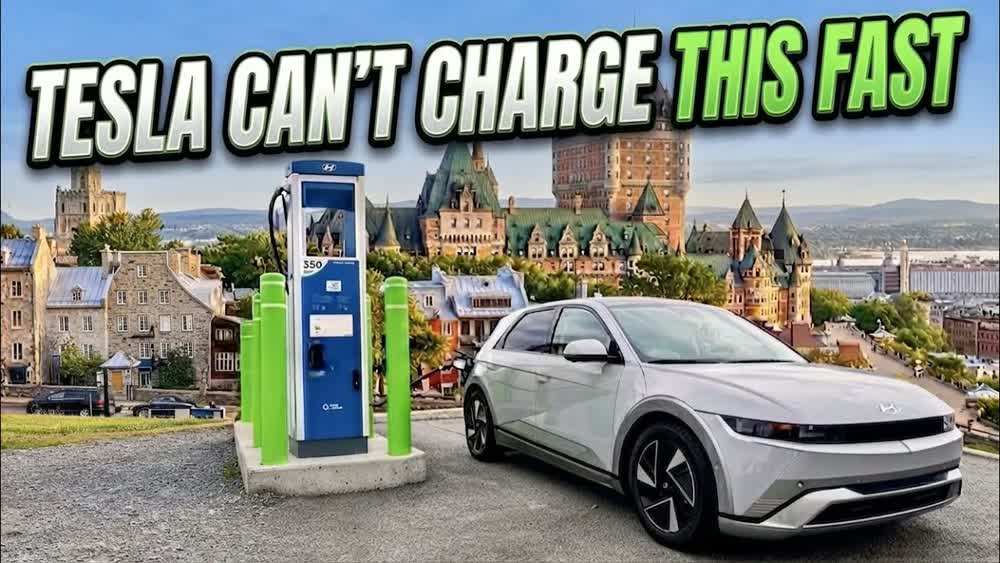
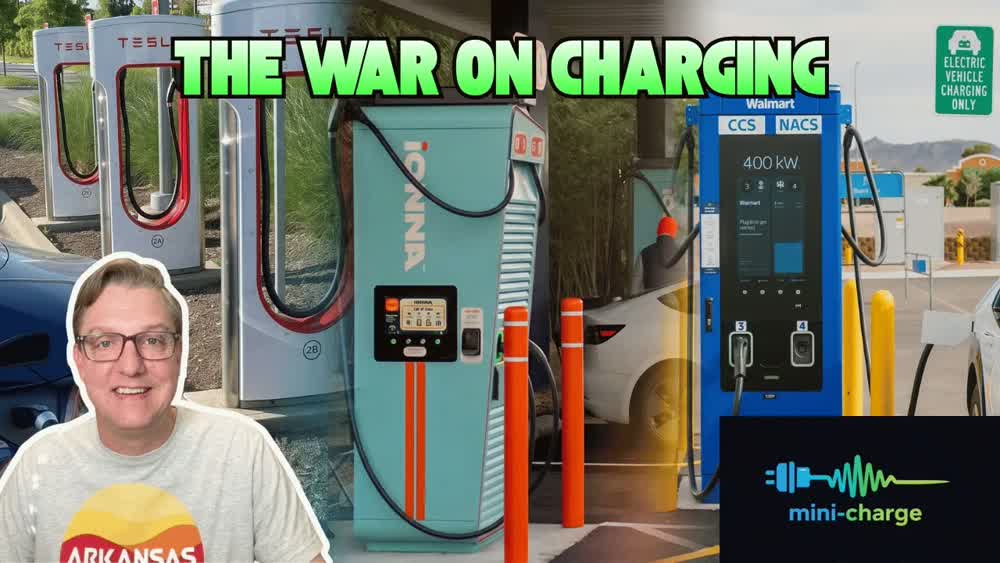
These stills are used as evidence, not decoration. They help show the scene change, product context, or market implication the clip is pointing toward.

Analysis
How the conflict actually changes the EV equation
The point is not to say conflict is uniformly good or bad for EVs. It pushes the market in both directions at once.
From clip to question
Instead of treating the video as the answer, the article uses it to pose a better question: which part of the EV transition is changing fastest right now, charging, affordability, or policy? That framing turns the page into a research brief.
Why data matters
The IEA’s 2025 and 2026 outlooks show that EV adoption is now large enough to be tracked as a world market. That makes it possible to compare the video’s argument with hard numbers instead of relying on impression alone.
How readers should use it
Readers should leave with a usable interpretation: what to watch next, where the market is moving, and which change would actually matter for an EV buyer, charger operator, or investor.
Causal chain
From geopolitical shock to EV demand
A clean sequence makes the argument easier to read on mobile and desktop.
Start with the clip
Use the video as the entry point and evidence source.
Add current data
Pull in official EV and market statistics.
Add analysis
Translate the data into a practical market interpretation.
Give the reader a takeaway
End with a usable decision frame and next reading.
Tailwinds vs headwinds
Compare the positive and negative forces
This table keeps the article honest by showing both sides of the story in one place.
| Channel | What helps EVs | What hurts EVs | Net read |
|---|---|---|---|
| Clip claim | Useful when it points to a real market question. | Weak when it becomes a pure summary. | Net read: evidence source, not the endpoint. |
| Data trend | Gives scale, context, and direction. | Can be dry if it is not tied back to the clip. | Net read: necessary for credibility. |
| Reader outcome | Helps with decisions and next steps. | Fails if it only repeats the video. | Net read: the article should add judgment. |
| Design goal | Beautiful enough to keep reading. | Overloaded if it tries to do everything at once. | Net read: keep the research hierarchy clean. |
Sources
Official data and reporting used here
Internal reading
Keep reading inside EVCUBE.NET
FAQ
Common questions readers are likely to ask
What is the main point of this article?
To turn the video into a broader EV research question and answer it with data, not just summary.
Why include the video at all?
Because it is a useful evidence source and a fast way to surface the market issue the article is exploring.
Does this replace deeper analysis?
No. It is designed to support deeper analysis with data, visuals, and clear structure.