No products in the cart.

Tesla “won” Q1 2026 by 47,000 cars — and a lot of Tesla fans hung a banner on that quarter. But the full-year 2025 scoreboard was already etched: BYD outsold Tesla by more than 600,000 pure EVs. Q2 2026 is in now, BYD is back on top, and the hardware gap has never been wider. Here is what the actual numbers say, why Tesla is steering away from the car business entirely, and what that means for an American shopper who just wants a quiet driveway full of EVs.
The 2026 scoreboard: quarter versus year
If you only watched the headlines, you would think Tesla crushed Q1 2026. It didn’t crush it — it edged it.
For the first three months of 2026, Tesla delivered 358,023 EVs globally, up about 6.5% year-over-year. BYD delivered 310,389 pure-electric cars in the same window — a 25% YoY plunge. Tesla outsold BYD on pure EVs by roughly 47,000 units, so the headlines technically weren’t lying.
Back up one year and the picture inverts. Across all of 2025, BYD sold 2,256,700 pure-electric passenger vehicles — Tesla sold 1,636,129. That is a gap of more than 618,000 cars, and BYD took the global BEV title for the first time ever. Throw in BYD’s plug-in hybrids and the gap widens to over 4.6 million total NEVs versus Tesla’s roughly 1.64 million.
Q2 2026 swung back. BYD delivered an estimated 557,090 BEVs against Tesla’s roughly 480,126, reclaiming the lead with a record 175,000+ overseas shipments in June alone. So “Tesla beats BYD” and “BYD beats Tesla” can both be true in the same calendar year — they just aren’t measuring the same thing.
| Metric | BYD | Tesla | Edge |
|---|---|---|---|
| Q1 2026 BEV deliveries | 310,389 (-25% YoY) | 358,023 (+6.5% YoY) | Tesla +47,000 |
| FY 2025 pure-electric passenger vehicles | 2,256,700 (+27.86% YoY) | 1,636,129 (-8.55% YoY) | BYD +618,000 |
| FY 2025 total NEVs (BEV + PHEV) | 4,602,436 (+7.73% YoY) | 1,636,129 (BEV only) | BYD ~2.8x |
| Q2 2026 BEV (Bloomberg-compiled) | ~557,090 | ~480,126 | BYD +77,000 |
| FY 2025 exports (passenger + pickup) | 1,049,601 (+145% YoY) | Shanghai Gigafactory 851,000 (52% of global) | BYD more diversified |
SIGNAL: Pick the timeframe, pick the winner. Pick the right timeframe (full year, multi-quarter, total NEV) and BYD is winning the hardware war by a margin no single quarter can erase.

Why BYD actually wins the hardware fight
The interesting part isn’t the scoreboard — it’s what made the scoreboard inevitable. Strip away the panel covers and BYD looks like a different kind of company than Tesla.
BYD started in 1995 making batteries for cell phones. It now makes its own LFP cells (the Blade battery), its own motors, its own IGBT and SiC power chips, and digs much of its own lithium out of mines it owns outright. During the global chip shortage a few years back, Ford and GM parked half-finished trucks in fields waiting on parts. BYD barely blinked because it made its own chips. That is the part Detroit loses sleep over.
Then the Seagull teardown. Caresoft Global — a US engineering firm led by former GM truck chief engineer Terry Woychowski — bought a Seagull in China for about $11,500 and pulled it apart bolt by bolt. The lab’s conclusion: building the same car under American conditions would cost roughly RMB 86,000 (about $12,000) in raw materials alone — before labor, overhead, and dealer margin. Final US retail would have to clear $15,000–$20,000 just to break even. Add the 100% Section 301 tariff and the math gets even uglier for any American assembler trying to copy it.
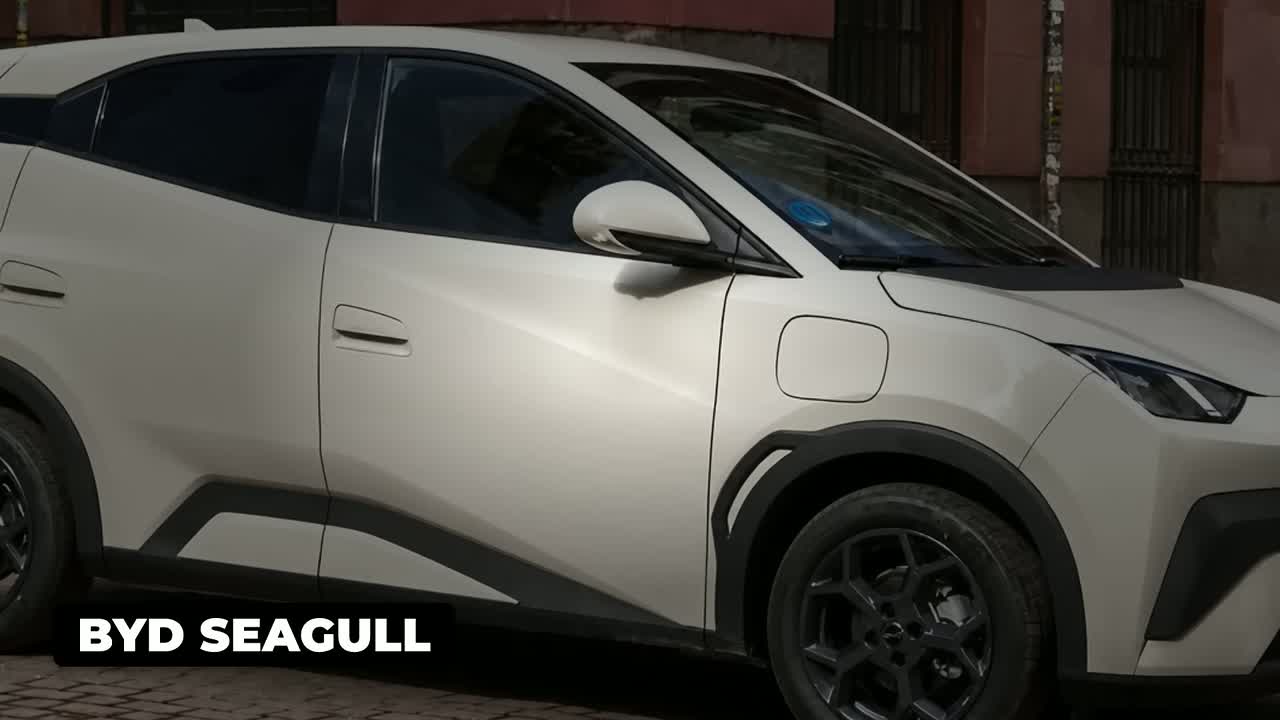
The Seagull’s “cheap” label turned out to be the wrong story. 61% high-strength hot-formed steel (1500 MPa — Model 3 territory). One front wiper instead of two — yes, to delete a motor and an arm, and yes, that decision shaved real cost. Adaptive cruise, lane keep, and a heat pump air conditioner are standard on the trim that costs less than a loaded golf cart.
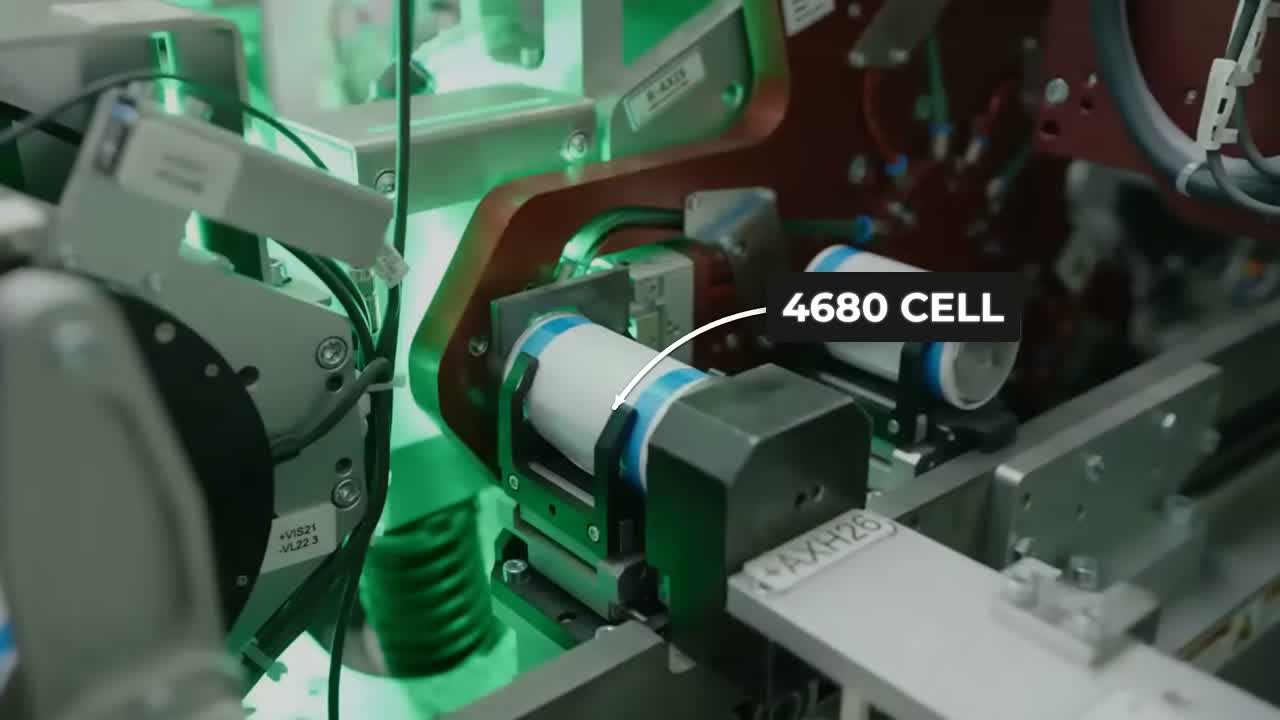
On the battery side, the Blade 2.0 (rolled out in early 2026) repeats the original trick: nail driven through a charged pack and the surface barely warms; crushed under a truck heavier than 40 tons; baked, overcharged, no fire. The chemistry is LFP — no cobalt, no nickel drama — and the cells are now bolted into a structural pack that is, however, the hardest one a teardown crew that has pulled apart 20+ packs says they have ever had to take apart.
And the lineup isn’t just cheap cars. The Yangwang U8 SUV can spin 360° on the spot and float for half an hour. The Yangwang U9 hypercar logged a top speed record north of 300 mph. Meanwhile BYD’s higher-volume premium brands — Denza and Fang Cheng Bao — were both up double- and triple-digit YoY in June 2026 (Denza +28.9%, Fang Cheng Bao +188.4%), and Denza cracked 20,000 monthly units for the first time.
SIGNAL: BYD doesn’t win by undercutting. It wins by owning the chain from mine to ship. That turns cost into a moat, not a sale price.
Tesla’s counter-move: stop trying to win the car fight
Tesla’s 2025 was the first year in the company’s history that revenue fell — $94.83 billion, down about 3% — and net income collapsed roughly 46%. Deliveries dropped for the second consecutive year. Europe was the worst of it: Tesla’s European sales were effectively cut in half across 2024 and 2025, even after the Model Y refresh launched.
The 2026 answer is not a cheaper Model 3 or a new factory. Tesla’s response is to stop selling cars.
Three concrete things are already happening:
- Cybercab / Robotaxi. Unsupervised driverless robotaxis are running in Austin, Dallas, and Houston. The two-seat Cybercab entered trial production at Giga Texas in early 2026, with mass production targeted for April 2026 and the first paid public rides layered on top of the existing Robotaxi fleet.
- Model S and Model X discontinued. Tesla confirmed on the Q4 2025 call that both lines shut down in Q2 2026, freeing the Fremont line for Optimus humanoid robots.
- Capex pivot. Tesla’s 2026 capital spending plan jumped to over $20 billion, up from roughly $8.5 billion in 2025 — most of it earmarked for the Dojo/AI training build-out, Optimus production, and Cybercab output.
For the car business specifically, the lever Tesla actually pulled was a stripped Model Y under $40,000: smaller pack, less glass, cheaper interior. It is a real car — not the mythical “$25,000 Tesla” — and it is only a few thousand under the regular Model Y.
Software remains Tesla’s clearest win. The Model 3 still squeezes more miles per kWh than the comparable BYD Seal. Driver assist is more polished day to day. And FSD subscriptions — first disclosed on the Q4 2025 call — give Tesla a recurring software line that BYD does not currently match.
SIGNAL: If BYD is selling hardware, Tesla is selling a future. The two companies are quietly competing in different sports.
What it actually means for US buyers
Here is the part the YouTube comments usually skip. None of this matters at a US driveway until the policy changes.
The US tariff wall on Chinese-built EVs went from 25% to 100% in 2024. Battery parts went from 7.5% to 25%, and lithium-ion EV batteries from 7.5% to 25%. On January 1, 2026 Mexico raised its own tariff on Chinese-assembled vehicles from 20% to 50% — which is why BYD and Geely are now bidding on the Nissan–Mercedes COMPAS plant in Mexico, where USMCA’s 75% North American content rule lets cars cross the US border duty-free.
Until that USMCA path opens, the US market is Tesla’s by default. Cox Automotive / Kelley Blue Book data for Q2 2026:
| US EV market metric (Q2 2026) | Number |
|---|---|
| Total US BEV sales | 247,226 (+14.7% QoQ, -20.5% YoY) |
| Tesla US market share | 50.5% (52.3% YTD) |
| Model Y US deliveries | 84,863 (34.4% of all US EVs) |
| Model 3 US deliveries | 34,944 (14.2% of all US EVs) |
| Chevrolet (next closest brand) | 14,908 (less than 1/8 of Tesla) |
| BEV share of US new-vehicle sales | 5.8% (vs 10.6% peak in Q3 2025) |
The US EV market itself is soft. The $7,500 federal tax credit expired on September 30, 2025. Q2 2026 BEV sales were still down 20.5% year-over-year. Tesla is taking the hit but holding share — and the only brand anywhere close is Chevrolet at 6% share. Hyundai, Cadillac, Toyota, and Rivian all sit between 11,000 and 14,000 US EV deliveries in the quarter.
For an American buyer, the practical takeaway in 2026:
- Tesla is still the default. ~50% of every EV sold in the US is a Tesla, and Model Y is the single best-selling car in America for the second year running.
- The wall is holding. 100% tariff + 50% Mexican tariff = no Seagull, no Dolphin, no Atto 3, no Yangwang. The only place you’ll see a BYD on US roads is the grey-market one your neighbor drove back from Mexico.
- Pricing is the lever that matters. Stripped Model Y at ~$40,000 is the closest thing to an affordable Tesla in showrooms. Cybercab/Robotaxi competition with BYD does not happen on a US buyer’s lot — it happens in ride-hail apps.
- BYD’s lead is overseas. 2025 exports +145%, 2026 export target 1.5 million, June 2026 overseas sales +95% YoY. The battleground is Brazil, Thailand, Europe, Australia — not the US.
SIGNAL: The “BYD vs Tesla” fight plays out where tariffs aren’t. In the US, for now, the question is not “BYD or Tesla?” — it’s “which Tesla, and how soon until Cybercab undercutts all of them?”
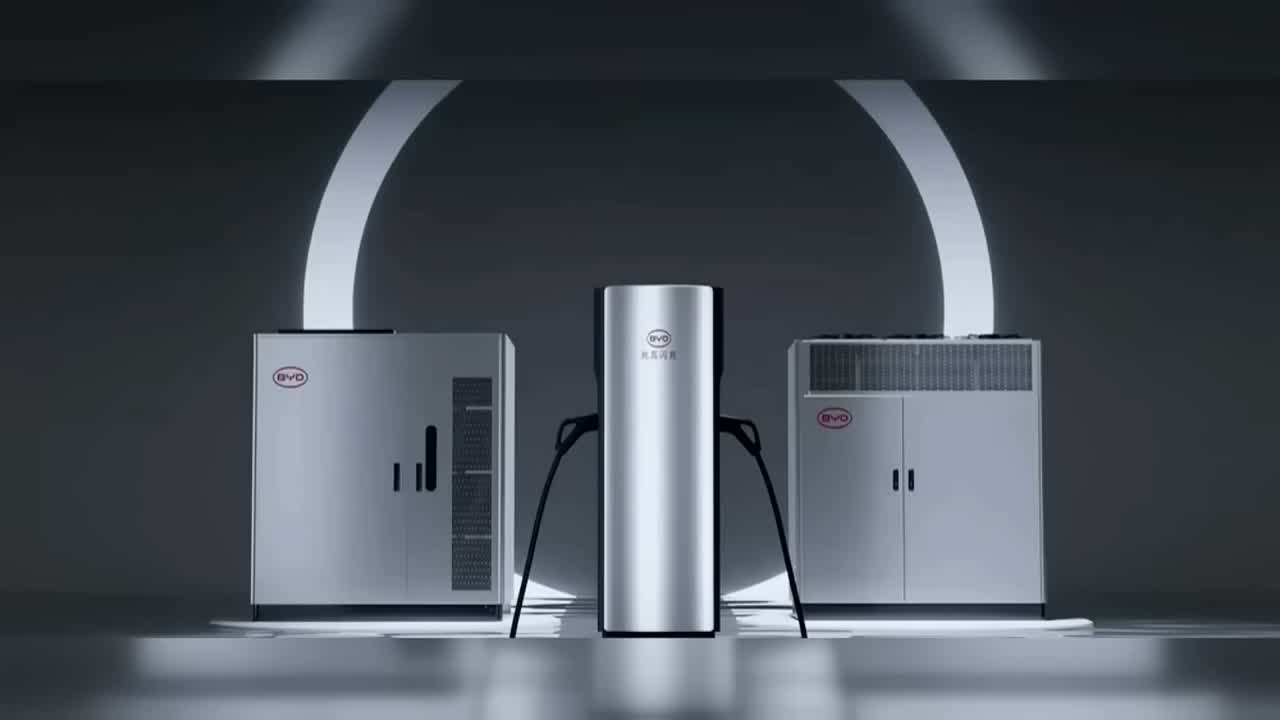
Is BYD actually cheaper than Tesla, apples to apples?
In China, yes — by a wide margin. The Seagull starts around RMB 69,800 (about $9,600); the Atto 3, Dolphin, and Seal all undercut comparable Teslas by 15–30%. Outside China, BYD’s price advantage compresses fast because you add shipping, dealer margin, and — in the US — a 100% tariff that literally doubles the sticker.
Why did BYD’s home market share collapse from 27% to 17%?
The Chinese NEV market turned into a price war in late 2024 / early 2025. Beijing pulled back purchase subsidies, a new vehicle tax kicked in, and every Chinese brand (including BYD itself) started aggressive discounting. BYD’s share of China NEV sales dropped from roughly 27% to 17% in a few months. That’s not product weakness — that’s competitive intensity. BYD’s chairman publicly called it a “knockout stage.”
Is Tesla actually quitting the car business?
Not yet — Tesla still expects to ship over 1.6 million cars in 2026 and just launched a stripped Model Y under $40,000. But Model S and Model X are ending in Q2 2026, and the entire 2026 capex plan (over $20B) tilts toward Optimus, Cybercab, and AI. Wall Street now values Tesla more on robotaxi than on automotive gross profit. So: not quitting, but actively de-emphasizing.
Can BYD ever reach US buyers at scale?
Only by routing through USMCA. BYD and Geely are finalists for the Nissan–Mercedes COMPAS plant in Mexico; a vehicle built there with 75% North American content can enter the US duty-free. Until that path opens — and until the 100% Section 301 tariff is renegotiated — BYD’s US footprint stays at zero direct sales. The grey-market Seagull you saw in a Facebook group does not change that.

Related reading on EVCUBE
Sources
- Global China EV — Tesla reclaims global EV lead as BYD’s Q1 sales slumped by 25%
- iEVChina — BYD vs Tesla 2026: Sales, Models, Charging Compared
- Electrek — Top 10 best-selling EVs in the US so far in 2026 (KBB / Cox data)
- BYD June 2026 sales commentary — overseas and flash-charging drive growth
- Particle News — BYD reclaims global BEV lead as exports power Q2 surge
- BYD — Crowned Global NEV Sales Champion in 2025 (FY2025 results)
- Caresoft Seagull teardown — even at 100% US tariff, BYD Seagull remains profitable