Two years and roughly 11,000 miles in, Darren Byrd’s verdict on his 2024 Chevrolet Equinox EV is the most American kind of praise: it’s a great, boring car that just works — and for under $4,000 total, it was the lease deal of the century.
The setup: a $4,000 lease that changed the math
Darren — an airline pilot, a dad, and self-described “EV guy” — leased his 2024 Equinox EV LT2 in August 2024, back when the full $7,500 federal tax credit and a stack of GM incentives were still on the table. The result was, in his words, “incredibly cheap”: under $4,000 all-in for the entire lease, working out to roughly $165 a month. You simply cannot get a car cheaper than that.
That era is over. The $7,500 federal clean-vehicle credit expired on September 30, 2025, and with it went the cheap leases that made cars like the Equinox EV a no-brainer. Darren isn’t replacing his with another lease — those days are gone — but if you can find one of these on the used market, “I would absolutely buy one.”
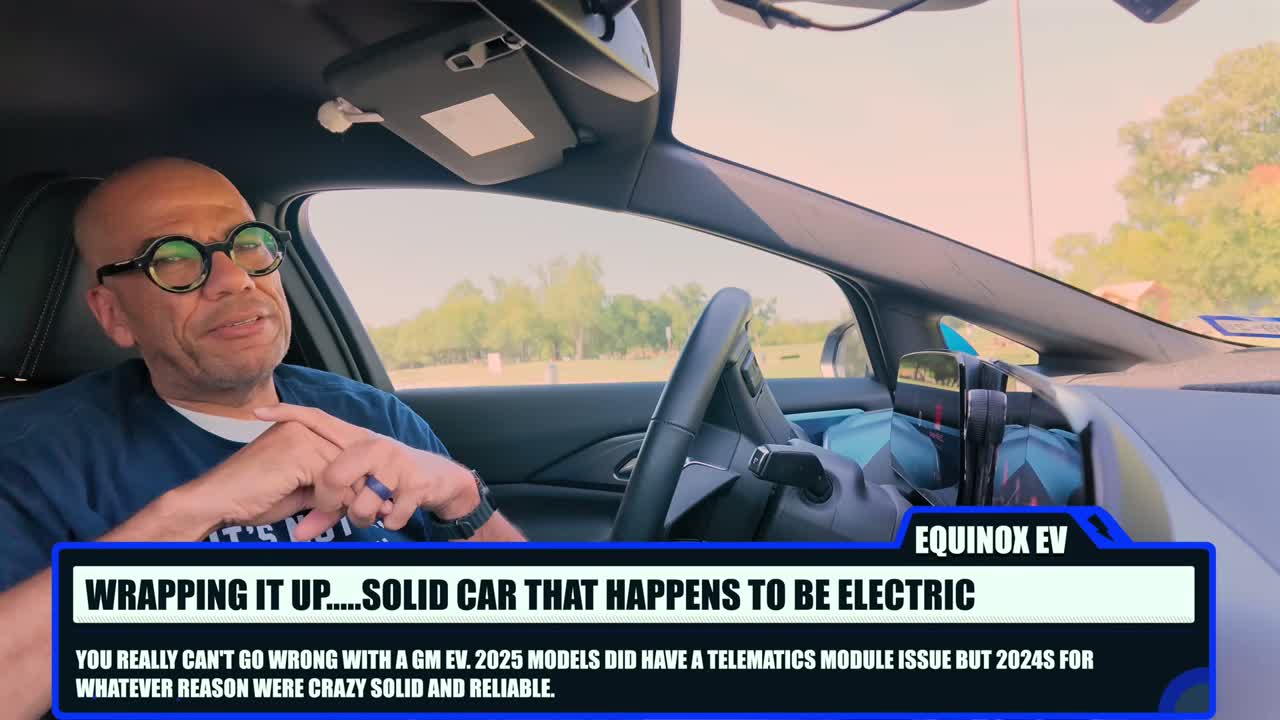
“It is a great car. It is not terribly exciting. It is not terribly quick, but it is a great car.”

What it costs to actually live with
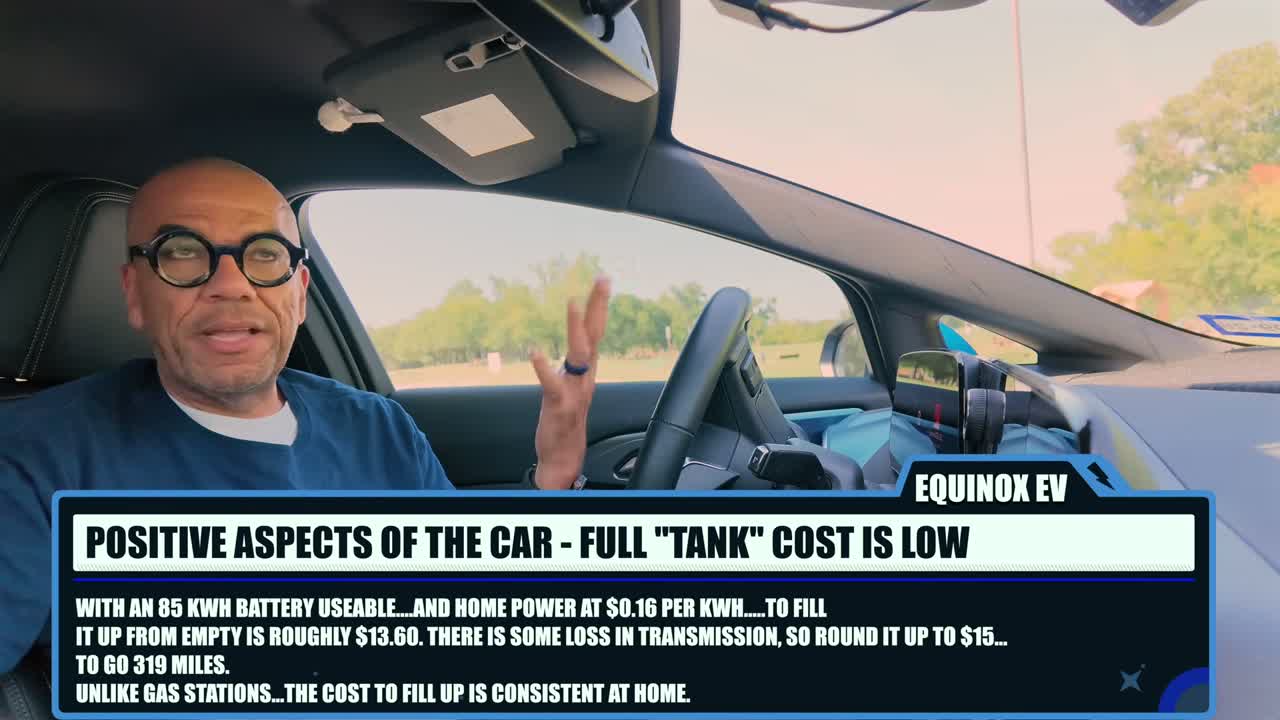
Here is where the long-term ownership story gets interesting, because the numbers are genuinely good. Over two years and about 11,000 miles, Darren has averaged 3.3 miles per kilowatt-hour — Prius-like efficiency from a compact electric crossover. At Texas electricity rates of around 16¢/kWh, a full charge runs about $15 and buys 300-plus miles of range.
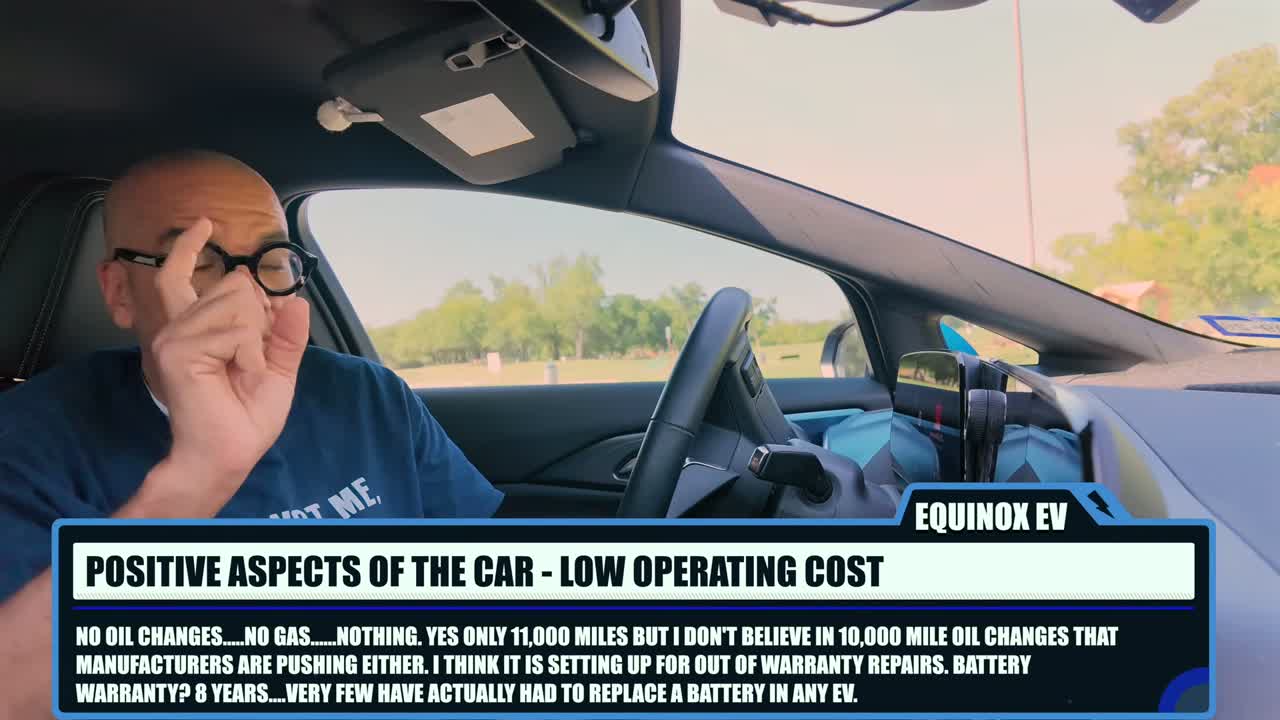
Maintenance has been almost comically light: just washer fluid and one free tire rotation. No oil changes, because there’s no engine. The only recurring “cost” is the occasional rattle from the dashboard trim that has been there since day one — annoying, but never annoying enough to warrant a dealer visit.
Running cost vs. gas crossover
Real-world efficiency (3.3 mi/kWh)
Low-maintenance ownership
The things he genuinely loves
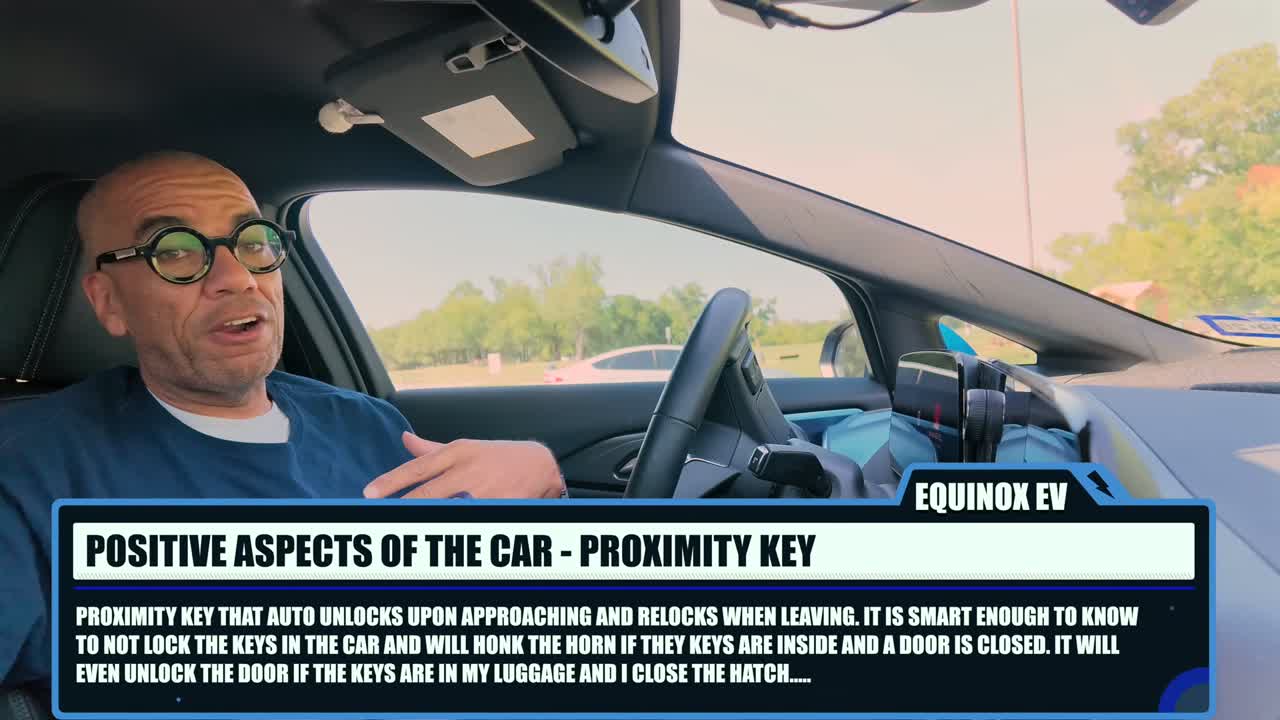
- Walk-away locking. As a pilot whose car sits in an airport lot for days, automatic lock/unlock is peace of mind. “I never have to think, ‘Did I lock my car?'”
- One-pedal driving. Full regen is on by default; he rarely touches the brake pedal. Even at 100% charge there’s still regen headroom, because GM reserves a buffer at the top of the pack — a clever contrast to older Teslas where 100% meant no regen.
- The quiet, smooth ride. Thick sidewalls and a well-damped chassis make it “extremely smooth,” even if the Cadillac Optiq (same platform, same factory) rides a touch better.
- Physical controls. A real volume knob, physical HVAC buttons, and movable vents — features he misses on his glass-and-touchscreen Rivian.
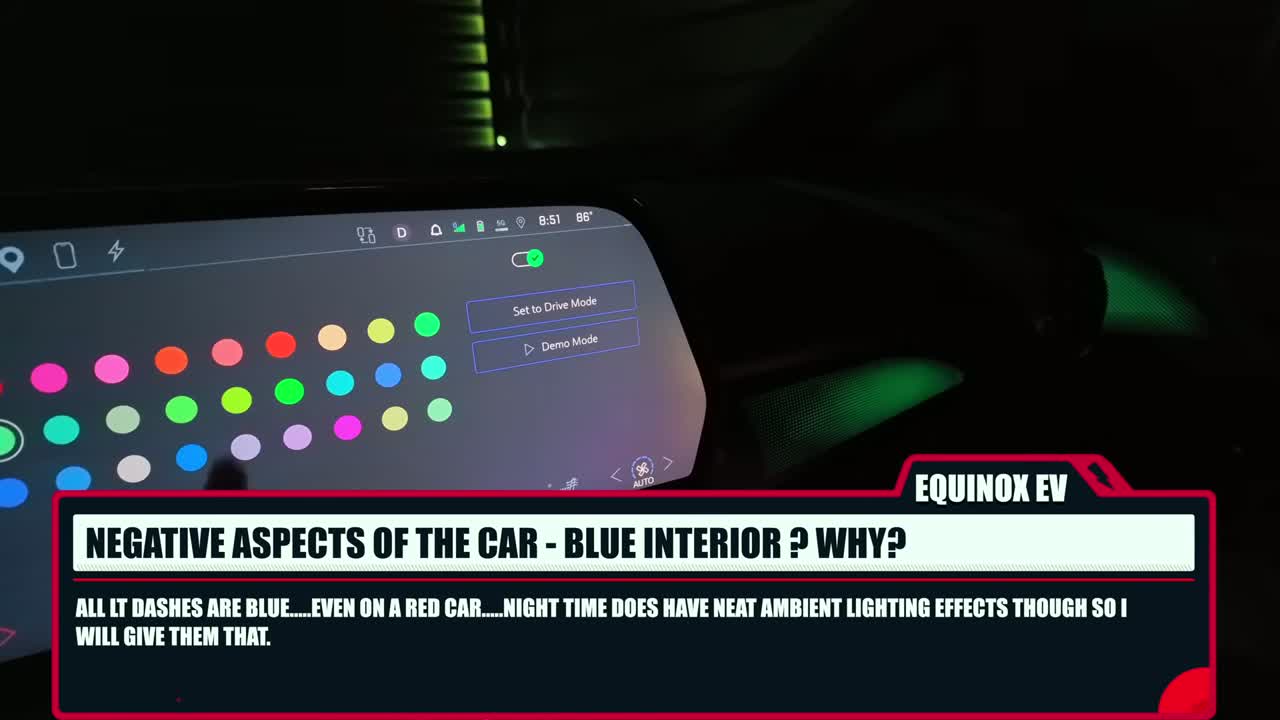
- A metal roof, not a fixed glass pane. “If you give me a glass roof, make it open.” Darren hates the non-opening glass roofs so many EVs ship with.
- Four high-power USB-C ports, rear AC vents, a 360° camera, and a power liftgate. Practical, family-friendly stuff that matters more than 0–60 times.
The honest annoyances
No car is perfect, and the Equinox EV has a specific list of small frustrations that a two-year owner notices:
- No Apple CarPlay or Android Auto. GM’s built-in Google system is “okay,” but Waze has never worked right and text messaging is clunky. GM’s only EV that still offers CarPlay is the Cadillac Lyriq. Darren wants his phone mirroring back.
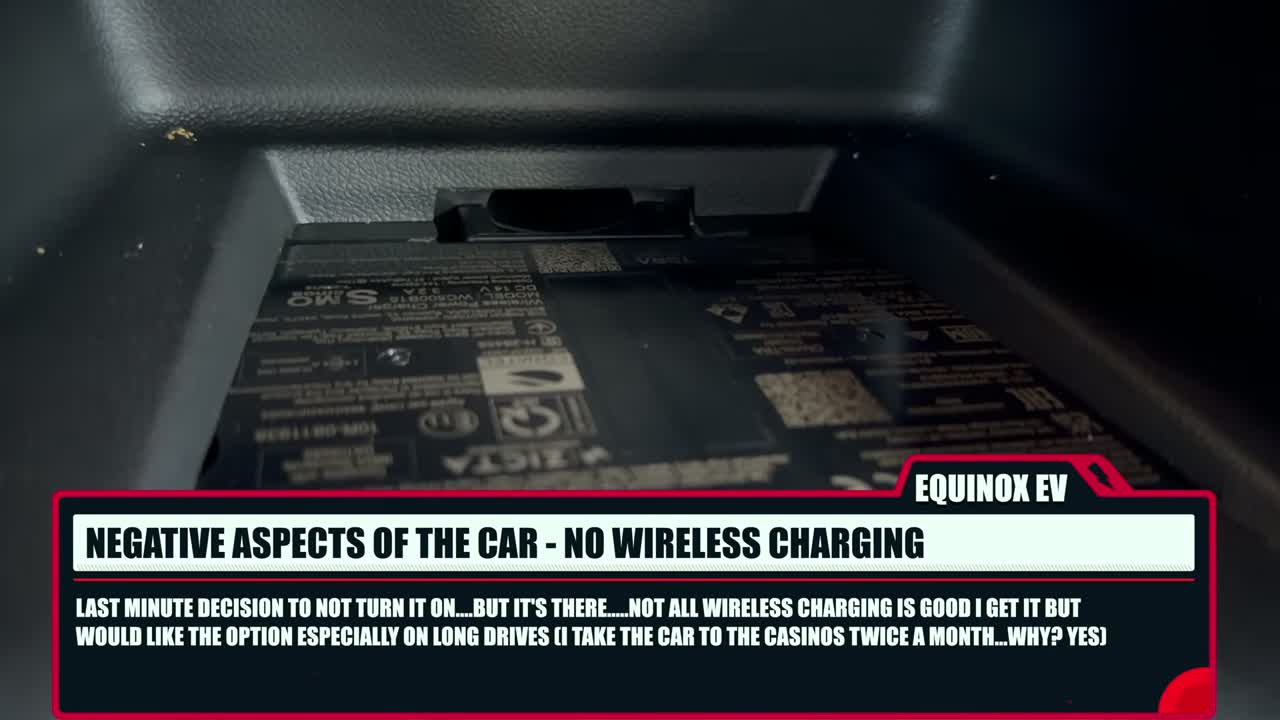
- The 2024 wireless charging pad is dead by software. The hardware is there, plugged into the CAN bus, but disabled — and it can’t be hacked on. (2025 models got it turned on.)
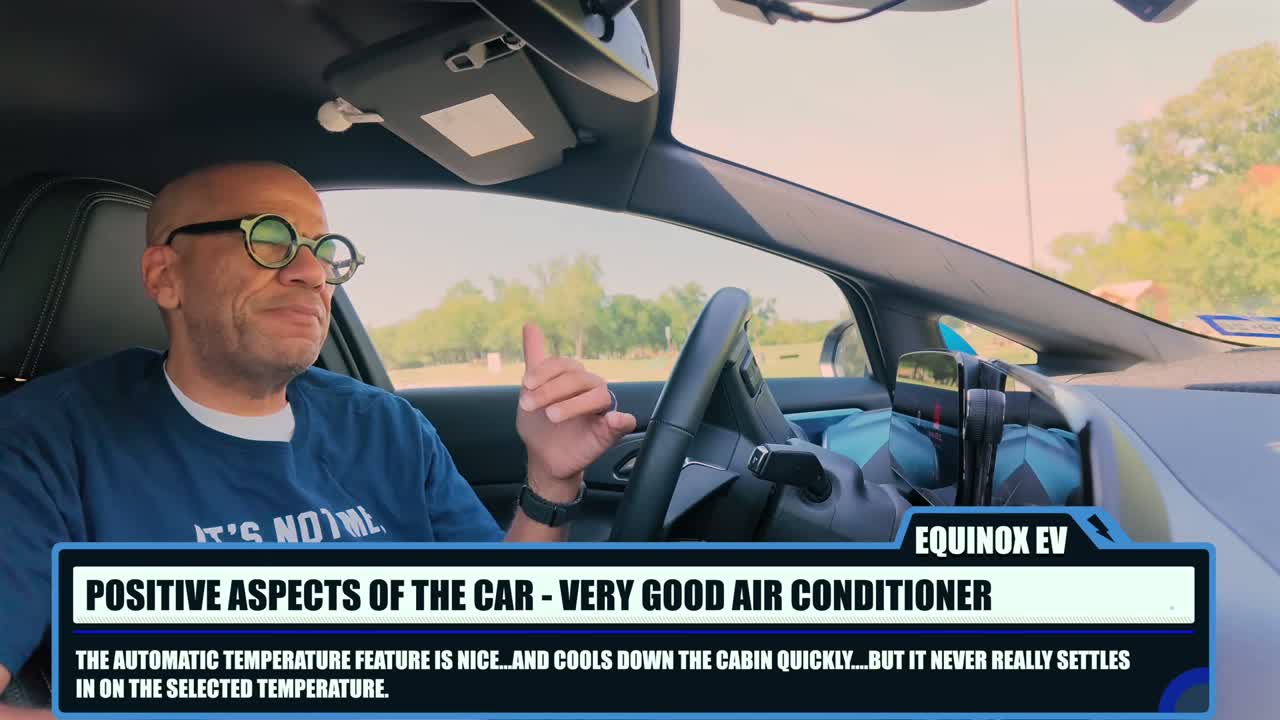
- AC overcompensates, heat undercompensates. On auto at 76°F it runs cold; in winter the heat breaks are “confused.”
- Only six speakers, no upgrade option. Fine for a commuter, underwhelming for an audiophile.
- No frunk. “I like big frunks and I cannot lie.” Groceries rattle in the cabin instead of sitting still up front.
- Lane-keep assist reacts too slowly, and the hands-free power liftgate opens if you merely walk past the car (he turned that off).
Why does the 2024 wireless charger not work, but the 2025’s does?
GM shipped the hardware in 2024 Equinox EVs but left it disabled in software on the vehicle’s CAN bus network. Because it’s tied to the car’s network rather than a simple switch, owners can’t enable it without a dealer-level GM tool — and 2025 models simply came with the feature activated. It’s a classic case of regulatory or supply timing locking out existing hardware.
The platform: Ultium doing the heavy lifting
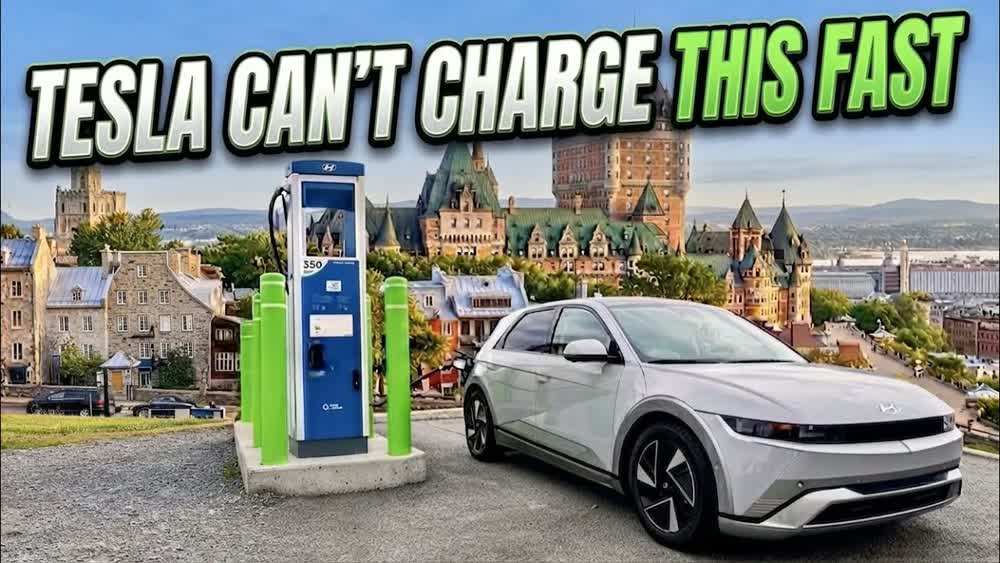
The Equinox EV rides on GM’s scalable Ultium architecture, the same bones as the Cadillac Lyriq, GMC Hummer EV, and Blazer EV. Darren’s car reports a 93.6 kWh gross pack with about 85 kWh usable; independent teardowns confirm the Ultium pack’s calculated capacity at ~89 kWh with ~85 kWh usable, running at a ~288V nominal pack voltage (more “300V” than “400V”) and peaking at 150 kW on a DC fast charger — good for roughly 70–77 miles in 10 minutes.
That big software buffer at the top is the reason the car can still regenerate at 100% charge and charge efficiently without stressing the cells. It’s a quiet engineering win most buyers will never think about — which is exactly the point of a “boring” car that just works.
How it stacks up: Equinox EV vs. the competition
Cross-brand context matters, because “good value” is relative. The Equinox EV launched as one of the cheapest ways into a 300-mile EV, and it shows against the segment’s heavy hitters:
| Model (base/EPA) | Starting price | Max EPA range | Battery | 0–60 mph |
|---|
| Chevrolet Equinox EV (FWD) | $34,995 (2024 1LT) | 319 mi | ~85 kWh | ~8.0 s |
| Tesla Model Y (RWD) | $41,630 (2026) | 294–357 mi | 62.5–78.4 kWh | 4.8–5.9 s |
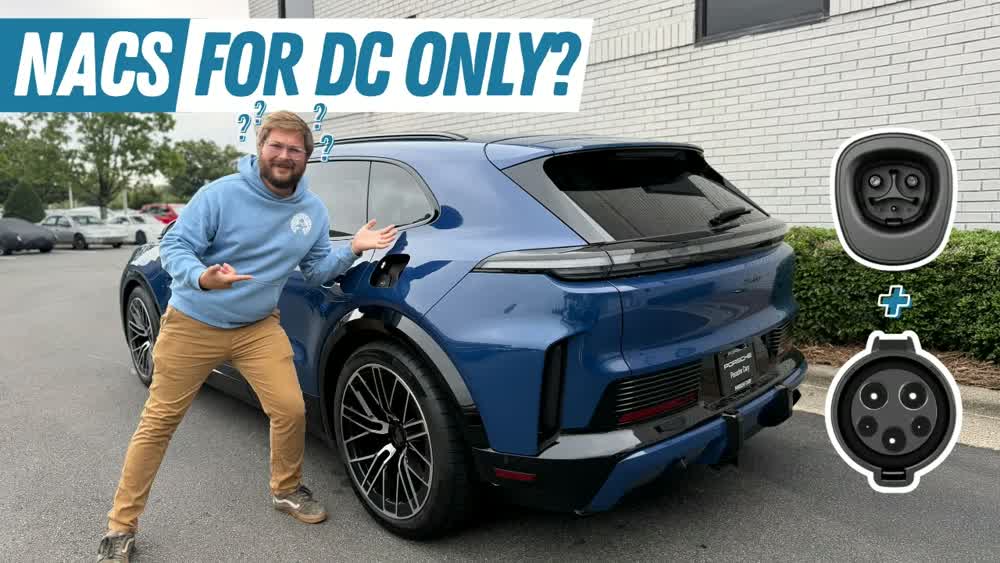
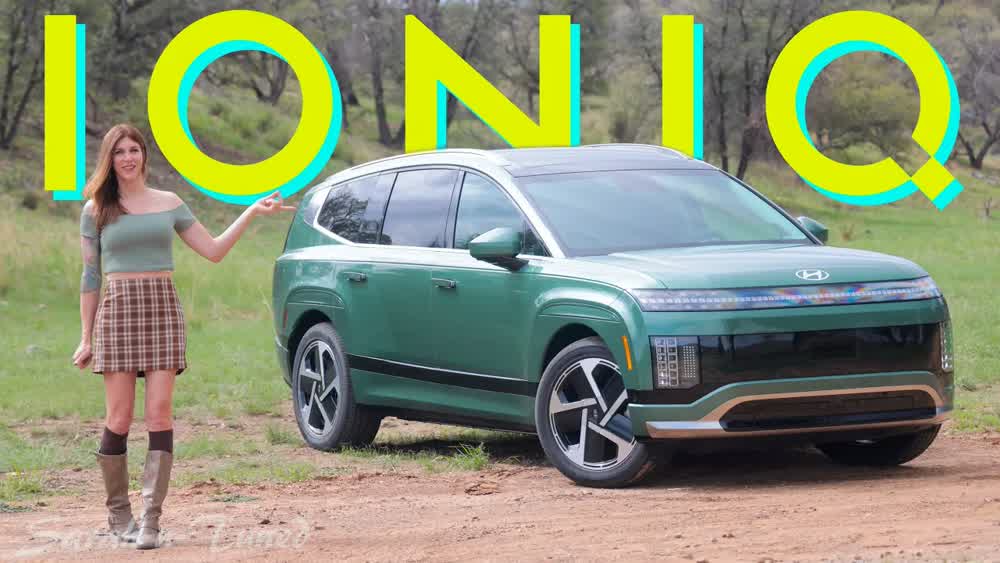
| Hyundai Ioniq 5 | $36,600 (2026) | 245–318 mi | 58–84 kWh (800V) | ~5.0 s (AWD) |
| Ford Mustang Mach-E | $39,840 (2026) | 312 mi | ~91 kWh (ext.) | ~5.1 s |
The Equinox EV gives up straight-line speed to the Tesla and the Ioniq 5’s 800-volt charging edge, but it undercuts them on price for the same 300-plus-mile bracket — and it does it without feeling cheap inside.
The sales story: America’s favorite non-Tesla EV
Darren’s experience isn’t a fluke. According to Kelley Blue Book data cited by Electrek, GM sold 57,945 Equinox EVs in 2025 — up 100.7% from roughly 28,900 in 2024 — making it the #3 best-selling EV in the U.S., behind only the Tesla Model Y (357,528) and Model 3 (189,903). Cox Automotive’s Q1 2026 report shows the Equinox EV still moving 9,589 units even as the broader market cooled 27% year-over-year after the credit expired.
That’s the punchline: a “boring” crossover became the default recommendation for Americans who want an EV without the drama — which is exactly what Darren concludes after two years.
2025 U.S. sales growth (+100.7%)
Owner satisfaction (would buy again)
The bottom line: what’s it worth now?
Darren’s lease ends soon, and the numbers tell the real story. GM Financial set his residual at about $38,000, but he figures the true market value of a 10,000-mile example is closer to $28,000 — and he’d call a fair price $23,000–$25,000, though he expects used ones to land near $30,000. Either way, “even at $30,000, it’s a good value,” and with a year of warranty still left, “you won’t need it.”
He’s replacing it with a 2027 Chevrolet Bolt — proof that the GM EV formula won him over. His advice to shoppers: strongly consider GM EVs or Hyundai/Kia EVs. The Equinox EV won’t set your heart racing. It will, however, just work — quietly, cheaply, and for a very long time.
“I would not hesitate at all to recommend any GM EV.”
Sources:
Cars.com — 2024 Chevrolet Equinox EV Review (specs: 319-mi range, 85-kWh pack, 213 hp, $34,995 1LT);
Electrek — Chevy Equinox EV was a hit in 2025 (KBB: 57,945 sold, +100.7% YoY, #3 U.S. EV);
InsideEVs — The 2024 Chevy Equinox EV and GM’s Ultium platform (89-kWh calc / 85-kWh usable, 288V, 150 kW);
EV Wire — Cox Automotive Q1 2026 U.S. EV Sales Report (Equinox EV: 9,589 units, -7.2% YoY).