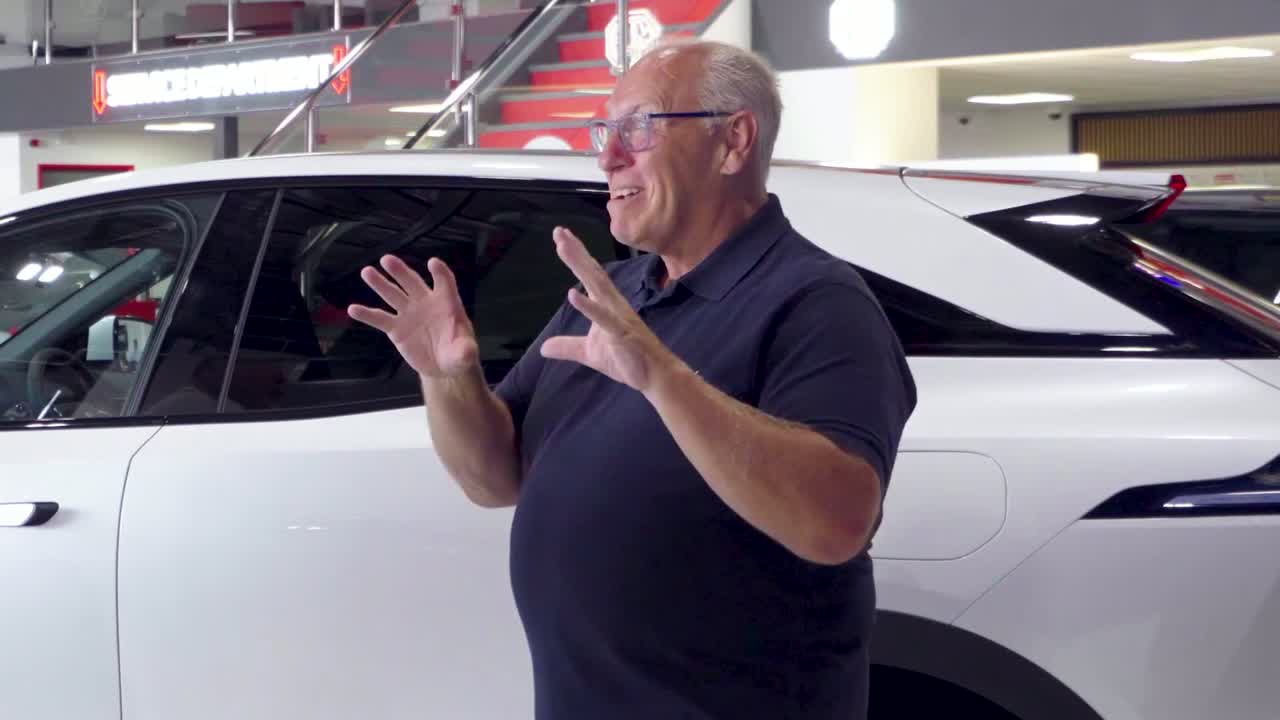
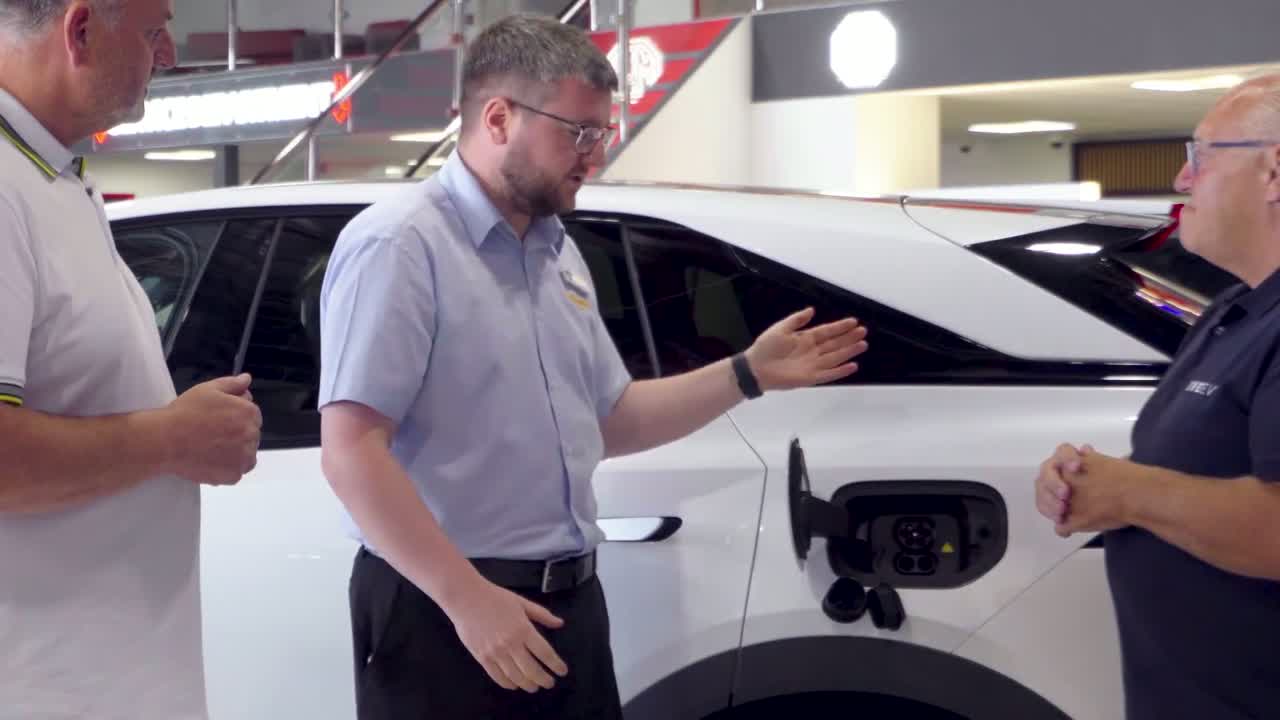
We sat an EV sales veteran down and asked the hard questions about the 2026 US market. His showroom instincts were sharp — but the real Q2 2026 numbers tell a story even he didn’t expect: a market that just hit its strongest quarter since the federal tax credit died.
What the veteran got right
When we grilled our EV expert, three of his talking points landed squarely on what US buyers are actually telling dealers in 2026. First, range anxiety is mostly a math problem, not a battery problem: he argued a commuter doing 30 miles a day doesn’t need a 400-mile flagship, and Cox Automotive data backs the instinct — the best-selling EVs in America are practical crossovers, not max-range monsters. Second, home charging is the whole game: his “wall box overnight” advice mirrors why US buyers with a garage keep their EVs; public fast charging is the backup, not the plan. Third, the EV is a lifestyle, not a one-time purchase — and that’s exactly the pitchChevrolet, Hyundai and Toyota are winning with in a post-incentive market.
The 2026 numbers that actually matter
Here’s the curiosity gap: everyone “knows” EV sales collapsed. They did — and then they didn’t. According to Kelley Blue Book estimates compiled by Cox Automotive, the US sold 247,226 battery-electric vehicles in Q2 2026, down 20.5% year-over-year from 311,064 in Q2 2025, but up 14.7% from Q1 2026. It was the strongest quarter since the $7,500 federal credit expired on September 30, 2025. Through the first half, the US moved 462,892 EVs, down 23.8% from 607,653 a year earlier — and EVs made up just 5.8% of all new-vehicle sales.

Tesla still owns half — but the field is closing
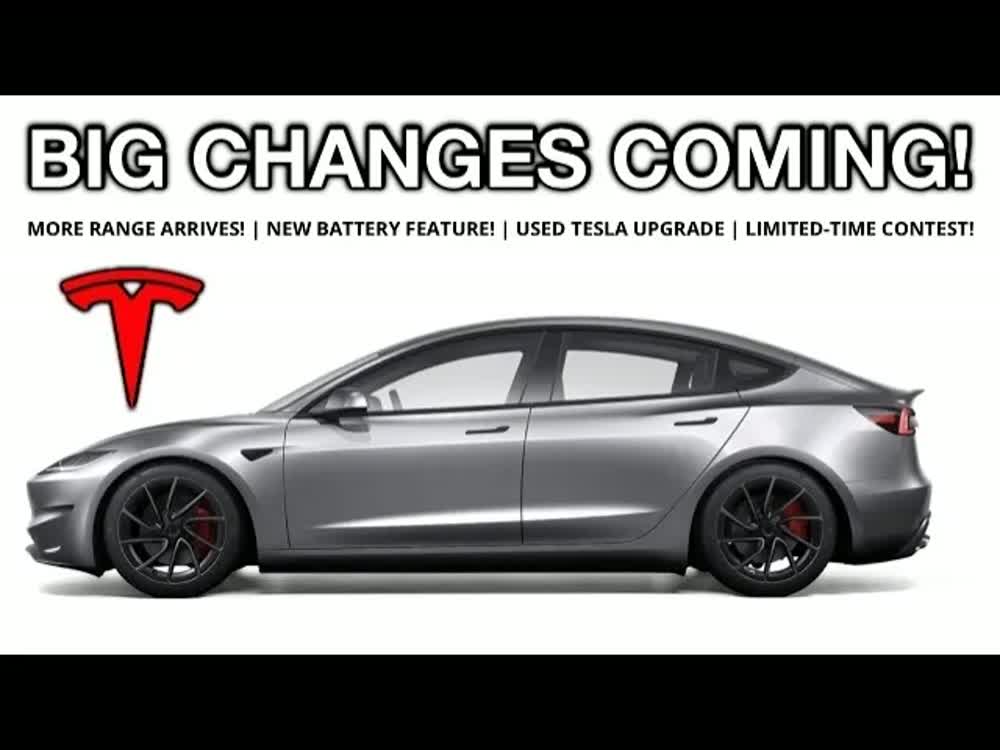
This is the part that surprises people. Tesla delivered an estimated 124,800 EVs in Q2 2026 for a 50.5% segment share, and 242,100 in the first half for 52.3%. No single rival came within an eighth of that volume — Chevrolet, the #2 brand, moved just 14,908. But the momentum signal is shifting, and our expert’s “it’s about the right fit, not the badge” worldview is showing up in the data:
Tesla (50.5% share, −13.1% YoY)
Chevrolet (6.0% share, −47.6% YoY)
Hyundai (5.8% share, −8.5% YoY)
Toyota (4.8% share, +225% YoY)
Rivian (4.6% share, +7.6% YoY)
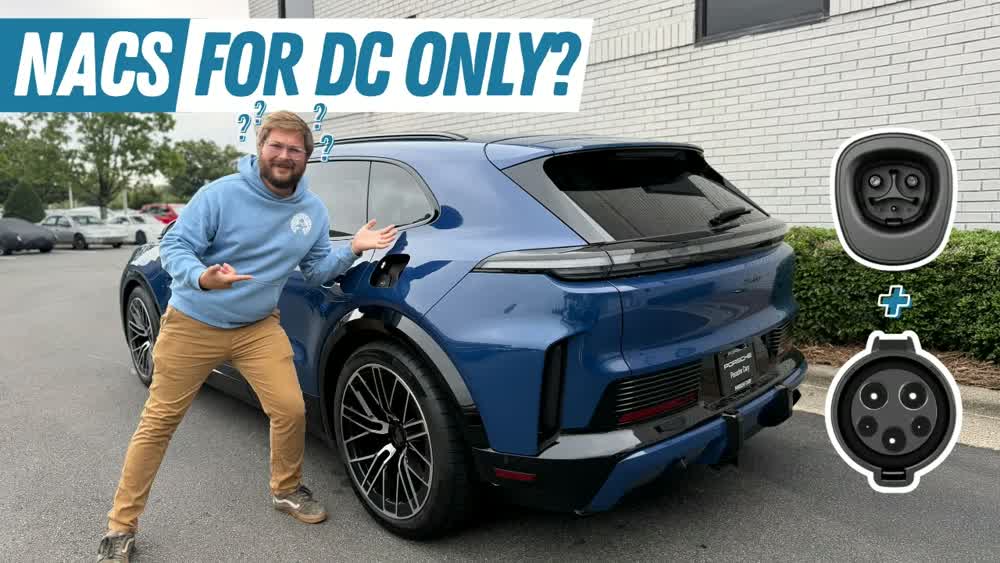
The Model Y alone accounted for 84,863 Q2 deliveries (34.4% of the entire US EV market) and the Model 3 added 34,944. Two nameplates from one brand = nearly half of every EV sold in America. Our veteran’s reaction? “The product has to suit the person.” Tesla still suits a lot of people — just fewer than a year ago.
What’s selling vs. what’s stalling
Cross-brand, the 2026 story is a tale of two strategies. Brands that leaned into affordable crossovers and fresh nameplates grew; brands that leaned on aging flagships stalled. The clearest contrast is in year-over-year brand momentum for the first half of 2026:
| Brand (H1 2026) | EV Sales | Market Share | YoY Change |
|---|
| Tesla | 242,100 | 52.3% | −10.9% |
| Chevrolet | 28,267 | 6.1% | −40.7% |
| Hyundai | 26,936 | 5.8% | −5.4% |
| Toyota | 21,855 | 4.7% | +136.3% |
| Cadillac | 21,767 | 4.7% | +10.1% |
| Rivian | 21,770 | 4.7% | +13.7% |
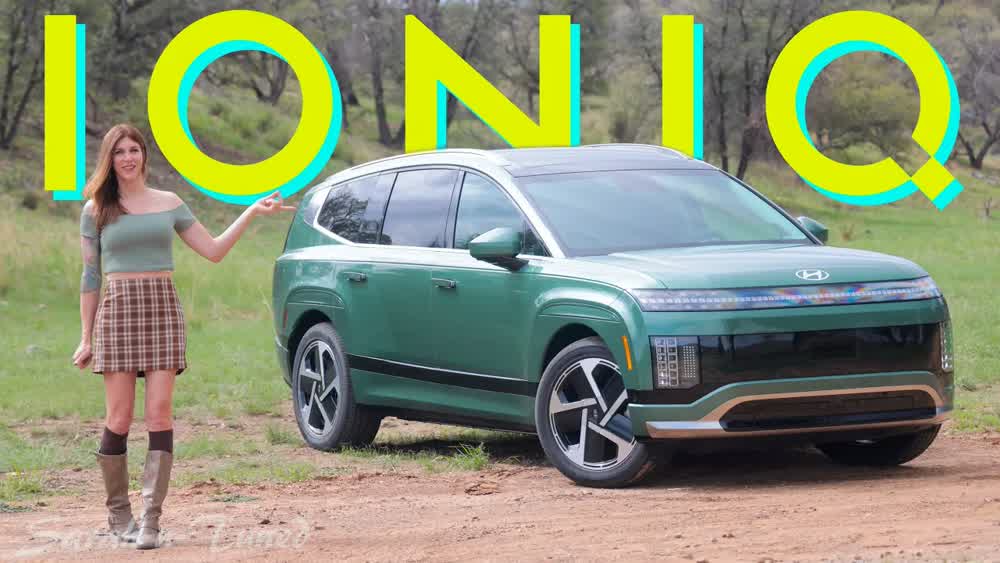
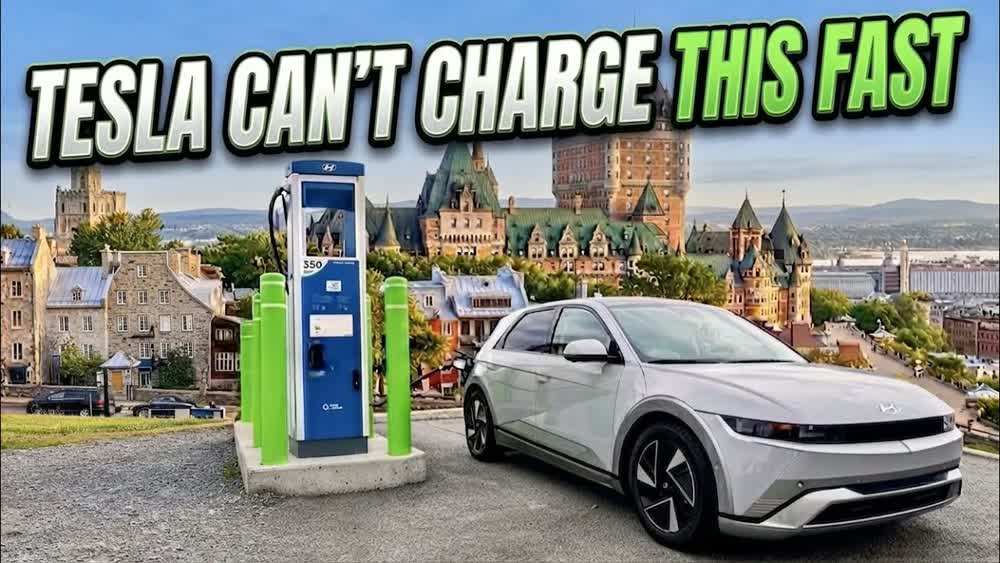
The model leaderboard tells the same story. The Hyundai IONIQ 5 was the best-selling non-Tesla EV with 20,730 H1 sales (+8.6%), the Toyota bZ jumped to 17,553 (+89.8%), and the Chevy Equinox EV — GM’s hoped-for volume engine — fell to 16,249 (−41.4%). Translation: Toyota and Hyundai are eating GM’s lunch in the affordable-crossover lane our expert says matters most.
The $7,500 cliff that reshaped everything
Cross-time is where the panic came from. When the federal tax credit ended on September 30, 2025, the floor dropped out: US EV sales in Q1 2026 ran roughly 215,500 units before bouncing to 247,226 in Q2. General Motors is the cautionary tale — its EV share of total US deliveries fell to 3.8% in Q2 2026 from 6.2% a year earlier, with US EV sales down 40.7% to 27,395 units. The Equinox EV, Blazer EV and Hummer EV all fell more than 30%. Cadillac was the lone bright spot inside GM, growing about 3.6%. Our veteran’s golden line applies perfectly here: “It’s not about switching them into an EV. It’s got to be right for them.” With no $7,500 to close the deal, the product has to stand on its own.
The global picture: the US is a small slice
Step back and the US looks like a slow adopter. The IEA’s Global EV Outlook 2026 reports that electric cars hit 25% of global new-car sales in 2025, with China at nearly 55% and Europe at about 28%, while the US sat at just below 10%. Globally, one in four new cars was electric, and China alone accounted for six in ten EVs sold worldwide. For an American buyer, that means the most aggressive pricing and tech is being battle-tested overseas first — and the US “stall” is really a normalization after a incentive-fueled spike.
Where the market goes next
The next phase, as Cox Automotive’s Stephanie Valdez Streaty puts it, will be driven by “how effectively automakers translate [advances] into products that meet consumer expectations for affordability, utility, performance, and ownership experience.” Watch Toyota’s bZ momentum, Rivian’s R2 launch, and whether GM can recover ground with the new Bolt. As our expert said: build your life around the EV, don’t let the EV run your life. In a market without a federal credit, that pragmatic advice is exactly what’s selling.
Is now a good time to buy an EV in the US?
If you have home charging and a daily commute under ~40 miles, yes — Q2 2026 showed the strongest pricing discipline since the credit ended, and rivals to Tesla (Toyota bZ, Hyundai IONIQ 5, Chevy Equinox EV) are competing hard on value. Without the $7,500 credit, total cost of ownership matters more than sticker, so run your home-charging math first.
Did the federal tax credit really end?
Yes. The $7,500 federal clean-vehicle purchase credit expired on September 30, 2025. Cox Automotive attributes the late-2025 and early-2026 US sales slump directly to that expiration, with Q1 2026 US EV sales down roughly a third before Q2 began to recover.
Is Tesla losing the US market?
Not in volume — Tesla still sold 124,800 EVs in Q2 2026 for a 50.5% share. But its share is slipping from 52.3% a year earlier in H1 terms, and its Model 3 fell 34.3% in the first half. The field behind it (Toyota +225%, Subaru +108%, Cadillac +10%) is closing fast.
Related reading on EVCUBE