Kia just launched a 300-plus-mile electric crossover that starts at roughly $16,000 — and the one market that will never see it on a dealer lot is the United States.
The $16,000 electric crossover America can’t buy
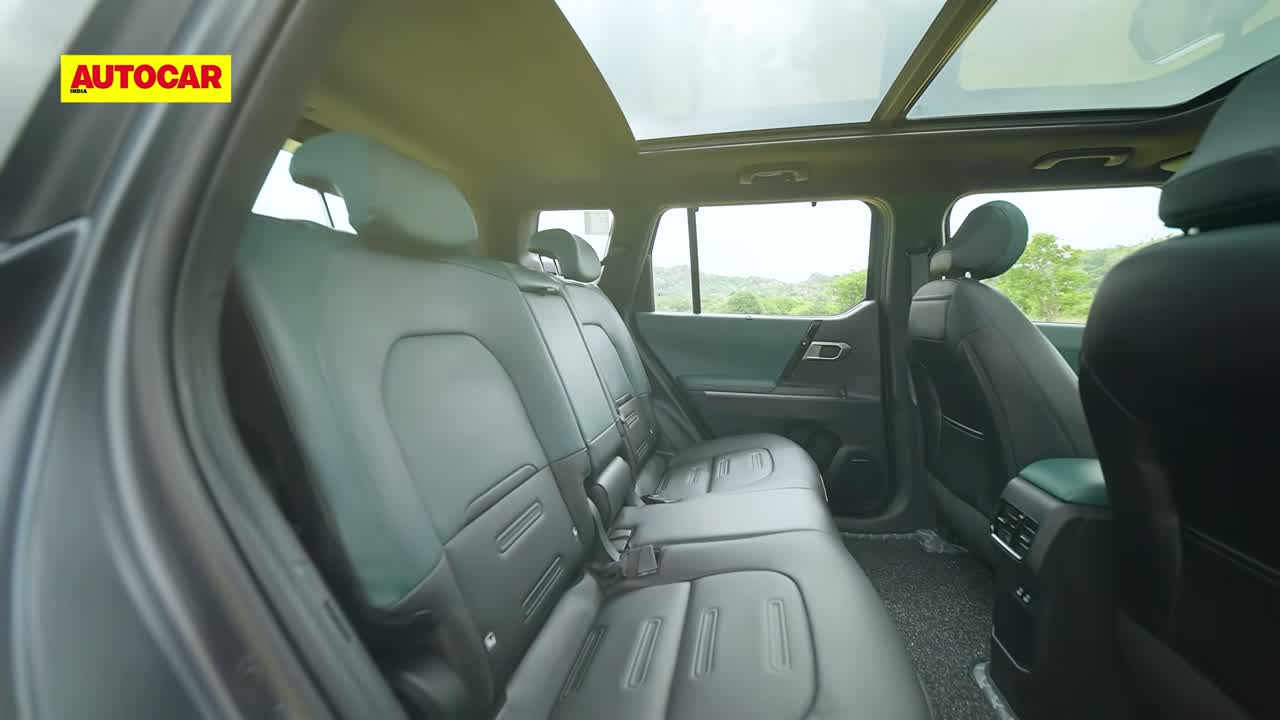
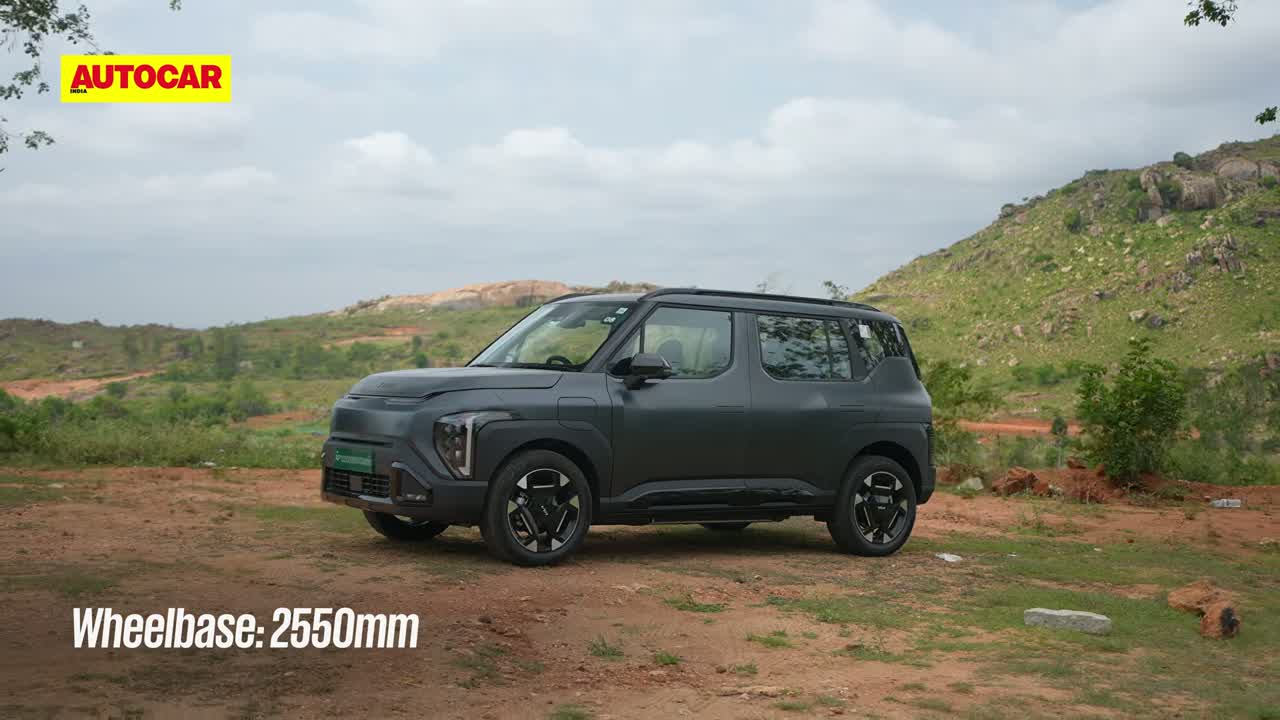
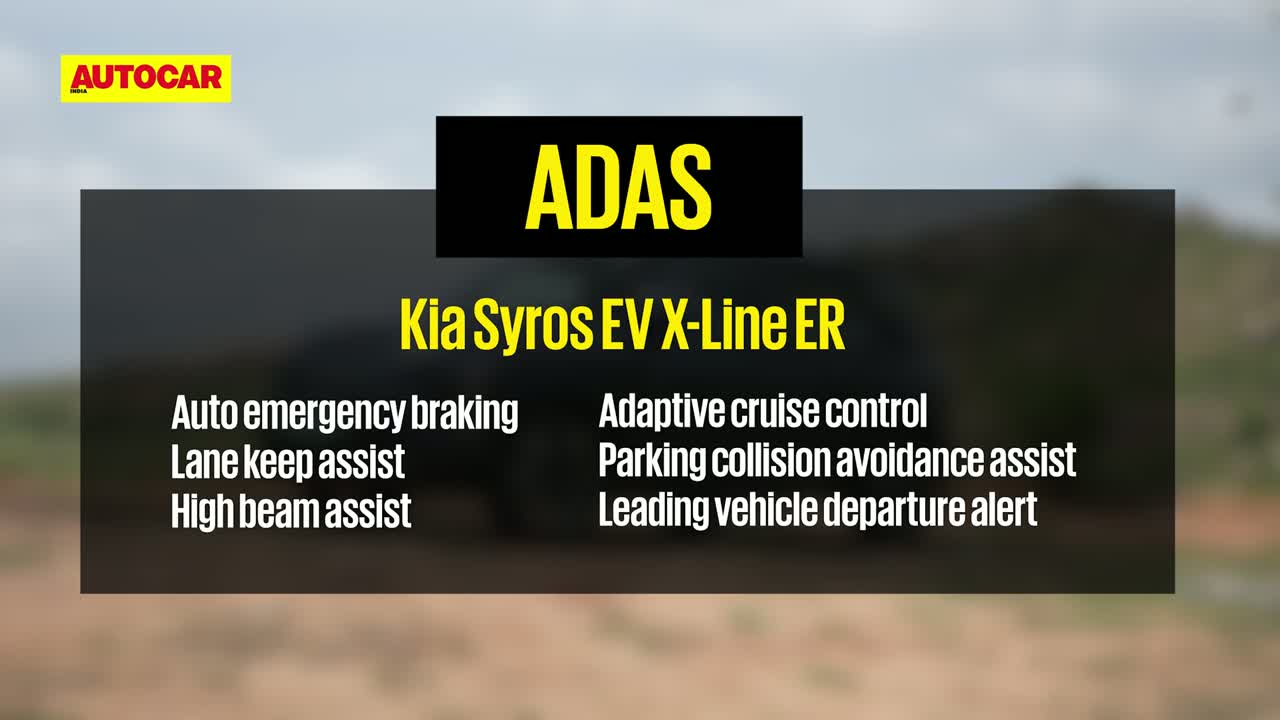
The easiest way to spot a Kia Syros EV in India is the green license plate. The easiest way to understand it as an American EV shopper is the price tag: the Syros EV opens at ₹13.49 lakh ex-showroom, or about $15,700 at current exchange rates. That is not a stripped-out city runabout. It is a five-seat crossover with a 30-inch panoramic display, Level 2 driver assistance, ventilated seats and an ARAI-certified range of up to 526 km (327 miles).
For context, the cheapest new electric vehicle you can buy in the U.S. in 2026 — the returning Chevrolet Bolt EV — starts at $28,995, and the redesigned Nissan Leaf lands at $29,990. Kia’s Indian crossover undercuts both by nearly half before a single incentive enters the math. That gap is the whole story, and it says more about the American EV market than it does about Kia.

Syros EV specs, price and range: what ₹13.49 lakh buys
The Syros EV comes in seven trims across two batteries. The entry 42 kWh pack is rated at 443 km (275 miles) on India’s MIDC cycle and makes 135 hp. The 51.4 kWh Extended Range version — the one tested in the source review — steps up to 171 PS (169 hp), hits 526 km (327 miles) certified, and clears 0–100 km/h in 8.1 seconds. Both charge from 10–80% in 39 minutes on a 100 kW DC charger.
One honest caveat for U.S. readers: India’s ARAI/MIDC cycle is far more generous than the EPA test. The reviewer’s own real-world estimate lands nearer 400 km (about 250 miles) for the big battery and roughly 300–320 km (186–199 miles) for the small one — still strong numbers for the money, but closer to what an EPA sticker would show.
| Trim (battery) | Price (ex-showroom) | Approx. USD | Range (ARAI) | Power |
|---|
| HTK (42 kWh) | ₹13.49 lakh | ~$15,700 | 443 km / 275 mi | 135 hp |
| HTX (42 kWh) | ₹15.99 lakh | ~$18,600 | 443 km / 275 mi | 135 hp |
| HTK+ ER (51.4 kWh) | ₹16.99 lakh | ~$19,800 | 526 km / 327 mi | 171 PS |
| X-Line ER (51.4 kWh) | ₹19.99 lakh | ~$23,300 | 526 km / 327 mi | 171 PS |
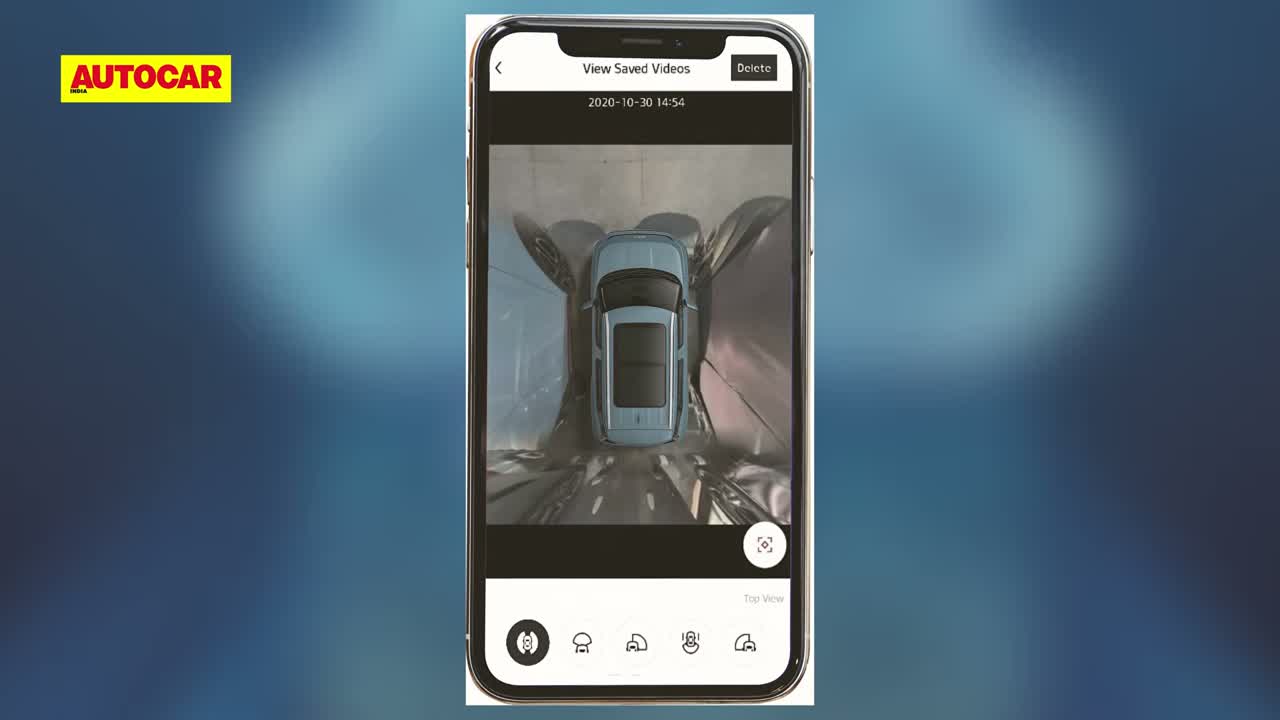
Even the fully loaded X-Line — 360-degree camera, 16-function ADAS, onyx-and-green cabin — tops out around $23,300, still under the price of America’s cheapest EV. Kia sweetens ownership further with a 15-year/unlimited-km high-voltage battery warranty, an assured buyback of up to 80% after three years, and a Battery-as-a-Service plan that drops the entry price to ₹7.99 lakh plus ₹3.3/km.
Syros EV base price vs cheapest new U.S. EV (Bolt, $28,995)~54%
How it stacks up against America’s cheapest EVs
Line the Syros EV up against the U.S. budget field and the pricing looks almost unfair — until you remember these cars fight in completely different cost structures. Here is the honest cross-market comparison, EPA figures for U.S. cars and ARAI for the Syros:
| Model | Market | Starting price | Range | DC 10–80% |
|---|
| Kia Syros EV (42 kWh) | India | ~$15,700 | 443 km / 275 mi (ARAI) | 39 min |
| Kia Syros EV ER (51.4 kWh) | India | ~$19,800 | 526 km / 327 mi (ARAI) | 39 min |
| Chevrolet Bolt EV | U.S. | $28,995 | 255 mi (EPA) | ~45 min |
| Nissan Leaf | U.S. | $29,990 | 303 mi (EPA) | ~40 min |
| Chevrolet Equinox EV | U.S. | $34,995 | 319 mi (EPA) | ~38 min |
| Kia EV3 (U.S., late-2026 est.) | U.S. | ~$35,000 | ~300 mi (est.) | ~30 min |
Adjust for the softer test cycle and the Syros EV’s real-world range roughly matches a Bolt while costing about 46% less. What Americans actually miss isn’t just a cheap car — it’s the concept of a genuinely affordable, well-equipped EV. The U.S. floor sits near $29,000; India’s Syros proves a sub-$16,000 electric crossover is technically and commercially possible today.
Kia built the affordable EV America keeps asking for. It just forgot to put it on the boat.
Why you can’t buy it here: tariffs, credits and market math
The Syros EV isn’t kept out by engineering — it’s kept out by economics. Three forces stack against a U.S. launch:
- Tariffs. Duties on Korean-built imports climbed to 25% before a U.S.–Korea deal trimmed them to 15%. Kia says its EV4 sedan “was originally designed and engineered when the tariffs were zero percent” — a 15–25% surcharge alone would erase the Syros’ price advantage.
- The credit is gone. The $7,500 federal EV tax credit expired on September 30, 2025. Kia’s EV6 and EV9 sales cratered 71% and 66% year-over-year the month after it lapsed.
- Positioning. A sub-4-metre crossover with modest EPA range is a tough sell in a market that prizes size and highway miles. Kia has already delayed its EV4 in the U.S. indefinitely and is leaning on the larger, longer-range EV3 instead.
In other words, the same $16,000 sticker that makes the Syros a hero in Mumbai would balloon past $20,000 in Los Angeles once tariffs, homologation and NACS conversion are baked in — with no federal credit to soften the landing. The value proposition simply doesn’t survive the trip.
U.S.–Korea import tariff on Kia EVs (was 25%, now 15%)15%
Kia’s global affordable-EV playbook
The Syros EV isn’t a one-off; it’s the clearest expression yet of Kia’s two-track EV strategy. In mature markets like the U.S. and Europe, Kia sells the E-GMP-based EV3 (U.S. target ~$35,000, ~300 miles) and EV4. In price-sensitive emerging markets, it builds locally on cheaper platforms — the Syros EV rides on the reinforced K1 architecture and is manufactured in Anantapur, India.
That localization is why the numbers work. And the timing is deliberate: India’s electric-car sales jumped more than 90% in the first half of 2026, crossing 100,000 units, with EV penetration reaching roughly 6.4% in May — one of the fastest-growing sizeable EV markets on earth, per the IEA. Globally, the agency now expects EV sales to rise about 10% to 23 million vehicles in 2026, or 29% of all new cars.
Kia’s bet is that the next hundred million EV buyers won’t come from California — they’ll come from India, Brazil and Southeast Asia, where a $16,000 crossover with a lifetime battery warranty is exactly the right product. The U.S. gets the premium EV3; the rest of the world gets volume.
Will the Kia Syros EV ever be sold in the United States?
There are no plans for it. Kia has already delayed its EV4 in the U.S. indefinitely over tariffs and the loss of the $7,500 federal credit, and points to the larger, longer-range EV3 (expected late 2026 at roughly $35,000) as its affordable U.S. entry instead. The Syros EV was engineered for India’s cost structure and MIDC test cycle, so a U.S. version would need NACS charging, EPA testing and NHTSA safety changes — pushing its price well past its Indian bargain.
So here’s the real question for U.S. shoppers: if Kia shipped the Syros EV stateside for, say, $22,000 all-in, would you buy a sub-4-metre electric crossover over a bigger, pricier Equinox EV — or does America’s appetite for size mean a genuinely cheap EV would never sell here anyway? Tell us in the comments.
Related reading on EVCUBE
Sources