No products in the cart.
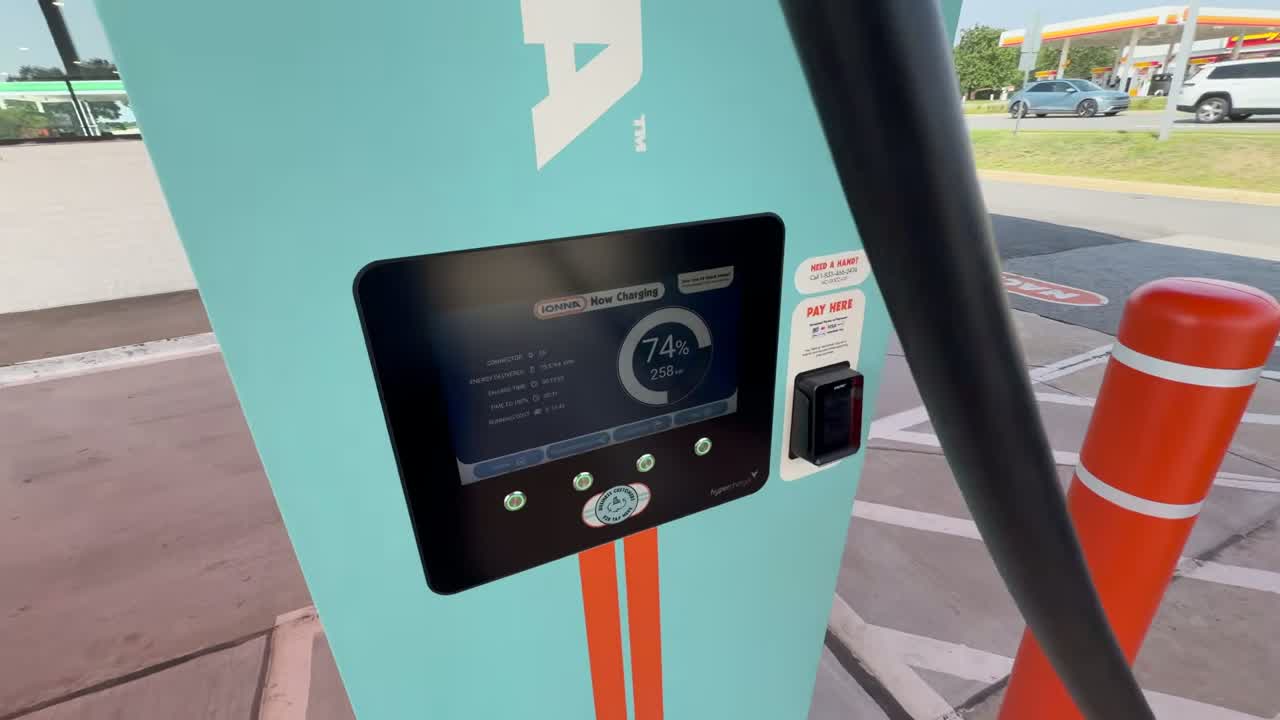
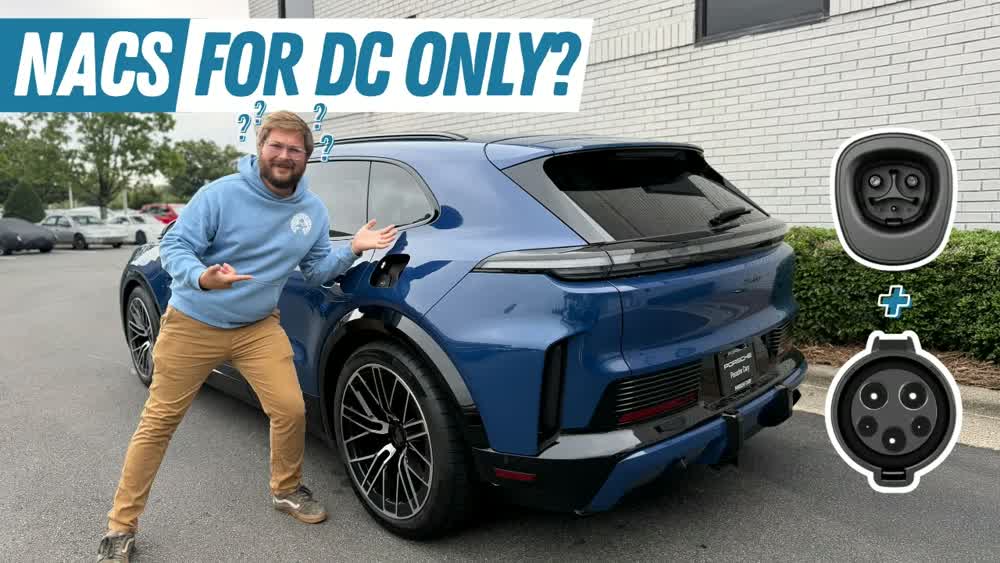
Out of Spec Reviews just put the new Porsche Cayenne Electric through its “10% challenge” — a 15-minute charge followed by an 80-mph highway loop — and the result nearly broke the record held by the Taycan. In 91-degree North Carolina heat, the Cayenne added 80 kWh in 15 minutes and covered 186 miles. That makes it arguably the best road-tripping EV on sale in America.
The 10% challenge measures the two things that actually matter on a road trip: how efficiently a car converts energy at highway speed, and how fast it refills. You start at 10% state of charge, charge for exactly 15 minutes, then hold 80 mph on a closed loop until you dip back to 10%. Out of Spec runs every notable EV through it, and the leaderboard has been dominated by a single name since it started: Porsche.
What the Cayenne did
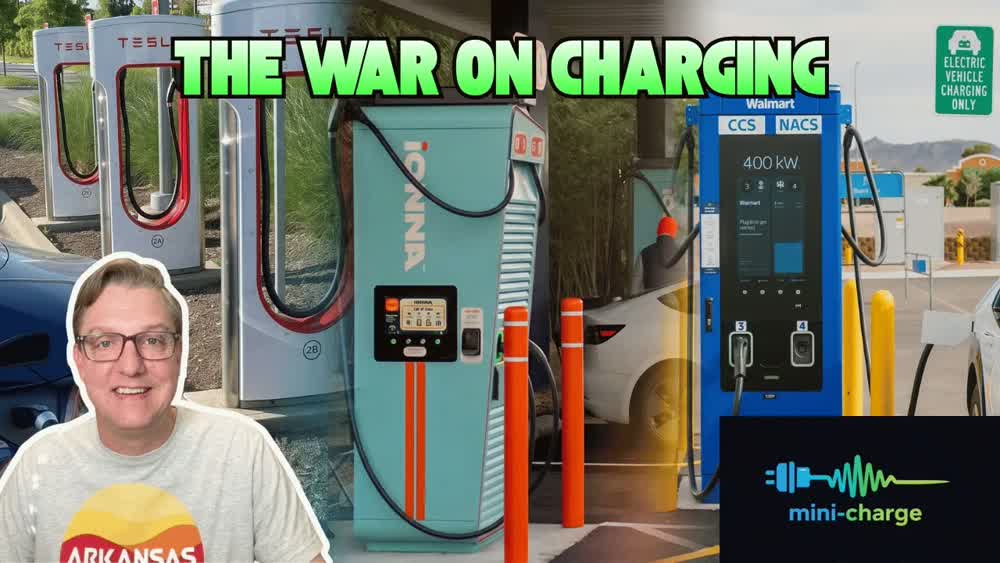
The test car was a base long-range Cayenne Electric, specced to about $125,000. It carries a 108 kWh usable pack (113 kWh gross) on an 800-volt architecture, with dual permanent-magnet motors — the rear unit is essentially the Macan Electric’s motor, with a secondary front axle. Charging at an IONNA Rechargery in Garner, North Carolina, the car went from 10% to 78% in exactly 15 minutes, adding 80 kWh at an average of 320 kW. It was still pulling 260 kW at 74% and 240 kW at 76%. Porsche’s own claim is roughly 16 minutes for 10–80%; the Cayenne beat it even while running cabin climate on a 91°F day with the battery thermally throttled.

Then came the drive: 186 miles at a constant 80 mph, with efficiency holding around 2.6 miles per kWh — astonishing for a near-three-ton SUV. Out of Spec noted it was beating the Taycan’s efficiency in their loop, and that the car consumed so little energy that preconditioning for the return charge barely dented the average.
Where it lands on the leaderboard
The all-time record remains the Taycan sedan’s 193 miles, but that run happened at roughly 45°F ambient at altitude in Colorado. The Cayenne did its 186 miles at 91°F at sea level, with the battery cooling system working at maximum. The reviewer’s judgment: in comparable conditions, the Cayenne would tie or beat the Taycan — and it crushed the Taycan Sport Turismo’s 158-mile result by a wide margin.
| Model (10% challenge) | Miles covered | Conditions | Peak DC charge |
|---|---|---|---|
| Porsche Taycan sedan | 193 mi | ~45°F, altitude | ~270 kW |
| Porsche Cayenne Electric | 186 mi | 91°F, sea level | ~390 kW (320 avg) |
| Taycan Sport Turismo | 158 mi | cold, 21-in wheels | ~270 kW |
| Rivian R1S / Tesla Model X | not yet tested / below | — | ~250 kW class |
SIGNAL: Range numbers sell cars, but charging power sells road trips. The Cayenne’s 320-kW average charge rate means a 10-minute stop adds roughly 50 miles of highway driving — that’s the number that actually gets families across Texas or along I-95 without stress.
Why this matters for U.S. buyers
Three things make the Cayenne Electric unusually relevant to the American road-trip market. First, it has a native NACS port, so it plugs straight into Tesla Superchargers and the expanding IONNA network (which sponsored the test and now has 100+ locations open). Second, it’s a big, quiet, comfortable family SUV — the reviewer called the cabin “Rolls-Royce Spectre quiet” — not a low-slung sports sedan. Third, the platform supports up to 600 kW of regeneration, so almost all braking is recovered energy.

The catch is price. The base Cayenne Electric starts around $111,000, the S Electric at $128,650, and the Turbo at $165,350 (the Coupe variants are about $5,000 more). A Tesla Model X starts near $80,000 and a Rivian R1S near $77,000 — both far cheaper, but neither matches the Cayenne’s charge curve. If you can live with the price, Out of Spec’s conclusion is blunt: “I can’t think of anything that would road trip this well.”
The Germans know how to build long-distance road trippers. The Cayenne pairs Taycan-level charging speed with more space, a native NACS port, and a ride so quiet it borders on eerie — and it does it in an SUV body Americans actually want.
What is the “10% challenge”?
A road-trip simulation: charge from 10% to as high as possible in exactly 15 minutes, then drive at a constant 80 mph until the battery returns to 10%. It measures combined highway efficiency and real-world charging power — the two factors that determine how fast an EV actually crosses a state.
Is the Cayenne Electric better than the Taycan for road trips?
Nearly identical charging speed with far more interior space, a better ride, and a native NACS port. Out of Spec says for a family road trip, the Cayenne is the better car; the Taycan remains the emotional favorite.
Can it really charge 10–80% in 15 minutes?
In this test, 10–78% in exactly 15 minutes at 91°F ambient, adding 80 kWh at a 320-kW average. Porsche’s official figure is about 16 minutes for 10–80%. Cooler conditions should improve the result since the pack won’t thermal-throttle as early.