Every quarter, the financial press reduces Tesla to one number: how many cars it delivered. The Q2 2026 report looked like a comeback on that score — but buried inside the same news cycle were two quieter signals that say far more about where Tesla is actually heading. One is about power. The other is about software. Together they point to a company that is quietly becoming something very different from a carmaker.
The number everyone quotes — and why it misses the point
Tesla delivered 480,126 vehicles in the second quarter of 2026, up 25% from the 384,122 it delivered a year earlier. On the surface that is the story: the delivery slump is over, the stock should cheer, and the “Tesla is a car company” framing holds. But the delivery figure is a lagging indicator of a business that is already pivoting. The two metrics that matter more — electricity demand and recurring software revenue — barely made the headlines, even though both grew faster than deliveries and both tell you what Tesla is building toward the back half of the decade.

Signal #1: Tesla just became one of America’s biggest corporate solar buyers
On a single day — July 28, 2026 — Tesla signed two utility-scale solar power purchase agreements that, combined, lock in more than 640 megawatts of third-party solar plus 360 megawatts of battery storage. These are not small hedges. They are a tell.
The first: a long-term PPA with developer Zelestra for the entire output of the 140 MWac Lumen Farm solar plant in Northeast Texas, expected online in 2029. The second, and the larger: a deal with ContourGlobal for Project Sterling in Arizona — 509 MWp / 450 MWac of solar paired with a 360 MW / 1.4 GWh battery — delivering roughly 1 terawatt-hour per year, about 90% of the plant’s annual output, with firm transmission rights into California’s CAISO market and commercial operation targeted for 2028.
Why a company that makes batteries is buying power instead
Tesla builds the Megapack, the best-selling grid battery on the planet, and it is standing up a 100-GW-class solar panel factory in Texas. So why sign PPAs with KKR-backed developers instead of building the plants itself? Because its own electricity load is climbing faster than it can interconnect. Gigafactory Texas, the Cortex AI training cluster, Optimus production, robotaxi hubs, and the Brookshire Megafactory all draw megawatts — and Musk told investors on the July 22 earnings call that power constraints “already are a major issue for AI.” The two deals are an energy-pricing arbitrage plus a green-power play (Tesla collects the renewable energy credits), and they signal that management expects demand to scale even while quarterly deliveries “feel stagnant.”
Committed solar (single day, Jul 28 2026)
Battery storage paired into the deals
Energy storage deployed Q2 2026 vs Q2 2025
Signal #2: The software business nobody puts on the front page
The second hidden signal sits in Tesla’s “Services and Other” line. In Q2 2026 that segment brought in $4.58 billion, up 50% year over year, with record gross profit for the category. The driver executives named on the call was Full Self-Driving. Paid FSD subscribers reached 1.48 million, up 56% year over year, and about 55% of new North American deliveries had FSD activated at the point of sale. The transcript of the source video pegs roughly 200,000 net new FSD subscriptions added in Q2 alone.
Recurring revenue is decoupling from the car cycle
What makes this the more important number long term is that it is software, not hardware. A subscription at roughly $99 a month does not rise and fall with the $7,500 federal credit (which expired September 30, 2025) or with quarter-to-quarter delivery swings. Back-of-the-envelope math — 1.48 million subscribers times $99 — puts annualized recurring revenue around $1.8 billion and climbing. That is a margin-rich revenue stream sitting on top of a hardware base that the headlines treat as the whole story.
The two signals, side by side with the headline
Line the three growth metrics up across the same two quarters and the pattern is hard to miss: the “boring” lines are growing as fast as, or faster than, deliveries.
| Metric (Q2) | 2025 | 2026 | YoY change |
|---|
| Vehicle deliveries | 384,122 | 480,126 | +25% |
| Energy storage deployed | 9.6 GWh | 13.5 GWh | +41% |
| Services & Other revenue | $3.05B | $4.58B | +50% |
| FSD paid subscribers | ~948,000 | 1.48 million | +56% |
Cross-brand, the divergence is just as telling. BYD delivered 557,090 battery-electric vehicles in Q2 2026 — still ahead of Tesla, but down about 8% year over year, which narrowed Tesla’s trailing gap from roughly 220,000 units a year ago to about 77,000 today. Tesla is accelerating while its largest pure-EV rival is contracting.
What it means for the 2026 growth story
The golden line is simple: Tesla is not betting its future on selling one more car — it is betting on owning the electrons and the software that make the car matter. The two PPAs are a down payment on the electricity a robotaxi fleet, a humanoid-robot factory, and an AI training cluster will burn through later this decade. The FSD subscription curve is the early proof that owners will keep paying Tesla after the sale closes. Deliveries will always grab the headline; these two numbers are where the real inflection is hiding.
Are these PPAs Tesla buying electricity it will actually use?
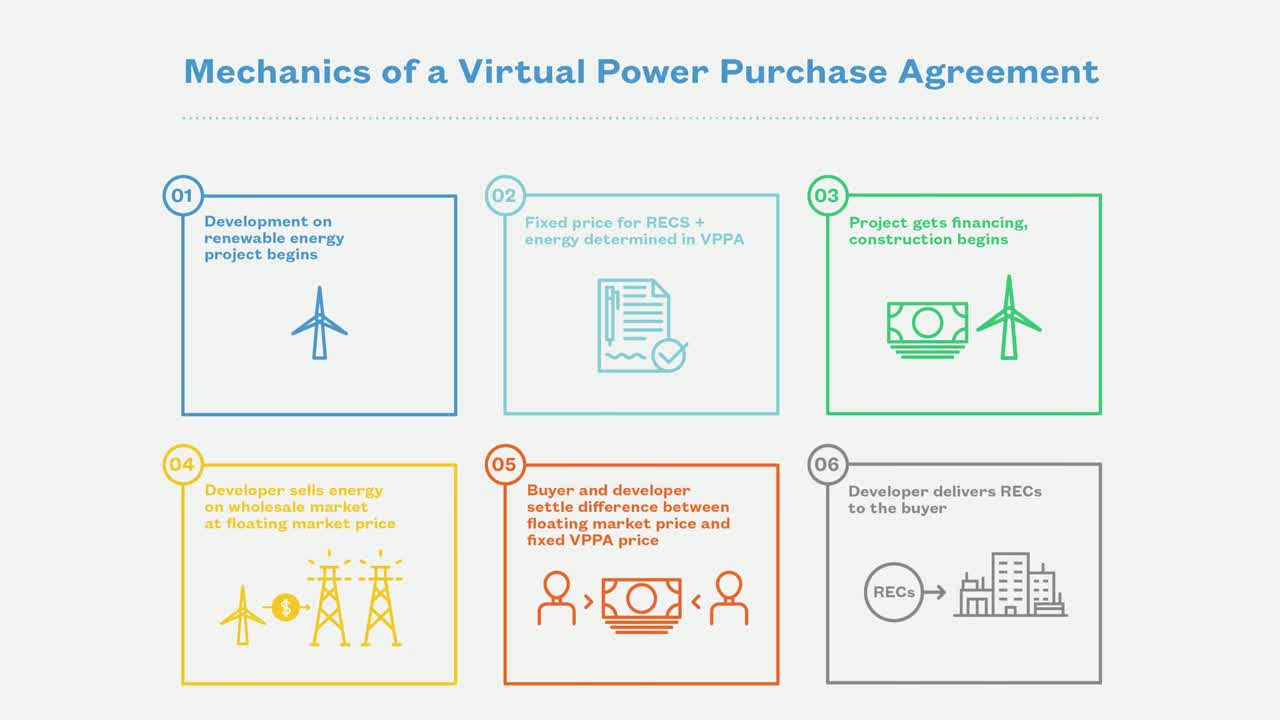
Not directly. The Texas Lumen Farm deal is structured as a financial hedge: Tesla locks in a fixed price, the farm sells its electrons onto ERCOT, and the two parties settle the difference against wholesale rates — plus Tesla collects the renewable energy credits. The Arizona Sterling deal is physically tied into CAISO and is expected to serve Tesla’s California needs. In both cases the point is to flatten the cost of electricity Tesla was going to consume anyway as its operations scale.
Why does the energy business gross margin look weak if storage is growing?
Storage deployed hit 13.5 GWh, the second-best quarter ever, but Tesla’s energy gross margin fell to about 20.4% in Q2 from 39.5% in Q1 — pressured by a warranty adjustment, the absence of a one-time tariff benefit, and falling industrial storage prices. Volume is up; margin is lumpier. The long-term trajectory, per management, is a return to the low-20s percent range.
Does FSD subscription growth depend on the federal tax credit?
No. The $7,500 credit expired September 30, 2025, yet Services & Other revenue still grew 50% and FSD subscribers grew 56% in Q2 2026. The software line is proving resilient precisely because it is not tied to a subsidy that no longer exists.
Related reading on EVCUBE