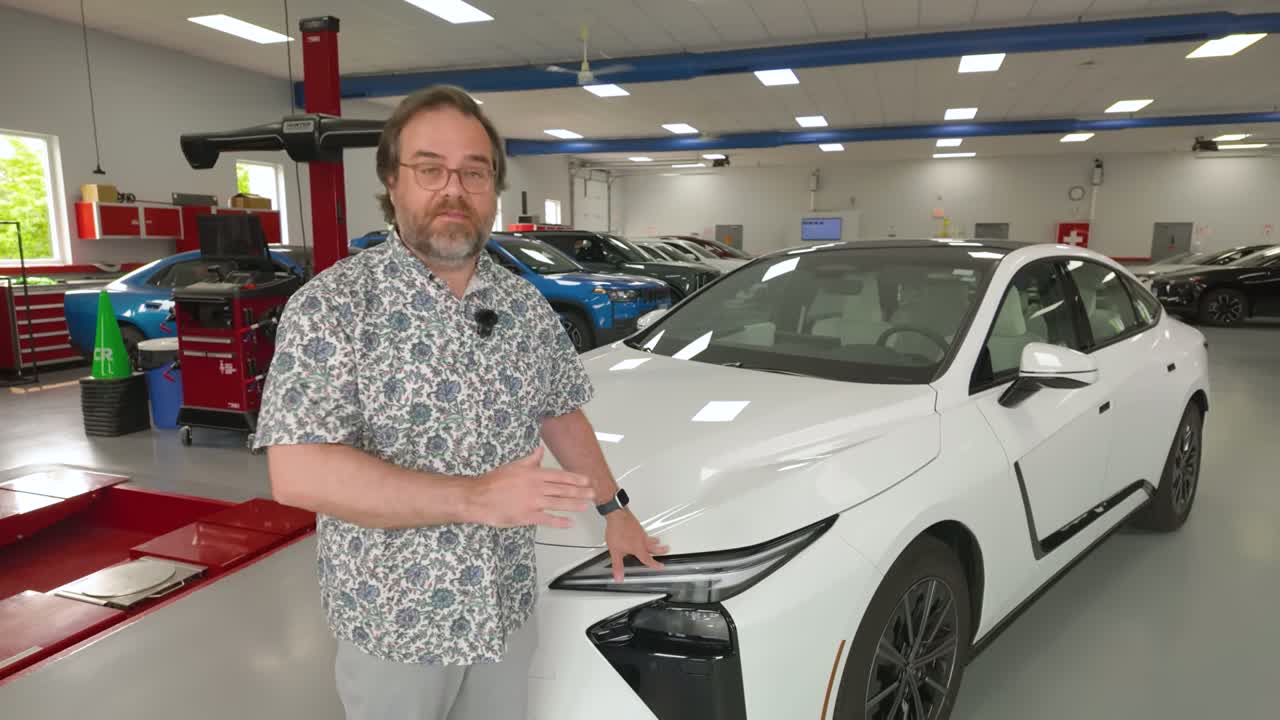
Toyota was the auto industry’s loudest EV skeptic for a decade — so why is its luxury arm now selling a ground-up electric sedan that undercuts a Tesla Model S by nearly $60,000? The 2026 Lexus ES 500e is Toyota’s quiet answer, and it matters to any US buyer weighing comfort against range.
Lexus’s first ground-up EV sedan finally arrives
For years the ES has been a Consumer Reports darling — strong road-test scores, high owner-satisfaction and reliability ratings, and a road-trip comfort that few rivals match. For 2026 the nameplate has been completely redesigned, and the biggest change is philosophical: the gas-only ES is gone. What remains is a hybrid ES 350h and, for the first time, a fully electric ES built as a dedicated EV rather than a compliance afterthought.
Lexus splits the electric ES into two powertrains. The single-motor ES 350e is front-wheel drive, makes 221 total horsepower, and carries an EPA-estimated 307 miles of range. Step up to the dual-motor ES 500e AWD — the version Lexus expects to sell most — and you get 338 horsepower, standard all-wheel drive, and a shorter 276-mile rating. Both trims share a 74.7-kWh battery, and final assembly happens in Fukuoka, Japan.

The move is bolder than it looks. Toyota and Lexus spent years arguing that hybrids, not pure EVs, were the pragmatic path to lower emissions. The ES 500e is the clearest sign yet that the company is now willing to build a real EV sedan — and to price it aggressively.
Price and value: a genuine luxury-EV bargain
This is where the ES 500e gets interesting. The electric ES lineup opens at $48,895 for the 350e Premium and runs to $60,295 for the 500e Luxury AWD. The 500e Premium AWD — the volume model — starts at $51,895. In the video, the Consumer Reports team bought an ES 500e Premium AWD anonymously through a dealer for a total of $53,990 ($50,500 base plus $2,095 in options and a $1,395 destination fee). That is a real jump from the old ES hybrid, which started around $44,000 — but it is startlingly cheap next to the German and American flagships.
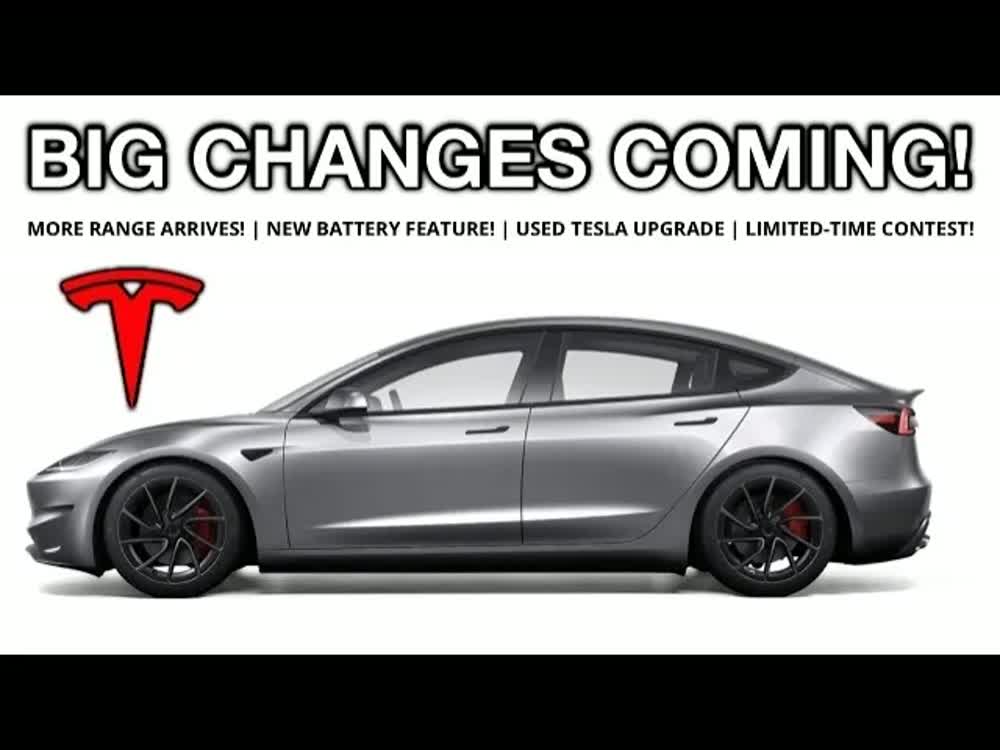
Consider the field. The Tesla Model S — now in its final model year and freshly hit with a $15,000 price hike — starts at $111,380 including destination. The BMW i4 opens around $58,000, and the Mercedes-Benz EQE sedan hovers near $75,000. A fully loaded ES 500e Luxury still lands below every one of them.
| 2026 electric sedan | Starting MSRP | EPA range | Peak DC charge | Drivetrain |
|---|
| Lexus ES 500e Premium AWD | $51,895 | 276 mi | 150 kW | Dual-motor AWD |
| Lexus ES 350e Premium FWD | $48,895 | 307 mi | 150 kW | Single-motor FWD |
| Tesla Model S (Long Range AWD) | $111,380 | 410 mi | 250 kW | Dual-motor AWD |
| BMW i4 eDrive40 | ~$58,000 | ~280–300 mi | 200 kW | RWD |
| Mercedes-Benz EQE sedan | ~$75,000 | ~270–300 mi | — | RWD/AWD |
Read that table closely and the ES 500e’s pitch snaps into focus: it gives up range and charging speed at the top of the chart, but it does so while costing roughly half what a Model S does. In a segment where badge and price have long been the story, Lexus is competing on the one axis Toyota has always owned — value.
The ES 500e doesn’t shout; it whispers. In a luxury-EV segment addicted to horsepower wars and 400-mile spec sheets, Lexus is betting that quiet is the new luxury.
Range and charging: the honest trade-offs
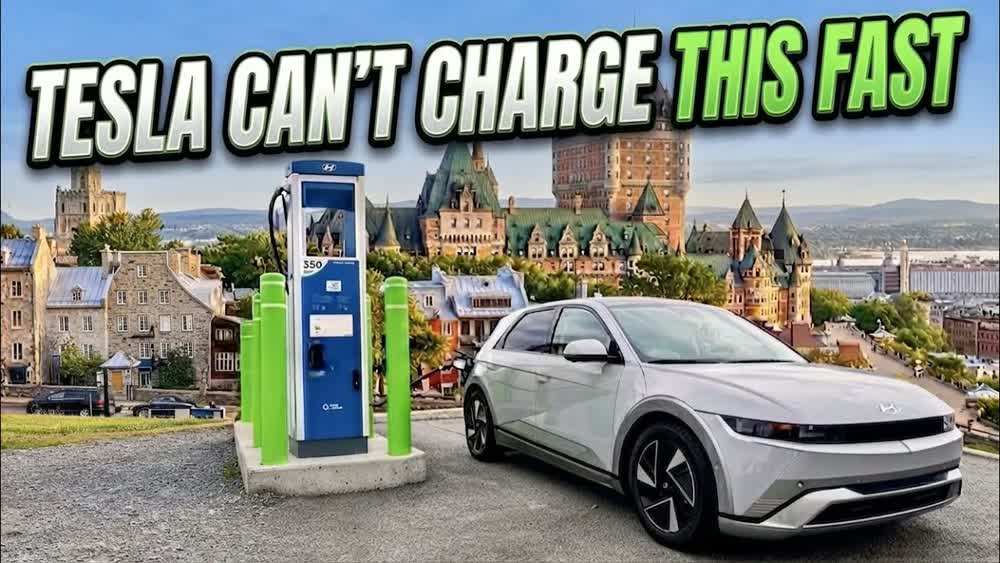
No amount of value spin hides the ES 500e’s two soft spots: range and charging. The dual-motor 500e’s 276-mile EPA rating trails the Model S (410 miles) by 134 miles and sits at the back of the luxury pack. And the ES charges at a maximum of just 150 kW on DC fast chargers — so if you pull up to a 350-kW stall, you will still only draw 150 kW. Lexus quotes a 10%-to-80% fast charge in about 28 minutes, adding roughly 8.4 miles of range per minute, which the reviewer notes is about on par with a BMW i5.
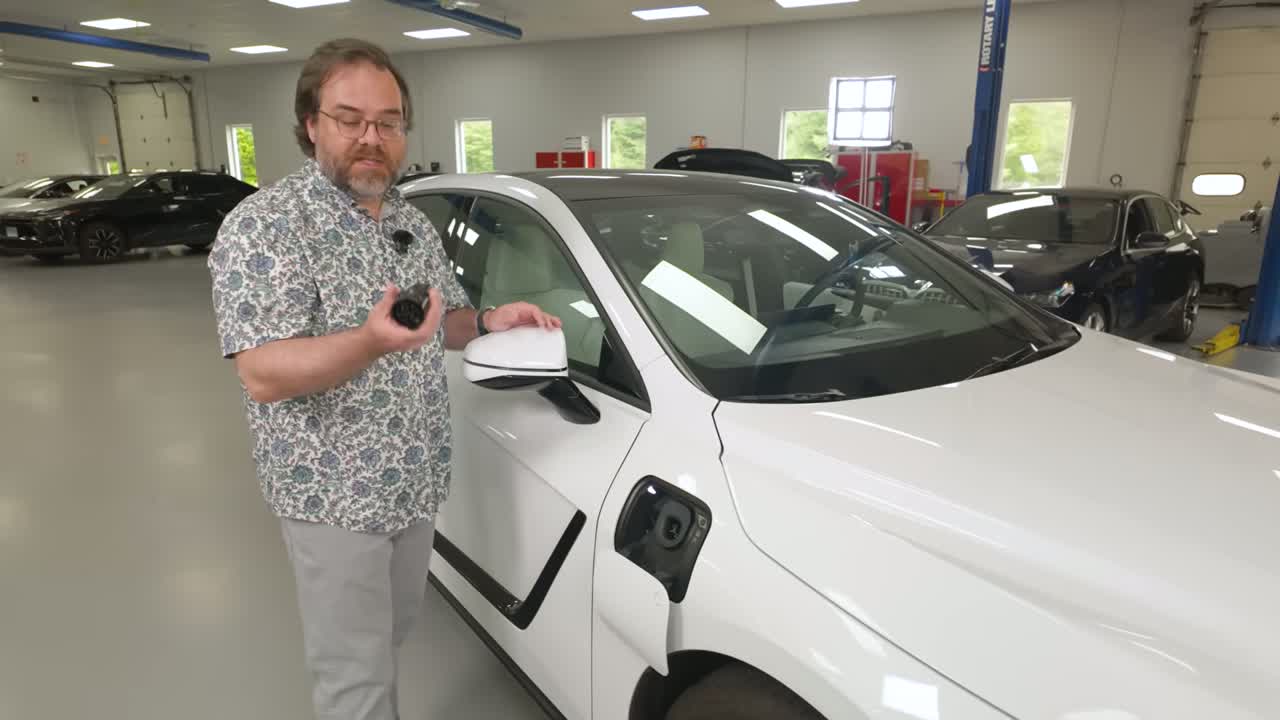
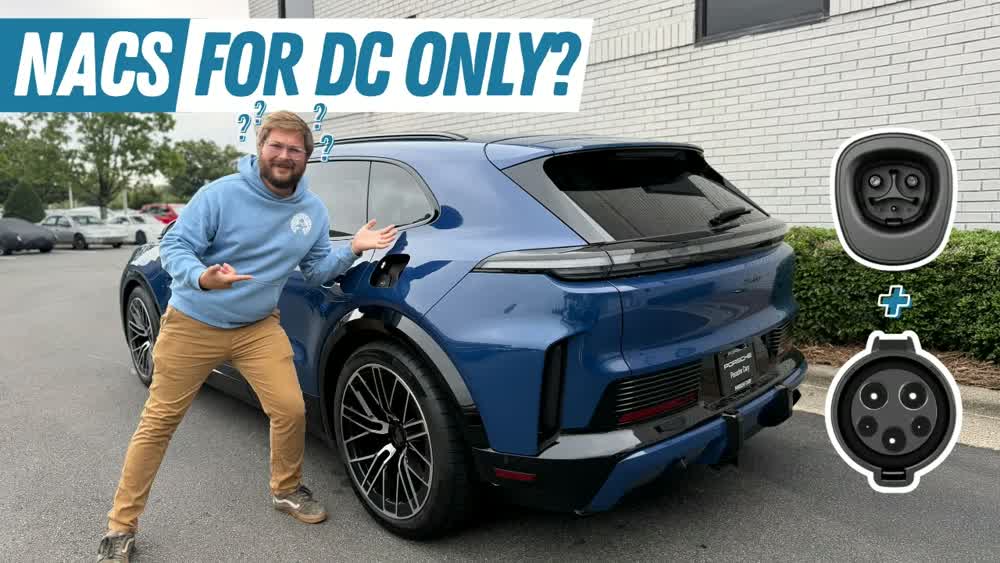
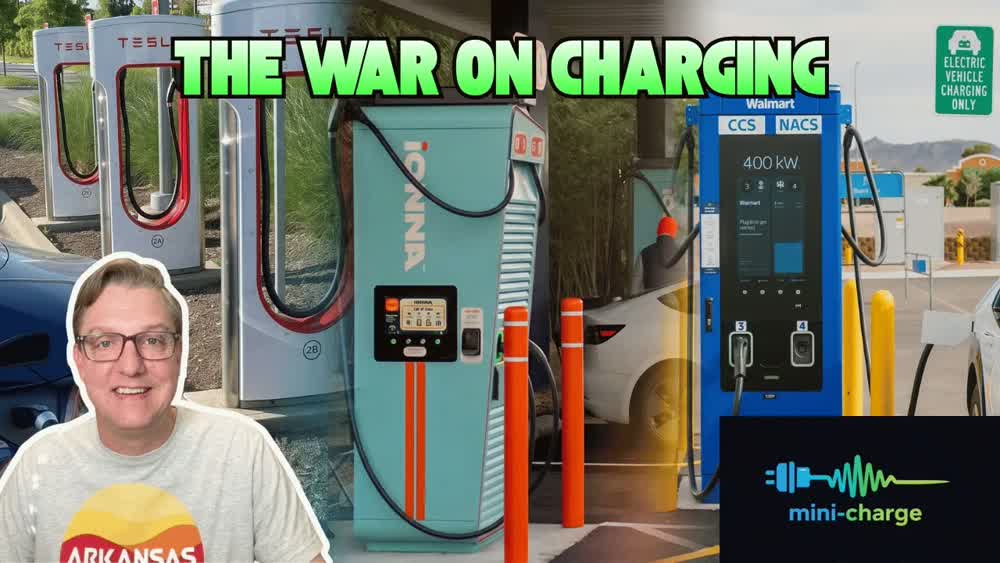
The good news for daily life: the ES uses a native NACS connector, so it plugs straight into Tesla Superchargers, and it ships with both a J1772 converter and a CCS adapter — opening access to more than 76,000 public stations. At home on Level 2, it draws up to 11 kW and adds 26 to 37 miles of range per hour. For most owners who charge overnight, the slow DC peak simply won’t come up often.
DC charging speed vs. class leaders
150 kW
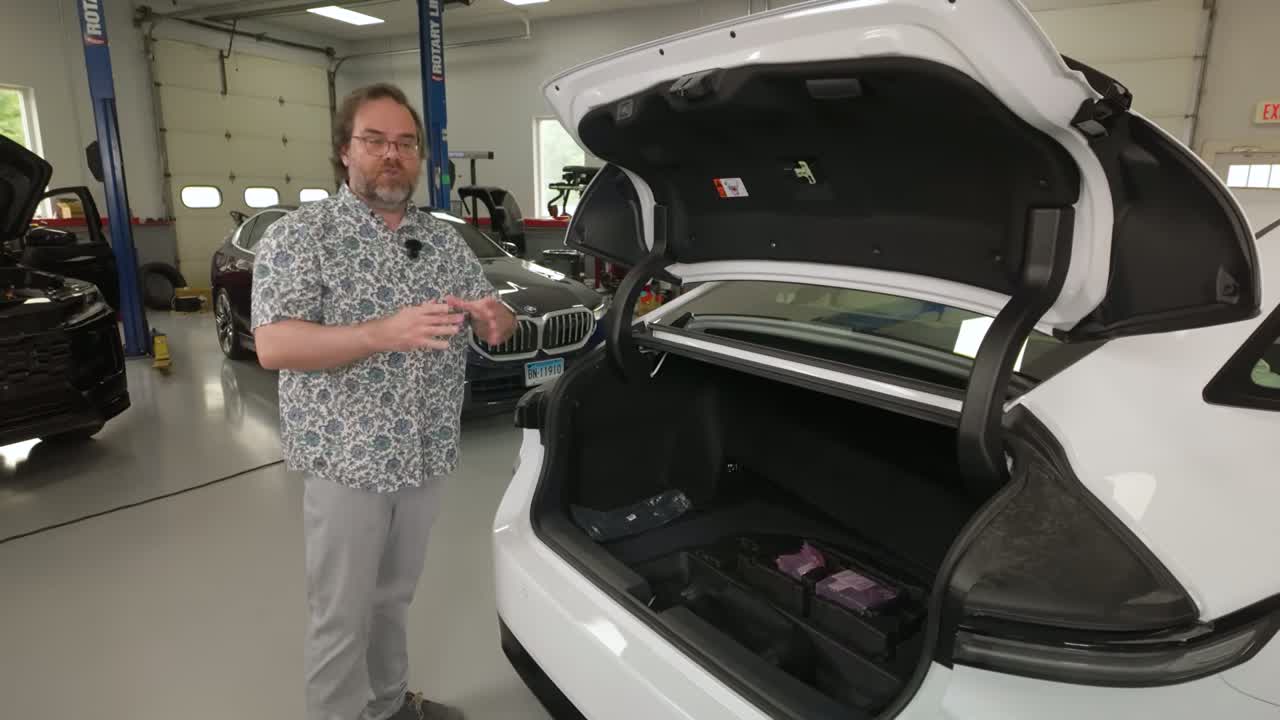
Put the charging math another way: the Model S peaks at 250 kW and the i4 at 200 kW, so the ES’s 150-kW ceiling is roughly 60% of the fastest rival in this comparison. It is the clearest engineering compromise in the car, and it stems from the ES sharing a platform with non-EV Lexus and Toyota models — the same reason it has no frunk.
What the money buys: comfort, quiet, and space
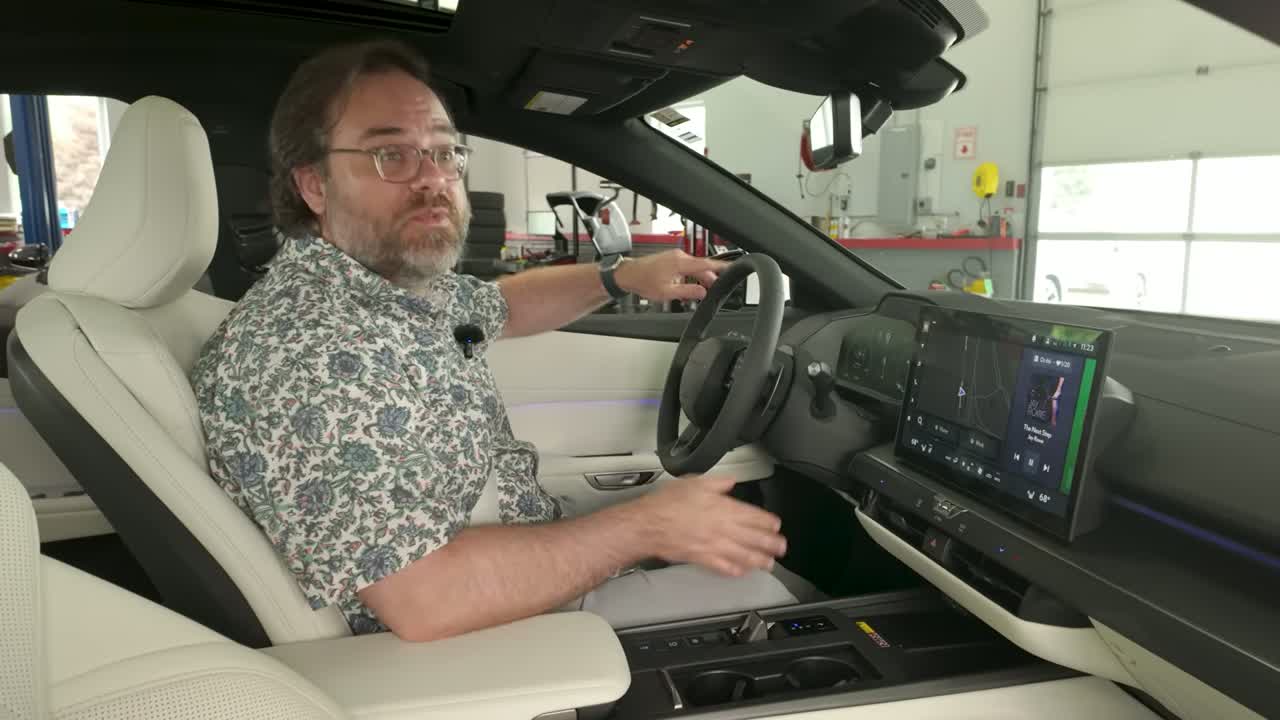
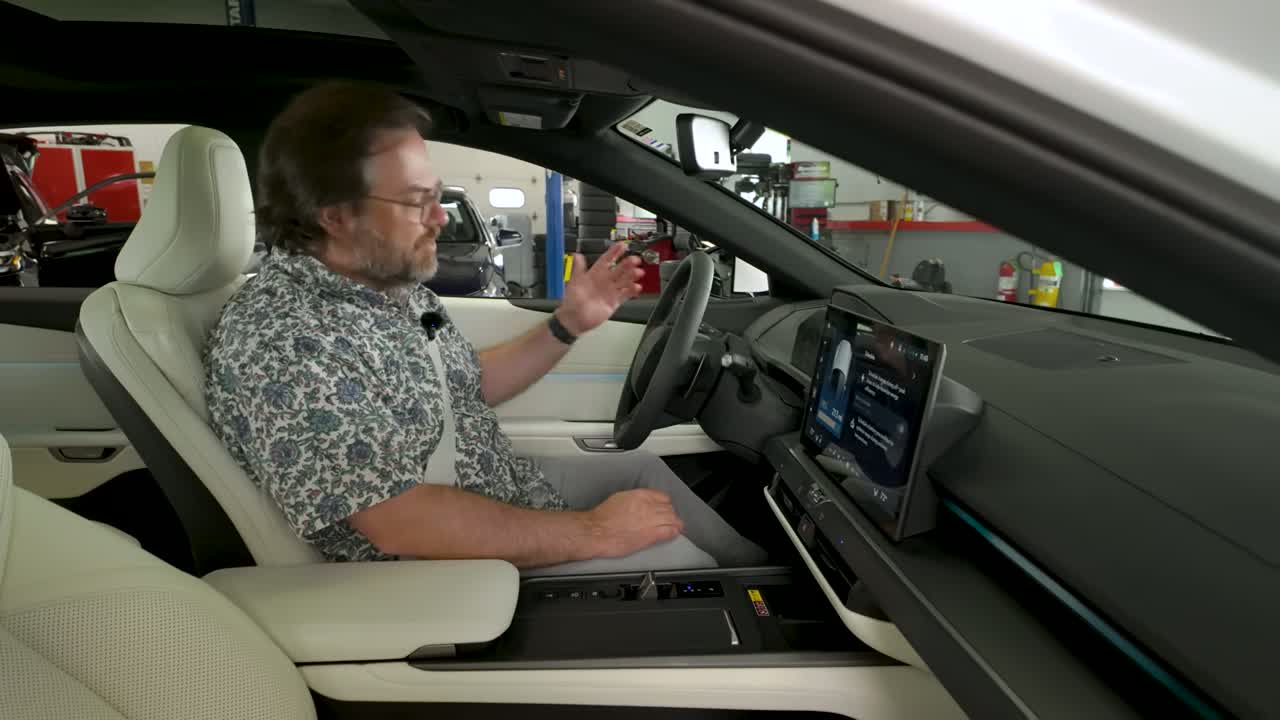
Where the ES 500e stops apologizing is refinement. With the LS flagship discontinued, Lexus stretched the ES by about 6.5 inches so a single car can fill two roles — and the payoff is limousine-grade rear legroom in a sedan. The reviewer calls it one of the quietest vehicles he has ever driven: no wind noise, no road noise, just the faintest hum from the powertrain. The suspension soaks up bumps without floating like a 1970s land yacht.
The dual-motor 500e delivers the instant, refined acceleration EV buyers expect, and the brakes are tuned unusually well for an EV — no grabbiness, no odd noises. There are quirks: the steering is a touch quick and isolated, there is no one-pedal driving (regen is adjusted via steering-wheel paddles instead), and a surround-view camera isn’t standard at this price. The 2026 ES is also the first Lexus to debut Lexus Safety System+ 4.0, with more polished adaptive cruise and lane-centering.
The US luxury-EV market it’s walking into
The timing is brutal — and that is exactly why the ES 500e’s pricing looks smart. After the $7,500 federal EV tax credit expired on September 30, 2025, US EV demand cratered. Cox Automotive pegged Q1 2026 US EV sales at 216,399 units, down 27% year over year, with EV penetration stuck near 5.8%. Tesla alone took 59.6% of the top-25 EV sales that quarter.
German luxury EVs have been hit hardest. In April 2026, BMW’s US EV registrations fell 49%, Mercedes dropped 59%, and Audi collapsed 83%, while Tesla’s share climbed past 51%. The one bright spot among legacy players was Toyota: its US EV registrations jumped 225% on the strength of the bZ lineup and the new C-HR EV, and Lexus rose 107%. The midsize luxury sedan sales table below shows just how thin this air is.
| US midsize luxury sedan | 2026 YTD sales | YoY change |
|---|
| BMW 5-Series | 5,489 | -26.6% |
| Lexus ES | 3,044 | -66.9% |
| Tesla Model S | 3,000 | 0.0% |
| Genesis G80 | 859 | -6.0% |
| Mercedes-Benz EQE sedan | 30 | -95.3% |
The Mercedes EQE’s near-total collapse — just 30 sedans sold year to date, a 95.3% drop — is the cautionary tale Lexus is trying to avoid. A dedicated luxury EV sedan can vanish overnight if the price-to-value story doesn’t land. By pricing the ES 500e in the low $50,000s rather than the mid-$70,000s, Lexus is aiming squarely at the gap the Germans left open.
Toyota’s broader EV strategy, decoded
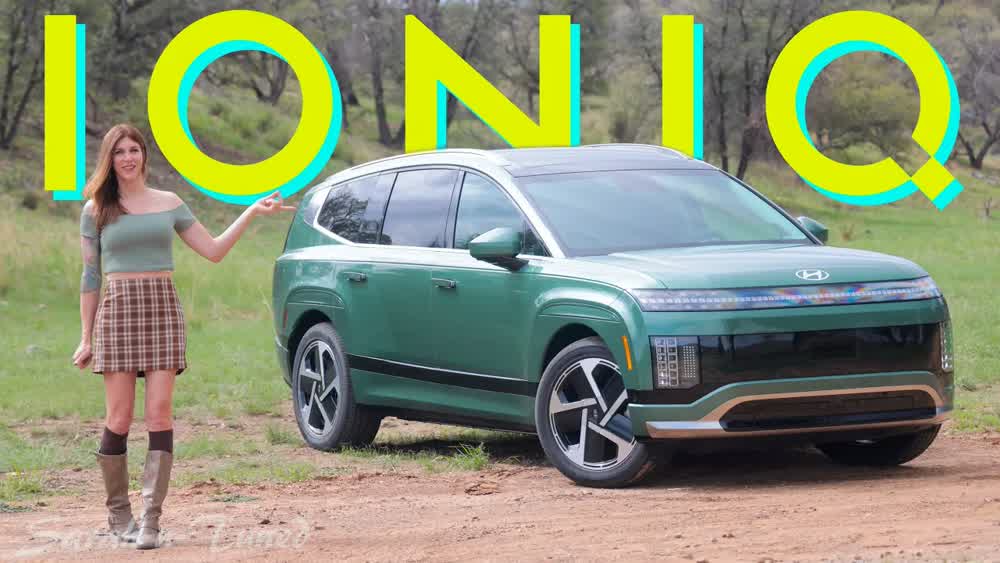
The ES 500e doesn’t stand alone. It sits inside a wider Toyota electrification push that now includes the bZ crossover — the No. 3 best-selling EV in the US in Q1 2026 with 10,029 units — and the new, cheaper C-HR EV. Lexus’s own RZ SUV posted a 206.7% year-over-year jump in Q1. The pattern is consistent: Toyota is entering pure EVs late, but it is entering with pragmatic pricing and its trademark reliability reputation as the wedge.
That’s the real bet behind the ES 500e. It isn’t the fastest EV, it doesn’t charge the quickest, and it doesn’t have the longest range. What it does — quiet, comfort, livability, and value — it does exceptionally well, and it does it in a US market that has suddenly rediscovered its appetite for cars that make financial sense.
FAQ: Is the 2026 Lexus ES 500e a good EV for road trips?
For comfort, yes — it is exceptionally quiet, rides beautifully, and has a native NACS port for Supercharger access. The caveats are its 276-mile EPA range and 150-kW DC charging ceiling, which mean more or longer stops than a Tesla Model S (410 miles, 250 kW). If most of your charging happens overnight at home and your trips are moderate, the trade-offs are easy to live with; if you routinely drive 500-plus-mile days, a longer-range rival may suit you better.
So here’s the question worth chewing on: would you trade 134 miles of range and Model S acceleration for a roughly $60,000 saving and near-silent comfort? Tell us where you land in the comments — value pragmatist or range maximalist?
Related reading on EVCUBE
Sources