Toyota’s redesigned 2026 C-HR is the quietly smart city EV most US shoppers never put on their shortlist — and in a market that just lost its $7,500 federal training wheels, that oversight is starting to look expensive.
Why “most Americans missed it” — and why that’s the point
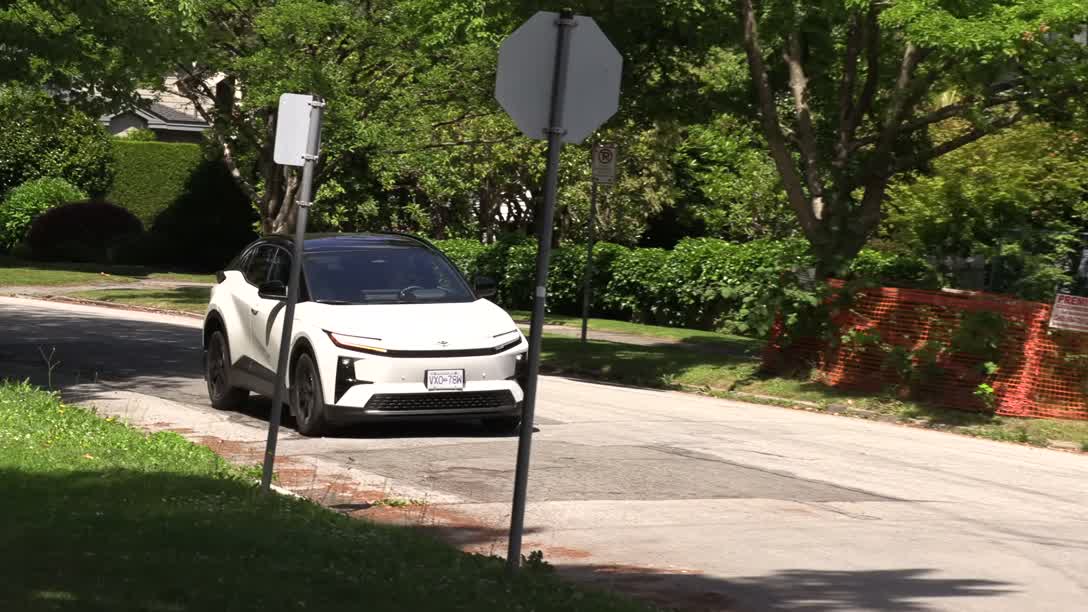
The 2026 Toyota C-HR returned to the US in March 2026 as a fully electric compact crossover, but it landed in the middle of the weirdest quarter the American EV market has seen in years. According to Cox Automotive’s Kelley Blue Book, US EV sales fell 27% year over year in Q1 2026 to just 216,399 units, and EV share of all new-vehicle sales slid to 5.8% — down from a 10.6% peak in Q3 2025. The trigger was blunt: the federal $7,500 clean-vehicle tax credit expired on September 30, 2025 and was not renewed.
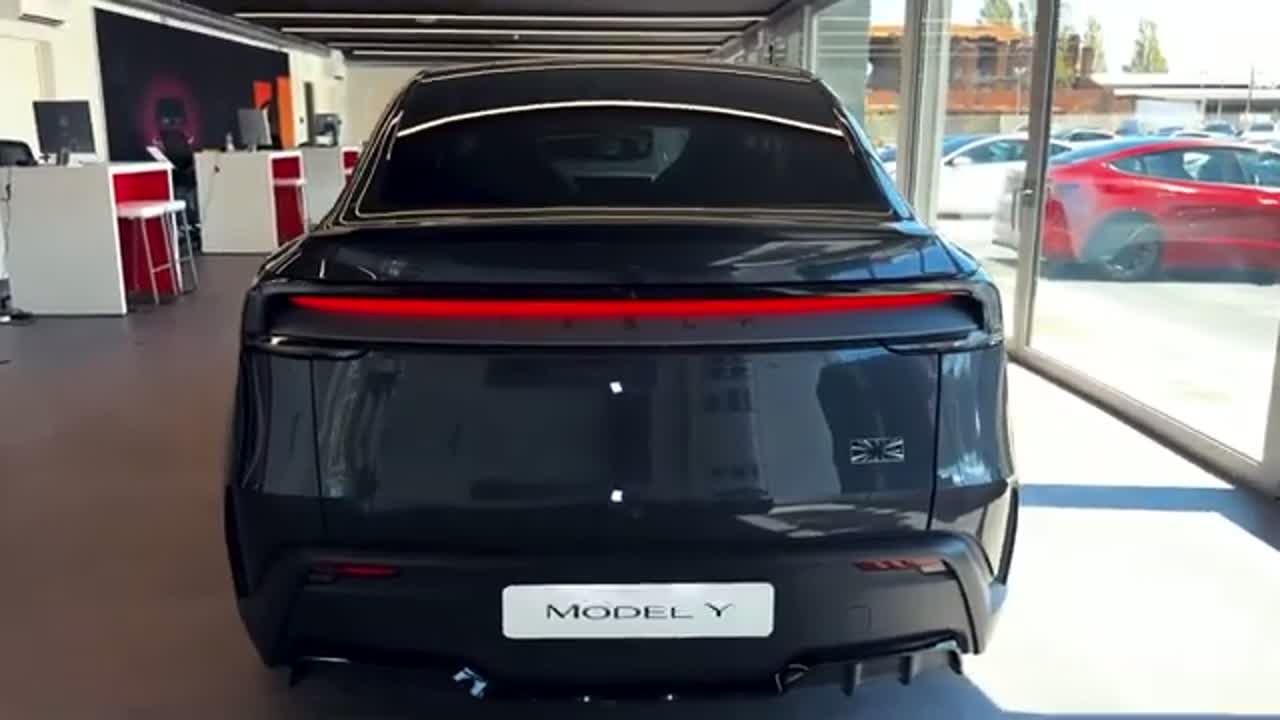
That context is exactly why the C-HR matters. With the subsidy gone, the game shifted from “which EV gets the biggest discount” to “which EV is genuinely good value at sticker.” The C-HR starts at $37,000 (MSRP; $38,450 including the $1,450 destination fee, per KBB) and comes standard with dual-motor all-wheel drive — a feature rivals charge extra for. Most Americans are still shopping the Tesla Model Y by muscle memory. A smaller, sharper crowd is quietly shopping this.
US EV market share, Q1 20265.8%
Tesla’s share of US EV sales, Q1 202654.2%

The numbers that actually matter
Toyota’s e-TNGA platform underpins the C-HR, and the spec sheet reads like a value argument. The single battery is a 74.7-kWh pack (a slightly smaller US-specific unit versus the 77-kWh international version, sourced from a different supplier), feeding dual motors for 338 combined horsepower and a manufacturer-estimated 4.9-second 0–60 mph run. EPA range is 287 miles on the SE with 18-inch wheels and 273 miles on the XSE with 20-inch wheels.
Put it next to the rest of the US field and the picture sharpens. The C-HR is not the range king — that’s still the Model Y — but it undercuts most rivals once you account for standard AWD.
| Model (2026, US) | Start price | EPA range (max) | Std AWD? | 0–60 mph | Peak DC charge |
|---|
| Toyota C-HR | $37,000 | 287 mi | Yes | 4.9 s | 150 kW |
| Hyundai Ioniq 5 | $35,000 | 318 mi | No (opt.) | 4.4 s (AWD) | ~235 kW (800V) |
| Tesla Model Y | $41,630 | 357 mi | No (opt.) | ~4.8 s | ~250 kW |
| Chevy Equinox EV | ~$34,000 | 319 mi | No | ~6.0 s | ~150 kW |
| Toyota bZ | $34,900 | 314 mi | No | ~6.2 s | 150 kW |
The takeaway is not that the C-HR wins on every axis. It’s that it wins on the two axes a city-and-suburb buyer feels every day: price floor and standard all-weather traction. You can’t buy a Leaf or a base Equinox with AWD at all, and adding AWD to an Ioniq 5 or Model Y pushes the price past the C-HR.
Real-world range and charging
Toyota quotes a 10–80% DC fast-charge time of about 30 minutes at up to 150 kW, with an 11-kW onboard charger for home (roughly 7–8 hours on a 240-volt outlet). It carries a NACS port, so Supercharger access is native, and it includes battery preconditioning plus Plug & Charge. That’s a competent but not class-leading charge curve — the Ioniq 5’s 800-volt architecture does 10–80% in around 20 minutes.
Range honesty matters more than the headline number. The C-HR’s 287 miles trails the Model Y’s 357, the Equinox EV’s 319, and the Ioniq 5’s 318. But against the global EV baseline it looks healthy: the IEA’s Global EV Outlook 2026 reports worldwide electric-car sales surpassed 20 million units in 2025 (up 20%, ~25% of new cars) and projects 23 million in 2026 (~28% of new cars). In that context, a 287-mile compact EV is squarely mainstream — and the US, at roughly 10% EV mix in 2025, is the laggard, not the leader.
C-HR SE EPA range vs Model Y max287 / 357 mi
What $37,000 actually buys you
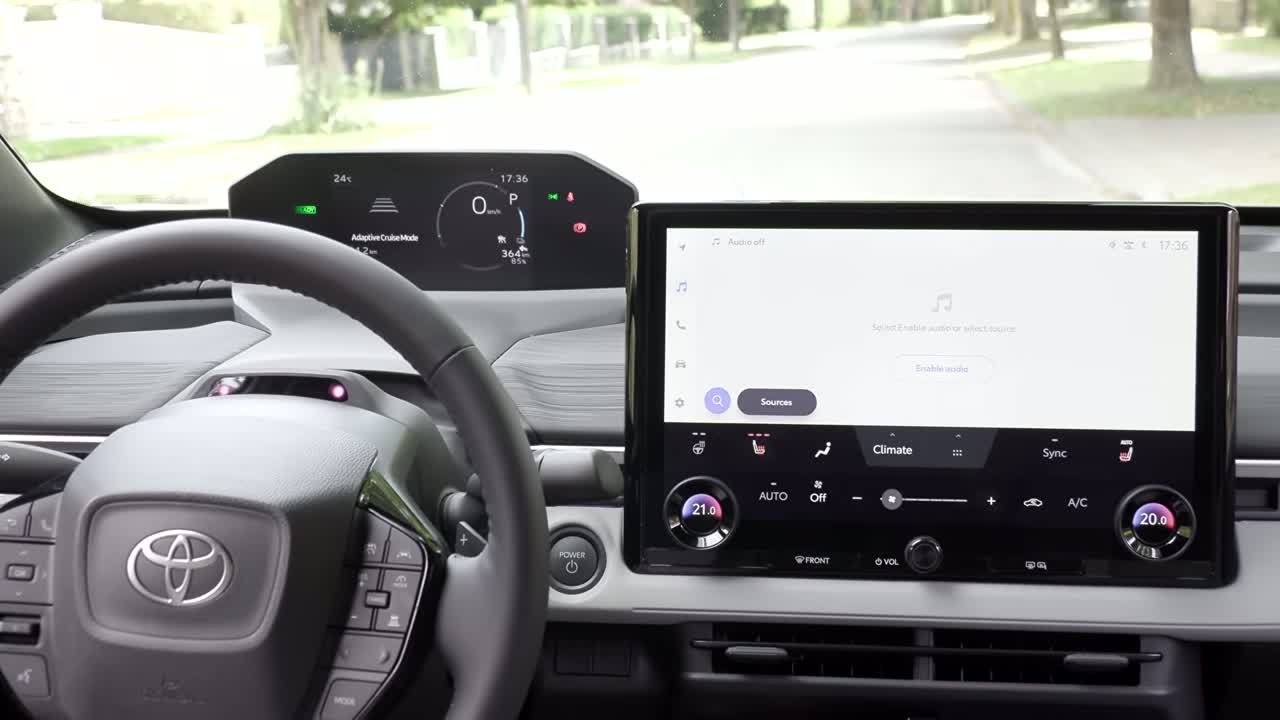
The base SE is unusually complete. Standard equipment includes a 7-inch digital driver display, a 14-inch touchscreen, wireless Apple CarPlay and Android Auto, a six-speaker audio system, dual wireless chargers, 64-color ambient lighting, cloth-and-SofTex upholstery, an 8-way power driver’s seat with lumbar, heated front seats, a heated steering wheel, a foot-activated power liftgate, and Toyota Safety Sense 3.0. Cargo is 25.3 cubic feet behind the rear seats and 59.5 cubic feet with them folded — on par with the larger Ioniq 5, per U.S. News.
Two details stand out. First, the high-mounted instrument cluster sits under the windshield line, which Toyota says cuts driver eye movement by 40%. Second, the cabin uses soft-touch materials the reviewers explicitly wished Toyota would put in the RAV4. For a $37,000 EV, that’s a quiet flex.
The two things Toyota got wrong
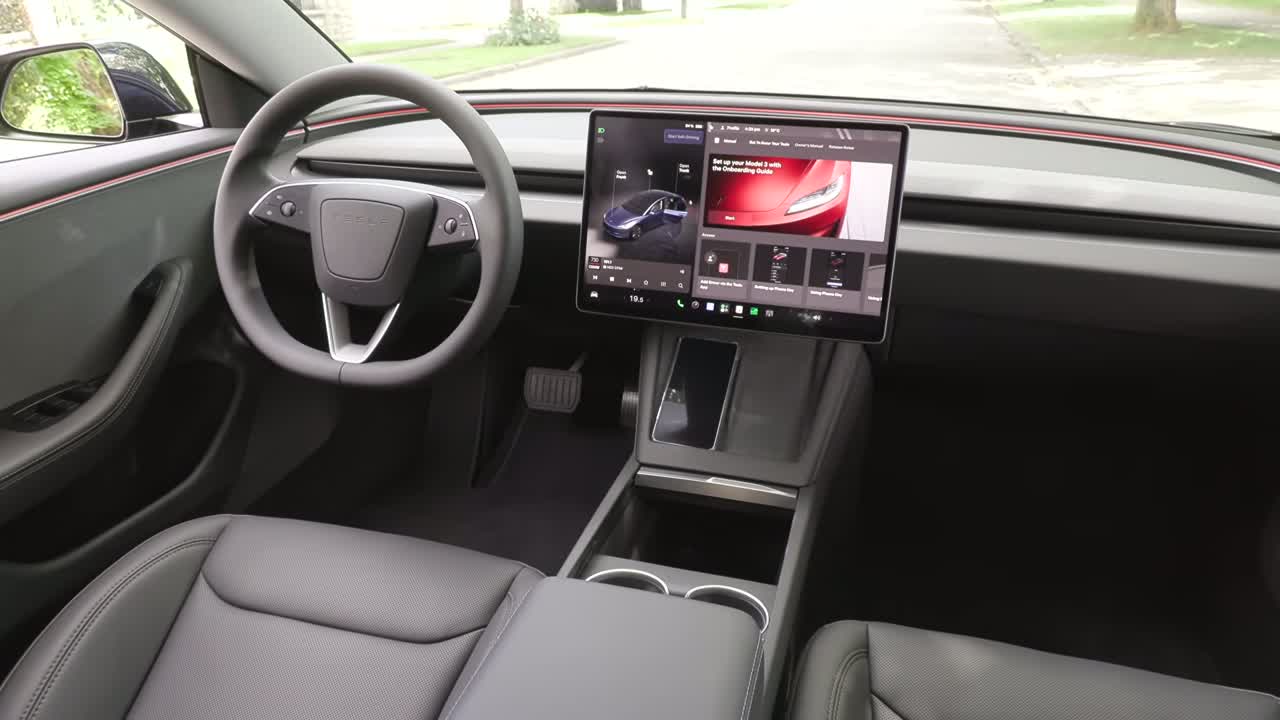
No car is flawless, and the C-HR has two real caveats US buyers should weigh. First, there is no native in-car route planning. The bZ4X can plan charge stops through Apple Maps; the C-HR can’t yet, and Toyota told reviewers there’s no ETA for adding it — Android users are out entirely for now. You can route through the Toyota app plus Apple Maps, but it’s a workaround, not a feature. In a Tesla, that capability is simply the car.
Second, and bigger for the wallet: there is no federal credit. The $7,500 incentive died on September 30, 2025, so the C-HR’s $37,000 is the real number. Canada softens the blow with up to ~CA$10,000 in combined incentives on lower trims, but US buyers get no such relief. In a post-subsidy market, that makes the C-HR’s low starting price the whole story — which, to Toyota’s credit, is a strong one.
C-HR vs its Subaru twin: the Uncharted
The C-HR shares its platform with the Subaru Uncharted, and the comparison is less about hardware than about taste and deal. The Uncharted gets ventilated front seats the Toyota doesn’t, plus a pixelated light signature some reviewers prefer. Subaru offers a $5,000 customer incentive — but cash only. Toyota’s equivalent incentive, where available, spans cash, lease, and financing. As the Motormouth hosts put it, “whoever’s got the better deal that month is going to win that battle.”
Toyota didn’t launch a crossover. It launched the argument that you don’t need one — a 338-hp, all-wheel-drive city EV that parks anywhere and punches above its price.
The bigger signal: Toyota is quietly climbing
Step back from the single model and a trend emerges. Cox Automotive notes that in Q1 2026 — a quarter when most legacy automakers saw EV sales drop 60% to 70% — Toyota and Lexus both posted year-over-year EV growth. The refreshed Toyota bZ hit 10,029 units (+79% YoY), finishing as the #3 best-selling EV in America behind only Tesla’s two nameplates. The C-HR extends that momentum into the affordable, AWD-standard segment. In a market that just lost its $7,500 crutch, Toyota arrived already walking without it.

FAQ: Is the 2026 Toyota C-HR eligible for the federal $7,500 EV tax credit?
No. The federal clean-vehicle tax credit expired on September 30, 2025 and was not renewed, so US buyers pay full MSRP. The C-HR starts at $37,000 (about $38,450 with destination). Canadian buyers, by contrast, can stack customer incentives and a federal rebate worth up to roughly CA$10,000 on lower trims.
FAQ: How does the C-HR’s range compare with the Tesla Model Y and Hyundai Ioniq 5?
The C-HR tops out at 287 miles (SE, 18-in wheels) versus 357 miles for the longest-range Model Y and 318 miles for the longest-range Ioniq 5. It beats the Nissan Leaf (303) on paper but trails the segment leaders on absolute range — while undercutting most on price once standard AWD is factored in.
FAQ: Can the C-HR plan charging stops on a road trip?
Not natively. Unlike the bZ4X, the C-HR lacks in-car route planning and doesn’t yet support Apple Maps EV routing; Android routing isn’t available at all. You can plan via the Toyota app plus Apple Maps as a workaround. Toyota says it’s working on a fix but gave no timeline as of the review.
Related reading on EVCUBE