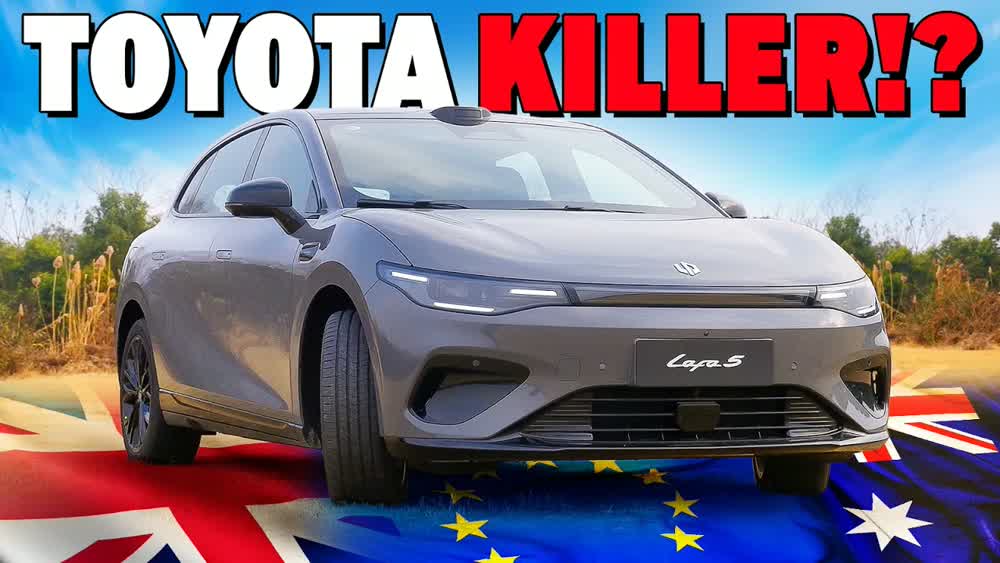
Toyota is no longer the EV skeptic it was two years ago — but the gap between its announced technology and the cars Americans can actually buy is still wide. Here is what is real, what is promise, and why “rattling Tesla and BYD” is a stretch for now.
The headline is louder than the numbers
The YouTube channel that sparked this discussion frames Toyota’s latest EV moves as something that has “shocked the industry” and threatens to upend Tesla and BYD. In 2025 Toyota sold about 199,000 battery-electric vehicles worldwide, up a healthy 42% year over year, yet still only about 2.5% of the global BEV market (Electrek’s 2025 maker ranking puts Toyota 14th, behind NIO). BYD sold 2.26 million BEVs in 2025 and Tesla delivered about 1.64 million. Toyota is not rattling them today; it is roughly a tenth of BYD’s pure-EV volume.
What Toyota does have is scale of a different kind. The group moved 11.32 million vehicles in 2025 to remain the world’s best-selling automaker, and its hybrids — 5.09 million HEVs — are a franchise none of the pure-play EV makers can match. The interesting question is not “has Toyota won?” but “is the company finally building the BEV foundation that lets it compete?” The honest answer is mixed, and depends entirely on which claims you count as confirmed versus promised.
What is actually new: the 2026 bZ platform
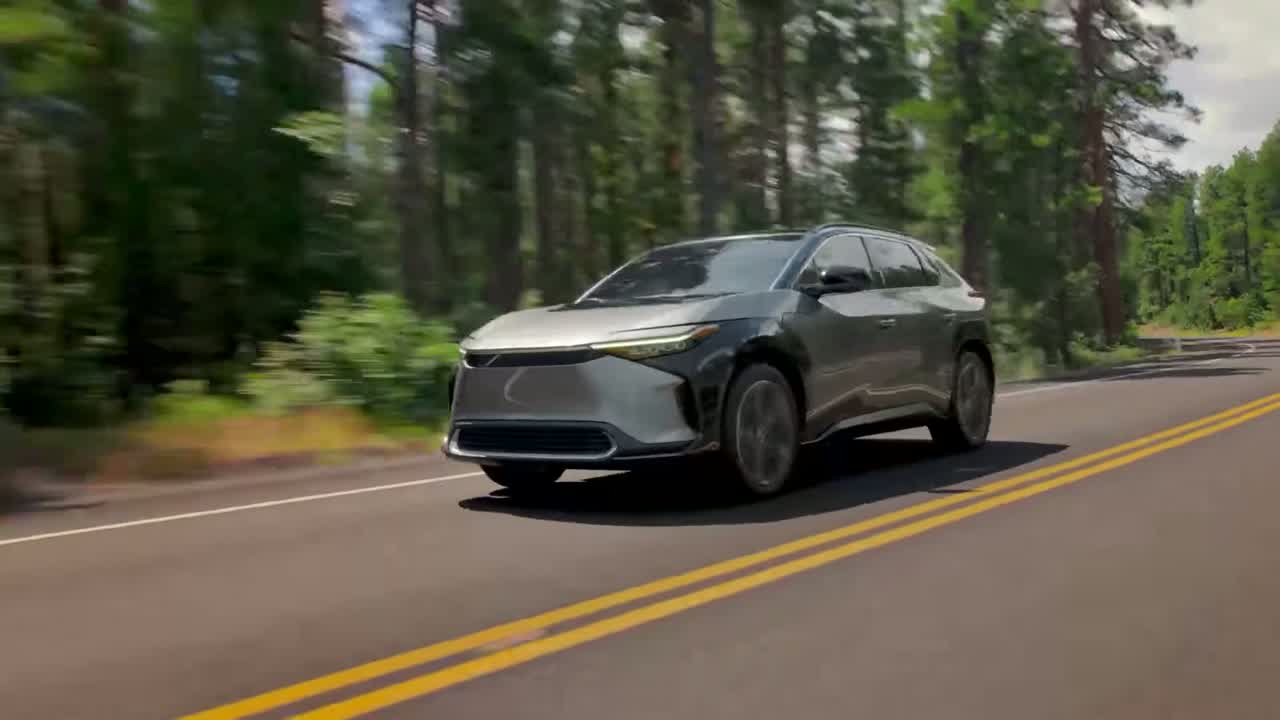
This part is real and on sale. The bZ4X Touring rides on Toyota’s upgraded e-TNGA platform, and the broader 2026 bZ line (the bZ4X renamed for the U.S.) is a genuine step up from the much-criticized 2023 launch. Toyota’s European press pack confirms the upgrades:
- A bigger 74.7 kWh lithium-ion pack (up from ~71 kWh), available in 57.7 and 73.1 kWh flavors in Europe.
- U.S. EPA range up to 314 miles on the front-wheel-drive bZ, and 288 miles on the AWD version.
- Power rises to 221 hp (FWD) and 338 hp (AWD), with 0–60 mph in a claimed 4.9 seconds for AWD.
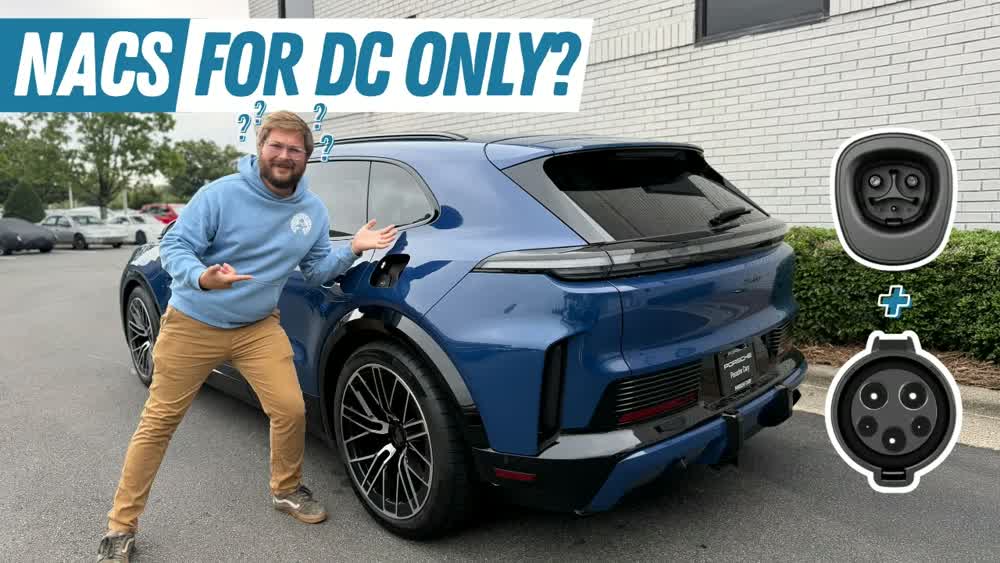
- DC fast charging 10–80% in about 30 minutes, now on the NACS connector with Plug & Charge — a real win for U.S. buyers who can use Superchargers.
- A 14-inch screen, silicon-carbide eAxles, and a battery warranty promising 70% capacity to 650,000 miles or 10 years.

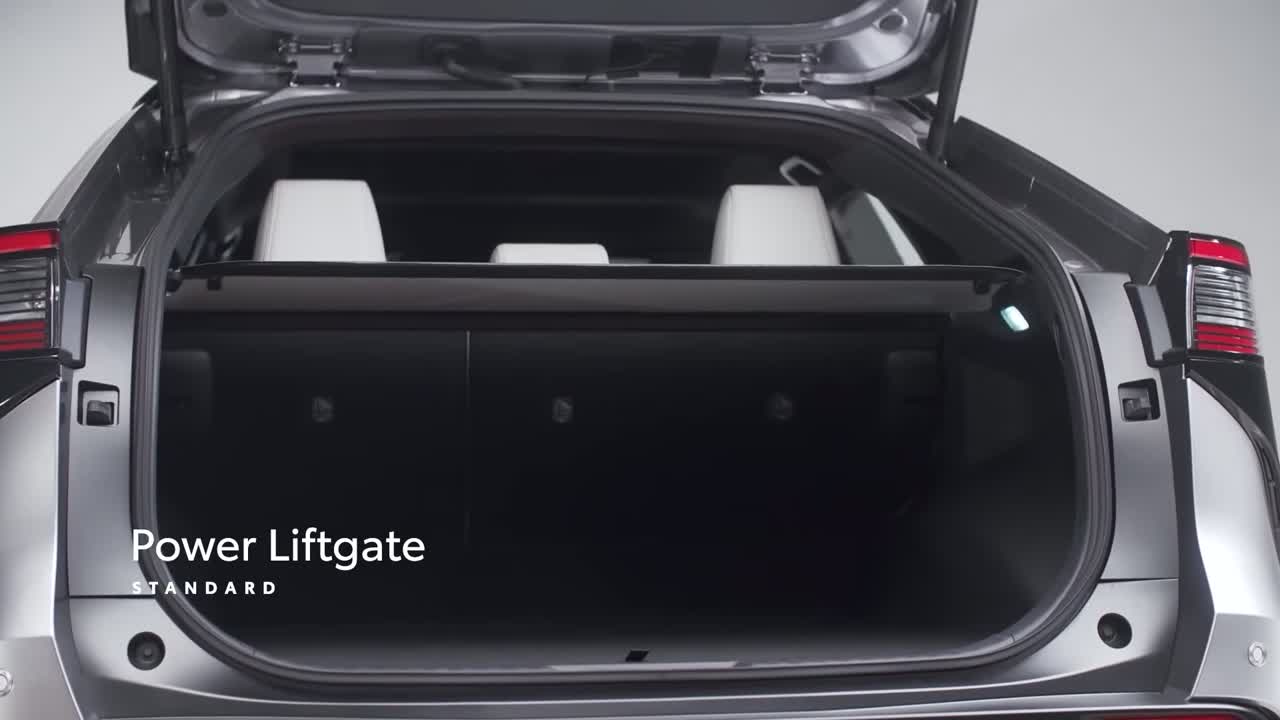
The bZ4X Touring itself, launched in Japan on February 25, 2026, adds roughly 1.4x the luggage space of the standard model (619 L) and a class-leading 734 km WLTC range for the Japanese Z grade. The channel’s ~$37,000 starting-price figure lines up with where the U.S. bZ lands, which undercuts a base Tesla Model Y.
Toyota vs. Tesla vs. BYD, on paper
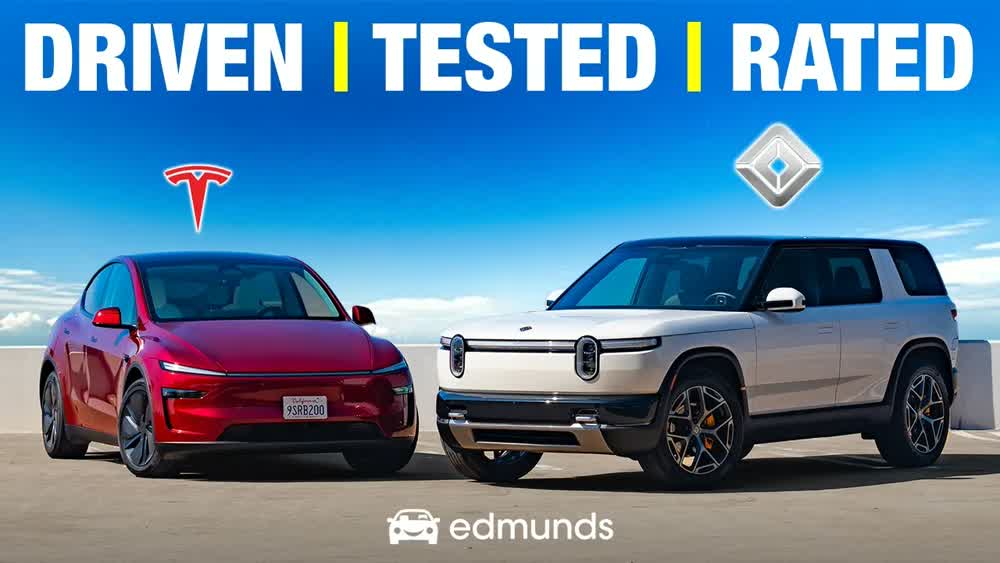
For U.S. shoppers the comparison is lopsided in one important way: BYD does not sell passenger EVs in the United States, so its threat here is strategic, not showroom-level. The table below compares the Toyota bZ with the car it is most often measured against.
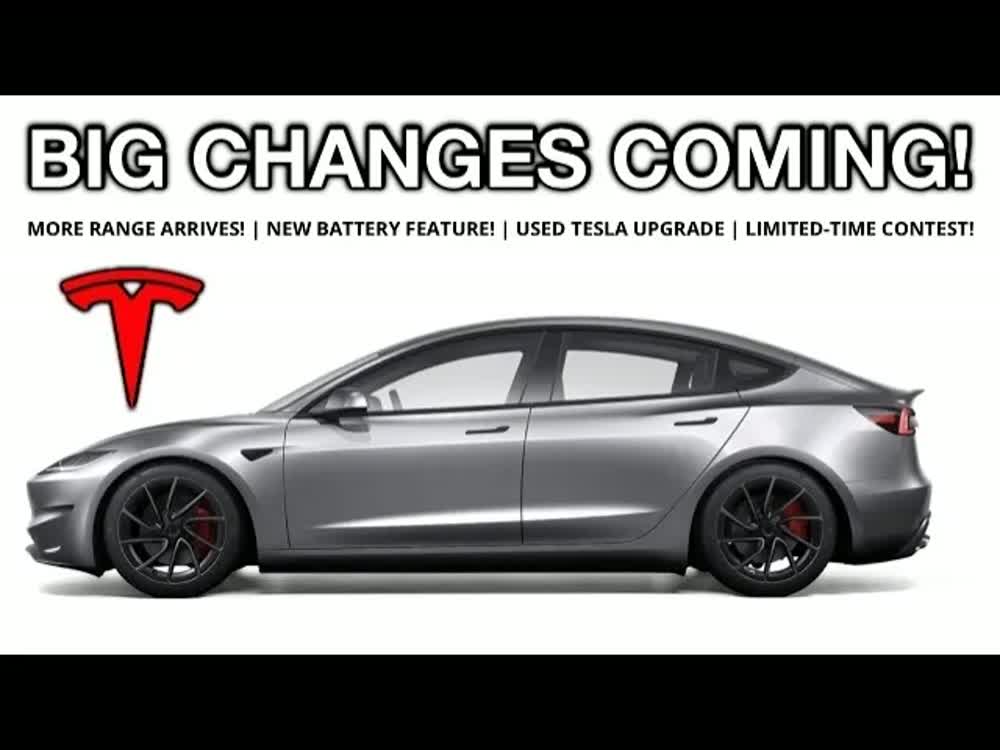
| Metric | Toyota bZ / bZ4X Touring | Tesla Model Y | BYD (global) |
|---|
| 2025 BEV volume | ~199,000 (group) | ~1.64 million | 2.26 million |
| Top range (certified) | 314 mi EPA / 734 km WLTC (Touring) | ~337 mi EPA (2026 RWD) | Up to ~1,000 km CLTC on flagship packs |
| Peak power | 338 hp (AWD) | ~296 hp (AWD) | Varies by model |
| 10–80% charge | ~30 min | ~27 min (Supercharger) | ~30 min on 800V cars |
| Charging network | NACS / Supercharger access | Own Supercharger net | Built per-region; no U.S. sales |
| Starting price (approx.) | ~$37,000 | ~$44,990 | ~$37k equivalent in Europe |
The takeaway: Toyota now matches Tesla and BYD on the specs that matter to families — range, charging time, price — while adding the dealer and service network BYD lacks in the U.S. But specs are not market share.
The solid-state battery: promise, not product
This is where the hype runs furthest ahead of reality. Toyota has publicly targeted a first solid-state BEV between 2027 and 2028, with a stated ~1,000 km (621 mi) range and a 10-minute 10–80% charge for the first generation, and a 1,200 km goal for the second. The chemistry story is real: Toyota and Idemitsu Kosan are building a sulfide electrolyte supply chain (Idemitsu’s 1,000-tonne-per-year plant is due around 2027), and Japan’s METI has approved a production plan aiming for roughly 9–10 GWh of capacity by 2030.
But read the fine print. The 2027–2028 car is expected to be a Lexus flagship built in limited numbers, not a Corolla you can buy. Costs are still quoted around $150–200 per kWh versus roughly $108 for today’s mainstream packs, with a target of under $100 only by 2030. Toyota is also not alone: Mercedes-Benz put a solid-state prototype (EQS) over 1,200 km in early 2025 testing, BMW and Volkswagen target the early 2030s. Our earlier breakdown of Toyota’s 1,000 km solid-state claim explains what it would mean for U.S. drivers — and how much of it is still on the drawing board.
Solid-state: lab to mass market (2026)
Toyota share of 2025 global BEV market
Gigacasting and the manufacturing bet
Toyota’s quieter advantage is how it builds cars. The company demonstrated its own “gigapress” at its Myochi plant, casting the rear third of a chassis in about 3 minutes — replacing 86 parts and 33 steps that previously took hours. Toyota plans to split future EV bodies into three sections and gigacast the front and rear, alongside self-propelled assembly lines and digital-twin tracking. A 9,000-ton Ube Machinery press at its Aichi plant is earmarked for the 2026 Lexus LF-ZC.
The catch: this is still largely prototype and low-volume work. Tesla has been gigacasting at scale for years, and Toyota says only about 1.7 million of its 3.5-million-unit 2030 EV target would use the new process. The Shanghai Lexus plant — wholly foreign-owned, ~100,000 units at start, up to 500,000 planned — will carry the gigacasting know-how into China from 2027.
The real threat to Tesla and BYD is scale, not specs
If Toyota eventually pressures the leaders, it will not be with a single hero car. It will be scale: 11 million annual sales and a supplier network that spreads battery and platform costs across dozens of models. The $7,500 U.S. federal EV credit expired on September 30, 2025, which actually helps Toyota: its value story rests on price and reliability, not on a subsidy shoppers no longer get. As we noted in our look at how China’s factory boom shapes U.S. EV buyers, Toyota’s global footprint is the buffer BYD lacks on American soil.
For U.S. buyers, the practical takeaway is simple: the 2026 bZ is a credible, fairly priced, Supercharger-compatible EV with a strong warranty. If you want electrified Toyota without waiting for solid-state, our 2026 RAV4 plug-in hybrid review covers the smarter near-term buy.
Bottom line
Toyota’s EV tech push is genuine and accelerating, but “rattling Tesla and BYD” overstates where things stand in 2026. Confirmed: a much improved bZ platform, NACS access, and real manufacturing innovation. Promised: solid-state batteries at mass scale and a 3.5-million-unit EV year. The company is late, not absent — and its scale means it cannot be ignored. But today the EV race is still Tesla’s and BYD’s to lose.
Is Toyota’s solid-state battery available now?
No. Toyota targets a first solid-state BEV between 2027 and 2028, starting with a low-volume Lexus flagship. Mass-market and cost parity (under $100/kWh) are framed as 2030 goals, not current products.
Does the 2026 Toyota bZ qualify for the U.S. federal EV tax credit?
No. The $7,500 federal clean-vehicle credit expired on September 30, 2025. The bZ’s value case rests on its ~$37,000 starting price, NACS Supercharger access, and warranty rather than a point-of-sale credit.
Can I buy a BYD in the United States?
Not as a passenger EV. BYD does not sell cars to U.S. retail consumers, so its competitive pressure on Toyota and Tesla in America is strategic (pricing, supply chains, global volume) rather than direct showroom competition.
Sources: Toyota global newsroom & European press pack (bZ4X/bZ specs, 74.7 kWh, 314 mi EPA, NACS, 14-in screen, 650k-mi battery warranty); Toyota bZ4X Touring launch release, Feb 25 2026 (619 L cargo, 734 km WLTC, 4.5s AWD); Morningstar/Dow Jones (Toyota 11.32M 2025 sales, ~199,000 BEVs, +42% YoY); CarNewsChina / Electrek 2025 rankings (BYD 2.26M BEVs, Tesla ~1.64M, Toyota 14th); Toyota & Idemitsu/METI solid-state roadmap (2027–2028 first car, ~1,000 km, 10-min charge, 9–10 GWh by 2030); Carscoops & U-Car (gigapress, 3-min cast, 86 parts, 9,000-ton Aichi press, 1.7M of 3.5M 2030 target); Axis Intelligence Electric Car Statistics 2026 ($108/kWh packs, EPA vs WLTP vs CLTC gaps).