For American buyers who like the idea of an electric car but balk at charging on road trips, the 2026 Toyota RAV4 Plug-In Hybrid promises the best of both worlds: 52 miles of EV commuting on a charge, then a gas engine that erases range anxiety. The real question isn’t whether it’s clever — it’s whether the math beats just buying a Tesla Model Y or Hyundai Ioniq 5.
The PHEV-vs-EV decision American buyers are actually facing
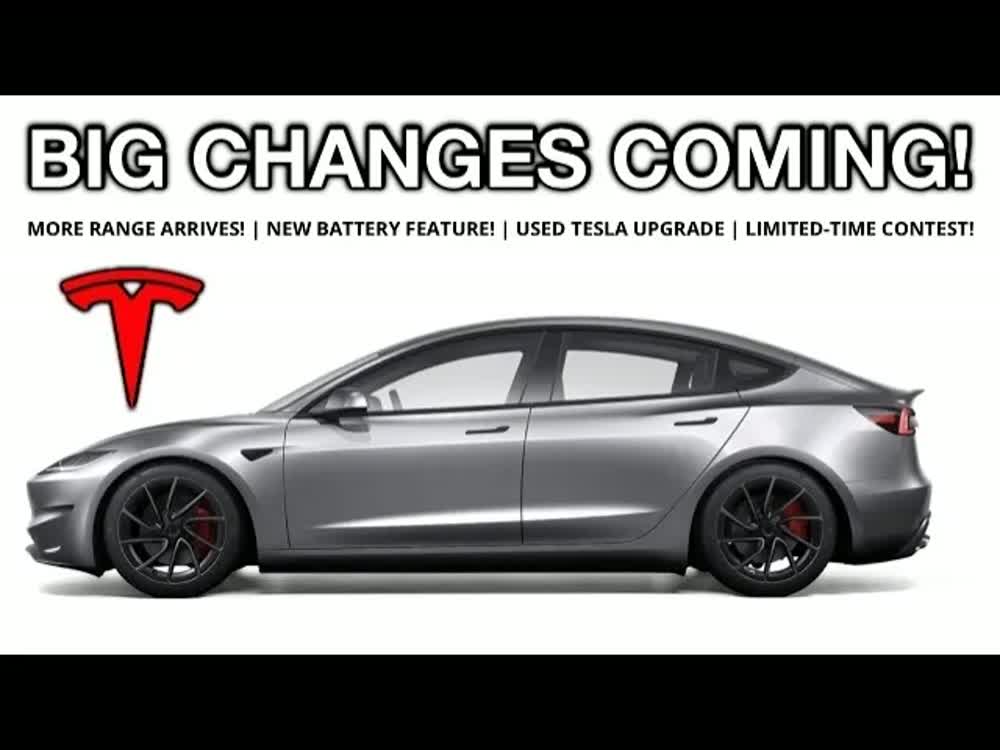
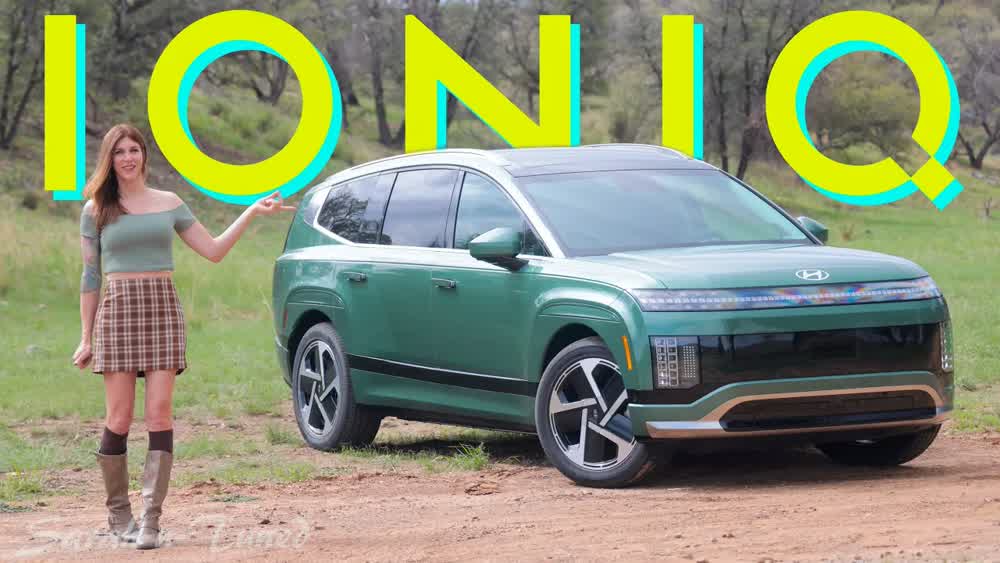
For years, the pitch for a plug-in hybrid was simple: drive electric around town, keep the engine for the rare long trip. In 2026 that pitch collides with two new realities. Full EVs like the Tesla Model Y and Hyundai Ioniq 5 now offer 300+ miles of range and 20-minute fast charges, so the “EV for trips” excuse is weaker. And the federal $7,500 tax credit that used to sweeten both EVs and PHEVs expired on September 30, 2025, so every buyer now pays closer to full sticker. That reset makes a direct, number-for-number comparison more important than ever.
The 2026 RAV4 Plug-In Hybrid (Toyota dropped the “Prime” name but kept the 324-horsepower sixth-generation PHEV system) is the most serious plug-in Toyota has built. Its 22.7-kWh lithium-ion pack delivers an EPA-estimated 52 miles of electric range on SE and XSE trims — up from 42 on the old Prime. The Woodland gets 49 miles; the new GR Sport gets 48. Those are manufacturer-estimated figures, but they land on the daily-driving sweet spot.

What 52 miles of electric range really buys you
The average American commute runs roughly 30 miles round trip. A 52-mile electric rating means most owners can drive to work and back, five days a week, on battery alone — plugging in overnight on a Level 2 (240V) charger, which Toyota says refills the pack in about 2.5 hours. That is the entire use case the RAV4 PHEV is built around: weekday driving costs pennies per mile in electricity, and you visit a gas station only on vacation.
That is also exactly where a full EV asks for more compromise. A Model Y or Ioniq 5 covers the commute too, but it demands reliable home charging or a public network you trust. If you rent, live in an apartment, or do regular 200-mile weekend trips, the RAV4’s engine means you simply drive — no charger hunting, no 20-minute stops, no “is the stall working today?” anxiety. The trade-off is hauling a gas engine and a smaller battery everywhere you go.
The numbers: 2026 RAV4 Plug-In Hybrid vs a full EV
Strip away the marketing and the comparison comes down to four columns: price, electric reach, total reach, and charging. Here is how the RAV4 PHEV lines up against the two EVs most American shoppers cross-shop.
| Spec | 2026 RAV4 Plug-In Hybrid (SE/XSE) | 2026 Tesla Model Y (Premium RWD) | 2026 Hyundai Ioniq 5 (SE RWD) |
|---|
| Starting MSRP | $41,500 | ~$45,990 | $36,600 |
| EPA electric range | 52 mi | 357 mi | 318 mi |
| Total range (EV + gas) | ~580-600 mi | 357 mi | 318 mi |
| Efficiency | up to 102 MPGe / 40 MPG | 134 MPGe | up to ~114 MPGe |
| 0-60 mph | 5.4 sec | 5.4 sec | ~5 sec (AWD) |
| Peak DC charge | ~30 min (10-80%, XSE/Woodland only) | 250 kW, ~27 min (10-80%) | 350 kW, ~18-20 min (10-80%) |
| Home charge (Level 2) | ~2.5 hrs | overnight | overnight |
| Federal tax credit (2026) | None | None | None |
Where the PHEV wins: total range and refueling freedom
This is the column where the RAV4 PHEV is untouchable. With 52 miles of electric range plus a gas tank for backup, total driving range lands around 580-600 miles before you need either a plug or a pump. A Model Y tops out near 357 miles, an Ioniq 5 near 318 — and when either hits zero, you are looking for a charger, not a gas station. For anyone who regularly drives beyond an EV’s single-charge radius, the RAV4’s engine is the difference between “plan the trip around chargers” and “just go.”
Toyota also made the plug-in usable on the road. The XSE and Woodland grades add an 11-kW onboard AC charger with CCS1 DC fast charging, taking the pack from 10% to 80% in about 30 minutes — roughly a coffee stop. That was unheard of on the old Prime, and it quietly closes the convenience gap with a full EV for the occasional fast-charge stop.
Where the full EV still leads: pure-electric miles and charging speed
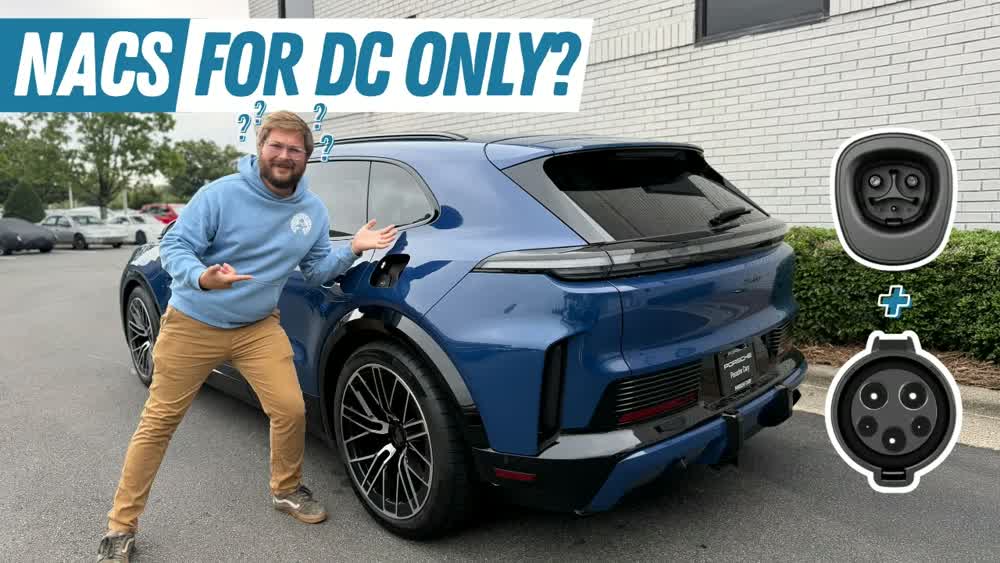
If your life already fits an EV — home charger, predictable local driving, occasional trips you’re happy to plan — the full EV wins on efficiency and simplicity. The Model Y’s 357-mile rating and 134 MPGe combined mean fewer charging sessions and, per mile, lower running costs than any hybrid. The Ioniq 5’s 800-volt architecture pulls 350 kW, refilling 10-80% in under 20 minutes, the fastest plug stop of the three. Both now ship with native NACS ports, so Supercharger access is a non-issue in 2026.
The catch is the one the RAV4 PHEV was built to exploit: the moment your plans exceed the battery, the EV’s advantage shrinks to a charging stop you didn’t have to make. A fine trade for many Americans — but not all.
The tax-credit reset that quietly changed the math
Before September 30, 2025, a qualifying plug-in hybrid could claim up to $7,500 at the federal level, the same as a full EV (regular hybrids never qualified). That credit narrowed the price gap and made “just lease an EV” a compelling default. The One Big Beautiful Bill Act ended it: per IRS guidance and Consumer Reports, the federal clean-vehicle credit expired for both EVs and PHEVs purchased after that date. Only buyers with a binding contract and payment in place before the deadline can still claim it.
The practical effect inverts the old logic. With no federal credit propping up either side, the comparison is now honest sticker-versus-sticker — and the RAV4 PHEV starts at $41,500, essentially even with a base Model Y and above the cheaper Ioniq 5. The PHEV never leaned on the credit the way some EV buyers did, so its value proposition held up better after the cliff. State and utility incentives still exist in places like California, Colorado, and New Jersey, but they are smaller and inconsistent.
How the two stack up for a typical US buyer
Daily-commute electric coverage
Road-trip freedom (no charger planning)
Upfront value without tax credit
Long-distance charging speed
All-electric range for trips
The bars tell the story: the RAV4 PHEV is the road-trip and no-planning champion, while the full EVs dominate raw electric reach and fast-charge speed. “Daily-commute electric coverage” sits in the middle only because 52 miles covers most commutes but not all — a Model Y covers every commute with range to spare.
So should US buyers pick the PHEV over a full EV?
The honest answer hinges on one variable: how often do you drive past an EV’s comfortable radius? If you have home charging and your life is local-with-occasional-trips, a Model Y or Ioniq 5 will cost less to run per mile and give you a smoother, quieter, more tech-forward daily car — and at $36,600 the Ioniq 5 undercuts the Toyota by nearly $5,000. Pick the full EV.
If you rent, take frequent unplanned road trips, live somewhere cold where EV range drops sharply, or simply refuse to think about charging on vacation, the 2026 RAV4 Plug-In Hybrid is the more rational buy. You get 52 miles of genuine electric commuting, 5.4-second acceleration that matches a Model Y, and 580-600 miles of total range with gas as the fallback. The federal credit is gone either way, so you’re comparing real prices — and the Toyota’s “have your cake and eat it” design earns its $41,500 start. For the American buyer not ready to go all-in on battery-only life, the PHEV isn’t a compromise. It’s the smarter hedge.
Does the 2026 RAV4 Plug-In Hybrid qualify for the $7,500 federal tax credit?
No. The federal clean-vehicle credit of up to $7,500 expired on September 30, 2025 for both electric vehicles and plug-in hybrids, per IRS guidance and Consumer Reports. A 2026 RAV4 PHEV purchased after that deadline gets no federal credit. Some state or utility rebates may still apply depending on where you live, but they are smaller and vary by location.
How long does it take to charge the RAV4 PHEV, and can it use DC fast chargers?
On a Level 2 (240V) home charger, Toyota estimates a full recharge in about 2.5 hours. The XSE and Woodland trims add an 11-kW AC charger with CCS1 DC fast charging and can go from 10% to 80% in roughly 30 minutes at a public DC station. The SE and GR Sport trims use a 7-kW charger with a J1772 port and are limited to AC charging only.
Is the RAV4 PHEV’s 52-mile range enough to skip gas entirely?
For most commuters, yes during the week. The 52-mile EPA-estimated electric range (49 on Woodland, 48 on GR Sport) covers the typical ~30-mile daily round-trip commute with margin to spare, so weekday driving can be all-electric if you charge at home. Gas only becomes necessary on longer trips, which is exactly the fallback the plug-in is designed to provide.
Sources: Toyota USA Newsroom (2026 RAV4 PHEV specs: 52-mi range, 324 hp, 40 MPG/102 MPGe, DC fast charge ~30 min); Toyota.com RAV4 Plug-in Hybrid page (MSRP $41,500, 5.4-sec 0-60, 54-mi SE rating); Car and Driver (2026 RAV4 PHEV drive, $43,095-$50,095 trims, 5.2-sec est, 22.7-kWh pack); IRS / Consumer Reports (federal $7,500 EV/PHEV tax credit expired Sept. 30, 2025); Car and Driver & J.D. Power (2026 Tesla Model Y: $41,630+, up to 357 mi, 134 MPGe, 250 kW); Car and Driver (2026 Hyundai Ioniq 5: $36,600, up to 318 mi, 350 kW 800V).