America’s electric-pickup aisle is thinner than it looks. After Ford killed the best-selling F-150 Lightning and Ram shelved its all-electric 1500, only a handful of battery trucks are worth a US buyer’s money in 2026 — and the smartest one may not even be in a showroom yet.
Why the 2026 field is so short
The electric pickup was supposed to be the next frontier. Instead, the segment is quietly contracting. Ford ended production of the F-150 Lightning — the country’s best-selling electric truck — after selling just 27,307 units in 2025, down 18.5% from the prior year per Cox Automotive registration data. Tesla’s Cybertruck fell harder, dropping roughly 48% to about 20,237 units. Ram’s parent, Stellantis, canceled the fully electric Ram 1500 and pivoted to a gas-range-extended model. Ford’s EV division alone lost $4.8 billion in 2025.

The timing matters for your wallet. The $7,500 federal EV tax credit expired on September 30, 2025, and the used-EV credit went with it. Every price below is the real, out-the-door sticker — not a number softened by incentives that no longer exist. That change is exactly why a used Lightning and a not-yet-built Slate both earn a spot here.
The used bargain: Ford F-150 Lightning
Ford didn’t kill the Lightning because it was a bad truck. It killed it because a $55,000–$80,000 electric pickup sat next to a near-identical gas F-150 that cost $10,000–$15,000 less, and Ford lost money on every one it sold. For the used buyer, that’s the opening: a 2022 or 2023 Lightning now runs from the mid-$30,000s to around $45,000. For that you get a huge front trunk, home backup power in a blackout, up to 320 miles of range, and a 10,000-pound tow rating.
The catch is real: you’re buying the last of a line, with no new equivalent coming until an extended-range (gas-generator) version arrives at an unspecified date. Verify battery health, confirm open recalls are closed, and make sure the warranty transfers. This is the truck for the pragmatic buyer who wants a familiar, capable EV for far less money.
Used-value score
The statement truck: Tesla Cybertruck
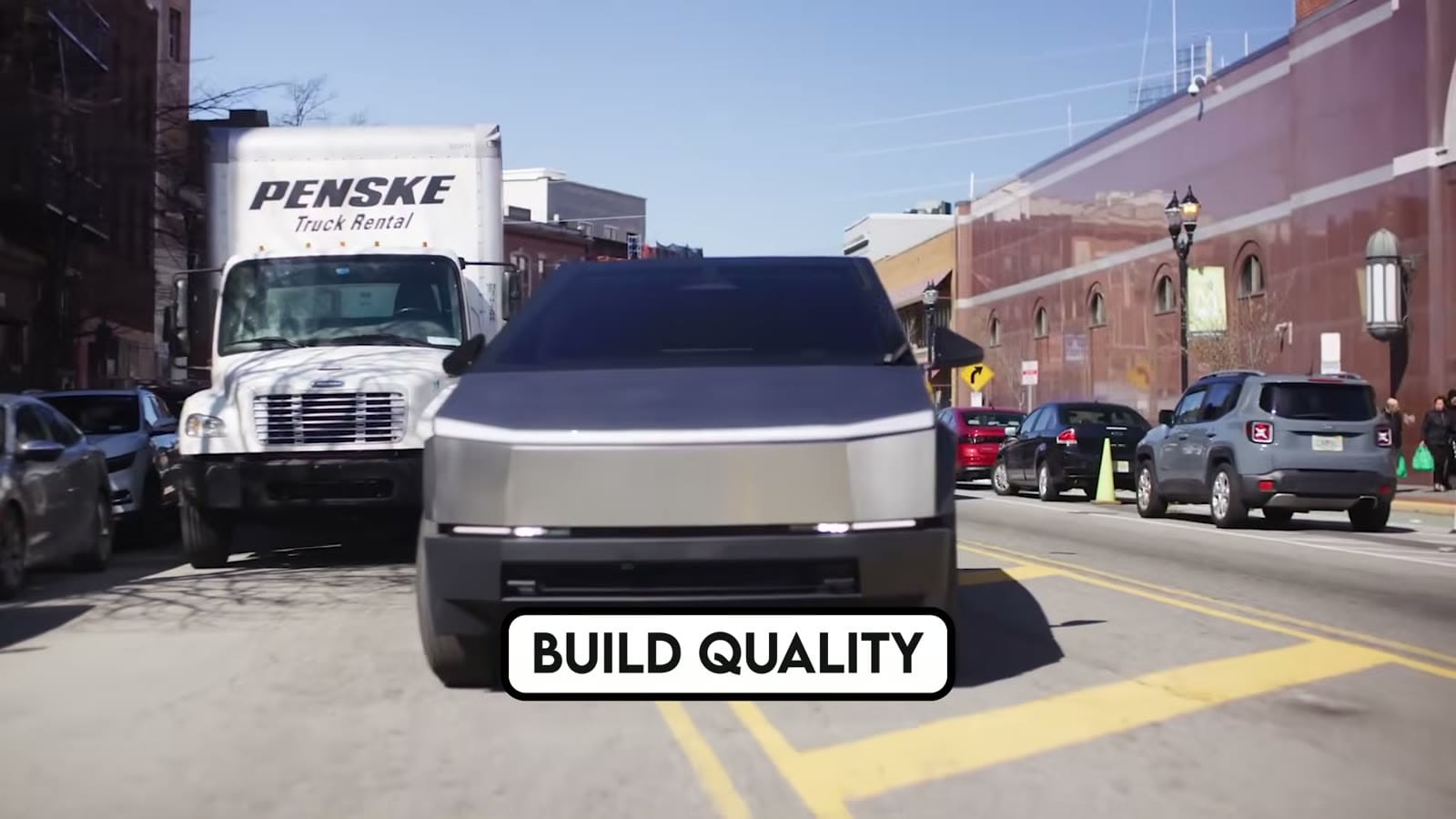
The Cybertruck is the only mainstream electric pickup you can still order new from a high-volume brand, and for the right buyer it makes complete sense. The 2026 lineup opens at $72,235 for the Dual Motor All-Wheel Drive, with an EPA-estimated 325 miles of range and the ability to recoup about 137 miles in 15 minutes on a Supercharger — no adapter, no thinking about it. The tri-motor Cyberbeast tops out near $102,235 with 834 horsepower and a 2.6-second 0–60 mph run. Towing is 7,500 pounds on the base truck and 11,000 pounds on the Premium and Cyberbeast.
The honest part: build quality is the recurring complaint — panel fit, trim, software gremlins, and bare stainless that shows every fingerprint. This is a truck about presence, not capability; rivals here tow more and go further. Buy it because you want that truck, not because it’s the best one.
The long-haul workhorse: Chevrolet Silverado EV
While every other electric truck shrank, Silverado EV sales jumped 51.8% to 11,275 units in 2025. No electric truck goes further: the Max Range WT is GM-estimated at 478 miles, and it adds 100+ miles in about 10 minutes on a 350 kW fast charger. Max towing is a class-leading 12,500 pounds. Standard four-wheel steering shrinks the big body in tight lots, and the Multi-Flex Midgate lets the bed open into the cab for nearly 11-foot loads.
Two warnings the spec sheet hides. First, the 478-mile figure and the 12,500-pound tow rating are not the same truck — the max-range version tows just 7,000 pounds, and the extended-range trim that tows big drops to around 410 miles. Pick the number that matches your life. Second, pricing fools people: the $52,800 figure is the fleet-only Work Truck; retail buyers start around $55,900, with the LT Extended Range sweet spot near $69,100. Want the same bones with a nicer cabin? The GMC Sierra EV is mechanically identical from $62,400.
The all-rounder: Rivian R1T
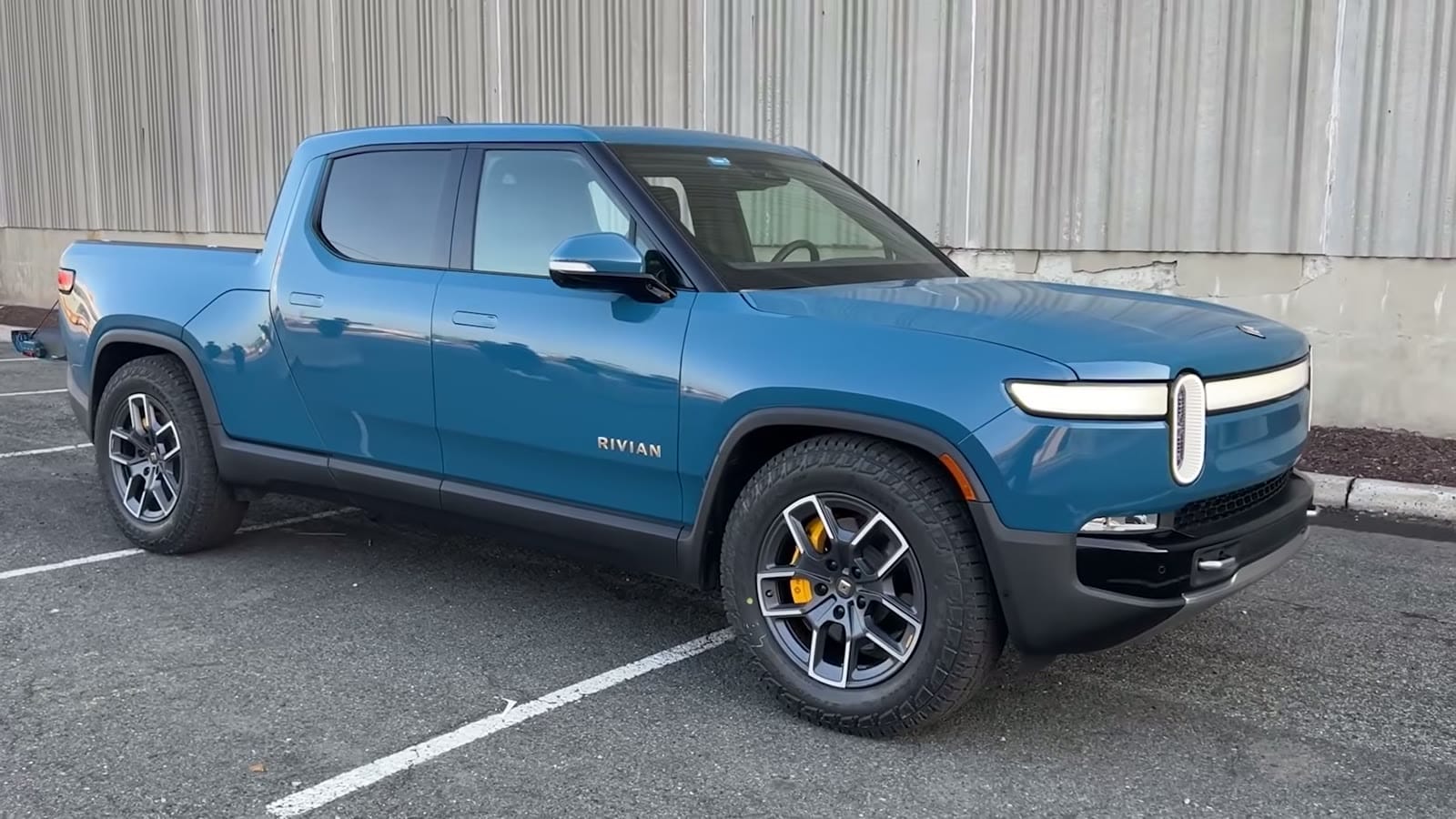
The R1T is the strangest entry: the worst-selling electric pickup in America at 7,416 units in 2025, yet the one nearly every reviewer would pick to live with — it took Edmunds’ top-rated electric truck honor for 2026. The dual-motor starts at $70,990 with 270 miles; step up to the Large battery at $77,990 for 329 miles, or the Max Pack at $84,990 for a genuinely impressive 420 miles. It tows 11,000 pounds, clears about 15 inches of ground, and wades through 3 feet of water — proper off-road capability, not show. A 2025 update swapped in a Tesla-style NACS charge port, so Supercharger access is baked in.
Two honest catches. It’s expensive for the capability versus the GM twins, and it flatly does not support Apple CarPlay or Android Auto — everything runs through Rivian’s own software. Drive one before you commit.
All-rounder score
The spectacle: GMC Hummer EV
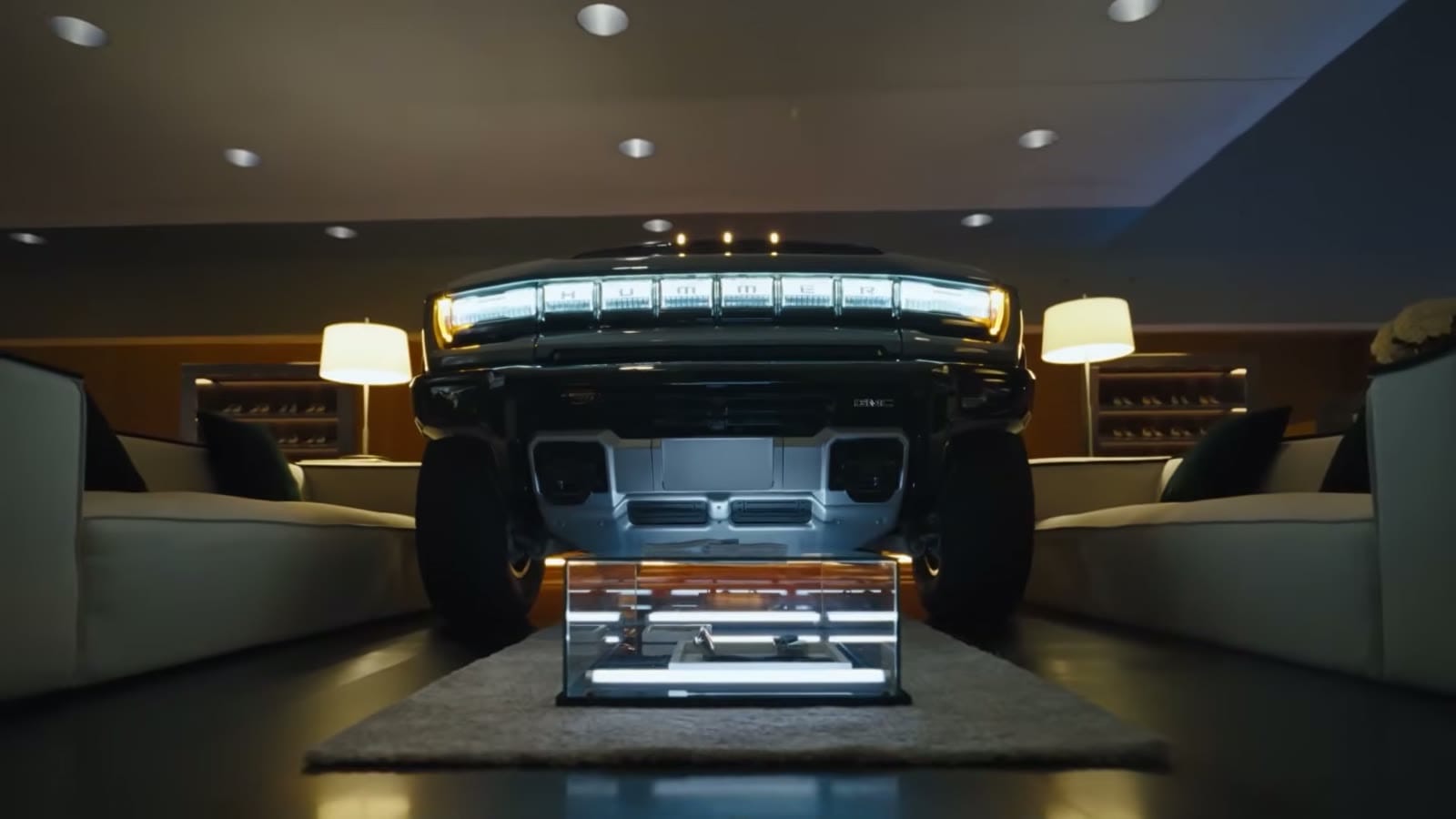
Nearly 10,000 pounds, yet it launches to 60 mph in under 3 seconds. The dual-motor 2X delivers about 570 horsepower and just over 300 miles of range; the 3X climbs past 1,000 horsepower with CrabWalk diagonal movement and four-wheel steering. It starts just under $97,200 and can exceed $170,000. Two numbers tell you what it really is: efficiency of about 53 MPGe (a reviewer barely extracted 1.8 miles per kWh), and a payload rating near 1,300 pounds — less in the bed than trucks costing a quarter of the price. It tows over 12,000 pounds, but as a working truck it isn’t one. It’s a brilliant, ridiculous toy — buy it because you fell in love with it, not because it makes sense.
The one to wait for: Slate Truck
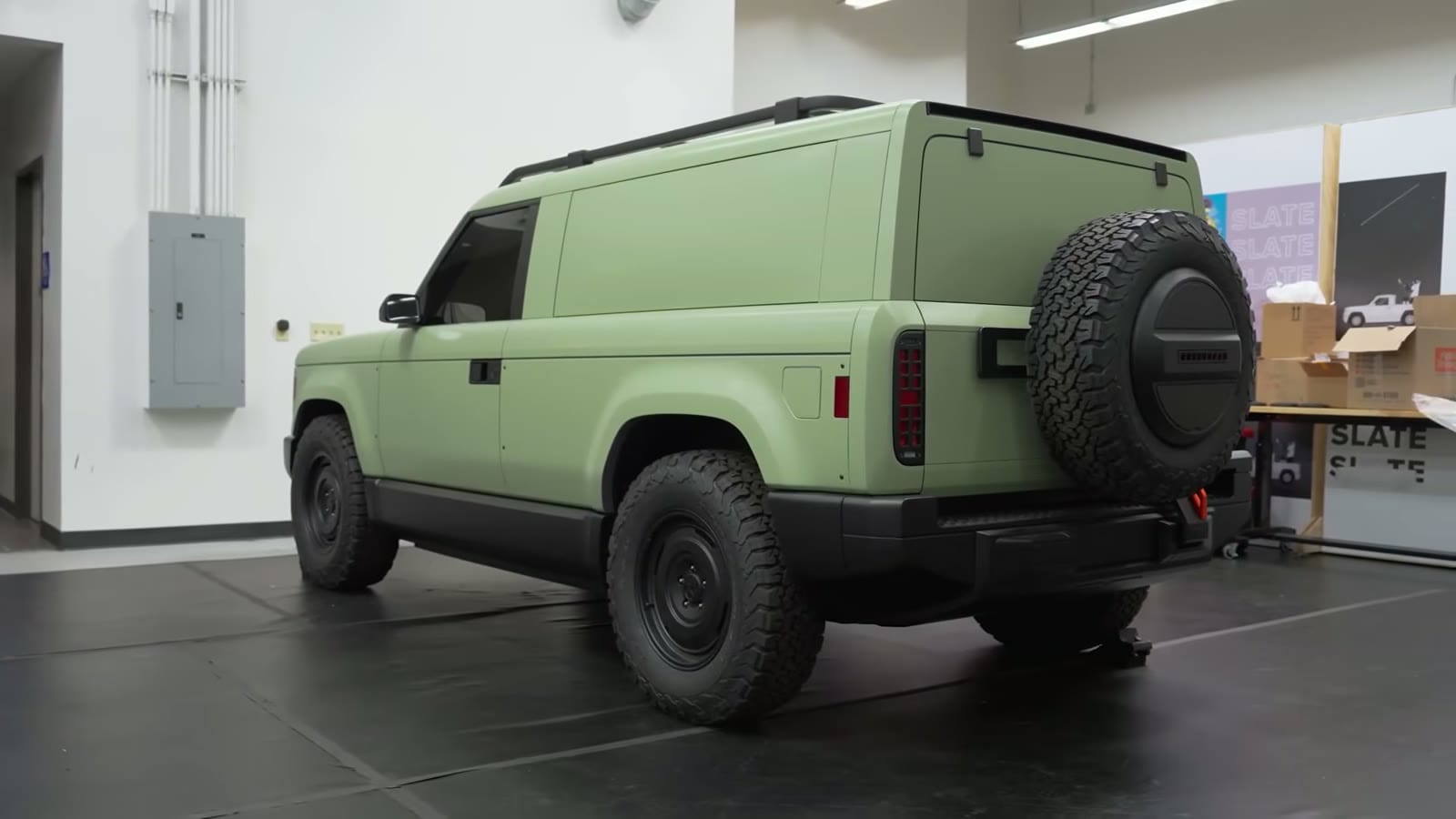
Every truck above you can drive today. The Slate you can’t — yet. Built by a Bezos-backed startup in Warsaw, Indiana, it starts at $24,950, the cheapest new truck in America, electric or gas, undercutting even the Ford Maverick. That’s the real, pre-incentive price; the old “under $20,000” promise depended on the federal credit that’s now gone. For that you get radical simplicity — hand-crank windows, no infotainment screen, no paint (you wrap it) — plus 205 miles of LFP range, a 2,000-pound tow rating, a Tesla-style charge port, and a 10-year/110,000-mile battery warranty. Its 1,550-pound payload actually outhauls the $100,000 Hummer.
The catch is the biggest in this guide: the Slate has no reliability history, no battery-degradation data, and zero customer deliveries. More than 180,000 people have put down deposits, but first deliveries begin in the fourth quarter of 2026, assuming Slate hits a date that brand-new automakers famously miss. Put a refundable deposit down to hold your place, but don’t hand over serious money until real trucks sit in real driveways.
The numbers side by side
| Truck | Max range | Max tow | Starting price | US status (2026) |
|---|
| Ford F-150 Lightning (used) | ~320 mi | 10,000 lb | ~$35k–$45k used | Discontinued new |
| Tesla Cybertruck | 325 mi (EPA) | 11,000 lb | $72,235 | Orderable new |
| Chevy Silverado EV | 478 mi (GM-est.) | 12,500 lb | ~$55,900 retail | Orderable new |
| Rivian R1T | 420 mi | 11,000 lb | $70,990 | Orderable new |
| GMC Hummer EV | ~316 mi | ~12,000+ lb | $97,200 | Orderable new |
| Slate Truck | 205 mi (est.) | 2,000 lb | $24,950 | Deliveries Q4 2026 |
Which one belongs in your driveway
This list is short not because electric trucks are bad, but because the segment is still being built. Ford walked away from its best seller, Tesla’s volume is in free fall, and the most interesting truck comes from a company that has never delivered a vehicle. That churn is usually when the good deals appear — a discounted used Lightning, a long-range Silverado, or a wait-and-watch Slate. Match the truck to the number that matters most: range for road-trippers, tow rating for haulers, price for value hunters. And whatever you buy, new or used, the deal lives or dies on the checks most buyers skip — battery health, recall history, and warranty transfer.
Is the $7,500 federal EV tax credit still available in 2026?
No. The $7,500 credit for new EVs and the $4,000 used-EV credit both expired on September 30, 2025, after Congress ended them over the summer. Every price in this guide reflects the real sticker without that incentive, which is a big reason used Lightnings and the no-frills Slate look more attractive than they did a year ago.
Which electric truck has the longest range in the US?
The Chevrolet Silverado EV Max Range WT leads with a GM-estimated 478 miles, ahead of the GMC Sierra EV (mechanically identical, also up to 478 miles) and the Rivian R1T Max Pack at 420 miles. Remember the Silverado’s 478-mile figure applies to the max-range trim, which tows only 7,000 pounds — the 12,500-pound tow rating comes on a trim with less range.
Should I wait for the Slate Truck or buy something now?
If you need a truck today, the Slate isn’t an option — first customer deliveries aren’t expected until the fourth quarter of 2026, and a brand-new automaker hitting that date is far from certain. A used F-150 Lightning or a current Silverado EV/Rivian R1T solves an immediate need; the Slate is worth a refundable deposit but not serious money until real units are on the road and we have reliability data.
Sources: Cox Automotive / Kelley Blue Book 2025 electric-pickup registration and sales data (evinsiderusa.com, kbb.com); Ford 2025 earnings (Yahoo Finance); GM fleet and Chevrolet.com 2026 Silverado EV / Sierra EV / Hummer EV specifications; U.S. News & World Report and Car and Driver 2026 Cybertruck and Rivian R1T specs; Electrek, Wired, and Yahoo Finance on Slate Truck pricing and specifications; EVXL on F-150 Lightning discontinuation and federal tax-credit expiration (Sept. 30, 2025).