Hyundai’s smallest electric crossover is now the cheapest EV wearing the Hyundai badge in America — but for 2026 the Kona Electric has been quietly reduced to a single 200-mile trim, and that shifts the budget-EV math far more than the sticker price suggests.
What the 2026 Kona Electric actually is in America
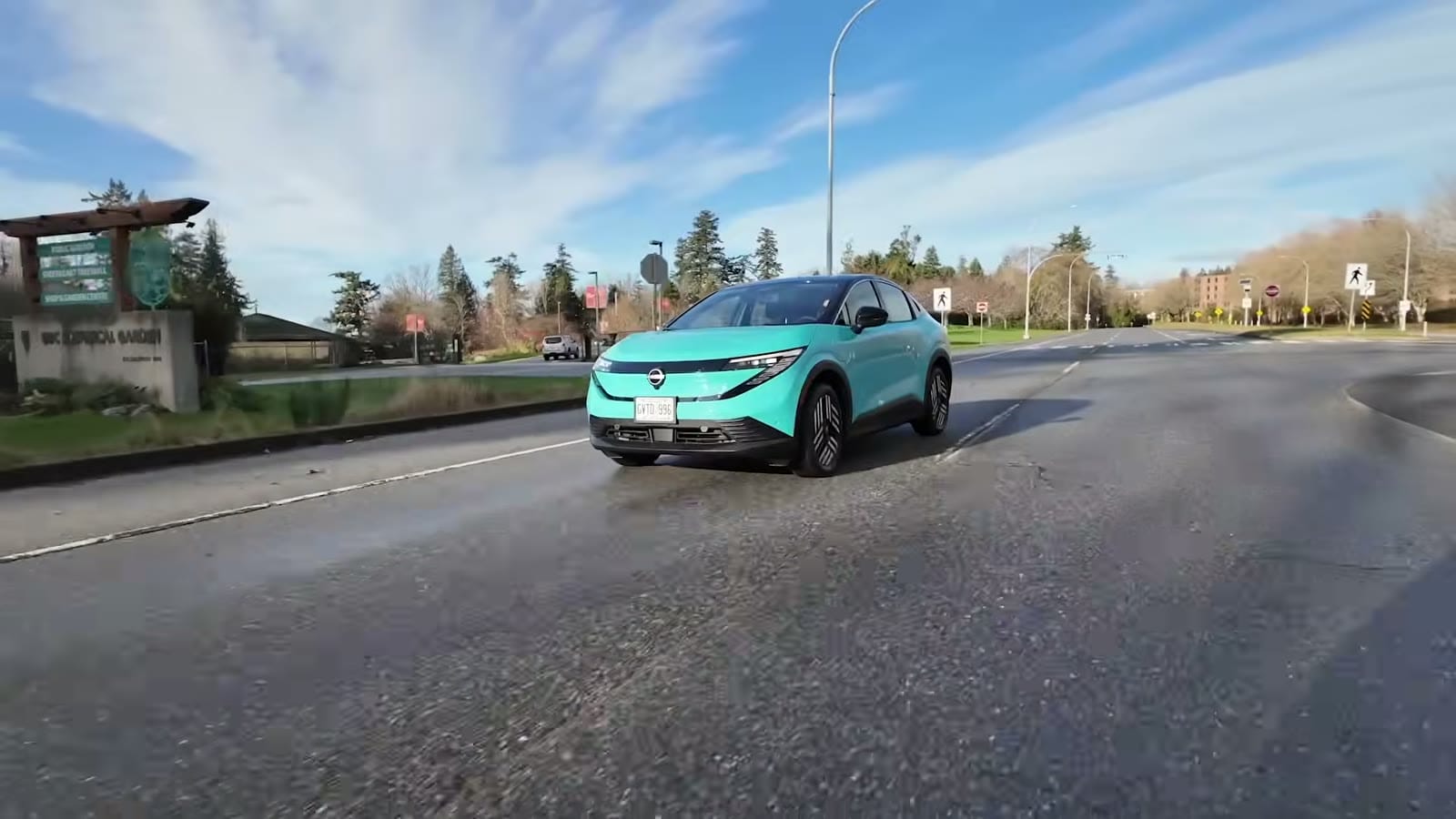
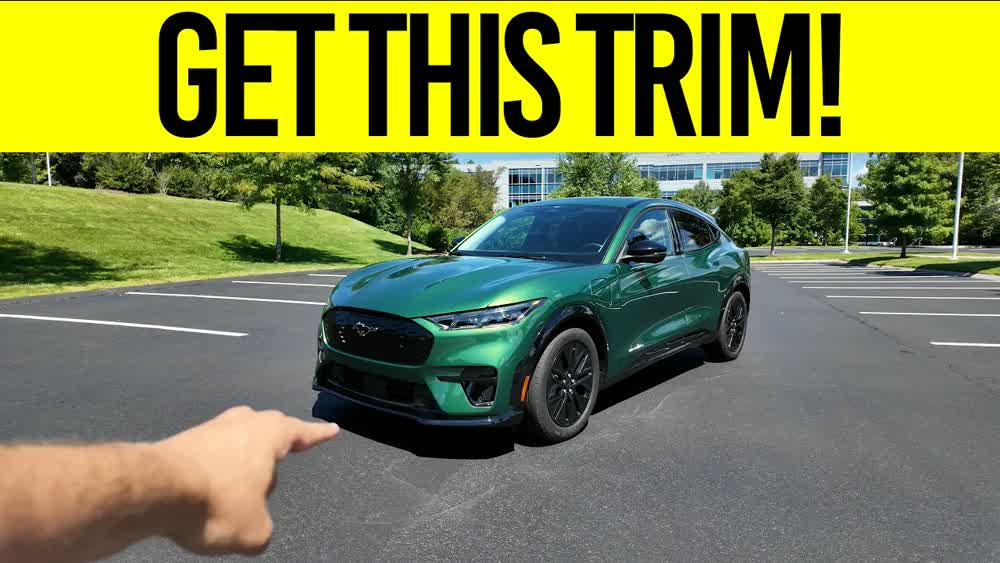
The review you just watched was filmed on a Canadian-spec car, and that distinction matters. The host is driving the long-range version — a 64.8-kWh battery, 201 horsepower, and 261 miles of EPA-equivalent range. That exact car does not exist in the United States for the 2026 model year.
For 2026, Hyundai cut the American Kona Electric down to one configuration: the SE Standard Range. It carries a 48.6-kWh battery, a 133-horsepower front motor, 188 lb-ft of torque, and an EPA-rated 200 miles of range (U.S. News; InsideEVs via AutoUA). The optional 201-hp motor and the 261-mile pack are gone. That is a bigger deal than it sounds, because most of the Kona EV’s “great value” reputation was built on the long-range version — and American shoppers can no longer buy it.

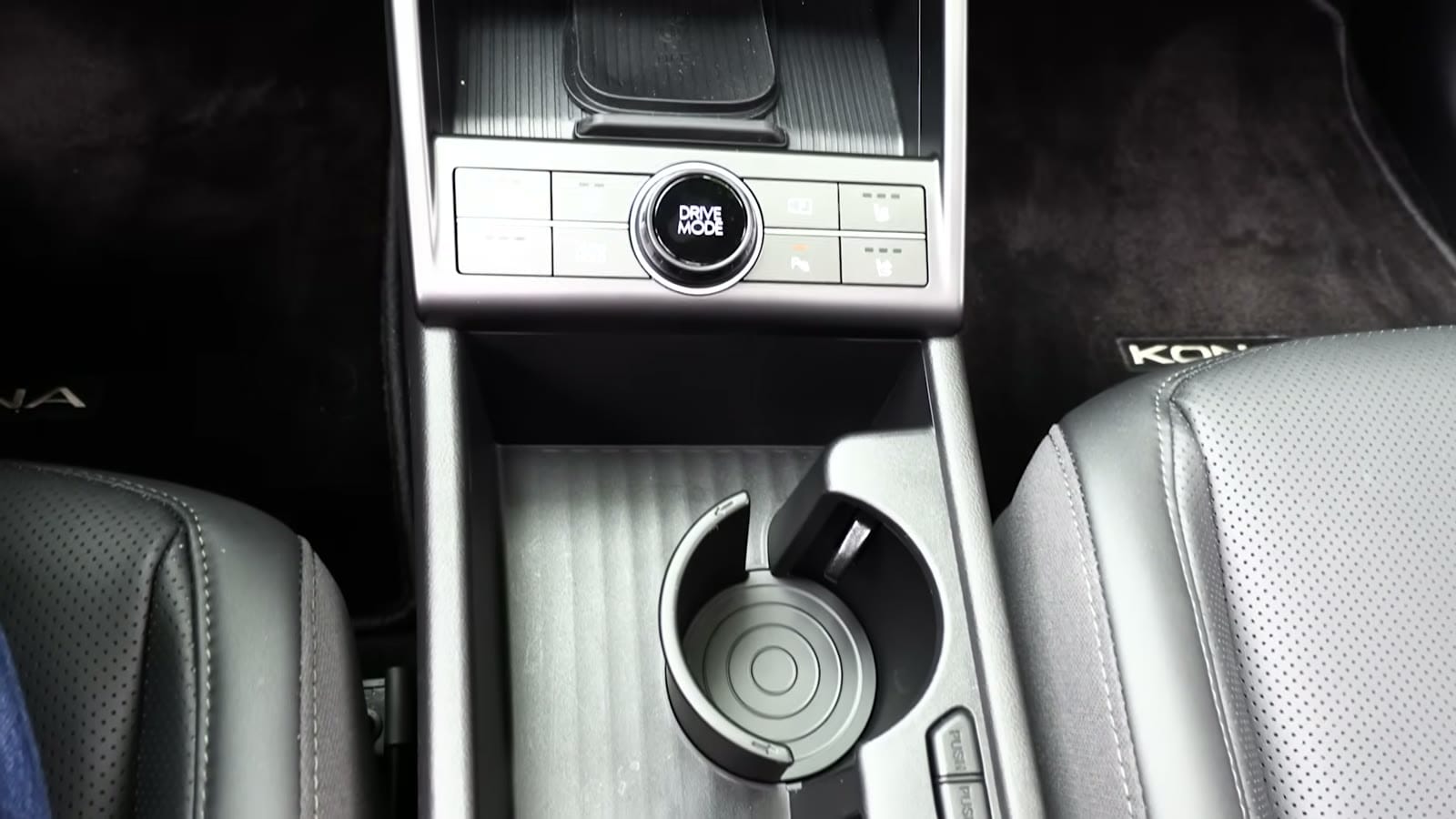
What you do get is real substance: a subcompact crossover with dual 12.3-inch displays, wireless Apple CarPlay and Android Auto, heated front seats, a heated steering wheel, Hyundai’s SmartSense safety suite, and vehicle-to-load (V2L) capability. The Kona also rides on Hyundai’s 400-volt architecture, which means it avoids the ICCU charging-control failures that have dogged the brand’s 800-volt Ioniq 5 and Ioniq 9 — a quiet reliability win the reviewer correctly points out.
The budget-EV math: price vs. the $7,500 credit that’s gone
The 2026 Kona Electric SE starts at $32,975 (manufacturer’s suggested retail price, before a roughly $1,395 destination charge), according to U.S. News and The Charge Port. That is genuinely cheap — it is the only Hyundai EV under $33,000, and it sits comfortably inside the sub-$40,000 budget-EV bracket.
But here is the catch that did not exist a year ago: the federal Clean Vehicle Credit — the $7,500 point-of-sale discount — expired on September 30, 2025 under the One Big Beautiful Bill Act. No new EV purchased on or after October 1, 2025 qualifies, and that includes the Kona Electric. A handful of states and utilities still offer rebates (California, Colorado, and New Jersey among them), but the blanket federal cushion that used to turn a $33,000 EV into a $25,500 one is gone.
200 miles of range — enough for a real American commute?
For daily commuting, yes. The average U.S. worker drives roughly 30 miles round trip per day (Federal Highway Administration figures), so 200 EPA miles covers about six full days of commuting on a single charge. Plug in at home on a 240-volt Level 2 outlet — roughly 6 hours for a full replenish — and the Kona asks almost nothing of you.
The honest caveats are speed and weather. Real-world highway range at 70 mph typically runs 10–15% below the EPA number, and cold-weather range can drop another 20–30% in freezing temperatures, per The Charge Port’s analysis. So a winter interstate run could realistically net 140–160 miles. That is still fine for a commuter who charges nightly, but it is not a road-trip machine.
Fit for daily city / suburban commuting
Value vs. newer rivals (Leaf, Equinox EV)
Long-distance DC fast-charge capability
Charging: 100 kW on CCS, and why that matters
On a DC fast charger, the Kona Electric goes from 10% to 80% in about 43 minutes at a peak of 100 kW (InsideEVs; Hyundai global spec). The real bottleneck is the connector. The Kona uses the CCS port — the “old” North American standard, in the host’s words — not the NACS port that Tesla Superchargers and most 2026 budget EVs now use. Reaching a Supercharger means carrying a CCS-to-NACS adapter, and 100 kW is slower than the 150 kW peaks of its closest rivals.
For a commuter who charges at home, the port type barely matters. For anyone who leans on public DC charging — apartment dwellers, frequent travelers — it is a real disadvantage. About 90% of EV charging happens at home on Level 2, but that other 10% is exactly where the Kona starts to feel dated.
How it stacks up against the new budget-EV class
This is where the 2026 Kona Electric’s case gets shaky. The segment it helped define has moved on, and the numbers tell the story.
| Model (2026, US) | Starting MSRP | EPA range | Battery | Peak DC charge | Port |
|---|
| Hyundai Kona Electric SE | $32,975 | 200 mi | 48.6 kWh | 100 kW | CCS |
| Nissan Leaf S+ | $29,990 | 303 mi | 75 kWh | ~150 kW | NACS |
| Chevy Equinox EV (LT) | $34,995 | 319 mi (FWD) | 85 kWh | 150 kW | NACS |
| Kia Niro EV (Wind) | $41,195 | 253 mi | 64.8 kWh | 85 kW | CCS |
The Leaf undercuts the Kona by $2,985 and beats it by 103 miles of range, while using the NACS port that unlocks Tesla Superchargers natively. The Equinox EV costs only about $2,000 more yet delivers 119 extra miles, a larger SUV body, and 150 kW NACS charging — and real-world transactions often land near $30,000 (EV Pulse). The Niro EV is the closest cousin (shared 400-volt roots, 201 hp), but it costs roughly $8,000 more for the privilege.
The Kona’s remaining edge is size and simplicity: it is easier to park, lighter, and loaded with physical buttons the host genuinely prefers over touchscreen-only layouts. But on the two numbers budget shoppers weigh most — range and price — it no longer leads the class.
Who the 2026 Kona Electric is actually for
Treat the Kona Electric as a commuter appliance, not a do-everything EV, and it makes sense. It is a strong pick for:
- Urban and suburban drivers who charge at home and rarely exceed 100 miles a day.
- Buyers who want a small, easy-to-maneuver crossover with a tight turning radius and a comfortable, quiet ride.
- Anyone who values physical controls, a proven 400-volt platform, and Hyundai’s 10-year/100,000-mile powertrain warranty.
It is a weaker pick for frequent road-trippers, apartment dwellers dependent on public DC fast charging, or shoppers chasing the most range per dollar — the Leaf and Equinox EV simply win those fights in 2026.
There is also a strategic signal buried in the specs. Hyundai trimming the Kona Electric to a single U.S. trim while a next-generation small EV (widely expected to wear the Ioniq 3 name) looms suggests the current car is being wound down. If you want the familiar Kona shape and can live with 200 miles, now is the window. If maximum range and Supercharger access matter more, the Leaf and Equinox EV reset the budget bar. For the bigger picture on slow sellers and what they reveal about demand, see our breakdown of the worst-selling EVs in America in July 2026.
Does the 2026 Hyundai Kona Electric qualify for the $7,500 federal tax credit?
No. The federal Clean Vehicle Credit expired on September 30, 2025, so no new EV bought in 2026 — including the Kona Electric — qualifies. Some states and utilities still offer rebates, but the federal discount is gone.
Is the 261-mile long-range Kona Electric available in the US?
Not for 2026. Hyundai reduced the U.S. lineup to a single SE Standard Range trim with a 48.6-kWh battery and 200 miles of EPA range. The 64.8-kWh, 261-mile version shown in the Canadian review video is not sold in America this model year.
Can the Kona Electric use Tesla Superchargers?
Only with a CCS-to-NACS adapter. The Kona uses the older CCS charge port rather than the NACS port that the 2026 Nissan Leaf and Chevy Equinox EV use natively, so Supercharger access is less convenient and its 100 kW peak is slower than rivals’ 150 kW.
Sources: Hyundai global Kona Electric specifications (charging, 400V architecture); U.S. News & World Report — 2026 Hyundai Kona Electric (single SE trim, $32,975, 200 mi, 133 hp); InsideEVs via AutoUA — 2026 Kona EV U.S. lineup cut to one trim, 100 kW / 43 min, 269V architecture; The Charge Port — 2026 Kona Electric range, price, charging, federal credit expiry; Nissan USA / MotorLinks / NextCarReview — 2026 Leaf $29,990, 75 kWh, 303 mi, NACS; Chevrolet — 2026 Equinox EV $34,995, up to 319 mi, 150 kW NACS; Kia USA — 2026 Niro EV 64.8 kWh, 201 hp, 253 mi, 85 kW CCS; EV Pulse — 2026 under-$40K EV market and Equinox EV street pricing.