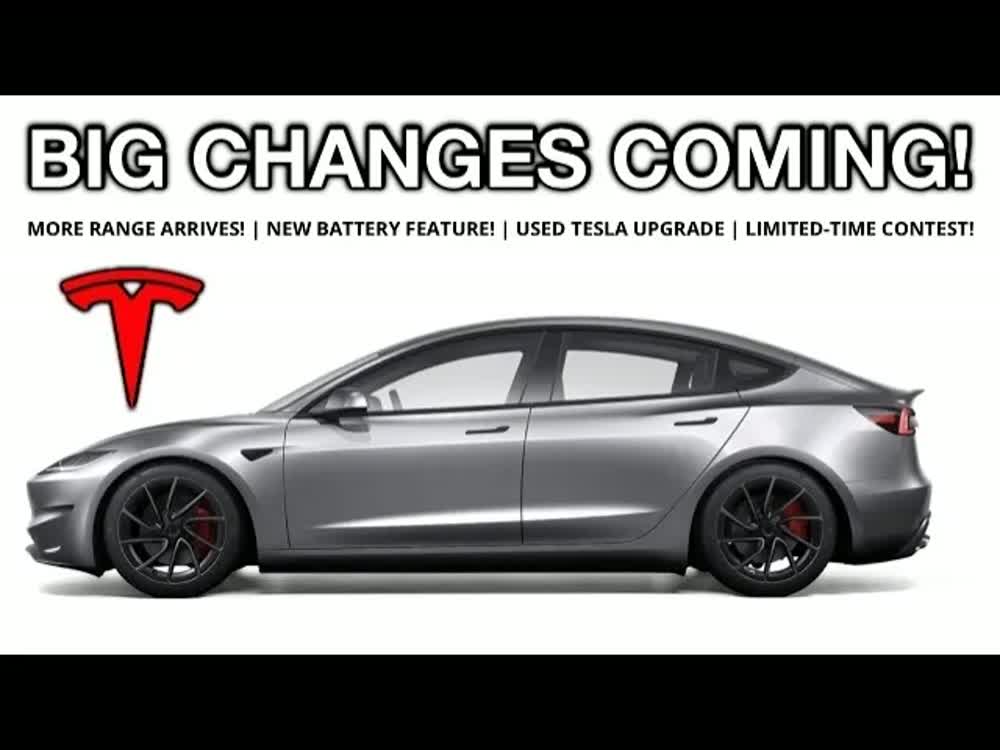
The Tesla Cybercab is not just another electric vehicle. Its EPA certification filing reveals engineering choices that signal where the entire automotive industry is heading: extreme efficiency through lightweight design, purpose-built autonomous architecture, and battery optimization for urban duty cycles. This analysis examines what the Cybercab specifications mean for the future of transportation, how solid-state batteries are progressing toward production, and why the charging infrastructure industry is undergoing its most significant transformation since the first Supercharger opened.
The Efficiency Revolution: Cybercab Engineering Deep Dive
The EPA filing for Tesla Cybercab reveals one number that deserves special attention: 165 watt-hours per mile unadjusted efficiency. To understand why this matters, consider the physics. The most efficient production EV today, the Lucid Air Pure, achieves roughly 240 Wh/mile on the EPA cycle. The Tesla Model 3 RWD achieves approximately 235 Wh/mile. The Cybercab 165 Wh/mile represents a 30% improvement over the current benchmark – a leap that typically requires a generational change in multiple engineering domains simultaneously.
How did Tesla achieve this? The Cybercab curb weight of 3,113 lbs is approximately 750 lbs lighter than a Model 3. For a vehicle that carries a 48 kWh battery (versus 82 kWh in the Model 3), the weight savings come from three sources: the smaller battery pack itself (saves roughly 300 lbs), the two-seat layout with reduced interior mass (saves approximately 200 lbs), and the elimination of traditional driver controls – steering column, pedals, instrument cluster – which saves another 200+ lbs. Weight reduction creates a virtuous cycle: less mass means smaller brakes, simpler suspension components, and lower structural requirements, which save more weight.
Aerodynamics play an equally important role. The Cybercab teardrop shape, optimized for the single-occupant robotaxi use case rather than family transportation, achieves a drag coefficient that likely falls below the current production car record of 0.20 Cd (set by the Lightyear 0 and Mercedes EQS). The enclosed wheel wells, flush body panels, and optimized underbody flow all contribute to the aerodynamic efficiency that enables 418 miles of unadjusted range from just 48 kWh – a ratio of 8.7 miles per kWh, more than double the industry average.
8.7 mi/kWhCybercab energy consumption ratio – more than double the industry average of approximately 3.5 mi/kWh
The 219 hp front-mounted AC permanent magnet motor marks Tesla first front-wheel-drive production vehicle. This is a deliberate choice: FWD eliminates the driveshaft tunnel (saving weight and interior space), reduces drivetrain losses compared to AWD, and provides adequate performance for urban driving where the Cybercab will operate below 35 mph for the majority of its service life. The motor itself likely derives from Tesla design philosophy of maximizing efficiency over peak power output.
| Parameter | Cybercab | Model 3 RWD | Industry Average |
|---|
| Curb Weight | 3,113 lbs | 3,862 lbs | ~4,200 lbs |
| Battery Capacity | 48 kWh | 82 kWh | ~75 kWh |
| Unadjusted Efficiency | 165 Wh/mi | ~235 Wh/mi | ~300 Wh/mi |
| Est. EPA Range | ~280 mi | ~363 mi | ~300 mi |
| Energy per 100 mi (est.) | ~17 kWh | ~24 kWh | ~35 kWh |
Production and Deployment Timeline
The EPA filing confirms that production authorization was established in late May 2026, with actual production beginning in February 2026 at Gigafactory Texas. The gap between production start and certification is standard – vehicles are built for validation before formal certification. Mass production is expected to ramp through the remainder of 2026, with commercial robotaxi deployment beginning in a limited set of cities where Tesla has secured regulatory approval.
Tesla currently operates a limited robotaxi fleet using Model Y vehicles in select markets. This allows the company to validate its autonomous driving stack, fleet management software, and user experience before deploying the purpose-built Cybercab at scale. The economics of the Cybercab are compelling: at 165 Wh/mile, the energy cost per mile at $0.14/kWh is approximately $0.023 per mile – roughly one-tenth the fuel cost of a comparable gasoline vehicle at $0.25 per mile.
Solid-State Batteries: The QuantumScape-Honda Partnership in Context
Honda partnership with QuantumScape for solid-state battery development places it alongside Volkswagen (QuantumScape largest automotive investor) in betting on this technology. To understand what solid-state means for EVs, we need to understand why lithium-ion batteries are approaching their fundamental limits.
Conventional lithium-ion cells use a liquid electrolyte that transports lithium ions between the anode and cathode during charging and discharging. This liquid imposes several constraints: it limits operating temperature range (performance degrades below freezing and above 60C), it creates safety risks (the liquid is flammable), and it limits energy density because the separator must be thick enough to prevent dendrites – microscopic lithium metal fibers that can grow through the separator and cause short circuits.
Solid-state batteries replace the liquid electrolyte with a solid ceramic or polymer material. QuantumScape technology uses a ceramic separator that is both ionically conductive and mechanically strong enough to block dendrites. This enables three fundamental improvements: (1) a lithium-metal anode can replace graphite, increasing energy density by 50-80%, (2) the solid electrolyte is non-flammable, eliminating the primary safety concern, and (3) operating temperature range expands significantly.
The challenge is manufacturing scale. QuantumScape has demonstrated cells with over 800 cycles in laboratory conditions, but scaling ceramic separator production to the billions of square meters required for automotive volumes is an engineering challenge that no company has yet solved. The Honda partnership provides additional capital and manufacturing expertise, but industry estimates suggest production-ready solid-state cells are still 3-5 years away at minimum.
Charging Infrastructure: The Grid Integration Imperative
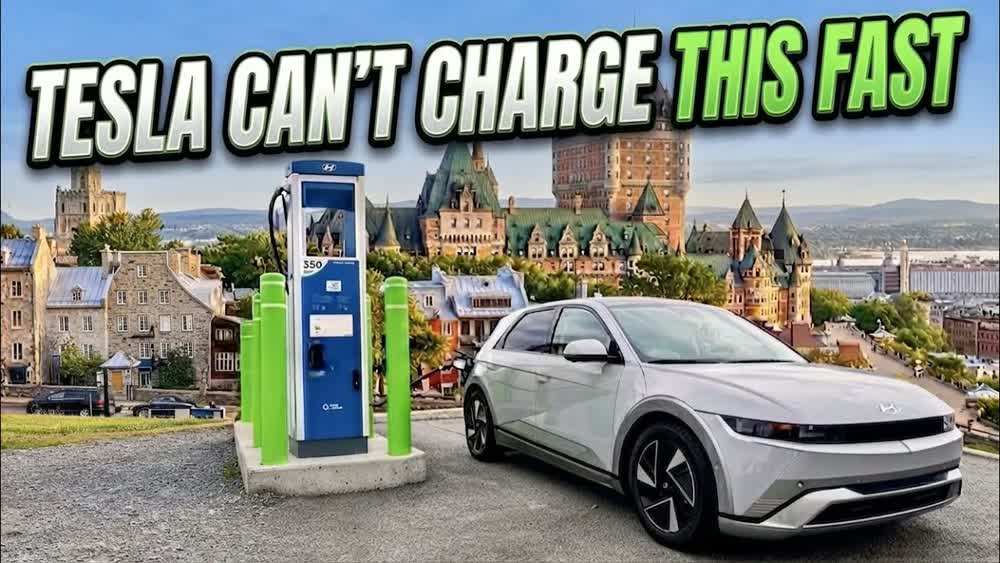
Electrify America opened its 1.9 MW battery storage installation in Burbank, California, its fourth large-format hub in the state. This is not an isolated project – it represents a structural shift in how charging networks think about energy management.
The economics of DC fast charging are brutal without battery storage. A typical 350 kW charging station draws enormous power from the grid. Commercial electricity tariffs include demand charges – fees based on the highest 15-minute power draw in a billing period – which can add $10,000-$30,000 per month to the electricity bill for a busy station. Battery storage smooths these peaks: the on-site battery charges slowly from the grid during off-peak hours (when electricity is cheap) and discharges to supplement grid power during vehicle charging events.
The result is a 30-50% reduction in electricity costs, making station economics viable in locations where they would otherwise be marginal. Battery storage also enables station deployment at sites where the utility transformer lacks capacity for high-power charging, avoiding expensive transformer upgrades that can cost $100,000-$500,000.
| Network | US DC Ports | Avg. Power | Battery Storage | NACS Support |
|---|
| Tesla Supercharger | 37,000+ | 150-350 kW | Megapack at select | Native |
| Electrify America | 5,600+ | 150-350 kW | 4 large CA hubs | Pilot program |
| EVgo | ~3,500 | 50-350 kW | Select locations | Yes |
| ChargePoint | ~2,000 DC | 62.5-500 kW | Partner-dep. | Yes |
California Market: The Bellwether at 30%
California EV market share is approaching 30% of new vehicle sales. Because California accounts for roughly 40% of all US EV sales, the state market dynamics are a leading indicator for the rest of the country. The growth is being driven by model availability in the sub-$45,000 segment, the cumulative effect of purchase incentives (state + federal up to $12,500 for qualifying vehicles), and expanding public charging availability.
However, challenges persist. The used EV market has experienced significant price volatility – early adopters trading up to newer models have flooded the market with 3-5 year old EVs, depressing residual values. This benefits second-hand buyers but creates challenges for lease pricing and new car affordability calculations. Rural charging infrastructure remains concentrated along major corridors rather than evenly distributed, and multi-unit dwelling access remains the single biggest barrier to adoption for the 30% of Californians who live in apartments or condos.
NACS: The Connector Standardization That Changes Everything
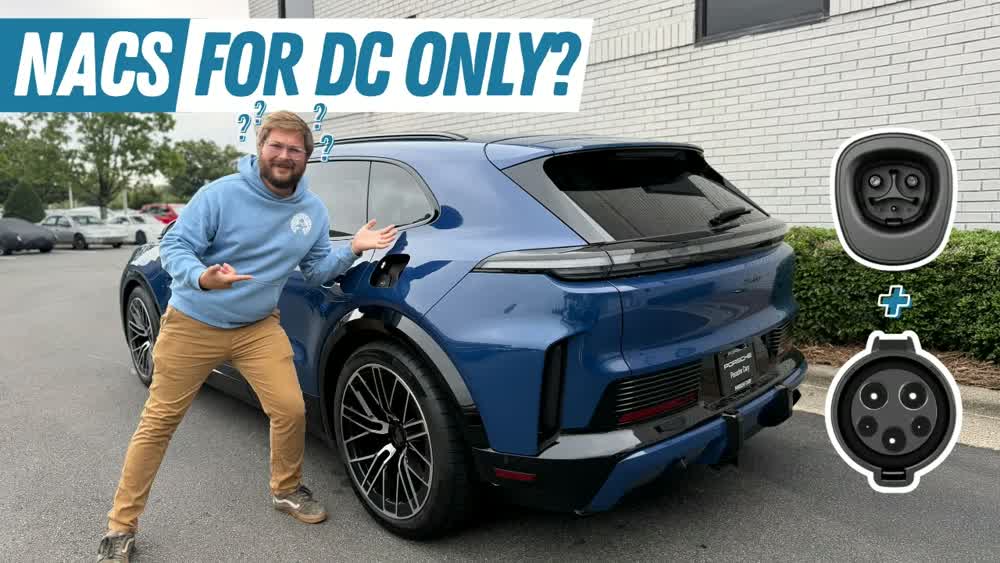
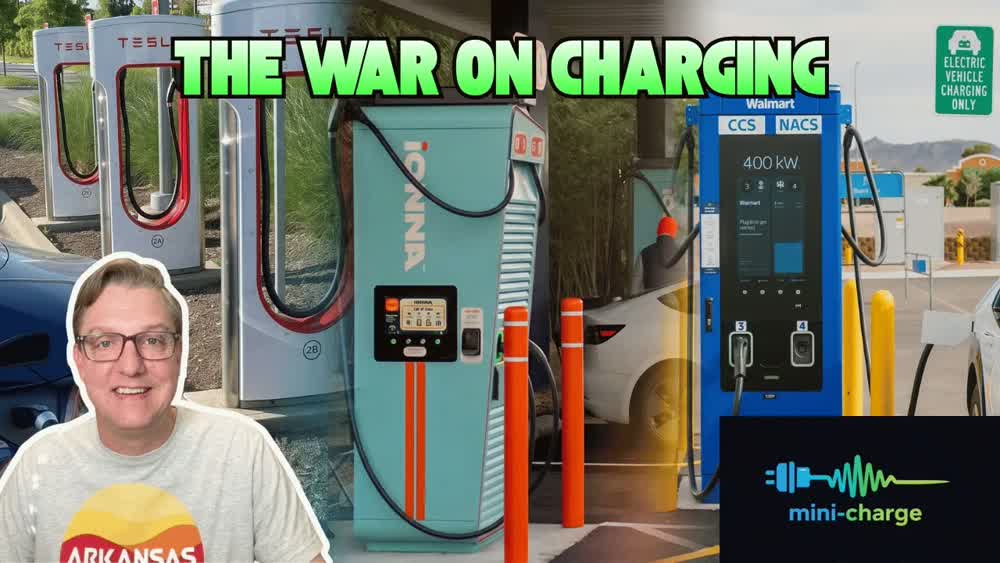
With Honda confirming NACS adoption for the Prologue and Acura ZDX, the connector standardization is effectively complete. Every major automaker selling EVs in North America – with the notable exception of Stellantis – has committed to the Tesla connector. This resolves what has been consistently cited as one of the top three barriers to EV adoption: charging compatibility anxiety.
The implications extend beyond consumer convenience. Standardization means charging station manufacturers can produce a single connector variant rather than maintaining separate CCS and NACS production lines, reducing costs by an estimated 10-15%. It also means that every new charging station serves the entire EV market, improving utilization rates and the business case for deployment.
FAQ
How does Cybercab efficiency compare to other EVs?
At 165 Wh/mile unadjusted, it is approximately 30% more efficient than the current best production EVs (Lucid Air at ~240 Wh/mi). The 8.7 miles per kWh ratio is more than double the industry average.
When will solid-state batteries reach production vehicles?
Industry consensus estimates 2029-2031 for mass production. The Honda-QuantumScape partnership targets late 2020s, but manufacturing scale-up remains the critical challenge.
How does battery storage improve charging economics?
On-site batteries charge during off-peak hours at low rates and discharge during peak demand, reducing demand charges by 30-50%. This can save a busy charging station $10,000-$30,000 per month.
Why is NACS standardization significant?
It eliminates charging compatibility anxiety, reduces charging station manufacturing costs by 10-15%, and ensures every new station serves the entire EV market, improving utilization economics.
What is the Cybercab real-world range?
The EPA unadjusted range is 418 miles at 165 Wh/mi. After applying the EPA adjustment factor, real-world range is expected to be approximately 280 miles – more than sufficient for urban robotaxi duty cycles.
Sources: EPA certification documents (NHTSA VIN decoder), QuantumScape/Honda joint press release, California Energy Commission Zero-Emission Vehicle data, Electrify America press release, J.D. Power 2026 EV Charging Satisfaction Study, DOE Alternative Fuels Data Center. Video reference: The Current Weekly EV News Ep #120 (YouTube).