Yes, US electric-car sales are down — but the scary “20% drop” headline hides the real story: a market that just posted its best quarter since the federal tax credit vanished, with buyers and automakers both changing course.
The Number Everyone Is Quoting
According to Cox Automotive, Americans bought 247,226 new battery-electric vehicles in the second quarter of 2026. On paper, that looks grim: it is 20.5% lower than the same quarter a year earlier. The Verge, InsideEVs, and Kelley Blue Book all led with that figure, and it is easy to read it as proof that EVs are collapsing.
But the same Cox data shows the other half of the picture: Q2 sales were up about 14.2% from the first quarter of 2026. That makes it the strongest quarter for US EV sales since the federal $7,500 purchase incentive expired at the end of September 2025. The market is not booming — but it is no longer in free fall.

| Quarter | US EV Sales | YoY Change | EV Share of New Cars |
|---|
| Q3 2025 (credit rush) | 437,487 (record) | — | 10.6% |
| Q4 2025 | 234,171 | −46% QoQ | — |
| Q1 2026 | 216,399 | −27.3% | ~5.8% |
| Q2 2026 | 247,226 | −20.5% | 5.8% |
Why the 20% Drop Is Misleading
The year-over-year comparison is distorted by a one-time event. When Congress ended the $7,500 federal tax credit, buyers rushed to lock it in before the deadline. That pulled thousands of sales into the summer of 2025 and created an artificially high baseline. “The numbers don’t lie,” the report’s framing says — but a single data point can still lie by context.
Severity of Q2 decline vs Q1 (−27.3%)
Cox Automotive’s director of industry insights, Stephanie Valdez Streaty, puts it plainly: “The next phase of EV growth will likely be driven not only by advances in the technology itself, but by how effectively automakers translate those advances into products that meet consumer expectations for affordability, utility, performance, and ownership experience.” In other words, the old growth engine — government subsidies — is gone, and what’s left is real, unstructured demand.
It is not just the tax credit. The Trump administration also scrapped financial penalties for automakers that missed fuel-economy and emissions targets — rules that had pushed legacy carmakers to build more EVs. As a result, Ford, GM, and others have taken tens of billions of dollars in charges over the past year to scale back EV production plans. The policy floor under US electrification was removed all at once.
Brand by Brand, the Gap Is Widening
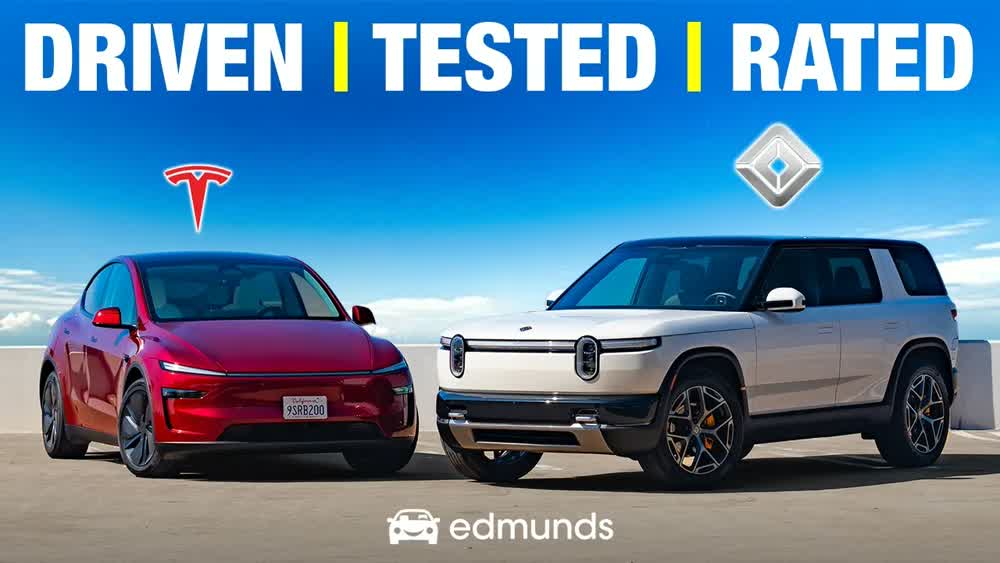
Tesla is still America’s EV king, but its grip is loosening. It delivered 124,800 vehicles in Q2 2026 — roughly half of all US EV sales — yet that is down more than 10% for the first half of the year versus 2025, and its share has slipped from a dominant 79.5% in 2020 to about 50.5% today. Meanwhile, the race behind Tesla is where the action is.
| Brand | Q2 2026 Sales | QoQ Change | Notable |
|---|
| Tesla | 124,800 | +6.4% | ~50% market share, still #1 |
| Chevrolet | 14,908 | +11.6% | Equinox EV leads volume |
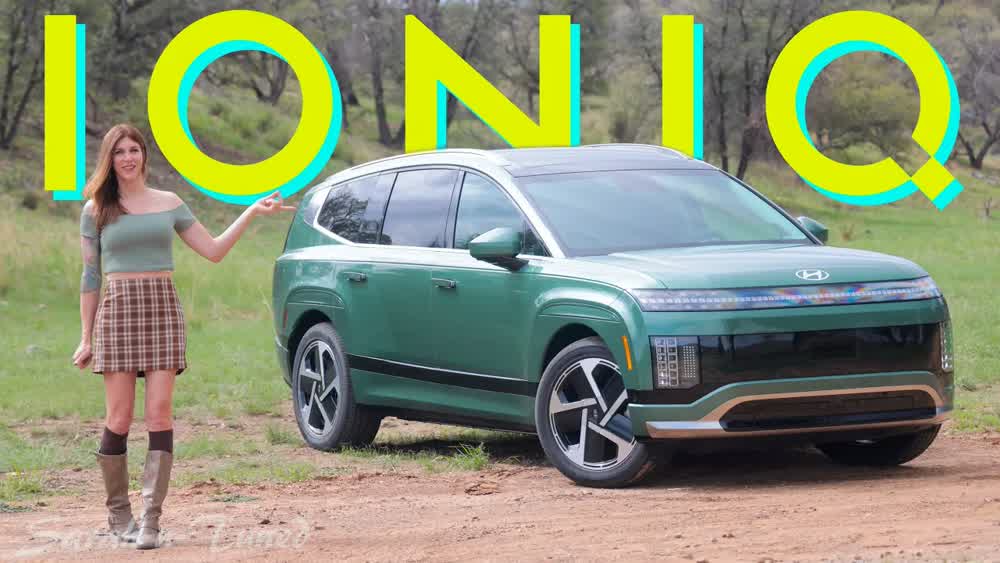
| Hyundai | 14,274 | +12.7% | Ioniq 5 = top non-Tesla EV |
| Cadillac | 12,216 | +27.9% | Optiq/Vistiq ramp up |
| Toyota | 11,826 | +225% YoY | Biggest surprise of 2026 |
| Rivian | 11,405 | +10.0% | R1S + commercial vans |
| Ford | 9,746 | +42.1% QoQ | −32.9% vs Q4 2025 |
| Subaru | 7,023 | +130.9% QoQ | More than doubled YoY |
Toyota is the standout: its EV sales jumped 225% year over year to 11,826, powered by a refreshed bZ lineup. Subaru more than doubled its volume. On the losing side, brands that canceled EVs after the “EV mandate” was wiped out — Ford’s F-150 Lightning, Honda’s Prologue, Stellantis’ Jeep and Dodge — are left with fewer options to sell.
America Is Going Hybrid
The clearest signal of shifting demand is the hybrid boom. Kelley Blue Book data shows the overall US new-vehicle market fell 2.2% in the first half of 2026, but hybrid sales rose about 9%. Some top sellers — Toyota’s RAV4 and Camry, Jeep’s reborn Cherokee — are now hybrid-only for 2026. With gas prices elevated, buyers are choosing the flexible powertrain over a full leap to battery power.
Is now a bad time to buy an EV?
Not necessarily. With the $7,500 federal credit gone, upfront prices are higher, but EV lease deals, state-level incentives, and a wave of more affordable models (Rivian R2, Ford’s planned ~$30,000 EV, the Slate Truck) are arriving through 2026. Used-EV prices also hit record-low territory as the segment corrects, making pre-owned EVs a strong value play.
The Rest of the World Didn’t Slow Down
Sales keep climbing almost everywhere else. The International Energy Agency estimates pure battery-EV sales rose to about 14 million in 2025, up from 11 million in 2024, and expects further growth in 2026. Most other countries still offer EV incentives, and their drivers pay far more for gasoline and diesel. At least one in four new cars sold globally is now electric.
| Market | Q2 2026 EV Signal | Key Driver |
|---|
| United States | 5.8% of new cars; −20.5% YoY | Credit gone, hybrids surging |
| Europe | Market booming | Still-incentivized, strict rules |
| China | Dominant global growth | BYD now world’s #1 EV maker |
| Global | ≥25% of new cars electric | ~14M BEVs in 2025 |
BYD overtook Tesla as the world’s largest EV maker last year, and that gap is widening. The competitive center of gravity has shifted east — exactly the dynamic our earlier Europe and China deep-dives unpack.
What It Means for Buyers and Automakers
For shoppers, the takeaway is calm, not panic. The “decline” is mostly a math artifact of a subsidy that ended, not a collapse in interest. The market is finding its natural floor: smaller than the 2025 peak, but stabilizing, with more choices and (eventually) lower prices as affordable models arrive. For automakers, the lesson is brutal — build what sells without policy crutches, or get left behind like the brands that canceled their EVs.
The headline writes itself: EV sales are down, but not out. The data shows a market absorbing a historic policy shock, a hybrid bridge filling the gap, and a global EV boom that America has temporarily stepped away from. Whether US buyers come back depends less on Washington and more on whether the next wave of EVs is actually worth the money.
Related reading on EVCUBE