Toyota says its first production car with solid-state batteries will drive about 621 miles on a charge — but for American buyers the real story is not the range number, it is when this chemistry stops being a six-figure halo car and reaches something you can actually finance without a $7,500 tax credit.
Why a 621-mile range number matters to Americans
Toyota’s quoted figure is 1,000 km — which is 621 miles — measured on the optimistic WLTP cycle, not the stricter EPA cycle American window stickers use. The company first laid out this target at its June 2023 Technical Workshop, and reaffirmed a 2027–2028 commercialization window when it teamed up with oil refiner Idemitsu Kosan in October 2023 to mass-produce sulfide solid electrolytes. A second-generation version is aimed at roughly 1,300 km (about 745 miles). For context, the longest-range EV you can buy in the United States today, the Lucid Air, is rated at about 516 miles EPA. So even after the usual WLTP-to-EPA haircut, Toyota is promising a car that could lap every current US EV on distance.

The specs — and the WLTP-to-EPA gap nobody mentions
Strip away the hype and Toyota’s published targets are genuinely strong. The first-generation solid-state pack is designed for a 10-to-80% DC fast charge in around 10 minutes, with an energy density of roughly 450–500 Wh/kg — about double the 250–300 Wh/kg of today’s liquid lithium-ion cells. That density is the whole point: a smaller, lighter pack that holds more energy is exactly what a low-slung performance car wants, and it is why Toyota is putting the chemistry in the upcoming electric Lexus LFA first.
But US readers should discount the headline. WLTP range typically runs 10–15% above EPA. A 621-mile WLTP claim most likely lands at a realistic 480–530 miles EPA — still extraordinary, but not the “never charge again” number the press release implies. Autocar reports the LFA itself is targeting a more modest 400-plus miles, and Hypebeast puts its 0–62 mph sprint at just over 2 seconds. Toyota’s own history also demands skepticism: it promised solid-state in 2020 (2014), then the early 2020s (2017), then 2025 hybrids (CES 2022), and is now on a 2027–2028 target — a decade of sliding goalposts.
Charging speed: 10 minutes vs. the Supercharger reality
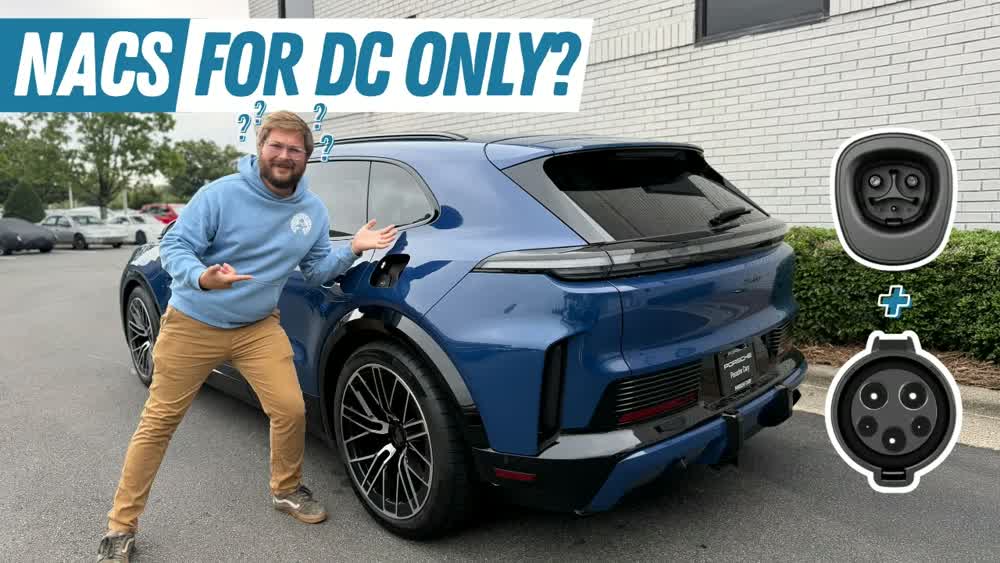
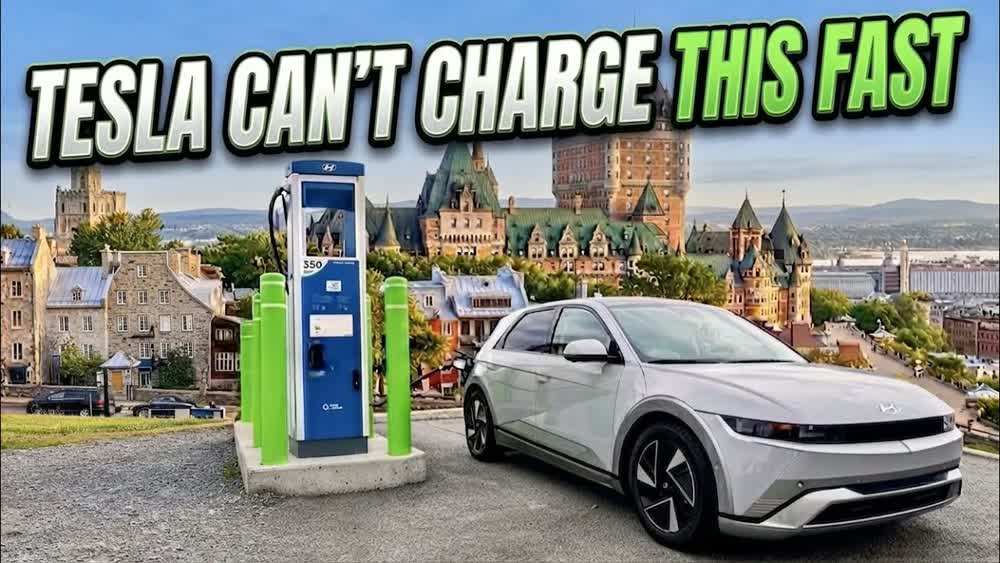
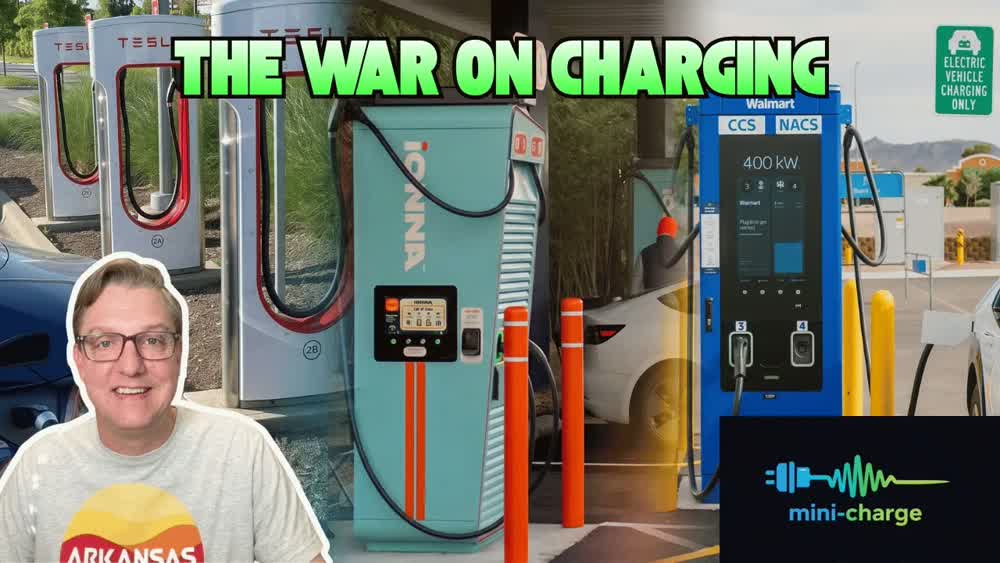
The charging claim is where solid-state could change daily American life more than range. A 10-minute 10–80% top-up is close to a gas-station stop. Toyota has committed to the NACS connector for its 2025-and-later EVs, which means a future solid-state Toyota or Lexus would plug into Tesla Superchargers and the broader NACS network. That matters because the bottleneck for US road trips is rarely range — it is finding a working 150 kW+ stall. A pack that fills in 10 minutes makes today’s charger anxiety almost irrelevant.
This is also why charging speed, not range, is the real battleground for 2026 — and why high-voltage 800V architectures are quickly becoming table stakes. Our breakdown of why 800 volts is the new baseline covers how the industry is already converging on exactly this conclusion.
The price problem — and the dead $7,500 credit
Here is the uncomfortable part for US buyers. Toyota’s solid-state cells currently cost an estimated $150–200 per kWh — about 1.25 to 1.67 times a conventional ternary lithium pack — and the company’s own roadmap only brings that below $100/kWh around 2030. That is why the chemistry debuts in a low-volume Lexus flagship, not a Corolla. Early LFA-type pricing has been floated in the six-figure range overseas, and there is no US subsidy to soften it.
The federal $7,500 clean-vehicle credit expired on September 30, 2025, killed by the One Big Beautiful Bill Act signed that July. The $4,000 used-EV credit died the same day, and the home-charger credit sunsets June 30, 2026. Cox Automotive data shows the damage: US new-EV sales fell 28% in Q1 2026 to about 212,600 units, EV share slipped to roughly 5.8%, and dealer inventory ballooned to a 130-day supply. The average new EV transaction price was about $55,300 in February 2026. A solid-state Toyota landing at, say, $90,000+ with no credit is a tough sell in that market.
Where it lands first — and when it reaches a Corolla
Toyota’s strategy is “high-end first, then mainstream”: prove the cells in the LFA and a possible electric Century, build volume through Idemitsu’s electrolyte plant, and only around 2030 push toward 10 GWh of annual capacity — enough for roughly 100,000 vehicles. The moment that actually matters to a typical American driver is not the supercar; it is when this chemistry shows up in a Camry-priced EV. Toyota holds 1,300-plus related patents, but China is not waiting: CATL and BYD are already testing solid-state packs on public roads, and US startup Factorial is racing the same finish line.
The LFA’s program boss, Yukihiko Yukita, also made a smart call on sound: Lexus will not fake gearshifts or pipe in engine noise like Porsche, Hyundai, and Mercedes-AMG do. That is the right instinct — simulated gearboxes are theater that actually slows the car. Electric motors give instant, linear response no combustion engine can match, and leaning into that is how a six-figure EV earns its price.
How Toyota’s target stacks up against US long-range EVs
| Vehicle | Max range (EPA) | 10–80% charge | US price (approx.) |
|---|
| Toyota solid-state (gen 1, target) | ~480–530 mi (from 621 mi WLTP) | ~10 min | Flagship, 6-figure est. |
| Lucid Air (longest-range US EV) | 516 mi | ~22 min | ~$69,900+ |
| Tesla Model S Long Range | ~402 mi | ~20 min | ~$79,990 |
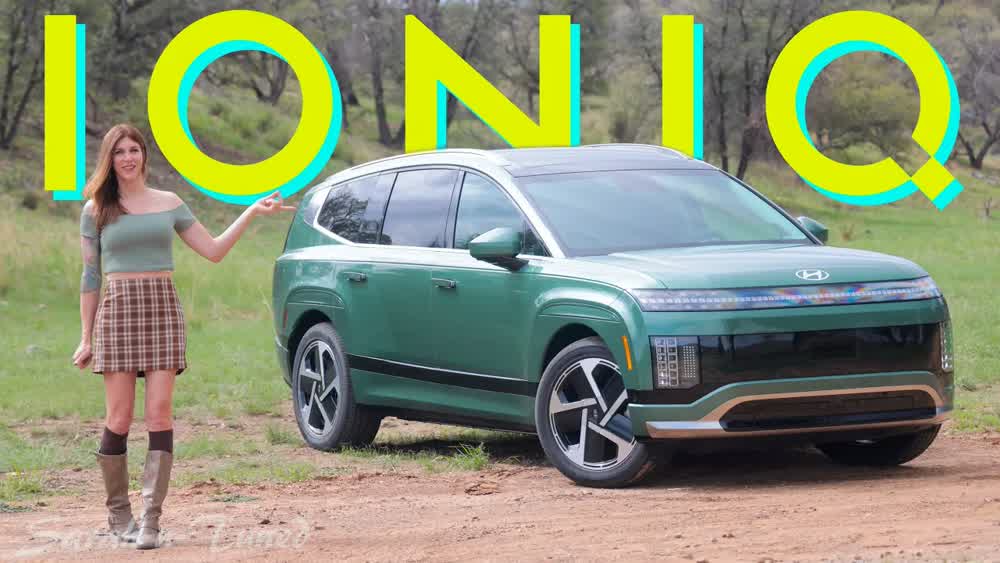
| Hyundai Ioniq 9 | ~335 mi | ~24 min (800V) | ~$58,000 |
| Typical 2026 mainstream EV | ~250–300 mi | ~25–35 min | ~$35,000–$55,000 |
Toyota’s edge is not just distance — it is halving the charge time of the best US cars while potentially beating their range. That combination is what makes solid-state a genuine leap rather than a spec-sheet trick.
The bottom line for US drivers
Toyota’s solid-state battery is real enough to have a supplier chain, a production license from Japan’s METI, and a debut car. But “real” and “in your driveway for $40,000” are a decade apart. For Americans, the practical takeaways are simple: expect a 400-plus-mile Lexus halo car around 2027–2028 with no federal credit to help; expect charge times that finally beat gas stops; and expect the mass-market, Corolla-priced solid-state Toyota no sooner than the early 2030s. Until then, the long-range 2026 flagships already on sale tell you more about what you can buy this year than Toyota’s 621-mile promise does.
Range leap vs today’s US EVs
Charge-speed advantage (10 min target)
Likelihood of US mainstream price by 2030
Will the $7,500 federal EV credit come back before solid-state Toyotas arrive?
Not under current law. The One Big Beautiful Bill Act ended the new and used clean-vehicle credits for vehicles acquired after September 30, 2025, and all remaining EV credits sunset on January 1, 2027. Toyota’s solid-state models are targeted for 2027–2028, so they will launch into a market with no federal purchase incentive. State rebates in California, Colorado, and New Jersey can still save thousands, but the headline federal number is gone.
Is 621 miles a real EPA number US buyers will see?
No. Toyota quotes 1,000 km (621 miles) on the WLTP cycle, which runs about 10–15% optimistic versus the EPA cycle used on US window stickers. A realistic EPA figure for the first solid-state Toyota is closer to 480–530 miles — still the longest of any production EV, but not the unadjusted 621 miles the headlines repeat.
Can a solid-state Toyota use Superchargers in the US?
Yes, if it follows Toyota’s announced NACS adoption for 2025-and-later models. A solid-state pack that charges 10–80% in roughly 10 minutes would pair well with the NACS/Supercharger network, making cross-country charging stops about as fast as filling a gas tank.
Sources: Toyota global newsroom (June 2023 Technical Workshop & Idemitsu collaboration, Oct. 2023); Toyota electrified-technologies battery PDF (10-min charge, 2027–28 target); Autocar and Hypebeast (Lexus LFA EV debut, Goodwood 2026, >400 mi target, 0–62 mph in ~2 sec); Cox Automotive Q1 2026 US EV sales data (28% drop, 5.8% share, $55,300 avg price, 130-day inventory); IRS / One Big Beautiful Bill Act (credit expiration Sept. 30, 2025); IEA and BloombergNEF solid-state market commentary; Factorial Energy and CATL/BYD public-road solid-state testing reports.