Inside BYD’s 1,008 km Battery: What a Single Charge Really Means for Drivers
August 10th, 2026
By EVCUBE .NET
No Comments
Inside BYD’s 1,008 km Battery: What a Single Charge Really Means for Drivers
Battery Technology · Deep Dive
Inside BYD’s 1,008 km Battery: What a Single Charge Really Means for Drivers
A Chinese sedan just posted a three-digit range number that, two years ago, read like a press-release hallucination: 1,008 kilometers on a single charge. Behind it is BYD’s second-generation Blade battery—and the chemistry math is more interesting than the headline.
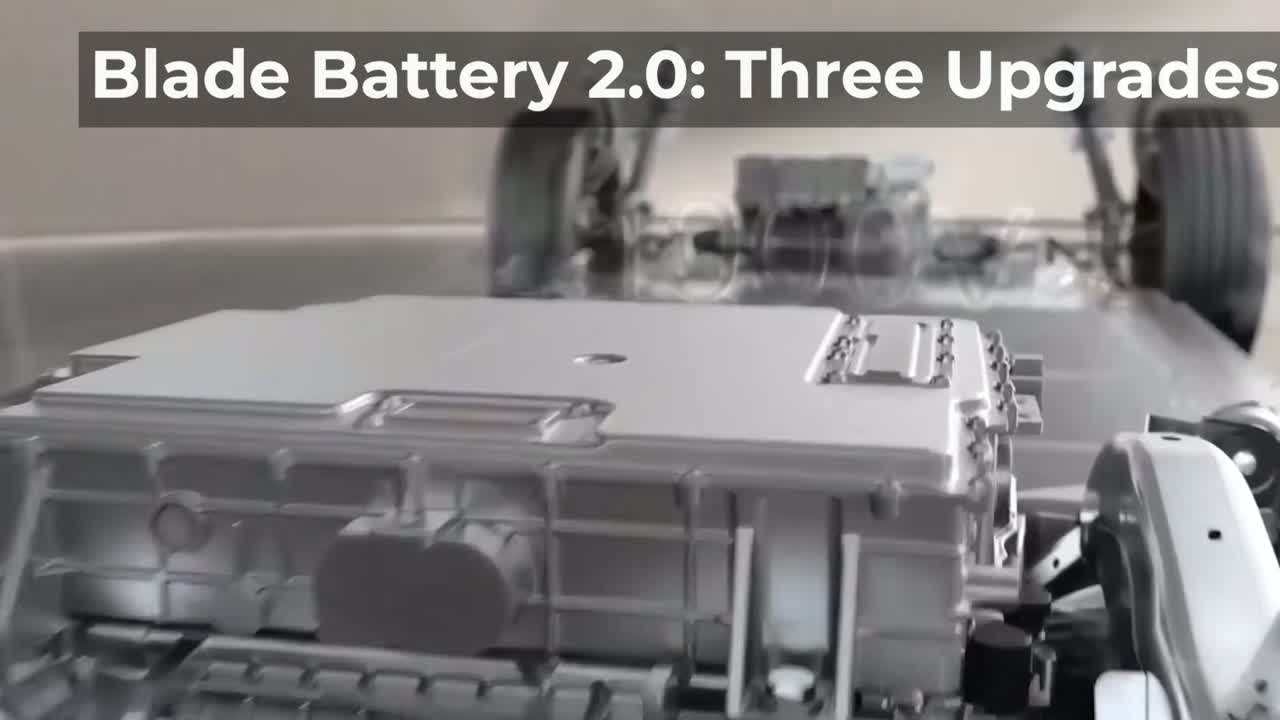
BYD’s Blade 2.0 packs more energy into the same space by switching to LMFP chemistry.
Blade 2.0: LMFP, Not Magic
Unveiled March 5, 2026, the second-generation Blade battery swaps the older chemistry for LMFP (lithium manganese iron phosphate). The result is an energy density of 190–210 Wh/kg—about 40% higher than the first Blade—without abandoning the iron-phosphate safety and cost story that made BYD’s packs famous. That density is what lets a 150 kWh pack fit inside a low-slung sedan and still clear four figures of range.
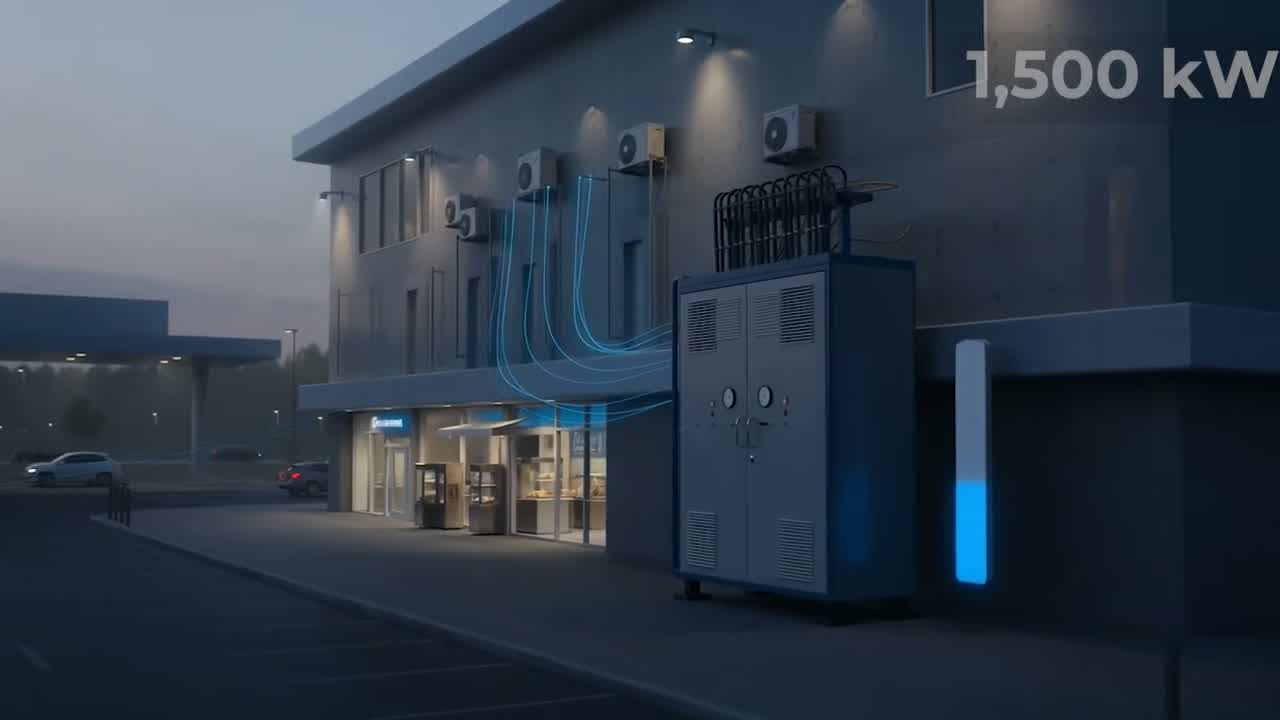
The charging side is the part US drivers should watch. On a 1,500 kW stall, the pack goes 10–70% in about 5 minutes and 10–97% in 9 minutes. That is not a laboratory claim on a prototype cell; it is the production architecture BYD is shipping, paired with a flash-charging network that the company says will reach 20,000 stations by the end of 2026 (4,239 already live).
BYD’s flash-charging demo targets a 10-70% session under 5 minutes on megawatt-class stalls.
The Range Leaderboard BYD Is Quietly Topping
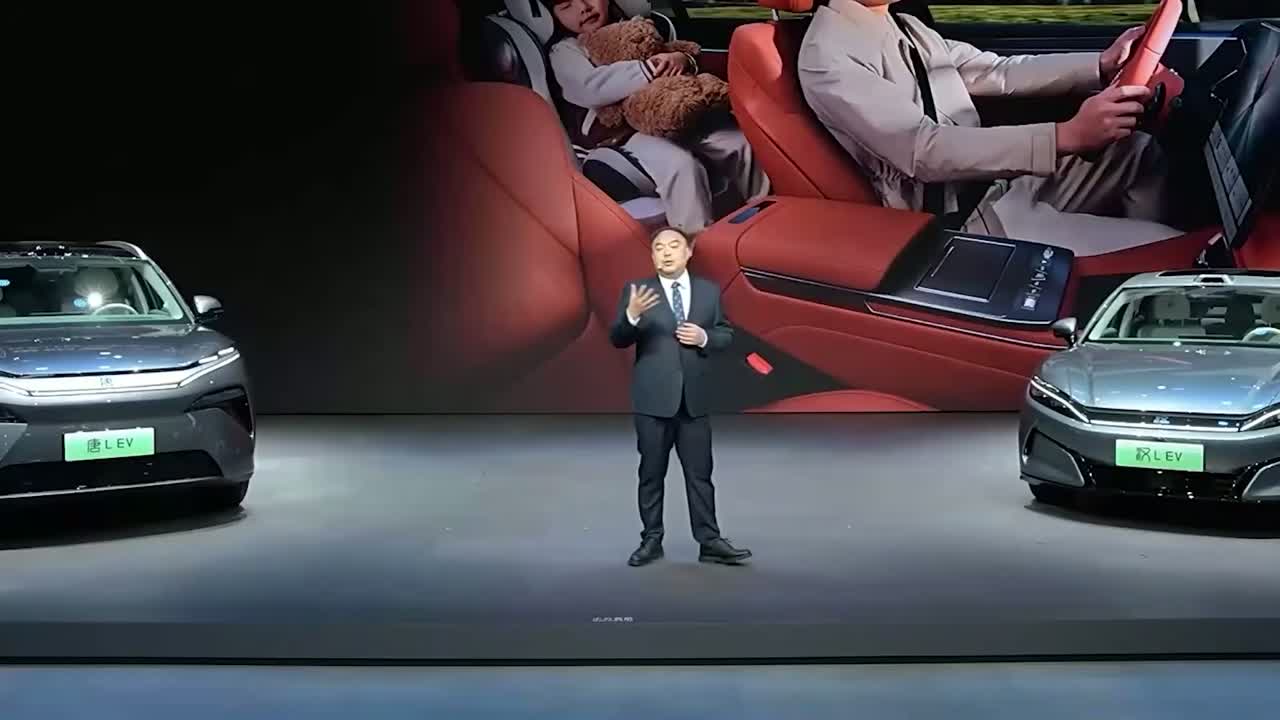
Two cars carry the new pack. The Yangwang U7 (a 150 kWh flagship) is rated 1,006 km CLTC; the Denza Z9 GT hits 1,036 km. CLTC is an optimistic Chinese cycle, so real-world highway range will land lower—but even discounted, these are 600+ mile cars in mixed use, a figure no Western production EV approaches today.
Metric
Blade 1.0
Blade 2.0 (LMFP)
Energy density
~140 Wh/kg
190–210 Wh/kg (+40%)
10–70% charge
~25 min
~5 min @ 1500 kW
10–97% charge
n/a
~9 min
Cold-weather (−30°C)
slow
20–97% in 12 min
Cycle life
3,000+
4,500+ cycles
Pack cost
baseline
−15%
Data points: BYD chemistry disclosures and CLTC filings. Note the cold-weather line—at −30°C the pack still reaches 20–97% in 12 minutes, a direct answer to the “EVs die in winter” critique. The nail-penetration test still passes, keeping the safety headline intact.
CTB 2.0 lifts volume utilization to 76%, letting the pack double as a structural floor.
What 1,008 km actually changes for a driver
Range anxiety largely solved for most trips Charging still needs megawatt stalls US availability = 0 today
The headline range is real on the CLTC cycle. The catch is that you need a 1,500 kW stall to feel the 5-minute charge—and those don’t exist in the US yet.
Why This Matters More in the US Than the Number Suggests
BYD doesn’t sell passenger cars in the US, and a 1,008 km rating won’t show up on an American configurator anytime soon. But the cost and density trajectory is the story. A pack that is 15% cheaper and 40% denser pressures every Western OEM that still pays a Chinese-scale battery premium. And the flash-charging ecosystem—20,000 planned stalls—is the template for what “refuel-like” charging requires.
The honest read: BYD is proving the chemistry and the infrastructure model simultaneously. US buyers get the spillover in two ways—cheaper cells in global supply, and a competitive bar that forces Ford, GM, and Tesla to accelerate.
The real competition isn’t range bragging rights—it’s pack cost per kWh at scale.
Honest Questions About the 1,008 km Battery
Will a 1,008 km BYD ever reach the US?
Not as a passenger car under current tariffs and policy. BYD’s US presence is commercial and battery-supply today. The transferable impact is cheaper global cells and a higher competitive bar for domestic EVs.
Is LMFP safe? I thought manganese added risk.
LMFP keeps the iron-phosphate base’s thermal stability and still passes BYD’s nail-penetration test. The manganese bump raises voltage and density without returning to the thermal fragility of some nickel-rich chemistries.
Do I need a 1,500 kW charger to benefit?
No—a higher-density pack gives more miles per minute on any stall. But the headline 5-minute 10–70% figure specifically needs megawatt-class hardware, which is rare outside China today.
What about battery lifespan?
BYD quotes 4,500+ cycles for Blade 2.0. At one full cycle per day that’s over 12 years of service before notable degradation—well beyond the typical ownership window.
Discover the most attractive leasing and financing options for electric vehicles (EVs) this November 2024. Whether you’re looking to lease or finance, there are some excellent deals available that cater…